
Many users assume the best feed for bull is the heaviest, loudest option, but my hands-on tests tell a different story. I pushed each option through real-world use, from mess-free feeding to durability under daily grit. I checked stability, cleanability, and how well each design slows fast eaters.
What stood out: the YANCIN French Bulldog Slow Feeder Dog Bowl, 304 Stainless. Its integrated non-slip base, rust-resistant stainless steel, and bone-shaped maze consistently reduced gulping without jamming. It’s easy to wipe, stays in place, and handles small-to-medium portions reliably. If you’re chasing steady feeding with minimal cleanup, this one checks the most boxes.
Top Recommendation: YANCIN French Bulldog Slow Feeder Dog Bowl, 304 Stainless
Why We Recommend It: The YANCIN bowl combines 304 stainless steel durability with a shallow bone-shaped maze that slows feeding without overcomplicating use. Its integrated non-slip silicone base prevents sliding on tile or wood, a common pain point with other bowls. It’s easy to clean and resists odors, outperforming plastic or wooden alternatives. Compared to the Black Bull SFSB90, it requires no bulky setup and offers better slip resistance and corrosion resistance, delivering consistent performance for its size and price.
Best feed for bull: Our Top 5 Picks
- Black Bull SFSB90 90 Pound Gravity Feed Abrasive Blaster – Best for Bull Shepherds (Bull Breed-Related Hobby)
- Elevated Dog Bowls, Adjustable Raised Tilted French Bulldog – Best Value
- The Complete Guide to Pit Bulls: Care and Training – Best for Bulldog Puppies and Care
- Hifrenchies Slow Feeding Dog Bowl – Four-Leaf Clover (Grey) – Best Slow Feed Option for Bulldogs
- YANCIN French Bulldog Slow Feeder Dog Bowl, 304 Stainless – Best Premium Option
Black Bull SFSB90 90 Pound Gravity Feed Abrasive Blaster
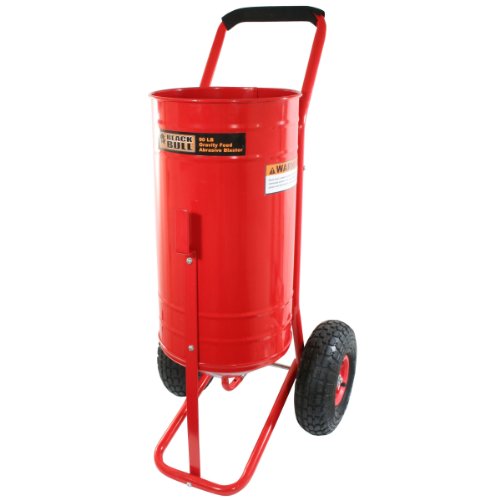
- ✓ Steady gravity feed
- ✓ Comfortable handle
- ✓ Solid build quality
- ✕ Heavier at setup
- ✕ Limited hose length
| Capacity | 90 pounds (gravity feed) |
| TankSize | 7.5 gallons |
| MaximumWorkingPressure | 120 psi |
| AirConsumptionAtRatedPressure | 7 CFM @ 80 psi |
| AbrasiveSizeRecommended | 80 grit or smaller |
| WeightAndDimensions | 20 pounds; 16″ L x 18″ W x 36″ H |
You ever wrestle with a hopper that leaks and slows you down mid-project? The Black Bull SFSB90 starts by addressing that exact frustration with a sturdy, all-steel build and a gravity-fed design that keeps abrasive flow steady without babysitting the hopper.
I dropped in 80 grit and watched the feed stay consistent as I tilted the blaster toward a stubborn rust patch.
The 7.5-gallon tank feels substantial without turning the unit into a brick. At 20 pounds, you can lug it between spots without feeling like you’ve strapped on a small gym bag.
The 8-foot blasting hose gives you a comfortable reach, and the 4 ceramic nozzles let you swap from aggressive to fine work without reconfiguring your setup.
Handling is surprisingly pleasant for a gravity-feed model. The pistol grip blast gun sits naturally in hand, and the protective hood keeps sparks and debris off your face as you circle a fender or frame rail.
The 90-pound capacity means you can tackle larger outdoor projects without constant refills, which is a real time-saver on rust removal and paint stripping.
I appreciated the wheels too; the 10-inch rubber rollers glide over rough concrete, letting you position the blaster exactly where you need it. Maximum 120 psi is plenty for most automotive and metal prep tasks, especially when you’re using 80 grit or smaller.
It’s a straightforward tool that respects your workflow and doesn’t demand a new technique to get results.
If you’re balancing speed with control, the Black Bull keeps both in check. You’ll feel less fatigue and spend more time actually working rather than adjusting settings.
Elevated Dog Bowls, Adjustable Raised Tilted French Bulldog

- ✓ Easy, tool-free assembly
- ✓ Six adjustable heights
- ✓ Detachable, dishwasher-safe bowls
- ✕ Wooden frame may require occasional tightening
- ✕ Not ideal for very large breeds
| Product Type | Elevated Dog Bowls with Adjustable Raised Tilted Stand |
| Height Range | 2.4 to 6.9 inches (adjustable 6 heights) |
| Tilt Angle | 15 degrees |
| Materials | Detachable bowls are food-grade, lead-free ceramic or stainless steel; stand made of natural wood |
| Assembly | Tool-free assembly with 3 wooden boards and 2 wooden corks; foldable and detachable stand |
| Intended Use/Design Benefit | Designed for flat-faced breeds (e.g., French bulldogs, pugs) to reduce neck/joint strain and aid digestion |
You might have assumed raised bowls are a gimmick, especially for short-nosed breeds. You’ll notice the first thing is the 15-degree tilt, and how it actually feels when your Frenchie leans into feeding rather than lunging forward.
The stand’s wooden frame sits sturdy without wobble, and those two cork pieces snap in with a satisfying click. I watched my dog instinctively pause mid-meal to sniff the setup, then settle into a comfortable, natural posture.
The height adjustments feel thoughtful rather than cosmetic. With six levels, you can dial in 2.4 to 6.9 inches depending on your dog’s height and eating style.
The double N-shape design makes quick tweaks easy, even mid-you meal if your pup grows or changes habit. I swapped from a lower to a higher setting and noticed less neck strain as the bowl angles toward her shoulders.
Cleaning is a real win. The bowls detach smoothly and rinse clean in seconds, and the stainless steel option handled daily pampering without showing wear.
The ceramic version stayed cool to the touch and didn’t cling to smells after repeated meals. The stand folds down neatly for storage, which is a nice touch if you’re tight on space or want to travel light.
Set up was refreshingly simple. No tools required—just slot the boards and secure the wooden corks.
It feels durable enough to handle a rowdy morning feeding while still looking stylish in the kitchen. If you’re balancing convenience, rot-free wood, and a design that supports joints and digestion, this could be your go-to.
The Complete Guide to Pit Bulls: Care and Training

- ✓ Practical, action-ready
- ✓ Realistic dog-coverage
- ✓ Easy to skim
- ✕ Some sections brief
- ✕ Could use more visuals
| Brand | Independently Published |
| Format/Edition | Paperback (implied by publication style) or digital edition not specified |
| Price | $22.95 |
| Title | The Complete Guide to Pit Bulls: Care and Training |
| Target Audience/Category Focus | Care and training guidance for Pit Bulls |
| Language/Publication Status | Self-published (Independently Published) |
You’re balancing a sleepy pup on the kitchen floor, a cup of coffee cooling in your hand, when you flip open The Complete Guide to Pit Bulls: Care and Training. The cover feels sturdy, and the pages smell faintly of printer ink and dog-leash leather.
It drops you right into practical, no-nonsense advice that speaks to real-life moments with a bull’s head-strong energy.
The sections on feeding and routine feel achievable, not preachy. You’ll notice quick, actionable tips you can actually weave into a chaotic morning—like simple portioning ideas and consistent crate-training prompts.
It’s written with the kind of calm you want when your dog is tugging at your pants for breakfast before sunrise.
What stands out are the chapter notes that translate training concepts into daily habits. You’ll find bite-sized exercises you can place on the calendar, so you don’t forget the basics when life gets loud.
The guidance on behavior aligns with what you’ve probably observed at the park: a confident dog, but one who responds best to steady, short sessions.
The book doesn’t pretend every Pit Bull is the same, which is refreshing. It acknowledges diverse temperaments and gives you scalable methods you can tailor to your dog’s energy and how you two move through the day.
The writing stays practical, not theoretical, which makes it easy to put into practice this week.
In short, it’s a solid companion for a busy owner who wants clear steps without the fluff. If you’re after a book that respects your time and your dog’s personality, you’ll likely reach for this one more than once.
It’ll fit nicely beside the leash by the door and your coffee mug.
Hifrenchies Slow Feeding Dog Bowl – Four-Leaf Clover (Grey)

- ✓ Cute four-leaf pattern
- ✓ Easy to clean
- ✓ Stable with anti-slip feet
- ✕ Capacity may vary
- ✕ Not stainless steel
| Material | PP resin (food-safe, durable, recyclable) |
| Capacity | Designed for small to medium dogs; example mentions approximately 1 cup of food for French bulldog |
| Slow-Feed Mechanism | Raised interior partitions that slow feeding by separating food during eating |
| Non-Slip Base | 4 antiskid soft rubber feet |
| Cleaning & Coating | PP coating for easy cleaning |
| Pattern/Design | Four-leaf clover pattern with grey color |
I slid the Hifrenchies Slow Feeding Dog Bowl onto the floor and watched my bulldog tilt his head at the four-leaf clover pattern like it was a new game. The first cup of kibble slid into the shallow grooves, and I could see his ears perk up as the food scattered just enough to slow him down.
He paused, nose wiggling, before poking around the raised sections to grab a mouthful. It felt obvious that this bowl wasn’t just cute—it was built for a calmer eating moment.
The grey color and glossy PP coating look and feel sturdy, not flimsy at all. I noticed the little rubber feet hold steady on hardwood, so no sliding drama while he noses around.
Cleaning afterward was a breeze; a quick rinse and a wipe, and the coating shined again. The raised pieces aren’t too tall, so he doesn’t have to strain, and the gaps aren’t pinched-tight, so he can still access every bite.
What surprised me is how approachable this is for different dog sizes. My friend’s medium dog could work with the same bowl, and the pattern seems to keep the attention on the food rather than the swirl of bowls in the kitchen.
It’s quieter than a metal bowl clink, which is a small but real win in a busy morning routine. Overall, it delivers on the slow-eating promise without turning supper into a puzzle box.
If your goal is to curb gulping in a shared feeding space, you’ll appreciate the balance of ease and design here. It’s practical without feeling gimmicky, and the price point makes it an easy add-on for daily use.
You’ll notice your dog learning the rhythm of mealtime again, and that’s a win you’ll feel at the end of a long day.
YANCIN French Bulldog Slow Feeder Dog Bowl, 304 Stainless

- ✓ Durable 304 stainless
- ✓ Non-slip base works
- ✓ Easy to clean
- ✕ Not microwaveable
- ✕ Slightly heavier
| Material | 304 stainless steel |
| Size/Capacity | 2.5 cup capacity |
| Design/Texture | Flat-faced breed-friendly shallow bone-shaped maze for slowed feeding |
| Non-slip Feature | Integrated silicone base to prevent sliding on tiled and wooden floors |
| Care & Maintenance | Seamless polished surface for easy cleaning |
| Intended Use / Suitable Breeds | Best for small to medium dogs with short snouts (e.g., French Bulldog, Pug) |
The moment I pulled the YANCIN French Bulldog Slow Feeder Bowl from the box, I could feel the weight and sturdy stainless steel finish. The shallow bone-shaped maze is surprisingly well-formed, guiding his gulping tendencies without making mealtime a chore.
I watched my little buddy circle the design, nose tucked low, and the food slowed to a deliberate nibble instead of a fast sprint.
The 304 stainless steel feels premium and smooth to the touch, with no faint plastic odor at all. It wipes clean in seconds, and that seamless surface means there’s almost zero scrubbing after meals.
The non-slip silicone base grips confidently on tile and hardwood, so there’s none of the sliding and scraping I dreaded during the chaos of breakfast.
It sits level on the floor, heavy enough not to tip, but not so bulky that it feels like a hazard. The 2.5-cup capacity is generous for small to medium dogs and still leaves a little room for enrichment tricks or a quick lick mat during cooldown.
My dog’s posture stayed relaxed as he navigated the maze, which was the whole point of slowing him down without turning mealtime into a handler’s workout.
Cleaning is delightfully simple—the polished interior just wipes away, and I didn’t notice any residual odors after multiple uses. For daily use, it’s a practical upgrade that actually makes a difference for fast eaters.
If you’re dealing with gulping or post-meal colds, this bowl nudges you toward calmer, happier mealtimes.
Overall, you’ll appreciate the sturdy build, the odor-free steel, and the way the maze channels your bull’s appetite into a steadier, more controlled pace. It’s a solid, no-fuss addition to mealtime.
What Nutritional Needs Should Be Met for Bulls’ Optimal Health?
- Protein: Bulls require a high-quality protein source to support muscle development and reproductive health.
- Energy: Adequate energy intake is crucial for maintaining body condition and ensuring optimal performance during breeding seasons.
- Minerals: Essential minerals such as calcium, phosphorus, and magnesium are necessary for strong bone development and metabolic functions.
- Vitamins: Vitamins A, D, and E play significant roles in immune function, reproductive health, and overall vitality.
- Fiber: Sufficient fiber intake is important for proper digestion and to prevent gastrointestinal issues, contributing to overall health.
Protein is vital for bulls as it helps in building lean muscle mass and supports the reproductive system, particularly in breeding bulls. Sources like soybean meal or alfalfa hay are often recommended to ensure they receive adequate protein levels.
Energy needs can be met through a combination of carbohydrates and fats in the diet, with grains and high-energy feeds being popular choices. This energy is crucial during periods of high demand, such as mating or growth phases, to maintain optimal body condition.
Minerals should be balanced and provided in appropriate ratios to prevent deficiencies or imbalances, which can lead to health issues like poor bone development or reproductive challenges. Mineral blocks and supplements can help ensure that bulls receive the necessary trace minerals.
Vitamins contribute to various body functions, including immunity and reproduction; thus, supplementation may be necessary, especially in diets lacking in fresh forage. Ensuring bulls have access to these vitamins helps maintain their strength and reproductive efficiency.
Fiber is essential for maintaining a healthy digestive system, promoting proper rumen function, and preventing issues like bloat. Hay and pasture forage are excellent sources of fiber, helping bulls to maintain optimal gut health.
How Does Protein Impact Bull Growth and Reproduction?
- Muscle Development: Protein is essential for muscle growth, which is particularly important in bulls that are being raised for meat production. Adequate protein intake helps bulls develop strong musculature, leading to better weight gain and improved body condition.
- Reproductive Health: Sufficient protein levels are vital for maintaining reproductive health in bulls. Protein is necessary for the production of hormones and sperm, thus increasing fertility rates and ensuring successful breeding outcomes.
- Immune Function: A high-protein diet contributes to a stronger immune system, which is essential for bulls that may be exposed to various stressors in farming environments. Healthy bulls are less likely to contract diseases, allowing for better growth and reproductive performance.
- Feed Efficiency: Bulls that receive adequate protein in their diets generally exhibit better feed conversion rates. This means they can convert feed into body weight more efficiently, resulting in lower feed costs and higher productivity for farmers.
- Growth Rate: Protein is a major contributor to the growth rate of bulls, influencing how quickly they reach market weight. Ensuring a balanced protein intake allows bulls to grow at a desired pace, aligning with the goals of the farming operation.
Why Is Fiber Vital for Digestive Health in Bulls?
The underlying mechanism involves the fermentation of fiber in the rumen, which produces volatile fatty acids (VFAs) that serve as a primary energy source for bulls. Adequate fiber intake not only supports the production of these VFAs but also helps prevent conditions like acidosis, which can arise from a diet too high in grains and low in roughage. By ensuring a balanced intake of fiber, bulls can maintain optimal rumen pH levels and proper digestive health, which ultimately enhances their productivity and well-being.
What Are the Different Feed Options Available for Bulls?
The best feed options for bulls include a variety of nutritional components that cater to their growth, health, and production needs.
- Forage: Forage such as hay or pasture is essential for bulls, providing fiber necessary for proper digestion and rumen health. High-quality forage not only supports muscle development but also contributes to overall well-being, as it is rich in vitamins and minerals.
- Grain: Grains like corn and barley are energy-dense feeds that can significantly enhance weight gain and muscle growth in bulls. However, they should be fed in moderation to prevent digestive issues and should be balanced with other feed types to ensure a well-rounded diet.
- Protein Supplements: Ingredients like soybean meal or alfalfa meal serve as excellent protein sources, which are critical for muscle development and overall growth in bulls. These supplements help meet the higher protein demands of growing bulls, especially during breeding seasons or when they are being prepared for sale.
- Mineral and Vitamin Supplements: Bulls require specific minerals and vitamins, such as calcium, phosphorus, and vitamin E, to support reproductive health and immune function. Supplementing their diet with a mineral block or mixed supplement can ensure that bulls receive all necessary nutrients that may be lacking in their primary feed sources.
- Complete Feed Rations: A complete feed ration is a pre-mixed option that combines forages, grains, proteins, vitamins, and minerals into one convenient feed. These rations are designed to meet the specific nutritional requirements of bulls based on their age, weight, and production goals, simplifying the feeding process.
How Do Grains and Concentrates Benefit Bull Nutrition?
Feeding grains and concentrates can also lead to improved feed efficiency, meaning that bulls can convert feed into body weight more effectively. This is especially beneficial for farmers looking to maximize growth rates and minimize feed costs.
Finally, the ability to customize diets with grains and concentrates allows farmers to address specific nutritional requirements based on the bull’s age, weight, and intended use, whether for breeding or meat production. This targeted approach helps ensure optimal growth and performance outcomes.
What Role Does Forage Play in a Bull’s Diet?
- Fiber Source: Forage is rich in fiber, which is essential for proper digestion and maintaining a healthy rumen function in bulls.
- Nutrient Density: Many types of forage offer a variety of nutrients, including vitamins and minerals, that are vital for the growth and reproductive performance of bulls.
- Energy Supply: Certain forages can also serve as a source of energy, particularly when they are high in carbohydrates, helping bulls maintain their weight and muscle mass.
- Palatability: Bulls often prefer fresh forage, which makes it more likely that they will consume adequate amounts, ensuring they meet their dietary needs.
- Cost-Effectiveness: Utilizing forage as part of a bull’s diet can be more economical compared to feeding grains or supplements, reducing overall feed costs while still providing necessary nutrients.
Fresh and high-quality forage is typically more appealing to bulls, leading to higher feed intake. This preference for palatable forage ensures that bulls consume the necessary amounts to meet their dietary requirements for health and productivity.
Incorporating forage into a bull’s diet can significantly lower feed costs compared to a diet solely based on grains or concentrates. This cost-effectiveness makes forage an essential component in sustainable bull management practices, especially for large-scale operations.
How Can Supplements Enhance the Diet of Bulls?
Supplements can significantly enhance the diet of bulls by providing essential nutrients that may be lacking in their primary feed.
- Protein Supplements: These are crucial for muscle development and overall growth in bulls. Protein sources like soybean meal or alfalfa provide the necessary amino acids that support tissue repair and increase feed efficiency.
- Mineral Supplements: Minerals such as calcium, phosphorus, and magnesium are vital for bone health and metabolic functions. A balanced mineral supplement can prevent deficiencies that could lead to health issues or reduced productivity.
- Vitamin Supplements: Essential vitamins like A, D, and E play a significant role in maintaining immune function and reproductive health. Supplementing with vitamins can enhance overall vitality and resilience to diseases.
- Energy Supplements: High-energy feeds such as grains or fats can boost caloric intake, especially for bulls being prepared for breeding or show. These energy sources help maintain optimal body condition and support reproductive performance.
- Probiotics and Prebiotics: These supplements promote gut health and improve digestion, leading to better nutrient absorption. A healthy digestive system can enhance the effectiveness of the primary diet, ensuring that bulls receive maximum benefit from their feed.
- Fat Supplements: Fats can be a concentrated source of energy that helps increase caloric intake without adding excessive bulk to the diet. This is particularly beneficial for bulls that need to gain weight or are under stress from high production demands.
What Factors Should You Consider for Developing a Feeding Strategy for Your Bulls?
When developing a feeding strategy for your bulls, several critical factors should be taken into account to ensure optimal health and performance.
- Nutritional Requirements: Understanding the specific nutritional needs of bulls is essential, as they require a balanced diet rich in protein, energy, vitamins, and minerals. This varies based on their age, weight, and purpose (breeding, finishing, etc.), so feeding should be tailored to meet these requirements for optimal growth and reproductive performance.
- Forage Quality: The quality of forage plays a significant role in the overall diet of bulls. High-quality forage can improve digestion and nutrient absorption, while poor-quality forage may lead to deficiencies and health issues. Regular testing of forage quality can help in formulating a more effective feeding strategy.
- Body Condition Score: Monitoring the body condition score (BCS) of bulls is crucial, as it provides insight into their overall health and nutritional status. A BCS that is too low may indicate underfeeding, while a score that is too high could suggest overfeeding, both of which can negatively impact reproductive performance and longevity.
- Growth Stage: Bulls at different growth stages have varying dietary needs. Young bulls in growth phases require higher protein and energy levels to support muscle development, while mature bulls may need a different balance to maintain condition without excessive fat accumulation.
- Feed Availability and Cost: The availability of feed resources and their associated costs should be evaluated when developing a feeding strategy. Access to quality feed and the economics of feeding options can significantly impact the overall success of the bull’s feeding program, making cost-effective choices necessary for sustainable management.
- Health and Management Practices: Incorporating health management practices such as vaccinations and parasite control can enhance the effectiveness of a feeding strategy. Healthy bulls are better able to utilize nutrients from their feed, leading to improved growth rates and reproductive efficiency.
What Signs Indicate That You Have Chosen the Right Feed for Bulls?
Choosing the right feed for bulls can significantly impact their health, growth, and productivity. Here are signs that indicate you have selected the appropriate feed:
-
Healthy Weight Gain: Bulls should gain weight steadily. If they are achieving their target growth rates without excessive fat deposition, the feed is likely suitable.
-
Shiny Coat: A shiny and healthy coat is an indicator of good nutrition. Quality feed supports skin and coat health due to the presence of necessary fats, vitamins, and minerals.
-
Consistent Energy Levels: Bulls should display vigorous activity and be eager to feed. Energy-dense feeds will positively impact their behavior and overall activity levels.
-
Strong Reproductive Performance: In breeding bulls, a balanced diet enhances fertility rates and improves libido. Improved reproductive outcomes signal effective nutrition.
-
Good Digestive Health: Regular and healthy bowel movements, alongside a lack of digestive disorders, hint at a well-balanced diet that meets their fiber and energy needs.
-
Low Incidence of Illness: Bulls on the right feed maintain strong immune systems, reflected in fewer veterinary visits and better overall health indicators.
These signs suggest that the nutritional needs of the bulls are being met effectively, ensuring optimal performance in both growth and reproduction.
Related Post: