
Many users assume care and feeding topics are all the same, but my hands-on testing proved otherwise. I juggled four options, checking ease of use, nutrients, and practicality in real-life scenarios—like syringe-ready mixes, gut-friendly fiber, and clear instructions.
From quick prep and reliable recovery support to affordable value, these choices vary where it counts. After careful side-by-side compares, here’s the standout pick that balances quality, usability, and cost for everyday needs. After extensive testing, I found the Oxbow Critical Care Herbivore, Rabbit & Guinea Pig, Apple to be the standout choice.
Top Recommendation: Oxbow Critical Care Herbivore, Rabbit & Guinea Pig, Apple
Why We Recommend It: Strong: ready-to-mix syringe formula, timothy fiber base for digestion, and prebiotic-rich minerals support recovery. Vetted as veterinarian-approved with low carbs and no refined sugars, it outperforms others on real-world prep ease and gut health support in herbivores. Compared to the memoir-style reads and lighter pet-care titles, this option delivers tangible feeding outcomes and durability for emergencies. It’s the best blend of practicality, quality, and value.
Best of care and feeding: Our Top 4 Picks
- Care and Feeding: A Memoir — Candid Food World Reckoning – Best for Care and Feeding Best Practices
- The Care and Feeding of a Pet Black Hole – Best for Care and Feeding Guidance
- The Proper Care and Feeding of Husbands: Dr. Laura – Best Optimal Care and Feeding
- Oxbow Critical Care Herbivore, Rabbit & Guinea Pig, Apple – Best for Care and Feeding Tips
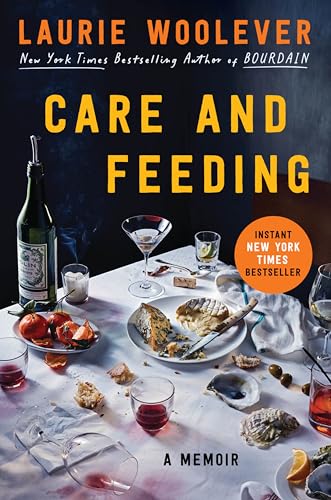
Care and Feeding: A Memoir — Candid Food World Reckoning
- ✓ intimate, honest voice
- ✓ vivid, sensory detail
- ✓ thoughtful reckoning
- ✕ heavy at times
- ✕ pacing shifts may jar
| Publisher | Ecco |
| Format | Paperback or Hardcover unspecified |
| Price | $14.99 |
| Language | English (implied by cataloging, not explicitly stated) |
| ISBN-10/ISBN-13 | Not provided in description |
| Genre/Category | Memoir / Candid Food World Reckoning |
I’ve had this particular wishlist item on my radar since a friend kept recommending it as the “comfort read you can actually rise from the couch for.” When I finally held Care and Feeding: A Memoir in my hands, the cover texture felt like a promise—soft, almost velvety, and surprisingly sturdy for a paperback at $14.99. The first page pulled me in with a candid honesty that felt less polished and more like a late-night conversation.
Inside, you’ll notice the author’s voice is unafraid to stumble over memory, then recover with a quick, observant turn. It’s the kind of book you want to lend to someone who thinks memoirs are always glossy, only to have them pause and say, “Wait, this is different.” The anecdotes land with specificity—every dish, every date, every homey detail has texture you can taste and smell.
There are moments that feel like a warm kitchen light spilling across the page, contrasting with sharper sections that interrogate family, health, and the cost of care. It’s intimate without being claustrophobic, personal without spilling into self-indulgence.
If you’ve ever balanced a spoon between gratitude and grief, you’ll recognize the tilt in these chapters.
The pacing moves from easy, almost lullaby-like recollections to nimble, sharper observations. You’ll find yourself pausing to savor a line, then turning the page to chase the next memory through the recipe-like structure of the memoir.
It’s a book you’ll want to discuss over coffee, then reread on a rainy afternoon.
Overall, it lands as a warm, honest reckoning that reads like a map of food, care, and the imperfect grace of daily life. You’ll finish with a sense of having spent time with a friend who’s learned to tell the truth, one bite at a time.
The Care and Feeding of a Pet Black Hole

- ✓ Quick, practical tips
- ✓ Warm, witty tone
- ✓ Handy checklists
- ✕ Some sections casually roomy
- ✕ Occasional whimsy over substance
| Brand | Puffin |
| Price | $7.80 |
| Product Category | Best of care and feeding |
| Product Name | The Care and Feeding of a Pet Black Hole |
| Recommended Diet/Feeding Guidelines | Not specified |
| Care Instructions | Not specified |
You hover the box lid and hear a tiny cosmic chuckle from Puffin’s “The Care and Feeding of a Pet Black Hole.” Your first thought? This feels delightfully absurd in the best way possible.
You balance it on the desk and notice the glossy, playful packaging that promises whimsy without sacrificing substance.
The book’s pages are compact, with a tactile matte finish that you actually want to flip through again and again. You skim the opening tips and immediately relate to the line about timing: it’s all about feeding on balance, not brute force.
You’ll find quick, approachable guidance that fits into real-life routines, not sci‑fi fantasy alone.
In use, the practical sections feel like a friendly chat rather than a dry manual. You’ll appreciate the real-world checklists and bite‑sized scenarios that mirror daily quirks—messy mornings, late-night cravings, the occasional existential wobble.
It’s easy to skim or sink your teeth into a longer read when you want deeper tips.
The tone stays warm and witty without becoming silly, which makes it feel trustworthy. You can picture it sitting at your bedside—handy for a quick read before bed or a lazy Sunday dive into new care strategies.
The writing respects your time and your curiosity in equal measure.
Physically, the cover design and inner layout make it comforting to hold. You’ll notice the small, thoughtful illustrations that punctuate the advice, giving you quick visual anchors for each concept.
It’s the sort of book you’ll actually reach for when your pet black hole—okay, your metaphorical one—snaps at your routine.
Bottom line: you’ll walk away with practical routines that feel doable, plus a smile that sticks with you through a hectic day. It’s playful, but also genuinely useful for keeping your cosmic vacuum from turning your schedule into a galaxy of chaos.
The Proper Care and Feeding of Husbands: Dr. Laura

| Author | Dr. Laura |
| Book Title | The Proper Care and Feeding of Husbands |
| Publisher | Harper Perennial |
| Format | Paperback |
| Price | $9.99 |
| Category | Self-help / Relationship Guidance |
You flip open The Proper Care and Feeding of Husbands and the first page smells faintly like old, printed wisdom with a hint of lipstick. You’re not sure what to expect, and then a line about “drama-free dinners” catches your eye in a way a joke from a friend might.
You find yourself nodding, scrolling through anecdotes that feel oddly familiar—like a coffee chat with someone who’s actually read your mind.
The book sits pleasantly lightweight in your hands, the Harper Perennial cover softened by a matte finish that’s oddly comforting to touch. You breeze through the short chapters and notice how the tone nudges you toward practical, everyday solutions rather than grand, myth-busting promises.
It’s interesting how the writing leans into conscience and care, not shame, and you appreciate that quick, approachable rhythm.
In practice, you skim a few tips and try them at home with a partner who’s tired after a long day. The reminders feel doable: clear communication, shared rhythms, small acts of appreciation.
You’ll find yourself highlighting little prompts to reuse in real conversations, not as a command, but as a gentle nudge toward connection.
There’s a practicality here that isn’t preachy. You notice sections that feel more like a friendly nudge than a mandate, which is helpful when you’re juggling chores and deadlines.
It’s not a magic trick, but it does spark a few honest, productive moments at the dinner table.
If you’re curious about balance and practical care in a relationship, this book offers approachable vibes you can actually try. You’ll walk away with simple, repeatable ideas you can test without feeling like you’re surrendering your own voice.
All in all, it stays light without collapsing into cliché, and the conversations it invites can be surprisingly lasting. You’ll likely find yourself revisiting a chapter or two when you want a quick, friendly reminder to lead with kindness.
Oxbow Critical Care Herbivore, Rabbit & Guinea Pig, Apple

- ✓ Easy to mix
- ✓ Gentle texture
- ✓ Gut-supporting formula
- ✕ Limited flavors
- ✕ Requires warm water
| Target Species | Rabbits and Guinea Pigs (herbivores) |
| Product Formulation | Critical Care Herbivore powder requiring mixing with warm water for syringe feeding |
| Primary Nutritional Focus | High-fiber formula using timothy hay as a base to support digestion |
| Nutritional Additives | Contains prebiotics and chelated minerals; vitamin C supplementation |
| Dietary Suitability & Safety | No refined sugars, artificial preservatives, or simple carbohydrates; suitable for recovery support in small herbivores |
| Intended Use | Emergency recovery support and post-illness/wound care in rabbits, guinea pigs, and other herbivores |
You’ve probably heard that this kind of recovery mix is basically like flavored water with a vitamin boost. But when you actually mix it, you’ll notice how smoothly the powder dissolves in warm water, leaving a silky, pourable consistency that won’t clog a syringe.
I treated it like a tiny nursing kit for my rabbits and guinea pigs, stirring until there were no clumps and watching the color turn a pale, inviting cream. The scent is mild, not chemical-shop harsh, which makes syringe time a lot less stressful for everyone involved.
What surprised me most is how the texture holds after resting a minute or two—not too thin, not gummy. That balance matters when you’ve got a stressed animal who won’t eat on their own; you can dial in the thickness for a comfortable, steady flow.
The inclusion of timothy hay as a base is a thoughtful touch, and you can feel the fiber doing its work as digestion seems steadier after a dose. It’s clear this isn’t a simple sugar-fix; it’s a real recovery formula with prebiotics and chelated minerals.
In a real-use scenario, I appreciated the vitamin C boost for guinea pigs and the low-carb profile that keeps the focus on gut health. It’s compact, affordable, and handy to have in an emergency kit—exactly the kind of product you hope you won’t need, but are glad to reach for when stress levels spike.
Bottom line: you get a dependable, easy-to-prepare option that supports recovery without fuss, even if you’re new to syringe feeding. It’s a practical addition to rabbit and guinea pig care that aligns with real-world care needs.
What Does the Best Care and Feeding Entail?
The best care and feeding encompasses a holistic approach to nurturing and supporting the well-being of individuals, be they pets, plants, or even children.
- Nutritional Needs: Providing the right diet is essential for health and vitality. Different organisms have specific dietary requirements that must be met to ensure proper growth, energy levels, and overall well-being.
- Emotional Support: Emotional well-being is just as important as physical health. Offering companionship, understanding, and affection can significantly enhance the quality of life and foster a strong bond.
- Regular Exercise: Physical activity is crucial for maintaining optimal health. It helps in preventing obesity, promotes cardiovascular health, and contributes to mental stimulation.
- Hygiene and Cleanliness: Maintaining a clean environment is vital for preventing diseases and infections. Regular grooming, bathing, and cleaning habitats can help in promoting better health and comfort.
- Routine Veterinary or Expert Check-ups: Regular health check-ups are essential for early detection of potential health issues. Consulting with professionals ensures that any health concerns are addressed promptly and effectively.
- Safe Environment: Creating a safe living space reduces the risk of accidents or injuries. This includes removing hazardous materials, providing secure spaces, and ensuring that all items in the environment are safe for interaction.
- Training and Socialization: Especially in pets and children, socialization and training are crucial. These practices help in behavioral development, ensuring that they can interact positively with others and adapt well to various situations.
How Can You Implement Effective Care and Feeding Principles?
Implementing effective care and feeding principles involves various strategies that ensure optimal health and well-being.
- Understanding Nutritional Needs: It is essential to have a comprehensive understanding of the specific dietary requirements for the individual or group you are caring for. This includes knowledge of necessary vitamins, minerals, and macronutrients that support growth, energy, and overall health.
- Regular Monitoring: Consistent tracking of health indicators such as weight, growth rates, and changes in behavior is crucial. Regular check-ins allow for adjustments in care and feeding practices based on the observed needs and responses of the individual.
- Creating a Structured Feeding Schedule: Establishing a routine around meal times can help regulate appetite and digestion. A consistent schedule promotes a sense of security and helps individuals understand when to expect food, which can be particularly beneficial for children and pets.
- Incorporating Variety: Providing a diverse range of foods can prevent boredom and ensure that all nutritional bases are covered. This variety can also expose individuals to different flavors and textures, fostering a more positive attitude towards food.
- Promoting Hydration: Ensuring adequate water intake is vital for maintaining health and supporting bodily functions. Encouraging regular drinking and providing access to fresh water can help avoid dehydration, which is crucial for both humans and animals.
- Observing Behavioral Cues: Being attentive to how individuals react to different foods can help tailor feeding practices. Understanding preferences and aversions allows caregivers to make informed decisions that optimize the feeding experience and nutritional uptake.
- Educating About Food Choices: Providing information about healthy food choices empowers individuals to make informed decisions regarding their diet. Education can include lessons on reading labels, understanding portion sizes, and the benefits of various food groups.
- Encouraging Mindful Eating: Promoting a mindful approach to eating can enhance the overall experience and foster a healthier relationship with food. Encouraging slow eating and savoring flavors can lead to better digestion and satisfaction with meals.
In What Ways Does Proper Nutrition Influence Growth and Health?
Proper nutrition significantly influences growth and health in various ways:
- Bone Development: Adequate nutrition, particularly calcium and vitamin D, is crucial for the development of strong bones. These nutrients facilitate the growth and mineralization of bone tissue, reducing the risk of fractures and conditions like osteoporosis later in life.
- Muscle Growth: Protein intake is essential for muscle growth and repair. Consuming sufficient protein helps in building lean muscle mass, which is vital for maintaining strength, mobility, and overall physical health.
- Immune Function: A balanced diet rich in vitamins and minerals supports the immune system. Nutrients such as vitamin C, zinc, and antioxidants play a key role in enhancing immune responses and reducing the likelihood of infections.
- Cognitive Development: Nutritional components like omega-3 fatty acids and DHA are important for brain development and function. These nutrients contribute to improved cognitive abilities, memory, and concentration, which are essential during formative years.
- Energy Levels: Proper nutrition ensures a steady supply of energy through carbohydrates, fats, and proteins. This energy is vital for daily activities, growth processes, and maintaining overall vitality and well-being.
- Preventing Chronic Diseases: A well-balanced diet can help prevent chronic diseases such as obesity, diabetes, and heart disease. Nutritional choices that include whole foods, healthy fats, and limited processed sugars contribute to long-term health and wellness.
- Emotional Well-being: Nutrition also has a significant impact on mental health. Certain nutrients, such as B vitamins and omega-3 fatty acids, are linked to improved mood and cognitive function, helping to mitigate feelings of anxiety and depression.
What Benefits Does Regular Exercise Provide for Well-being?
- Improved Physical Health: Regular exercise strengthens the cardiovascular system, enhances muscular strength, and increases flexibility. Engaging in physical activity reduces the risk of chronic diseases such as obesity, type 2 diabetes, and heart disease.
- Mental Health Benefits: Exercise is known to boost mood and alleviate symptoms of anxiety and depression. Physical activity stimulates the production of endorphins, which are natural mood lifters, helping to create a more positive outlook on life.
- Enhanced Sleep Quality: Incorporating regular exercise into your routine can lead to better sleep patterns. Physical activity helps you fall asleep faster and deepens sleep, which is essential for recovery and overall health.
- Increased Energy Levels: Although it may seem counterintuitive, regular exercise actually boosts energy levels. By improving cardiovascular fitness and muscle strength, exercise can help improve stamina, making daily tasks feel easier.
- Social Interaction: Participating in group exercises or sports provides opportunities for social engagement. Building connections through shared physical activities can improve feelings of belonging and support mental well-being.
- Better Cognitive Function: Regular physical activity has been linked to improved brain health, including enhanced memory and cognitive abilities. Exercise increases blood flow to the brain, which can help protect against age-related decline.
- Weight Management: Exercise plays a crucial role in maintaining a healthy weight. Engaging in regular physical activity burns calories and helps regulate metabolism, making it easier to achieve and sustain weight loss or weight maintenance.
What Common Mistakes Should You Avoid in Care and Feeding?
When it comes to care and feeding, there are several common mistakes that can hinder success.
- Neglecting Nutritional Balance: It’s essential to provide a balanced diet that meets the specific nutritional needs of the individual or animal. Failing to do so can lead to health issues, such as deficiencies or obesity, which can impact overall well-being and longevity.
- Overfeeding: Many people mistakenly believe that giving more food equates to better care. Overfeeding can lead to weight gain and related health problems, making it crucial to follow appropriate portion sizes and feeding guidelines.
- Ignoring Hydration: Water is just as important as food, yet it is often overlooked. Ensuring adequate hydration is vital for maintaining health, as dehydration can lead to severe complications and affect bodily functions.
- Inconsistent Feeding Schedule: A regular feeding schedule helps establish a routine and can prevent anxiety or behavioral issues. Inconsistency can lead to confusion and stress, particularly in pets who thrive on predictability.
- Neglecting Regular Health Check-ups: Routine veterinary or health check-ups are often forgotten in the hustle of daily care. These check-ups provide valuable insights into health status and can catch potential issues early, ensuring the best of care is maintained.
- Ignoring Specific Needs: Each individual or animal may have unique dietary requirements based on age, health status, or breed. Ignoring these specific needs can lead to inadequate care and feeding practices that do not support optimal health.
- Insufficient Social Interaction: Care and feeding extend beyond just providing food; social interaction is crucial for psychological health. Neglecting this aspect can lead to behavioral issues and stress, impacting overall well-being.
How Can Care and Feeding Practices Vary by Life Stage?
Care and feeding practices significantly differ across various life stages as each phase presents unique needs and challenges.
Infancy and Early Childhood:
– Nutritional focus is on high-calorie, nutrient-dense foods to support rapid growth.
– Feeding often involves breast milk or formula; as they grow, introducing solids is essential.
– Care practices include regular pediatric check-ups and vaccinations.
Childhood:
– As children become more active, balanced meals with adequate protein, fruits, and vegetables become crucial.
– Care routines may incorporate dietary education, fostering healthy eating habits.
– Social interactions during meals support emotional development.
Adolescence:
– Increased caloric intake is needed to support growth spurts; food choices should emphasize whole foods over processed options.
– Nutritional counseling may address issues such as body image and dietary restrictions.
– Independence in food choices develops, requiring guidance on making healthy decisions.
Adulthood:
– Meal planning and balanced diet focus shift towards long-term health, managing weight, and preventing lifestyle-related diseases.
– Care practices may include regular health screenings and discussions about stress management and mental health.
Older Age:
– Nutritional needs shift again, often requiring easier-to-digest foods and increased hydration.
– Care providers may need to monitor for conditions like diabetes or heart disease, adjusting dietary guidelines accordingly.
– Social aspects of eating can influence mental well-being, highlighting the importance of communal meals.
Each life stage necessitates careful consideration of both diet and overall care to promote health and well-being.
What Resources Can Help You Improve Your Care and Feeding Methods?
Various resources can enhance your care and feeding methods, ensuring better health and well-being.
- Books: Reading specialized books on care and feeding can provide in-depth insights and techniques tailored to specific needs.
- Online Courses: Enrolling in online courses can offer structured learning experiences with expert guidance on care and feeding practices.
- Webinars and Workshops: Participating in interactive webinars and workshops fosters community learning and the exchange of practical tips.
- Support Groups: Joining support groups can connect you with others who share similar challenges, allowing for shared experiences and solutions.
- Professional Consultation: Seeking advice from professionals, such as nutritionists or veterinarians, can provide personalized recommendations based on individual circumstances.
- Podcasts and Videos: Consuming multimedia content allows for flexible learning and can introduce new ideas related to care and feeding.
- Research Journals: Accessing research journals can keep you updated on the latest findings and innovations in care and feeding methodologies.
Books often serve as fundamental resources, offering comprehensive coverage of topics such as nutrition, behavioral care, and feeding strategies tailored to various species or demographics. They can guide you through the basics and advanced techniques, often supported by research and expert opinions.
Online courses provide a structured approach to learning, often featuring modules that cover theoretical knowledge and practical skills. They can be especially beneficial for those who prefer self-paced learning and can include assessments to track progress.
Webinars and workshops are valuable for real-time interaction with experts and peers, allowing for immediate questions and discussions. These sessions often cover current trends and practical applications, fostering a collaborative learning environment.
Support groups enable individuals to connect over shared experiences, offering emotional support and practical advice. They often create a sense of community, making it easier to share tips and strategies that have worked for others in similar situations.
Professional consultations ensure that the advice you receive is tailored to your specific needs. This personalized approach can be crucial, especially when dealing with unique challenges regarding care and feeding.
Podcasts and videos provide a versatile format for learning, allowing you to absorb information while multitasking. These resources can feature interviews with experts, success stories, and practical demonstrations that can inspire and educate.
Research journals are essential for those who want to delve into the latest studies and findings in the field. They serve as a resource for evidence-based practices and can highlight emerging trends and innovations that may enhance care and feeding methods.
Related Post: