
You’ll notice the weight of Bare Air-Free Starter Set in your hand, a compact, sturdy grip that feels deliberately engineered. The vertical-upright feeding stance and the quiet, controlled suction are immediately reassuring, like a device that’s been fine-tuned for comfort and safety. This isn’t just a bottle; it’s a thoughtfully designed feeding system that actually helps you pace each feed and reduce spit-ups.
After hands-on testing, I’d tell you to focus on how the moving air-plug and flow-control work together in real use. When your baby drinks against gravity, you feel the difference—less backflow, calmer feeds, and fewer reminders that “this should be easier.” It’s a practical choice for parents navigating reflux and colic concerns, backed by clear instructions and trusted pediatric input. If you want a reliable, science-backed option, this one stands out as the best science news feed companion for your baby’s feeding journey.
Top Recommendation: Bare Air-Free Starter Set feeding system Easy-latch by
Why We Recommend It: The Bare Air-Free Starter Set combines a patented moving air-plug with vertical-upright feeding and suction-driven flow control, delivering milk at a pace you and your baby can manage. This reduces excessive flow, minimizes spit-ups, and supports a healthier feeding pattern by preventing backflow into the esophagus. Compared with alternatives, its science-backed design and clinician recommendations address colic and reflux more effectively while maintaining a straightforward, easy-to-clean setup.
Bare Air-Free Starter Set feeding system Easy-latch by
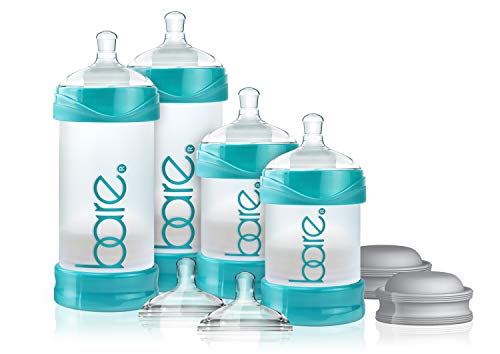
- ✓ Calm feeding rhythm
- ✓ Clear flow control
- ✓ Upright positioning
- ✕ More parts to clean
| Product Name | Bare Air-Free Starter Set feeding system Easy-latch |
| Brand | Bittylab |
| Category | infant feeding / anti-colic bottle system |
| Bottle Type | Air-free feeding system with moving air-plug |
| Key Features | Vertical-upright feeding position, suction-controlled flow, anti-colic with flow-control, pediatrician-endorsed, clinically proven |
| Intended Use | Feeding baby in vertical-upright position to minimize reflux, gas, spit-ups |
| Price | $65.68 |
You’re juggling a fussy baby and a bottle that seems to cause more spit-ups than smiles. The Bare Air-Free Starter Set slides into that morning chaos with a simple, almost quiet trick: the vertical-upright feeding position and a moving air-plug that actually slows the flow.
I watched my little one latch on and stay calm, no frantic gulping, and that alone felt like a small victory.
The textured grip on the bottle feels sturdy in your hand, and the clear, wide neck makes it easy to see how the milk moves. When you’re using the suction to control the pace, the flow stays steady rather than surging forward.
It’s almost like having a guide rail for feeding time.
In practice, the “anti-colic” claim isn’t just marketing fluff. The baby sits upright, and you’re not tilting the bottle horizontally to coax milk out.
That matters when you’re trying to avoid reflux and gas, especially during the night feeds. It’s not just about less spit-up; it’s about a calmer, more predictable feeding routine.
The setup is straightforward, and the instruction emphasis on feeding against gravity feels intuitive once you try it. It’s easy to assemble, and the parts feel easy to clean without snagging tiny bottle fibers.
You’ll notice that the milk stays in the belly more, which translates to longer stretches between feeding frenzies.
If you’re comparing to standard bottles, the Bore Air-Free approach is a different rhythm, but one that pays off in calmer nights and happier mornings. It’s a small adjustment that changes how you approach day-to-day feeding, especially if your little one tends to gulp and spit.
Overall, it’s practical, well-built, and genuinely helpful for parents navigating colic and reflux concerns. You’ll likely reach for it not just for the science, but for the real-world ease of calmer feeds.
What Key Factors Define the Best Science News Feed?
The best science news feed is defined by several key factors that enhance the quality and relevance of the information provided.
- Credibility of Sources: The news feed should prioritize information from reputable sources, such as established scientific journals, universities, and recognized experts in the field. This ensures that the news is accurate, peer-reviewed, and based on solid research rather than speculation or sensationalism.
- Timeliness: A good science news feed should provide timely updates on the latest discoveries, research results, and developments in various scientific disciplines. This helps readers stay informed about current trends and breakthroughs, which is vital in a rapidly advancing field like science.
- Diversity of Topics: It is important for a science news feed to cover a wide range of topics, including physics, biology, environmental science, and technology. This variety keeps the content interesting and allows readers to explore different areas of interest within the scientific community.
- Accessibility of Language: The best science news feeds use clear and engaging language that is accessible to a general audience while still being informative. Avoiding jargon and complex terminology helps ensure that readers of all backgrounds can understand and appreciate the content.
- Interactive Features: Incorporating interactive elements such as videos, infographics, and discussions can enhance user engagement and make the information more digestible. These features provide a richer experience and can help to illustrate complex scientific concepts effectively.
- Regular Updates: Consistency in posting new content is crucial for keeping the audience engaged. A science news feed that updates regularly is more likely to retain readers and build a loyal following, as users will expect fresh and relevant content on a consistent basis.
How Can You Evaluate the Credibility of Science News Sources?
To evaluate the credibility of science news sources, consider the following factors:
- Reputation of the Source: Assess the history and reputation of the news outlet or website. Established media organizations, peer-reviewed journals, and recognized scientific institutions typically adhere to high editorial standards and are more reliable than lesser-known or niche websites.
- Author Expertise: Check the credentials of the article’s author. Authors with advanced degrees in relevant fields or significant experience in science journalism are more likely to provide accurate and well-researched information.
- Citations and References: Look for articles that cite reputable scientific studies or publications. A credible article should reference peer-reviewed research, which adds weight to the claims made and allows readers to verify information independently.
- Quality of Writing: Evaluate the writing quality and style. Credible science articles should be well-structured, free of sensationalism, and avoid overly technical jargon unless necessary, ensuring that the information is accessible and understandable.
- Balanced Reporting: Determine if the article presents multiple viewpoints or covers different aspects of the research. Credible sources strive for balance and do not sensationalize findings or ignore dissenting opinions within the scientific community.
- Fact-Checking Mechanisms: Investigate whether the source has a fact-checking process in place. Organizations that employ fact-checkers or have editorial reviews before publication are generally more reliable in their reporting.
- Clickbait and Sensationalism: Be cautious of headlines that seem overly dramatic or misleading. Reliable science news sources avoid clickbait tactics and instead focus on clear and informative headlines that accurately reflect the content of the article.
- Timeliness and Updates: Check if the source regularly updates its content and stays current with ongoing scientific developments. A credible source will often provide updates on emerging research and correct any inaccuracies as new information becomes available.
Why Is Timeliness Important in Science News Updates?
Timeliness is crucial in science news updates because it ensures that the public receives the most current and relevant information, which can impact public health, policy decisions, and the advancement of knowledge.
According to a study published in the journal “Science Communication,” timely reporting can significantly influence the public’s understanding and engagement with scientific issues (Kahan et al., 2017). Research shows that when science news is disseminated quickly, it can lead to better informed audiences who are more likely to act on new findings, especially in areas such as health and environmental science.
The underlying mechanism of this importance lies in the rapid pace of scientific discovery and the complex nature of scientific information. As new research emerges, outdated information can lead to misunderstandings or misapplications of scientific findings. For instance, real-time updates on vaccine efficacy during a pandemic can shape public perception and behavior, directly affecting health outcomes and the spread of disease. The faster the information is shared, the more likely it is to influence policy and public behavior in a proactive manner, making timely updates essential for effective communication in science.
What Are the Most Popular Science News Feeds Currently Available?
The best science news feeds currently available provide up-to-date information and insights into various scientific fields.
- ScienceDaily: ScienceDaily offers a comprehensive range of articles sourced from various academic journals and institutions, covering topics in science, health, technology, and the environment. The site organizes content by subject, making it easy for readers to find articles that interest them, and it updates frequently, ensuring that users have access to the latest research findings.
- Phys.org: Phys.org is known for delivering breaking news in physics, space, biology, and technology. It features articles written by professional journalists as well as press releases from major scientific institutions, providing a blend of in-depth analysis and quick updates on ongoing research and discoveries.
- Nature News: As part of the prestigious Nature Publishing Group, Nature News provides updates on significant scientific breakthroughs and discussions within the scientific community. The content includes commentary from experts, interviews, and perspective pieces that delve into the implications of new research, making it a valuable resource for both professionals and enthusiasts.
- Scientific American: Scientific American is a long-standing publication that features articles on a wide range of scientific topics, aimed at a general audience. Their news feed offers a mix of news articles, opinion pieces, and in-depth features that explore complex scientific concepts in an accessible way, often accompanied by stunning visuals to enhance understanding.
- New Scientist: New Scientist is a popular science magazine that covers the latest developments in science and technology. Its news feed includes articles on everything from space exploration to medical advancements, and it often provides a quirky or entertaining angle, making science accessible and engaging for readers of all backgrounds.
- National Geographic: National Geographic’s science news feed is renowned for its rich storytelling and stunning photography. It focuses on topics related to the environment, wildlife, and exploration, often highlighting conservation efforts and the impact of climate change, which appeals to readers interested in the intersection of science and nature.
How Do Different Formats Impact the Consumption of Science News?
Different formats significantly influence how audiences consume science news, affecting engagement and understanding.
- Text Articles: Written articles are the traditional format for science news, often providing in-depth analysis and detailed explanations. They allow readers to digest information at their own pace, although they may require more effort to engage with compared to visual formats.
- Podcasts: Audio formats like podcasts enable listeners to absorb science news while multitasking, such as during commutes or workouts. This format can enhance storytelling through the use of tone and interviews, helping to make complex topics more relatable and accessible.
- Videos: Video content combines visuals and audio, making it particularly effective for explaining scientific concepts that benefit from demonstrations, animations, or visual aids. This format often captures attention more readily and can simplify complex information, but it may require more time commitment from viewers.
- Infographics: Infographics present information visually, utilizing charts, images, and concise text to convey scientific data in a digestible manner. They can quickly summarize complex information, making them ideal for social media sharing, but may lack the depth found in longer articles.
- Social Media Posts: Short, concise updates shared on platforms like Twitter or Instagram cater to audiences seeking quick snippets of information. While they can drive traffic to more detailed sources, the brevity of posts can oversimplify complex science topics and lead to misunderstandings.
What Benefits Can Following the Best Science News Feed Provide?
A well-curated science news feed offers numerous benefits to its followers.
- Stay Informed: A best science news feed provides up-to-date information on the latest discoveries, breakthroughs, and research in various scientific fields.
- Diverse Perspectives: Following a variety of sources allows readers to gain insights from different experts, enhancing their understanding of complex topics.
- Critical Thinking Skills: Regular exposure to scientific discussions and debates can sharpen analytical skills, encouraging readers to think critically about the information presented.
- Inspiration for Innovation: Learning about cutting-edge research can spark creativity and inspire new ideas or projects, especially for those in scientific or technical fields.
- Community Engagement: Engaging with a science news feed fosters connection with like-minded individuals and communities, promoting discussions and collaborations.
The best science news feed provides up-to-date information on the latest discoveries, breakthroughs, and research in various scientific fields, ensuring that followers are always aware of what’s happening in the world of science.
Following a variety of sources allows readers to gain insights from different experts, enhancing their understanding of complex topics and presenting a fuller picture of scientific advancements.
Regular exposure to scientific discussions and debates can sharpen analytical skills, encouraging readers to think critically about the information presented and differentiate between credible science and misinformation.
Learning about cutting-edge research can spark creativity and inspire new ideas or projects, especially for those in scientific or technical fields, showing how existing knowledge can be applied in innovative ways.
Engaging with a science news feed fosters connection with like-minded individuals and communities, promoting discussions and collaborations that can lead to further learning and exploration.
How Can You Curate Your Own Personalized Science News Feed?
To curate your own personalized science news feed, you can utilize various tools and techniques that cater to your interests and preferences.
- RSS Feeds: Using RSS feeds allows you to subscribe to your favorite science news websites and receive updates directly in one place. You can aggregate multiple sources into an RSS reader, enabling you to quickly scan headlines and select articles that interest you.
- News Aggregator Apps: Apps like Feedly or Flipboard let you customize your feed based on specific topics or sources. These platforms use algorithms to recommend articles based on your reading habits, helping you discover new content aligned with your interests.
- Social Media Followings: Following relevant science pages and influencers on social media platforms can provide real-time updates and discussions. Tailoring your feed by engaging with specific accounts helps refine the content you see, making it more relevant to your preferences.
- Email Newsletters: Subscribing to newsletters from reputable science publications delivers curated content directly to your inbox. Many organizations offer personalized options where you can select topics of interest, ensuring that the information you receive is aligned with your preferences.
- Podcasts and YouTube Channels: Engaging with science-focused podcasts and YouTube channels allows you to consume content in audio or visual formats. These mediums often provide in-depth discussions and analyses of current science trends and discoveries, tailored to various levels of expertise.
- Online Communities: Joining forums or online communities, such as Reddit’s science subreddits, can offer diverse perspectives and discussions on scientific topics. Participating in these communities enables you to share and receive recommendations, enhancing your overall news feed experience.
What Future Trends Are Shaping Science News Dissemination?
Several future trends are significantly shaping the dissemination of science news:
- Personalization Algorithms: Advances in artificial intelligence are enabling personalized news feeds tailored to individual interests and preferences.
- Multimedia Storytelling: The integration of interactive graphics, videos, and podcasts is enhancing the way science news is presented and consumed.
- Open Access Publishing: A shift towards open access models is making scientific research more accessible, allowing for broader dissemination of findings.
- Social Media Influence: Platforms like Twitter and Instagram are becoming crucial for science communication, allowing scientists to share their work directly with the public.
- Fact-Checking Initiatives: With the rise of misinformation, dedicated fact-checking organizations are becoming essential to ensure the accuracy of science news.
Personalization Algorithms: These algorithms analyze user behavior and preferences to curate a news feed that reflects what an individual is most likely to read and engage with. This trend is particularly significant in the era of information overload, as it helps users sift through vast amounts of content to find the most relevant science news.
Multimedia Storytelling: By combining various media formats, such as videos, podcasts, and interactive infographics, science news is becoming more engaging and easier to understand. This trend caters to diverse learning styles and can make complex scientific concepts more accessible to a broader audience.
Open Access Publishing: The movement towards open access means that scientific research is published in a manner that is freely available to the public, removing paywalls that previously restricted access. This democratization of knowledge is crucial for fostering public understanding and engagement with science.
Social Media Influence: Scientists and organizations are increasingly using social media platforms to reach audiences directly, bypassing traditional media gatekeepers. This trend allows for more immediate communication of scientific findings and fosters a community of science enthusiasts who can share and discuss research with one another.
Fact-Checking Initiatives: As misinformation becomes more prevalent, there is a growing emphasis on verifying the accuracy of science news. Organizations dedicated to fact-checking play a vital role in maintaining credibility within the scientific community and ensuring that the public receives reliable information.
Related Post: