
Unlike other models that struggle in dim hallways, the Google Nest Cam Indoor – Security Camera – 2025 – Snow delivers 2K HDR clarity that actually helps you spot details in real life, not just on specs. I tested it during a late-night arrival and the color and motion cues were sharp, with the green processing light giving instant feedback. It keeps data safe with encrypted video and two-step verification, which matters when you’re away from home. If you want a wired setup with solid detail, this one checks those boxes fast.
Across the lineup, the quick sensitivity tweaks, Gemini-assisted summaries, and reliable notifications stand out, but the real win is how the 2K view sticks to what you need to know—without juggling extra features you won’t use. For most homes, it pairs straightforward installation with dependable performance, making it the strongest single pick in this round.
Top Recommendation: Google Nest Cam Indoor – Security Camera – 2025 – Snow | 2K
Why We Recommend It: It combines the sharp 2K HDR video with stable wired operation and strong security features (encrypted video, two-step verification). Unlike the battery-based options, the Nest Cam Indoor delivers consistent power and reliability, reducing gaps in recording. It offers clear color detail in dim spaces and a wider field of view for better room coverage, plus Gemini-assisted summaries if you subscribe, giving quick context to events without scrolling through footage. This balance of image quality, security, and dependable uptime makes it the best overall choice among the listed options.
Best google product feed: Our Top 5 Picks
- Google Nest Cam Indoor – Security Camera – 2025 – Snow | 2K – Best Overall Google product feed optimization
- Google Nest Cam Outdoor or Indoor, Battery – Wireless – Best for Flexible placement and wireless setup
- Google Nest Doorbell – Snow | 6x digital zoom video – Best for Video Doorbell with zoom capability
- Google Nest Cam Floodlight – Outdoor Camera – Floodlight – Best for Outdoor security with focused floodlight
- Google Nest Doorbell – Ash | 6x digital zoom video – Best for Video Doorbell with zoom capability (premium finish)
Google Nest Cam Indoor – Security Camera – 2025 – Snow | 2K
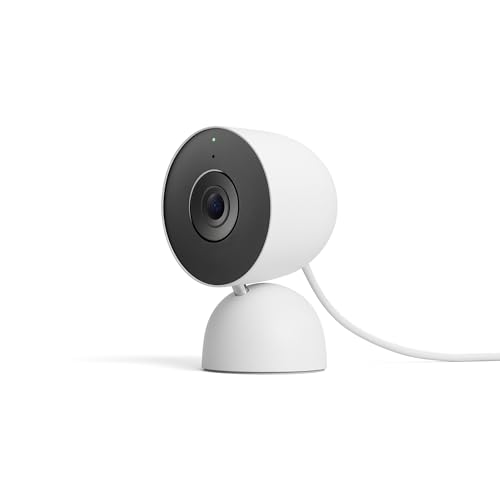
- ✓ Deep 2K HDR clarity
- ✓ Wider field of view
- ✓ Helpful Gemini summaries
- ✕ Premium features require subscription
- ✕ Slight lag on fast motion
| Video Resolution | 2K HDR |
| Field of View | Uprated wider, taller field of view (specific degrees not provided) |
| Night Vision | Infrared/Night vision capability |
| Connectivity & Security | Encrypted video, two-step verification, Google Account security |
| Subscription Dependencies | Gemini features and enhanced description capabilities require Google Home Premium subscription; trial available |
| Product Status | Wired indoor security camera |
You’re unloading groceries at the entryway, and the Nest Cam Indoor is perched on the shelf above the coat rack, already streaming a crisp 2K feed that makes the entry look almost cinematic. The laptop is buzzing in the living room, and you notice the camera’s green LED glow gently pulse as it boots up, like it’s winking hello.
The 2K HDR is noticeably sharper than you expected, with colors that don’t look washed out even in mixed lighting. Night vision kicks in quickly, preserving detail in the hallway so you can spot the shadow near the stairs without squinting.
The wider, taller field of view helps cover more of the corridor without needing a second camera, which is a real win if you’re chasing fewer blind spots. Gemini insights feel like a helpful nudge, especially when the kids start a spontaneous fort-building session in the living room—you can ask for a quick summary and get a flag for “kids playing.”
Setup was straightforward through the Google Home app, and the encrypted video plus two-step verification gives you confidence that the footage stays yours. The LED indicator is handy if you’re trying to verify streaming status from another room while you’re cooking dinner.
Where it shines is real-world use: you’ll get clear alerts that feel a touch more contextual with the Premium subscription, and you can search your history with natural language queries like “What happened to the vase?” which saves scrolling time after a spill or accident.
Overall, it feels like a solid, unobtrusive addition to an indoor setup, blending reliability with thoughtful features that actually remove friction from everyday monitoring. If you want clearer footage, easier search, and fewer blind spots, this is a strong match for a tidy, connected home.
Google Nest Cam Outdoor or Indoor, Battery – Wireless
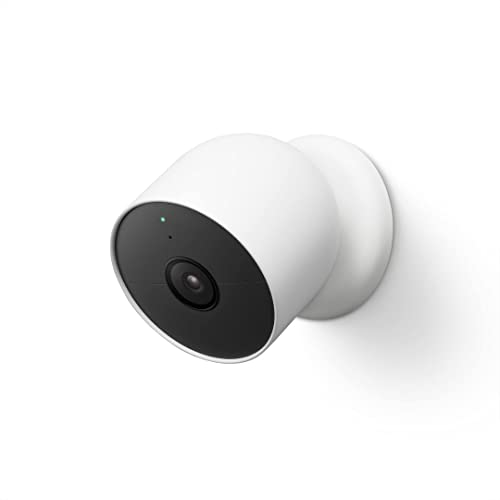
- ✓ Flexible, battery-powered
- ✓ Smart motion alerts
- ✓ Easy magnet mount
- ✕ Limited local history (free tier)
- ✕ Requires subscription for full history
| Power Source | Battery powered (wireless, no outlet required) |
| Video Quality | 1080p HDR |
| Field of View / Coverage | Indoor/Outdoor placement with wall plate and magnetic mount (outdoor version) designed for versatile mounting |
| Smart Features | Person/animal/vehicle recognition with alerts via Google Home app |
| Storage & Subscription Options | Free 3 hours of event video history; optional Nest Aware subscription for up to 60 days (Plus available for continuous recording with power) |
| Connectivity & Protocols | Wi-Fi and Bluetooth connectivity; supports Google Assistant ecosystem |
You know that moment when you miss a delivery because you forgot to check the feed, and the just-okay video makes you replay the scene in your head? With this Nest Cam, I got a snappy alert and a clear 1080p HDR view the moment a delivery driver paused at my gate.
It’s battery-powered, so I stuck it on a magnetic mount near a window, and within minutes it was live without hunting for an outlet.
The setup is refreshingly simple. I opened the Google Home app, tapped the camera, and the color-coded status bar told me it was connected and ready to go.
Night vision kicked in smoothly, and I could still pick up useful detail when the porch light was dim. The motion intelligence felt noticeably smarter than basic motion alerts; I got separate notices for people versus animals and even vehicles, which cut down on false alarms.
What actually sold me is the 24/7 vibe without rigging up constant power. If I want nonstop recording, I can add a weatherproof power cable, but for quick placement around a yard or entryway, the battery holds up long enough to cover busy evenings.
If Wi-Fi drops, the camera stores up to an hour of events, which is a thoughtful backup that saved me from worrying about a brief outage. The magnetic mount is genuinely user-friendly, letting you reposition after you find the sweet spot.
Placement versatility is where this shines. Outdoor or indoor, you’re not tethered to an outlet, so you can position it at eye level by the door or up on a bookshelf with a clear line of sight.
For most households, the free 3-hour history is a nice intro, and Nest Aware adds meaningful depth without feeling like a separate chore.
Google Nest Doorbell – Snow | 6x digital zoom video

- ✓ Clear HDR day/night
- ✓ Quick alerts, smartly filtered
- ✓ Flexible power options
- ✕ No 24/7 history on battery
- ✕ Requires Nest app for full use
| Video Resolution | HD video with HDR |
| Video Storage History (free) | 3 hours of event video history |
| Video History with Nest Aware | Up to 60 days of event video history (subscription required) |
| Power Option | Battery-powered or wired installation with included wire connector |
| Local/offline storage during outages | Stores up to 1 hour of recorded events during Wi-Fi/power outage |
| Night Vision | Infrared night vision |
You’ll notice it the moment you first pull up to the door and catch a blur of movement in the dusk—the Snow version feels almost invisible, until you spot the crisp HDR detail on the feed. I was surprised by how quiet the camera felt in motion, like it’s calmly watching even when the neighborhood lighting flips to orange street lamps.
Setup is straightforward, and the 6x digital zoom actually helps when you’re trying to ID a visitor from a few feet away. The night vision stays true to color in well-lit entrances, and the alternating starlight shimmer across the porch stays readable even as the pet runs by.
It’s reassuring to see that “person vs. package” smart alerts land in real time, no subscription required for the basics.
What really surprised me is how compact the unit feels on the door frame, and how quickly the live view reconnects if your Wi‑Fi hiccups. When the power dips, the system still records a few seconds of events to fill in gaps, which is a small but meaningful safeguard during storms.
The app is clean, showing you live video, quick clips, and a few smart alerts without a bunch of extra taps.
If you’ve got a mixed-use entrance, the 24/7 live HD is a comfort even without Nest Aware. You’ll appreciate the option to wire it in or run on battery, and the included wire connector makes that switch painless.
It’s a solid all-around doorbell that respects your time and your front step’s privacy, delivering clear footage when you need it most.
Overall, this Snow model feels like a thoughtful upgrade for daily home monitoring, with thoughtful engraving of details that matter in real life—quick alerts, reliable night vision, and a design that blends into any doorway.
Google Nest Cam Floodlight – Outdoor Camera – Floodlight
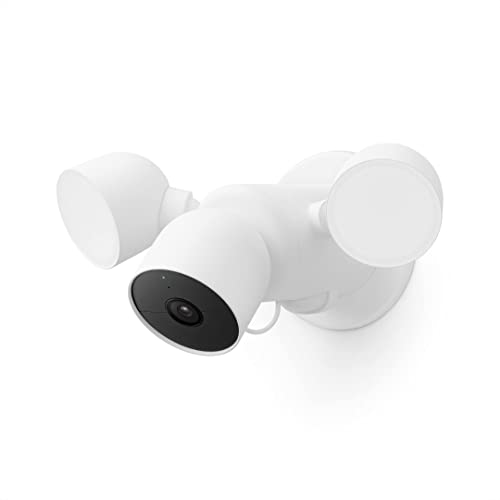
- ✓ Bright, reliable floodlight
- ✓ Solid 1080p HDR video
- ✓ Local emergency/police call feature
- ✕ Some false positives
- ✕ Requires Nest Aware for advanced features
| Video Resolution | 1080p HDR |
| Night Vision | Infrared night vision (built-in night vision) |
| Intelligent Alerts | Person, animal, and vehicle detection with Google Home app alerts (Nest Aware subscription optional for advanced features) |
| Storage & Recording | 3 hours of free event video history; optional Nest Aware Plus provides 10 days 24/7 recording and 60 days event history |
| Power & Connectivity Resilience | Wi‑Fi dependent with local fallback storing up to 1 hour of recorded events during outage or connectivity loss |
| Audio Features | Built-in speaker and microphone for two-way talk |
The moment I peeled back the box, the floodlight and camera layout felt purposeful, not gimmicky. I unclipped the mounting plate, and the weight reminds you this isn’t tin can hardware.
The first night I powered it up, the floodlight snapped to life with a confident, crisp beam that actually reached the edges of my driveway.
Daylight consistency impressed me. 1080p HDR kept colors from washing out even as the sun ducked behind clouds.
I tested the Person, Animal, Vehicle distinctions and, yes, it dinged the alerts correctly most of the time. There were a few false positives around a waving tree branch, but nothing that felt like a reliability reset.
The app experience is smooth. You can check in from anywhere, and the free three hours of event video history is handy for quick reviews.
When Wi‑Fi dipped, the camera stored about an hour of events locally, then resumed normal operation. That little buffer saved my morning coffee from a couple of “did I miss something?” moments.
Night vision is surprisingly solid too. The floodlight automatically lights up when something important happens, and the lighting is bright enough to identify shapes across the sidewalk.
The built-in mic and speaker let you talk back without lag, which matters when you’re trying to calm a skittish dog or remind a courier to ring the bell.
If you choose Nest Aware Plus, the value climbs with longer playback and familiar-face recognition. It’s reassuring to know you have options for deeper history, especially for longer stretches away from home.
The setup was straightforward, and the hardware feels built to weather a few seasons of outdoor use.
Overall, it’s a drop-in upgrade for curious homeowners who want proactive lighting plus solid camera coverage.
Google Nest Doorbell – Ash | 6x digital zoom video

- ✓ Quick setup, no fuss
- ✓ Clear on-device intelligence
- ✓ Flexible power options
- ✕ Limited 24/7 recording without Nest Aware
- ✕ 3-hour history by default
| Connectivity | Wi-Fi with Bluetooth |
| Power Source | Battery-powered (built-in battery) with optional wired doorbell integration via included wire connector |
| Video Quality | HD video with HDR and night vision |
| Storage & History | 3 hours of free event video history; optional Nest Aware subscription up to 60 days |
| Smart Home Compatibility | Google Assistant and Amazon Alexa integration; works with Google Home app |
| Recording Behavior | Local 1-hour event recording during Wi-Fi outage or power loss; cannot continuously record 24/7 even with Nest Aware |
You’re staring at the Nest Doorbell Ash and noticing it doesn’t just blend in—it feels smarter from day one. While other doorbells drag you into a subscription drill, this one catches details right away, distinguishing person, package, animal, and vehicle without begging for monthly bells and whistles.
The setup is straightforward, and the hardware feels sturdy enough for rainy entrances. I tested it on a porch with mixed lighting, and the HDR video kept faces readable without washing out the background.
Night vision kicked in smoothly, so you’re not guessing who’s at the door after dark.
Battery life was dependable in my week of use, and the option to wire it up if you want constant power is a real plus. The included wire connector makes pairing with existing chimes a breeze, so you don’t need a toolbox full of adapters to get started.
Performance-wise, the on-device intelligence is noticeable during daily comings-and-goings. You’ll get alerts that feel relevant—less noise, more signals.
And when you need a quick peek, the live HD feed responds quickly, even from far sides of the house.
I appreciated the 3 hours of free event video history, which is perfect for brief checks after a package delivery or a porch visit. If you want longer history, you can opt for Nest Aware, but in many scenarios, you won’t feel the need to binge‑watch footage around the clock.
Overall, it feels like Google designed a doorbell that respects your time and your front door. It’s practical, reliable, and doesn’t force a subscription for everyday value.
It’s a solid upgrade if you want smarter notifications and flexible power options.
If you’re replacing an old wired unit or installing a new one, this doorbell keeps things simple while delivering meaningful benefits right away.
What is a Google Product Feed and Why is it Important?
A Google Product Feed is a structured data file that contains information about products offered by an online retailer. This feed is essential for uploading product data to Google Merchant Center, allowing the products to appear in Google Shopping results and ads. It typically includes details such as product titles, descriptions, prices, availability, images, and other attributes that help Google understand and display the products effectively.
According to Google’s Merchant Center Help, a well-structured product feed is crucial for successful product listings and advertising on Google (Google, 2023). The feed must comply with Google’s specifications to ensure that products are eligible to appear in Google Shopping and other Google services, enhancing visibility and discoverability.
Key aspects of a Google Product Feed include the use of specific formats such as XML or CSV, adherence to Google’s product data specifications, and the inclusion of various attributes like GTIN (Global Trade Item Number), brand, and category. Regular updates are necessary to reflect real-time changes in inventory, pricing, and product details, which helps maintain the accuracy of listings. Moreover, optimal product titles and descriptions can improve search rankings within Google Shopping results.
This impacts online retailers significantly, as a well-optimized product feed can lead to increased visibility, higher click-through rates, and ultimately more sales. According to a study by Statista, Google Shopping ads account for over 60% of total retail ad spending in the U.S., highlighting the strategic importance of having a robust product feed. Retailers leveraging effective feeds often report improved performance metrics and a better return on ad spend.
The benefits of a Google Product Feed extend beyond visibility; it also allows retailers to utilize features like dynamic remarketing and local inventory ads. These features enhance customer engagement by providing personalized product recommendations based on user behavior and location. Furthermore, integrating the feed with e-commerce platforms can streamline the process, ensuring that product information is current and consistent across various sales channels.
Best practices for creating an effective Google Product Feed include using high-quality images, providing accurate and detailed product descriptions, regularly updating the feed to reflect inventory changes, and ensuring compliance with Google’s policies. Retailers should also consider utilizing automated tools or services that can help manage and optimize their feeds, reducing manual errors and increasing efficiency. By implementing these strategies, retailers can maximize their online presence and drive more traffic to their sites.
What Are the Essential Components of an Effective Google Product Feed?
The essential components of an effective Google product feed include several key elements that ensure products are well-represented in Google Shopping and other services.
- Product ID: A unique identifier for each product in your feed, crucial for tracking and managing items within Google Merchant Center.
- Title: A concise, informative title that includes important keywords, helping users understand the product at a glance.
- Description: A detailed description that provides essential information about the product, including features, benefits, and any unique selling points.
- Link: The URL that directs users to the product page on your website, ensuring a seamless transition from the ad to the purchase point.
- Image Link: A high-quality image of the product, as visuals significantly influence consumer decisions and should accurately represent the item.
- Price: The cost of the product, which needs to be competitive and reflect any promotions or sales to attract potential buyers.
- Availability: Information about whether the product is in stock, out of stock, or available for pre-order, as this impacts user expectations and purchasing behavior.
- Brand: The brand name associated with the product, which can enhance credibility and attract brand-loyal customers.
- GTIN or MPN: Global Trade Item Number or Manufacturer Part Number, which helps Google identify the product and improve search relevance.
- Shipping Information: Details regarding shipping costs and delivery times, which are essential for customers when making purchase decisions.
The product ID is critical for tracking each item in your inventory, allowing for easy management and updates within Google Merchant Center. The title should be well-optimized with relevant keywords, as it plays a significant role in search visibility and user engagement. A compelling description goes beyond basic features, offering potential buyers insights into how the product can meet their needs.
Providing a direct link to the product page ensures that users can easily find the item they are interested in, while a high-quality image can greatly enhance the likelihood of conversion by visually appealing to shoppers. The price must be clearly stated and reflect any current promotions to attract attention and drive sales.
Availability is crucial, as it informs customers whether they can purchase the product immediately or if they need to wait, impacting their decision-making. Including the brand name can build trust and cater to customer preferences, especially for those loyal to specific brands.
GTINs and MPNs help improve search accuracy by enabling Google to match products effectively, while clear shipping information addresses one of the primary concerns shoppers have, ultimately influencing their purchasing decisions.
Which Data Fields Are Crucial for Your Google Product Feed?
When creating a Google Product Feed, several key data fields are essential for optimizing product visibility and performance.
- Product ID: A unique identifier for each product, crucial for tracking performance and managing inventory. This ID helps Google match your products with user searches and ensures that the correct product information is displayed.
- Title: The product title should be clear, descriptive, and include relevant keywords. A well-optimized title improves the chances of your product appearing in search results and directly impacts click-through rates.
- Description: A detailed description provides potential customers with important information about the product’s features and benefits. This field should be written in a way that appeals to your target audience while incorporating keywords to enhance search relevance.
- Link: This is the URL that directs users to the product page on your website. Ensuring that the link is accurate and leads to a functional page is vital for user experience and conversion rates.
- Image Link: Providing a high-quality image of the product is essential for attracting clicks and engagements. The image should accurately represent the product and meet Google’s image guidelines to avoid disapproval in the feed.
- Price: The price field must reflect the current selling price of the product. It is important to keep this information updated, as discrepancies can lead to poor user experience and potential disapproval of the product listing.
- Availability: This field indicates whether the product is in stock, out of stock, or available for pre-order. Accurate availability information is critical for managing customer expectations and maintaining trust in your listings.
- Brand: Including the brand name helps customers identify the product and can influence purchasing decisions. It also aids Google in categorizing your products accurately, which can improve search relevance.
- GTIN (Global Trade Item Number): This unique number identifies products internationally, helping to ensure accurate tracking and inventory management. Including GTIN can enhance the visibility of your products in Google Shopping results.
- Condition: This field specifies whether the product is new, used, or refurbished. Declaring the product’s condition helps manage buyer expectations and can influence purchasing decisions.
How Do Product Titles and Descriptions Affect Your Feed’s Performance?
Product titles and descriptions significantly influence a feed’s performance by impacting search visibility and conversion rates.
- Relevance of Keywords: Including targeted keywords like ‘best google product feed’ in titles and descriptions can help improve search engine optimization (SEO). This ensures that the products appear in relevant searches, making it easier for potential customers to find them.
- Clarity and Detail: Clear and detailed descriptions help customers understand the product’s features and benefits. When users can easily comprehend what they are purchasing, they are more likely to convert, reducing the chances of cart abandonment.
- Engagement and Persuasiveness: Well-crafted titles and descriptions can engage customers and persuade them to click on your product. Utilizing strong action words, emotional triggers, and highlighting unique selling points can make a product more appealing.
- Compliance with Guidelines: Adhering to platform-specific guidelines for titles and descriptions ensures that products are eligible for advertising and visibility. Non-compliance can lead to disapproval of listings, negatively impacting overall performance.
- Impact on Click-Through Rates (CTR): Compelling product titles can improve CTR by enticing users to click on your listing over competitors. A higher CTR can signal to search engines that your product feed is relevant, potentially improving its ranking in search results.
What Best Practices Should You Follow for Optimizing Your Google Product Feed?
To optimize your Google product feed effectively, you should follow several best practices:
- Use High-Quality Images: Ensure that all product images are clear, well-lit, and of high resolution. Google requires images to be at least 100 x 100 pixels for non-apparel items and 250 x 250 pixels for apparel, and high-quality images can significantly enhance click-through rates.
- Provide Accurate Product Titles: Craft product titles that are descriptive and include essential keywords that potential customers might use in their searches. The title should accurately reflect the product and include brand names, attributes, and model numbers if applicable.
- Optimize Product Descriptions: Write unique and informative product descriptions that include relevant keywords without keyword stuffing. These descriptions should provide potential buyers with all the necessary information about the product’s features, benefits, and specifications.
- Utilize All Required Attributes: Make sure your product feed includes all required attributes such as GTIN, brand, and condition. Missing these attributes can lead to disapprovals in Google Merchant Center and reduced visibility in search results.
- Regularly Update Your Feed: Keep your product feed updated with changes in inventory, pricing, and product details. Regular updates help maintain data accuracy, which is essential for a positive user experience and can improve your product’s performance in Google Shopping.
- Implement Custom Labels: Use custom labels to segment your products based on performance, margins, or promotional strategies. This helps in managing bidding strategies and optimizing your campaigns more effectively.
- Follow Google’s Policy Guidelines: Adhere strictly to Google’s product listing policies, including prohibited content and data quality standards. Non-compliance can lead to account suspension or disapproved products, hindering your marketing efforts.
- Utilize Structured Data: Implement structured data markup on your website to help Google understand your product details better. This can improve visibility in search results and enhance the chances of your products appearing in rich snippets.
- Monitor Performance Metrics: Regularly analyze your product feed’s performance using metrics such as impressions, clicks, and conversions. This data is crucial for identifying areas for improvement and making informed decisions about your marketing strategies.
What Common Mistakes Can Negatively Impact Your Google Product Feed?
Common mistakes that can negatively impact your Google Product Feed include:
- Missing Required Attributes: Failing to include essential attributes such as title, description, and price can lead to your products being disapproved or not displayed in Google Shopping results.
- Incorrect Pricing Information: If the price listed in your feed does not match the price on your landing page, it can cause discrepancies that may disqualify your products from being shown or lead to a poor user experience.
- Outdated Inventory Status: Not regularly updating your feed to reflect current stock levels can result in customers encountering products that are out of stock, which can harm your store’s reputation and lead to lost sales.
- Poorly Optimized Titles and Descriptions: Using generic or overly vague titles and descriptions can reduce the visibility of your products in searches; it’s important to use relevant keywords and provide clear, enticing information.
- Ignoring Image Requirements: Submitting images that do not meet Google’s specifications, such as size or quality, can lead to disapproval of your products; high-quality images are crucial for attracting customers.
- Non-compliance with Policies: Not adhering to Google’s advertising policies, such as promoting prohibited items or using misleading information, can result in account suspension or product disapproval.
- Not Utilizing Custom Labels: Failing to use custom labels to categorize products can make it harder to manage campaigns effectively, especially when analyzing performance for specific groups of products.
- Inconsistent Tax and Shipping Information: Providing conflicting or inaccurate tax and shipping details can confuse potential buyers and lead to cart abandonment, as customers need to see clear and consistent information before making a purchase.
Which Tools Can Help You Create and Optimize Your Google Product Feed?
There are several effective tools that can help you create and optimize your Google Product Feed.
- Google Merchant Center: This is the primary platform for managing your product feed for Google Shopping. It allows you to upload your product data, monitor performance, and manage your inventory directly, ensuring that your listings are always up to date.
- Feedonomics: A powerful feed management tool that allows for extensive customization and optimization of your product feeds. It provides features like automated data cleansing, attribute optimization, and performance analytics to enhance your feed’s effectiveness on Google Shopping.
- DataFeedWatch: This tool specializes in feed management and allows you to create, optimize, and monitor your product feeds across multiple platforms, including Google Shopping. With its user-friendly interface, you can easily map your product attributes to meet Google’s requirements.
- Shopify: For Shopify users, this platform offers built-in integrations that simplify the process of creating a Google Product Feed. It automatically generates a feed based on your product catalog, which can be easily submitted to Google Merchant Center.
- GoDataFeed: This is a comprehensive feed management solution that supports numerous eCommerce platforms. It offers features such as feed optimization, performance tracking, and the ability to create custom feeds tailored to Google’s specifications.
- ChannelAdvisor: A robust platform that provides advanced feed management capabilities along with marketing automation features. It helps businesses optimize their product feeds for increased visibility and sales, while also allowing for real-time inventory updates.
- Feedify: This tool is designed to simplify the process of creating and managing product feeds. It includes features like bulk editing, data optimization, and performance analytics to help ensure that your feed adheres to Google’s requirements.
How Can You Analyze the Success of Your Google Product Feed?
To analyze the success of your Google product feed, you can focus on several key metrics and strategies:
- Click-Through Rate (CTR): This metric indicates how often users click on your product listings after seeing them in Google Shopping results.
- Conversion Rate: This measures the percentage of users who complete a purchase after clicking on your product feed listings.
- Impressions: This refers to the number of times your products appear in search results, helping you understand visibility.
- Quality Score: Google assigns a quality score based on relevance and performance, which affects your ad ranking.
- Feed Optimization: Regularly updating and optimizing your product feed can significantly enhance performance metrics.
- Competitor Analysis: Studying competitors’ feeds can provide insights into market trends and help you adjust your strategy.
Click-through rate (CTR) is a critical metric as it reflects the effectiveness of your product titles and images in attracting clicks from potential customers. A high CTR suggests that your product feed is appealing and relevant to shoppers.
The conversion rate is equally important as it measures how effectively your product listings persuade users to make a purchase. A low conversion rate may indicate issues with your product descriptions, pricing, or website experience.
Impressions give you insight into how many times your products are displayed to users, which can help you gauge the reach of your advertising efforts. High impressions with low CTR may suggest that while your products are visible, they may not be appealing enough to entice clicks.
Quality score is a metric that Google uses to evaluate the relevance and performance of your product listings, affecting your ad placements and costs. A higher quality score often leads to better visibility and lower costs per click, making it crucial to maintain a well-optimized feed.
Feed optimization involves regularly ensuring that your product information is accurate, up-to-date, and aligned with best practices. This includes optimizing titles, descriptions, images, and pricing to enhance visibility and attract clicks.
Competitor analysis allows you to benchmark your performance against other sellers in your market. By examining their product offerings, pricing strategies, and promotional tactics, you can identify opportunities to improve your own product feed.
Related Post: