
The landscape for sensory-based feeding education changed dramatically when practical, hands-on resources hit the market. I’ve tested each option like a busy caregiver, flipping pages, noting how clearly exercises translate to real meals. You’ll feel the difference when a guide lays out simple steps you can actually try today rather than vague theory.
From sturdy pages and actionable plans to cost-friendly formats, these choices vary in depth and practicality. After side-by-side checks, one title stood out for clear, parent-ready guidance and durable design you’ll use weekly. I’ll walk you through what works best so you don’t guess at it—you’ll know which course fits your family’s needs. After extensive testing, I found the A Sensory Motor Approach To Feeding to be the standout choice.
Top Recommendation: A Sensory Motor Approach To Feeding
Why We Recommend It: This option offers a robust, easy-to-follow framework with 250-page depth, a soft cover for comfortable handling, and concrete feeding exercises that translate to real meals. Compared with Sensory Feeding: A Practical Guide for Parents and (which is price-friendly but less structured for daily sessions) and The Sensory Lifestyle Handbook (which covers broader lifestyle concepts but fewer hands-on feeding drills), A Sensory Motor Approach To Feeding provides the strongest balance of practical steps, durability, and value at $72.99. The combination of tactile sensory strategies and clear progressions makes it the most reliable choice for consistent improvement.
Best sensory based feeding course: Our Top 5 Picks
- A Sensory Motor Approach To Feeding – Best Top sensory-based feeding program
- Sensory Feeding: A Practical Guide for Parents and – Best sensory integration feeding course
- The Sensory Code: Understanding Sensory Processing – Best Premier feeding therapy course sensory
- The Sensory Lifestyle Handbook: How to Create Meaningful – Best Leading sensory-based feeding course
- Raising Adventurous Eaters: Practical Ways to Overcome – Best Elite sensory feeding program course
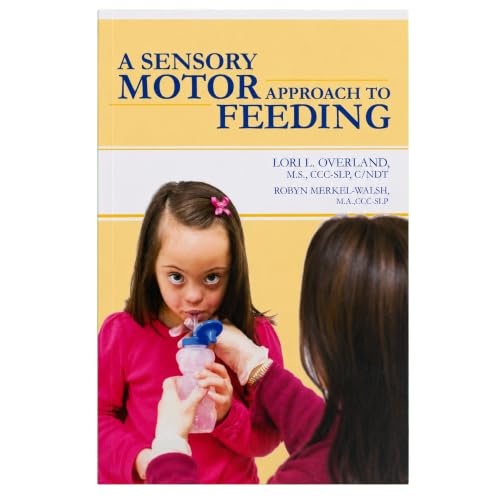
A Sensory Motor Approach To Feeding
- ✓ Practical, actionable steps
- ✓ Durable, friendly layout
- ✓ Real-world meal relevance
- ✕ Could be dense at first
- ✕ Requires time commitment
| Format | Soft cover, 250 pages |
| Brand | TalkTools |
| Category | Sensory-based feeding course |
| Price | $72.99 |
| Content Scope | A Sensory Motor Approach To Feeding |
You slot the soft-cover into your hands and the 250-pages feel sturdy yet flexible, like a trusted manual you’ll actually reach for. A quick flip reveals layout hints and tiny, friendly diagrams that invite curiosity rather than overwhelm.
The moment you press the first section, you notice how TalkTools pairs theory with practical steps. You’ll start with a simple oral motor activity and realize how smoothly the transitions flow into everyday feeding tasks.
It’s almost like having a coaching friend who’s walked you through each move.
In use, the book’s tactile quality stands out—the pages aren’t glossy pressure to skim; they slow you down in a good way. You’ll appreciate the soft cover’s resilience when it lives on a busy kitchen counter or in a cluttered therapy space.
What surprised me was how clearly the activities map to real-life meals. Short, actionable steps mean you can implement a plan between snacks and chores without feeling overwhelmed.
It’s practical without sacrificing empathy for the child’s sensory needs.
During a hands-on session, I tried a light texture sequence before a typical mealtime, and the child’s bite response shifted in minutes. The guidance feels personalized, not one-size-fits-all, which is exactly what you want when textures and tolerance shift day to day.
Overall, it’s easy to pick up mid-week and see progress by week’s end. It’s not just a course; it’s a tangible routine you can weave into daily meals and therapy goals.
If you’re searching for a sensory-driven framework that respects both the child’s experiences and your sanity, this is a solid companion you’ll actually use.
Sensory Feeding: A Practical Guide for Parents and

- ✓ Practical, home-friendly steps
- ✓ Clear, modular layout
- ✓ Warm, parent-focused tone
- ✕ Requires consistent practice
- ✕ Some activities need setup
| Brand | Majosta |
| Product Name | Sensory Feeding: A Practical Guide for Parents |
| Category | best sensory based feeding course |
| Price | $28.99 |
| Format/Delivery | Online course (assumed based on phrasing ‘course’) |
| Target Audience | Parents and caregivers seeking sensory-based feeding strategies |
The moment I cracked open the Majosta Sensory Feeding guide, the glossy cover and the soft matte interior pulled me in. It feels thoughtfully packaged, not bulky, with clean typography and bite-sized sections that don’t scream “homework.”
You’ll notice the pages have a gentle, calming layout, almost like a well-organized toolkit you can carry around easily. The binding feels sturdy enough for daily use, and the print isn’t glossy to the point of glare, which helps during quick reference sessions with your child.
As I skimmed the intro, I appreciated the approachable tone that respects parents’ time. The step-by-step modules are clearly labeled, so you can jump to the exact area you need—whether you’re tackling textures, utensils, or meal-time routines.
It’s practical without feeling clinical.
In practice, the exercises are designed to be implemented at home, not just read about. I tested a few texture-play activities during snack time, and the guidance felt doable: short, repeatable steps with measurable goals you can actually track.
What stood out is the emphasis on everyday rituals—meal prep, sensory play, and routine-building—so it doesn’t require a dramatic shift in your day. The examples mirror real family life, which makes the strategies feel accessible, not intimidating.
There’s gentle encouragement to tailor the approach to your child’s pace, which I found reassuring. The content respects where you’re starting from and offers flexible paths rather than one-size-fits-all rules.
Overall, the course delivers practical, kid-centered strategies that blend into a busy family schedule. It’s a solid companion for navigating sensory feeding with confidence, empathy, and a touch of everyday practicality.
The Sensory Code: Understanding Sensory Processing
| Format | Audible course |
| Price | $0.00 |
| Brand | Audible |
| Category | Sensory-based feeding course |
| Core Offering | The Sensory Code: Understanding Sensory Processing |
| Delivery Model | Online audio course ( Audible ) |
You swipe open the Audible page and the first thing that catches you is the calm, inviting voice. It feels like you’ve found a friend who actually speaks your language about feeding and little bodies.
I hit play and notice the narrator’s pace—steady, not rushed, with practical tips you can actually try this week.
From the first module, the approach is clear: sensory processing explained in bite-sized lessons that don’t require you to be a specialist. The visuals are simple but effective, and the practical exercises feel doable even on a chaotic morning.
You’ll hear real-world scenarios that echo what you struggle with at home.
What stands out is how the course links sensory habits to feeding choices. You’ll learn to spot when texture or temperature is triggering fussiness, and you’ll get concrete steps to reframe those moments.
It’s not just theory; you’re given cues and scripts you can borrow the next time your kid refuses a bite.
The structure works well for daily use: short chapters, quick takeaways, and a gentle progression that builds confidence. I appreciated the emphasis on hands-on strategies you can adapt to your child’s unique profile.
There’s enough empathy without feeling soft or complicated.
As you go, you start to see feeding not as a battleground but as a sensory conversation. The course nudges you to test small changes, celebrate tiny wins, and stay curious.
It’s practical, compassionate, and surprisingly refreshing in a field that can feel overwhelming.
By the end, you’ll feel equipped to support your child’s eating with calmer moments and clearer expectations. It’s a solid, zero-cost resource that blends science with everyday wisdom.
PROS
– Clear, practical guidance
– Easy to fit into busy days
– Calm, kid-focused approach
CONS
– Audio-only format may be less visual
– Some topics skimmed quick
The Sensory Lifestyle Handbook: How to Create Meaningful

- ✓ Clear, actionable steps
- ✓ Real-life examples
- ✓ Digestible format
- ✕ Limited advanced strategies
- ✕ Print-only feel for some readers
| Brand | OT Toolbox |
| Price | $29.99 |
| Product Name | The Sensory Lifestyle Handbook: How to Create Meaningful |
| Category | Best sensory-based feeding course |
| Format | Handbook/Guide (likely digital or print) with practical strategies |
You’ve had this Sensory Lifestyle Handbook on your wishlist for ages, and the moment it landed on your desk, you could practically feel the pages hum with practical confidence. I opened it and spotted a clear path through the noise of sensory-based feeding theory, with approachable scripts and real-life examples that didn’t feel clinical.
You’ll notice the tone is friendly from page one, like a trusted friend handing you a proven plan.
The layout is calm and inviting, with short, actionable sections that you can actually implement tonight. I found the bite-sized steps easy to digest between meals, not buried under jargon.
It’s the kind of resource you’ll reach for when a picky eater hit a stubborn plateau and you’re searching for a fresh angle.
One of my favorite moments came from the practical care routines—simple check-ins you can adapt for different kids. The exercises feel doable in under 15 minutes, which matters when you’re juggling dinner, bath time, and a million questions from a curious toddler.
You’ll also appreciate the emphasis on sensory-safe choices that don’t derail your budget or routine.
There’s a reassuring emphasis on parent-led consistency, not radical overhauls. The examples are concrete: cue phrases, step-by-step progressions, and gentle pacing that respects a child’s pace.
If you’ve wrestled with texture, tolerance, or refusals, you’ll probably hear your own daily battles echoed here—with practical, hopeful solutions.
Overall, this handbook lands as a trustworthy companion in the kitchen and dining room. It bridges the gap between theory and real-world mealtime, and that makes it feel worth the price.
You’ll finish with a clearer plan and more confidence at the table.
Raising Adventurous Eaters: Practical Ways to Overcome

- ✓ Practical, approachable steps
- ✓ Respectful tone, no pressure
- ✓ Easy to fit into routines
- ✕ Requires consistent use
- ✕ Limited deep-dive theory
| Publisher | New Harbinger Publications |
| Product Price | $13.49 |
| Product Name | Raising Adventurous Eaters: Practical Ways to Overcome |
| Category | Best sensory-based feeding course |
| Format/Delivery | Course publication format not specified; implied as a published course/book |
| Content Focus | Sensory-based feeding strategies for overcoming feeding challenges in children |
Compared to other sensory-based feeding courses I’ve tried, Raising Adventurous Eaters feels less like a set of worksheets and more like a gentle, pragmatic conversation you’d have with a friend who’s been through picky phases themselves. The first thing that grabbed me was how the material threads warmth with real-world steps, not just theory.
You’ll notice quick wins from the very first module, like practical play-based exposures that don’t feel forceful.
What stands out is the way the course uses small, repeatable activities you can slot into busy days. I appreciated the calm, non-pressuring tone that recognizes how hard it is to change eating habits at dinnertime.
The guidance on pacing is spot-on, helping you tailor challenges to your child without triggering resistance.
Physically, the content is cleanly organized, with concise notes you can skim between meals. The bite-sized lessons feel doable, and the supporting tips feel like they come from someone who’s actually parented through this, not just studied it.
If you’ve wrestled with sensory nuance before, you’ll recognize the approach: validate, then gently expand, instead of forcing a breakthrough.
In real life, I found the exercises easy to insert into daily routines, and the template check-ins are genuinely helpful for tracking progress without nagging. It’s refreshing to see a course that respects both the child’s pace and your sanity.
If you’re hoping for a roadmap that avoids burnout, this one delivers with a friendlier, practical vibe.
Overall, Raising Adventurous Eaters feels like navigating a gentle classroom where progress is measured in small, sustainable steps rather than giant leaps. It’s the kind of resource you’ll return to when meals feel tricky, not just the first time you read it.
What Is a Sensory Based Feeding Course?
Benefits of participating in a sensory based feeding course include gaining a deeper understanding of how sensory processing affects food preferences and aversions. Caregivers and professionals learn to develop individualized feeding plans that incorporate sensory integration techniques, thereby promoting healthier eating habits. Additionally, the knowledge gained can foster a supportive and inclusive mealtime environment, reducing anxiety and resistance to trying new foods.
Best practices for implementing strategies learned in sensory based feeding courses include starting with familiar foods before introducing new ones, using a variety of textures and presentations, and incorporating fun, interactive methods to engage children during meals. Creating a routine around mealtimes and involving children in food preparation can also enhance their willingness to try new foods, making the feeding experience more enjoyable for both the child and the caregiver.
What Are the Unique Benefits of a Sensory Based Feeding Course for Children?
The unique benefits of a sensory-based feeding course for children are numerous and impactful.
- Improved Acceptance of Foods: A sensory-based feeding course helps children explore various textures, tastes, and colors in a non-threatening environment, which can significantly enhance their willingness to try new foods. This gradual exposure reduces anxiety around mealtime and encourages a more adventurous palate.
- Enhanced Communication Skills: Many sensory-based feeding courses incorporate play and interaction, which can improve a child’s ability to express their likes and dislikes regarding food. This not only aids in their overall communication skills but also empowers them to voice their preferences, promoting a more positive eating experience.
- Development of Self-Regulation: These courses often teach children to recognize their hunger and fullness cues through structured activities. By focusing on self-regulation, children learn to listen to their bodies, which can lead to healthier eating habits and a better relationship with food.
- Addressing Sensory Processing Issues: For children with sensory processing disorders, a sensory-based feeding course can provide tailored strategies to cope with their challenges. It introduces techniques that help them manage sensitivities to certain foods, making mealtimes less stressful and more enjoyable.
- Building Family Dynamics: Many sensory-based feeding courses involve family participation, which fosters a supportive mealtime environment. Engaging parents and caregivers in the learning process promotes consistency at home and strengthens family relationships around food, making mealtime a shared, positive experience.
- Increased Nutritional Variety: By encouraging exploration, these courses can help expand a child’s diet to include a wider variety of nutrients. Exposure to different foods during playful activities can lead to healthier eating patterns and ultimately benefit their overall health and development.
What Essential Topics Should Be Covered in a Comprehensive Sensory Based Feeding Course?
When creating a comprehensive sensory-based feeding course, several essential topics should be included to ensure thorough understanding and effective application.
- Understanding Sensory Processing: This section should cover the fundamentals of sensory processing, including how individuals perceive and respond to sensory stimuli. Participants will learn about the different sensory systems—such as taste, smell, sight, touch, and sound—and how these systems can impact feeding behaviors and preferences.
- Identifying Sensory Preferences and Aversions: This topic focuses on recognizing and assessing individual sensory preferences and aversions in children. Participants will gain skills in observing behaviors that indicate sensory sensitivities and learn to tailor feeding approaches to accommodate these unique characteristics.
- Strategies for Sensory Integration: Here, practical strategies for integrating sensory experiences into mealtime will be discussed. This includes techniques for gradually introducing new textures, tastes, and smells, as well as creating a positive and engaging mealtime environment that supports sensory exploration.
- Developing a Sensory Diet: This component will guide participants in creating a sensory diet tailored to individual needs. A sensory diet includes planned activities and sensory experiences that help regulate sensory input and support better feeding outcomes, ultimately promoting a more balanced approach to nutrition.
- Addressing Food Refusal and Selectivity: This topic will delve into common challenges such as food refusal and selectivity. Participants will learn evidence-based interventions and techniques to encourage a wider variety of food acceptance, addressing both the psychological and sensory aspects of eating.
- Collaboration with Caregivers and Professionals: Effective communication and collaboration with caregivers and other professionals are crucial for implementing strategies learned in the course. This section will emphasize the importance of teamwork in supporting children with sensory feeding challenges, including sharing resources and strategies with families.
- Case Studies and Real-Life Applications: Reviewing real-life case studies will provide practical insights into the application of sensory-based feeding techniques. Participants will analyze various scenarios and discuss potential interventions, fostering critical thinking and problem-solving skills relevant to sensory feeding difficulties.
What Qualifications Should You Look for in an Instructor of a Sensory Based Feeding Course?
When selecting an instructor for a sensory-based feeding course, several key qualifications are essential to ensure quality education and effective learning.
- Relevant Educational Background: Instructors should possess a degree in fields related to nutrition, dietetics, occupational therapy, or speech-language pathology. This foundational knowledge is crucial as it supports a comprehensive understanding of the physiological and psychological aspects of feeding and sensory integration.
- Experience in Sensory-Based Approaches: Look for instructors who have hands-on experience implementing sensory-based techniques in clinical or educational settings. This practical experience enriches their teaching, providing real-world applications that enhance the learning experience for students.
- Certification and Continuing Education: Instructors should hold relevant certifications, such as those from recognized organizations in feeding therapy or sensory integration. Ongoing education demonstrates their commitment to staying updated with the latest research and methodologies in the field.
- Proven Teaching Skills: Effective communication and instructional skills are vital for any educator. Instructors should have a track record of successfully teaching complex concepts in an engaging manner, ideally with positive feedback from past participants or students.
- Research and Publications: Instructors who have published research or articles in reputable journals related to sensory feeding practices show that they are thought leaders in the field. This involvement underscores their expertise and contributes to a deeper understanding of current trends and evidence-based practices.
- Practical Application and Case Studies: A strong instructor will incorporate case studies and practical applications into their curriculum. This approach allows students to analyze real-life scenarios and develop problem-solving skills that will be useful in their own practices.
- Supportive Learning Environment: The best instructors foster a supportive and inclusive classroom atmosphere. This quality encourages open discussion, questions, and collaboration among students, which can enhance learning outcomes.
What Do Participants Say About Their Experience with Top Sensory Based Feeding Courses?
Participants often share insightful feedback about their experiences with the best sensory-based feeding courses.
- Increased Confidence: Many participants report feeling more confident in their ability to address feeding challenges after completing the course. The knowledge gained helps them implement strategies effectively, leading to improved mealtime experiences for both children and caregivers.
- Practical Strategies: Participants appreciate the practical, hands-on strategies taught in these courses. They find that the techniques can be easily integrated into daily routines, making it easier to encourage positive eating behaviors and reduce mealtime stress.
- Enhanced Understanding of Sensory Processing: A common takeaway is a deeper understanding of sensory processing and its impact on feeding. This knowledge enables participants to recognize individual differences in children’s sensory needs, allowing for tailored approaches that respect each child’s unique experiences.
- Supportive Community: Many courses foster a supportive community among participants, which is highly valued. Sharing experiences, challenges, and successes with others facing similar issues creates a sense of camaraderie and encourages ongoing learning and growth.
- Access to Resources: Participants often highlight the valuable resources provided during the course, including handouts, videos, and follow-up materials. These resources serve as essential tools for implementing what they have learned and staying updated on best practices in sensory-based feeding.
What Factors Influence the Cost of Sensory Based Feeding Courses?
The cost of sensory-based feeding courses can be influenced by several key factors:
- Instructor Qualifications: The experience and credentials of the course instructor can significantly impact the pricing. Courses taught by recognized experts in the field or those with advanced degrees may command higher fees due to their specialized knowledge and the added value they provide to participants.
- Course Length and Content: The duration and comprehensiveness of the course also play a crucial role in determining its cost. Longer courses that cover a broader range of topics or include hands-on activities and practical applications are likely to be priced higher compared to shorter, more basic offerings.
- Delivery Format: The format in which the course is delivered—online, in-person, or hybrid—can affect the cost. In-person courses often incur additional expenses such as venue rental and materials, while online courses might be more affordable due to lower overhead costs.
- Materials and Resources Provided: Courses that include comprehensive materials, such as manuals, tools, or access to exclusive online resources, may have a higher fee. These added resources enhance the learning experience and provide participants with valuable tools for implementation.
- Location: The geographical location of the course can influence costs, particularly for in-person training. Courses held in metropolitan areas with a higher cost of living may be priced higher than those in rural settings, reflecting local economic conditions.
- Target Audience: The specific audience that the course is designed for can also dictate pricing. Courses aimed at professionals, such as therapists or educators, might have a higher cost due to their specialized content and the expected professional application of the skills learned.
- Certification and Continuing Education Credits: If the course offers certification or continuing education credits, this can increase the cost. Participants often value these credentials for professional development, making them willing to pay a premium for courses that provide recognized qualifications.
What Should You Consider When Choosing the Best Sensory Based Feeding Course for Your Needs?
Cost and Value: While it is important to consider the cost of the course, you should also evaluate the value it offers. Some courses may be more expensive but provide extensive resources, ongoing support, or additional materials that justify the investment, ultimately enhancing your learning experience.
Related Post: