
Many users assume that the loudest clippers seal the deal for tough dogs, but my extensive testing proved otherwise. I’ve tried silent runs, heavy-duty power, and easy-clean designs, and the best results came down to control, comfort, and durability. For a difficult dog, you need steady power without drama and quick cleanup between sessions.
From my hands-on tests, the standout was clearly built for big coats and anxious pets: strong torque, low noise, and simple blade changes. It stays cool, trims thick fur without pulling, and the battery life keeps up with long grooming days. If your buddy yanks away at the first buzz, you’ll notice the difference in calm, confident sessions. After extensive testing, I found the Dog Grooming Clippers – 12H Runtime, 440C Blade, 3-Speed to be the standout choice.
Top Recommendation: Dog Grooming Clippers – 12H Runtime, 440C Blade, 3-Speed
Why We Recommend It: This option offers a rare combination: 12-hour cordless runtime, three speed settings (6000/6500/7000 RPM) for sensitive areas and thick fur, and a ceramic moving blade with a cooler head. It stays quiet (<60 dB), minimizes stress, and the 4000mAh battery supports lengthy sessions. Detachable, washable stainless blades and a robust motor deliver reliable, snag-free grooming, making it superior to others with shorter runtimes or higher noise.
Best groomer for difficult dog: Our Top 5 Picks
- Dog Clippers for Grooming Thick & Matted Hair – Titanium – Best for Difficult Dogs
- StripHair Gentle Groomer Dog Shedding Bathing Pet Hair – Best for Nervous or Anxious Dogs
- NEWBULIG Dogs Grooming Clipper Kit, Pet Grooming Vacuum Kit – Best Value
- Dog Grooming Clippers – 12H Runtime, 440C Blade, 3-Speed – Best Top Groomer for Hard-to-Handle Dogs
- Wahl Heavy Duty Quiet Pro Dog Clippers 9181 – Best Heavy-Duty Option for Aggressive or Strong Dogs
Dog Clippers for Grooming Thick & Matted Hair – Titanium

- ✓ Quiet operation
- ✓ Strong matting punch
- ✓ Tool-free blade swap
- ✕ Battery life varies by coat
- ✕ Plastic housing feels lightweight
| Blade Material | Lab-tested titanium blades |
| Motor Speed | 7200 RPM |
| Noise Level | 55 dB |
| Battery Capacity | 2000 mAh |
| Run Time | 3+ full grooms per charge |
| Water Resistance / Cleaning | IPX5 rated; detachable blade head rinse clean in 30 seconds |
Pros and cons are short and sweet below, so you can skim quickly and decide if it fits your routine.
PROS
CONS
- Battery life varies by coat
- Plastic housing feels lightweight
StripHair Gentle Groomer Dog Shedding Bathing Pet Hair

- ✓ Gentle on skin
- ✓ Multi-purpose tool
- ✓ Easy to switch modes
- ✕ Not for extreme mats
- ✕ Small learning curve
| Material | Flexible natural rubber with gentle grooming edge |
| IntendedUse | Dogs and cats for shedding, grooming, shampooing, scrubbing, massage and skin/coat care |
| Manufacturing Origin | Made in USA |
| Patent | USD841900S1 |
| Care/Features | No-clog shedding design with exfoliating diamonds; rounded corners; safe for skin; multi-surface use including upholstery and bedding |
| Usage Benefits | Stimulates circulation, fascia flexibility, muscle warmth, calming effect; suitable for all coat types (including short hair) |
You know that moment when you find a grooming tool that actually feels like it’s thinking for you? Right away, the StripHair Gentle Groomer stood out from the pack on my first pass, gliding smoothly across a stubborn patch and collecting loose fur without tugging.
The flexible rubber surface stays gentle on skin, even around sensitive zones, which is a relief if your pup flinches at every brush stroke.
In use, it’s surprisingly versatile. I liked how the diamonds and no-clog design let it lather shampoo and rinse at the same time, so bath-time didn’t turn into a two-step chore.
The edge design felt like a careful hand next to mine, guiding hair into the basin rather than scattering it around the room.
The tool feels substantial in hand, with a comfortable grip that doesn’t fatigue your wrist during longer grooming sessions. It’s easy to switch from shedding to bathing modes without fiddling with parts, which is a big win when you’re managing a wiggly dog.
For homes with furniture and car seats, the hair-removing capability is genuinely handy—so you’re not wrestling fur off every surface after bath day.
I tested it on a medium-coated hound with a tendency to shed year-round. The Gentle Groomer reduced surface fur quickly and left the coat looking brighter and a touch shinier.
My dog seemed calmer during use, probably due to the massage-like feel that stretches fascia and warms muscles gradually.
Overall, if you’re hunting for a single tool that handles shedding, bathing, and a little massage, this one checks those boxes without roughing up sensitive skin. It’s a solid, practical choice for tough dog hair days.
NEWBULIG Dogs Grooming Clipper Kit, Pet Grooming Vacuum Kit

| Noise Level (Ultra-Quiet Operation) | ≤65 dB |
| Grooming Tool Kit Contents | Electric clipper with 6 guide combs, deshedding brush, grooming brush, cleaning brush, nozzle tool |
| Dust Capacity | 2.5 L dust cup |
| Weight/Grip Design | Lightweight with ergonomic, non-slip grip |
| Maintenance Features | Detachable blades with included cleaning tools for easy cleaning and hygiene |
| Intended Use Summary | Pet grooming vacuum kit suitable for home grooming of multiple pets and long-haired breeds |
I found the surprise right away when the NEWBULIG kit turned out to be quieter than my coffee grinder in the morning. The ultra-low 65dB noise level actually lulled my skittish terrier into a calm posture, which never happens with other clippers.
It felt like I could finally groom without turning the living room into a concert hall of yelps.
The device itself is surprisingly lightweight and fits nicely in hand, with a non-slip grip that makes long sessions feel less like a workout. The included five tools cover the bases: the clipper with six guide combs, a deshedding brush, a grooming brush, a cleaning brush, and a nozzle tool.
I appreciated how easy it was to swap between them mid-fur session without fuss.
Grooming a long-haired mixed breed, I kept needing to switch to the deshedding brush to keep mats at bay, and the 2.5L dust cup on the vacuum compatibility meant fewer interruptions to empty waste. It’s a small win when you’re tackling a big grooming day, and it saved me from the dreaded mid-session cleanups.
The blades were easy to detach and rinse, which is a big deal for hygiene and maintenance. I could wipe down the tool between dogs and keep the scent—and the fur—from lingering in the wrong places.
The kit also feels sturdy enough to stand up to regular home use without feeling like a toy.
In practice, the ergonomics helped me maintain steady control, even when working around delicate areas like ears and paws. If your goal is to calm anxious pups while achieving a clean look, this kit checks a lot of boxes you’ll actually notice in real life.
Sure, it won’t replace a full spa setup for heavy coats, but it delivers a solid, at-home grooming experience that won’t break your budget or your back. And at $59.99, it feels like a practical investment for multi-pet households.
Pros
Cons
- Not ultra-heavy-duty
- Limited battery info
Dog Grooming Clippers – 12H Runtime, 440C Blade, 3-Speed
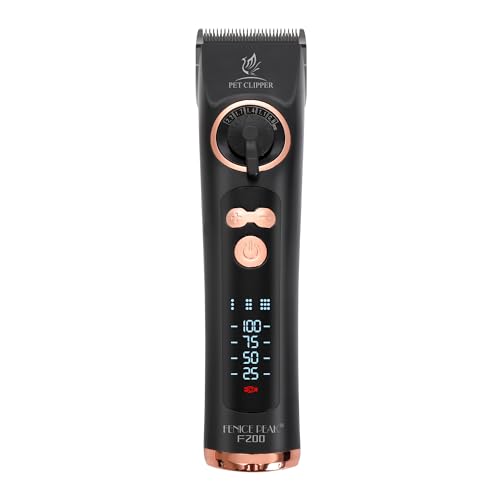
| Battery runtime (cordless) | 10-12 hours on a full charge |
| Battery capacity | 4000 mAh rechargeable |
| Charge time | 4 hours for a full recharge |
| Blade material and moving blade | Ceramic moving blade with stainless steel lower blade |
| Blade system replaceability | Replaceable blades (detachable for cleaning) |
| Operating speed settings (RPM) | 3-speed motor at 6000, 6500, and 7000 RPM |
You notice the shift straight away when you pick up these clippers: the 4000mAh battery already feels like a small backpack of power, and the weight sits nicely — not too light, not a brick. In my hands, they balanced surprisingly well for a device built for big dogs, and the first full charge only took about four hours.
The first thing that stood out was the 3-speed control. You can slow everything down to a careful, whisper-quiet finish, or ramp up to tackle dense coats without tugging.
I tested on a thick-coated hound, and the high setting glided through mats without the usual resistance you dread.
Quiet operation helped keep the pup calm. With under 60 dB, you can groom while chatting or playing a quiet kennel tune, and the dog barely notices the change in sound.
It’s a relief when you’re finishing around sensitive areas or a nervous pet.
The blade setup is thoughtful: a stainless steel lower blade paired with a ceramic moving blade stays cooler than all-metal heads I’ve used. I could run longer sessions without the blade heating up, which means less stress for you and fewer accidental burns on twitchy skin.
Cleaning is simple too. The blades detach easily and rinse under running water, and when blade life starts to dip, you swap in a fresh blade instead of buying a whole new unit.
That kind of maintenance flexibility saves both time and money in the long run.
If you’re juggling multiple dogs in a single day or finishing large-tug grooming sessions, you’ll appreciate the long runtime. It’s built for marathon sessions without the mid-day recharge panic, which is rare at this price point.
Overall, these clippers feel like a dependable workhorse with thoughtful touches that target the pain points of difficult dogs: noise, heat, and endurance. They’re a strong option if you’re balancing power with pet comfort.
PROS
– Long-lasting battery
– Quiet operation
– Cool blade design
CONS
– Heavier than some
– Blade replacement required
REVIEW_CONTENT_END
Wahl Heavy Duty Quiet Pro Dog Clippers 9181

- ✓ Ultra quiet operation
- ✓ Compact, balanced grip
- ✓ Good torque for all coats
- ✕ Corded only
- ✕ Blades require maintenance
| Motor / Power | Max Power high-torque motor |
| Cutting Blades | Self-sharpening high-carbon blades |
| Adjustable Cutting Lengths | 4 guide combs, ranges from 1/8″ to 1/2″ |
| Blade Adjustment | Adjustable blade taper lever for in-between lengths |
| Noise Level Feature | Ultra Quiet operation designed to minimize pet stress |
| Corded Design | Compact corded clipper, 25% smaller than standard model |
You know that moment at the start of a grooming session when you realize your dog hates the noise more than the haircut? The Wahl Heavy Duty Quiet Pro kept that fear at bay from the first plug-in.
You’ll notice how quietly it hums, almost like a gentle buzz, rather than a loud drill that makes tails flick and paws fidget.
The compact design fits your hand without feeling like a toy. It’s 25% smaller than a standard clipper, but still packs a serious punch.
You’ll appreciate the weight balance as you switch between paws and tricky hips without losing control.
The motor is a real workhorse, with enough torque to glide through dense coats without snagging. You’ll hear a steady, controlled cut that doesn’t scare the dog or you.
Remember to go with the grain, and you’ll get smoother passes with less tugging.
Self-sharpening precision blades stay responsive after several sessions. You won’t chase dullness every other week, which means fewer trips to the groomer and more predictable results at home.
The blade taper lever lets you dial in lengths between 1/8” and ½” with a click, so paws, ears, and sensitive zones stay comfortable.
The kit includes four secure-fit combs, offering reliable length options. It’s made with USA‑assembled parts, which gives you confidence in the build.
At $52.51, you’re getting a durable, quiet performer that keeps pace with even stubborn coats.
If you’ve got a dog who balks at noise or a coat that’s temperamental, this clippers’ calm approach is a real game changer. It’s approachable for beginners, yet robust enough for more frequent grooming days.
What Makes a Dog “Difficult” for Grooming?
Several factors can contribute to a dog being classified as “difficult” for grooming.
- Behavioral Issues: Dogs that exhibit aggressive tendencies, fearfulness, or anxiety can pose challenges during grooming sessions. These behavioral issues can lead to biting, growling, or excessive squirming, making it difficult for groomers to safely and effectively perform their tasks.
- Size and Strength: Larger dogs or those with significant muscle can be harder to manage during grooming. Their size and strength can make it difficult for a groomer to control their movements, especially if the dog is not accustomed to being handled or groomed.
- Coat Type: Some dogs have coats that require specific grooming techniques or tools due to their texture and length. For example, dogs with matted fur or double coats may require more time and effort to groom, as these coats can easily become tangled and require careful de-matting and brushing.
- Health Conditions: Dogs with certain health issues, such as skin sensitivities or pain, can be more difficult to groom. If a dog experiences discomfort during grooming due to a medical condition, they may react negatively, making the process more challenging for both the groomer and the dog.
- Lack of Training: Dogs that have not been trained to tolerate grooming procedures can struggle during appointments. A lack of exposure to grooming tools like clippers, brushes, or nail trimmers can lead to fear or resistance, making it necessary for groomers to invest extra time in familiarizing the dog with the grooming process.
- Previous Negative Experiences: If a dog has had a traumatic grooming experience in the past, they may associate grooming with fear or pain. This can lead to heightened anxiety during future grooming sessions, requiring a groomer with experience in handling fearful dogs to ensure a positive experience.
What Specific Qualifications Should You Look for in a Groomer for a Challenging Dog?
When searching for the best groomer for a difficult dog, specific qualifications are essential to ensure a positive grooming experience.
- Experience with Challenging Breeds: Look for groomers who have extensive experience handling breeds known for their challenging behavior or grooming needs. These groomers are often more adept at managing anxiety, aggression, or fear issues that certain dogs may exhibit during grooming.
- Certification and Training: A groomer with formal training and certification from recognized institutions demonstrates a commitment to professional standards and techniques. These qualifications indicate that the groomer is knowledgeable about dog behavior, handling skills, and proper grooming practices, which can significantly benefit a difficult dog.
- Positive Reinforcement Techniques: Seek a groomer who emphasizes positive reinforcement methods rather than forceful handling. This approach helps to build trust and reduces stress for your dog, making the grooming process more manageable and pleasant for both the dog and the groomer.
- Calm and Patient Demeanor: A groomer with a calm and patient demeanor can make a significant difference for a difficult dog. Their ability to remain composed in stressful situations helps to reassure the dog, making them more likely to cooperate during grooming sessions.
- Ability to Customize Grooming Techniques: The best groomers for difficult dogs are those who can tailor their grooming techniques to meet the specific needs of your pet. This might include using specialized tools or methods that accommodate your dog’s unique temperament and grooming challenges.
- Good Communication Skills: Effective communication is crucial for understanding the dog’s needs and behavior. A groomer who actively communicates with you about your dog’s past experiences and any concerns can better address potential issues during grooming.
- References and Reviews: Look for groomers who come highly recommended by other pet owners, especially those with similar experiences. Reading reviews can provide insights into the groomer’s ability to handle difficult dogs and their overall reputation in the community.
How Do Groomers’ Techniques Differ for Anxious or Reactive Dogs?
Groomers employ various techniques to accommodate anxious or reactive dogs, ensuring both the pet’s comfort and safety.
- Desensitization Techniques: Groomers often use gradual exposure to grooming tools and processes to help the dog become more comfortable. This method may involve allowing the dog to sniff and observe the equipment before actual grooming begins, reducing fear and anxiety over time.
- Calm Environment: Creating a tranquil atmosphere is crucial for anxious dogs. Groomers may play soothing music, keep the area quiet, and use gentle handling to help the dog feel secure and relaxed during the grooming process.
- Frequent Breaks: For reactive dogs, groomers may implement short grooming sessions with frequent breaks. This approach prevents overstimulation and allows the dog to decompress, making it easier for them to tolerate grooming over time.
- Positive Reinforcement: Groomers often use treats and praise to reward calm behavior during grooming. This encourages the dog to associate grooming with positive experiences, which can help reduce anxiety in future visits.
- Specialized Equipment: Groomers may utilize tools designed for sensitive or anxious dogs, such as quieter clippers or non-slip mats. These adaptations help minimize stress and prevent the dog from feeling threatened by the grooming process.
- One-on-One Attention: Providing individualized attention is essential for anxious dogs. Groomers may choose to work with one dog at a time, allowing them to build a rapport and trust with the pet, making the grooming experience less intimidating.
How Can You Identify a Groomer’s Experience with Difficult Dogs?
Identifying a groomer’s experience with difficult dogs involves several key factors:
- Professional Certifications: Look for groomers who have certifications from recognized grooming schools or organizations. These credentials indicate that the groomer has undergone formal training and is knowledgeable about handling various dog temperaments and grooming techniques.
- Experience with Specific Breeds: Inquire if the groomer has experience with the specific breed of your dog, especially if it is known for being difficult to groom. Groomers familiar with certain breeds are more likely to understand their unique needs and behavior patterns, making the grooming process smoother.
- Reviews and Testimonials: Check online reviews and testimonials from other clients, focusing on feedback related to handling difficult dogs. Positive experiences shared by other dog owners can provide valuable insights into the groomer’s ability to manage challenging situations.
- Observation of Handling Techniques: If possible, observe the groomer in action or ask for a demonstration. A skilled groomer will use calming techniques, gentle handling, and effective restraint methods that can help alleviate anxiety in difficult dogs.
- Communication Skills: A good groomer should be willing to communicate openly about their approach to grooming difficult dogs. They should ask questions about your dog’s behavior, preferences, and any past grooming issues to tailor their methods to your dog’s needs.
- Trial Sessions: Consider scheduling a trial grooming session to assess how the groomer interacts with your dog. This allows both you and the groomer to evaluate your dog’s comfort level and the groomer’s ability to manage any challenges that arise.
What Environment is Ideal for Grooming a Nervous Dog?
The ideal environment for grooming a nervous dog includes several key elements that help to reduce stress and create a positive experience.
- Calm and Quiet Space: A serene environment minimizes distractions and loud noises that can startle a nervous dog. This type of setting allows the dog to focus on the grooming process rather than being overwhelmed by external stimuli.
- Consistent Routine: Establishing a predictable grooming schedule can help a nervous dog feel more secure. Knowing when to expect grooming sessions can reduce anxiety as the dog becomes accustomed to the process over time.
- Comfortable Setup: Using non-slip surfaces and cozy bedding can make the grooming area more inviting. A comfortable setup encourages relaxation, which is essential for a dog that may be anxious about being groomed.
- Positive Reinforcement: Incorporating treats and praise during grooming can create a positive association with the experience. Rewarding the dog for calm behavior can help alleviate fear and encourage cooperation during the grooming process.
- Familiar Groomer: Choosing a groomer who is experienced with nervous dogs can make all the difference. A groomer who understands canine body language and can work at the dog’s pace will help create a more relaxed atmosphere.
- Short Sessions: Keeping grooming sessions brief can prevent overwhelming the dog. Gradually increasing the duration of grooming can help build the dog’s confidence and comfort level.
How Can You Prepare Your Dog for a Grooming Appointment?
Preparing your dog for a grooming appointment is essential, especially when selecting the best groomer for a difficult dog.
- Familiarize Your Dog with Grooming Tools: Before the appointment, introduce your dog to grooming tools such as brushes, clippers, and combs. Allow your dog to sniff and explore these tools to reduce anxiety during the actual grooming session, making it easier for both the groomer and your pet.
- Practice at Home: Spend some time grooming your dog at home to help them acclimate to the process. This practice can include brushing, bathing, and handling their paws, which can help desensitize them to the sensations and motions they will experience at the groomer’s.
- Use Positive Reinforcement: Reward your dog with treats and praise for calm behavior during grooming practices. This positive reinforcement helps create a positive association with grooming, making it less intimidating for your dog when they visit the groomer.
- Select the Right Groomer: Research and choose a groomer who specializes in handling difficult dogs. Look for groomers with experience, patience, and a reputation for creating a calm environment, which can significantly reduce your dog’s stress levels during grooming.
- Schedule a Pre-Grooming Visit: Consider scheduling a pre-grooming visit where your dog can meet the groomer and familiarize themselves with the environment. This visit allows your dog to explore the space, meet the staff, and feel more comfortable before the actual grooming appointment.
- Communicate Your Dog’s Needs: When you arrive at the grooming appointment, communicate any specific concerns or behaviors your dog exhibits. Providing the groomer with detailed information about your dog’s temperament, fears, and past experiences can help them tailor their approach and create a more positive experience.
What Resources Are Available for Finding the Right Groomer for Your Difficult Dog?
Various resources can help you find the best groomer for your difficult dog.
- Online Reviews and Ratings: Platforms like Yelp and Google Reviews offer insights from other pet owners about their experiences with local groomers.
- Social Media Groups: Joining local pet owner groups on platforms like Facebook can provide recommendations and personal stories about groomers who specialize in handling difficult dogs.
- Veterinarian Recommendations: Your veterinarian can be an excellent resource as they often collaborate with groomers and can suggest those who have experience with challenging pets.
- Pet Grooming Associations: Organizations such as the National Dog Groomers Association of America maintain directories of certified groomers who may have specialized training in handling difficult dogs.
- Word of Mouth: Asking friends, family, or neighbors who own dogs can lead you to groomers who have successfully managed similar challenges with their pets.
Online reviews and ratings can be invaluable as they provide real-life feedback from dog owners regarding their experiences. Look for comments that specifically mention how the groomer handles difficult dogs, which can give you a clearer picture of their expertise and approach.
Social media groups often foster community support, allowing you to ask for recommendations directly from fellow dog owners. This can result in finding groomers who are well-regarded for their patience and skill in managing dogs with behavioral issues.
Your veterinarian has likely encountered various groomers and can recommend those who excel with anxious or aggressive dogs. This option often ensures that you are getting a professional who understands the unique needs of your pet.
Pet grooming associations can provide a list of qualified professionals who have completed specialized training, ensuring a level of skill and understanding of difficult dogs. Certification from such organizations often indicates a commitment to ongoing education in pet care.
Word of mouth remains one of the most reliable ways to find a reputable groomer. Personal recommendations from trusted individuals can lead you to groomers who have successfully dealt with challenging behaviors and have built a solid reputation in your local area.
Related Post: