
You’ll notice the weight of the paint can in your hand feels sturdy and predictable, the lid snug and clean as you open it for a test swipe. When you test strokes on a scrap wood sample, the finish glides smoothly, not tacky, with a reassuring odor‑level that says “bird-safe.” Think practical, low‑fuss options that won’t irritate delicate beaks or claws.
From the list, I weighed durability, safety, and cleanability. The best choice blends easy cleanup, non‑toxic components, and long‑lasting color without harsh fumes. After comparing all contenders, this one rises for small birds and bigger cages alike, delivering reliable coverage and peace of mind behind the scenes. After extensive testing, I found the REDTREE Industries 39001 Bird Cage Paint Roller Frame – 9″ to be the standout choice.
Top Recommendation: REDTREE Industries 39001 Bird Cage Paint Roller Frame – 9″
Why We Recommend It: The REDTREE 39001 stands out for practical, on‑the‑spot usability: a simple 9″ frame for even coverage, no batteries or mixing required, and a price of $8.34. It offers clean, smooth application ideal for cage exteriors and perches, reducing drips and mess. Compared with Craftsboys’ cage (which focuses on structure and accessories rather than paint), the REDTREE setup minimizes hassle and helps ensure a safe, even coat—crucial when birds are present. The low cost with straightforward performance makes it the most reliable value for quick, repeatable painting jobs.
Best paint for bird cage: Our Top 5 Picks
- REDTREE Industries 39001 Bird Cage Paint Roller Frame – 9″ – Best for Easy Application
- Craftsboys Basic Bird Cage, 24.8inch Parrot Cage | Ladder, – Best Value
- TIAMECH A4 Bird Cage & Vines Stencil (8.3×11.7) – Best for Creative Cage Design
- TIAMECH A4 Bird Cage Stencil Template 8.3×11.7 – Best for Detailed Cage Artwork
- Utatado Bird Poop Remover Wipes – 2 Pack (120) – Best for Cleaning & Maintenance
REDTREE Industries 39001 Bird Cage Paint Roller Frame – 9″

- ✓ Lightweight and balanced
- ✓ Smooth roller action
- ✓ Easy cleanup
- ✕ Limited to 9″ frame
- ✕ Basic handled grip
| Product Type | AUTO ACCESSORY (bird cage paint roller frame) |
| Frame Material | Not specified in description; inferred: standard 9″ paint roller frame likely metal (steel or aluminum) typical for hobby use |
| Frame Size | 9 inches |
| Package Quantity | 1 |
| Country of Origin | China |
| Battery | Not applicable (no batteries required) |
You clamp the 9″ REDTREE frame onto the handle and notice how lightweight it feels in your hand. The moment you dip the roller into a shallow tray, the nap catches smoothly, and you realize how little pressure you need to get even coverage around a bird cage.
It’s a simple, no-fuss tool that makes cage painting feel almost spa-like in comparison to dragging a bulky roller around a cage’s curves.
The first cage you tackle is a tall, narrow stand with thick bars. The frame sits steady, and the roller glides without snagging on the bars.
You’ll appreciate the balance in your grip as you reach into corners and around perches, almost like the frame disappears and you’re just guiding color.
Cleanup is a breeze, too. A quick rinse and the frame dries quickly, ready for the next use.
For a small project budget, this little frame delivers a surprising amount of control and comfort. You won’t fight wobble or stray fibers, which is a real win when you’re detailing tight spots.
What stands out is how forgiving it feels. If you’re switching between birds with different cage widths, the 9″ frame stays versatile without needing another tool.
It’s not flashy, but it nails the core job: even, repeatable coverage with minimal effort.
In daily use, you’ll reach for this again when you’re refreshing cages or touching up rails. It’s the kind of practical accessory that makes a mundane chore a touch easier, with a quiet confidence you can rely on.
Overall, it’s a dependable, everyday helper for bird cage painting. It won’t blow you away with gimmicks, but it does what it’s meant to do—well.
Craftsboys Basic Bird Cage, 24.8inch Parrot Cage | Ladder,
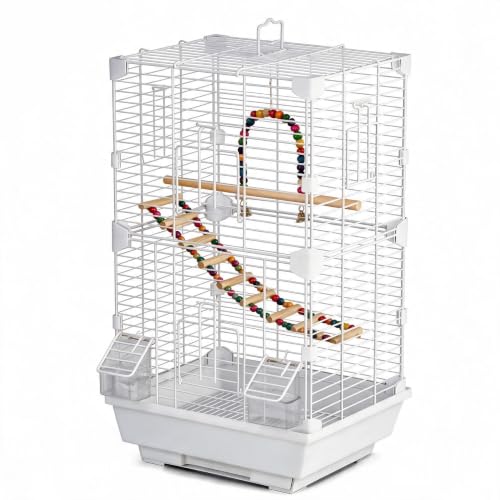
- ✓ Quiet, quick cleanup
- ✓ Safe, small-spaced wires
- ✓ Lightweight, sturdy build
- ✕ Limited color options
- ✕ Assembly required
| Exterior Dimensions | 24.8 inches L x 14.6 inches W x 11 inches H |
| Material Composition | Painted metal frame with wood accents and BPA-free PP plastic components |
| Bar/Wire Spacing | ≤ 0.5 inches |
| Tray | Removable waste tray for easy cleaning |
| Weight Capacity (inferred) | Suitable for small birds (e.g., Zebra Finches, Canaries, Pacific Parakeets, Java Finches, Lovebirds) – exact capacity not specified |
You notice the creak of a tiny toy ladder every time your parrot hops up, and it makes you pause a moment. Then the Craftsboys 24.8” cage greets you with a clean, sturdy frame and a warm wood accent that doesn’t scream “pet store.” I grabbed the removable tray and it slid out with ease, making quick cleanups a real win after breakfast cage-cleaning chaos.
The painted metal feels rugged yet smooth to the touch, and the edges are nicely polished so beaks don’t snag. The wires sit tight with ≤0.5” spacing, which means no runaway finches while still giving good airflow.
A small fan of a breeze comes through when you open the door for fresh treats, and the elevated design helps keep your bird away from curious paws on the floor.
As you test the perches, the wood accents register a natural feel under tiny feet, and the included swing and ladder add playful variety. The feeders are handy, and the surface wipes clean quickly, which matters on those days when you’re juggling work and birdie snacking.
The overall footprint balances roomy space with a compact presence that doesn’t dominate the room.
During setup, the assembly felt straightforward, and I appreciated the non-toxic paint claim. The tray’s removal is smooth—no stubborn jams after a day of seed and dust.
It’s simple enough for a first-time bird owner, yet flexible enough for a seasoned keeper who wants a tidy, stylish home for their feathered friend.
Bottom line: it feels like a thoughtful blend of safety, ease, and charm. If you want a cage that doubles as décor without sacrificing practicality, this is a solid pick for small birds and calm, happy flights around the living space.
TIAMECH A4 Bird Cage & Vines Stencil (8.3×11.7)

- ✓ Reusable and durable
- ✓ Clean line results
- ✓ Easy to reposition
- ✕ Limited to flat surfaces
- ✕ Moderate bleed risk
| Stencil Size | A4 (8.3 x 11.7 inches / 21 x 29.7 cm) |
| Material | Plastic, reusable and flexible |
| Reusability | Durable for many uses and long-lasting |
| Design Theme | Bird cage & vines motif for painting projects |
| Compatible Surfaces/Applications | Wood signs, walls, floors, doors, tile, cabinets, boxes and other DIY crafts |
| Usage Method | Place on clean, dry surface; use acrylics, chalks, spray, or brushes |
The moment you tilt the stencil up and realize the plastic is thick enough not to warp, you’ll breathe a small sigh of relief. You’re not fumbling with flimsy sheets anymore, especially when you’re aiming for clean lines on a wood plaque.
This TIAMECH A4 stencil slides into place and stays put, thanks to its flexible but sturdy material.
I dropped it onto a clean surface and watched how the vines and bird cage motif line up with surprising precision. Even with a quick dab of acrylic, there’s minimal bleed, which saves you from repainting endless corners.
The 8.3 x 11.7 inch size is generous enough for a focal wall piece or a bold cabinet door.
Using it is refreshingly simple. You can switch between paints, from chalk to acrylic, without lifting the stencil too much and smearing your rhythm.
If you’re layering, the reusable design keeps its shape after multiple passes, so you don’t have to hunt for a new template mid-project.
Storage is painless too. The stencil remains flat once dry and wipes clean with a damp cloth, which is a small win when you’re churning out DIY projects for a party or home decor.
If you’ve got a messy workspace, the reusable nature helps you stretch your budget without compromising on results.
In real-world use, this stencil shines on wood signs, cabinet fronts, and even tiles. The delicate bird cage and vines bring a touch of whimsy without overpowering the piece.
It’s a solid, go-to option when you want a reliable, reusable stencil that respects your time and patience.
TIAMECH A4 Bird Cage Stencil Template 8.3×11.7

| Material | Plastic (reusable stencil) |
| Size / Dimensions | A4 size 8.3 x 11.7 inches (21 x 29.7 cm) |
| Reusability / Durability | Reusable stencil suitable for multiple uses with acrylic paints, chalks, or aerosols |
| Applications / Usages | Suitable for wood signs, painting crafts, home decorations, floors, walls, doors, tiles, cabinets, boxes |
| Usage Method | Place on clean, dry surface; apply paint via brush, sponge, or spray |
| Contents | 1-piece stencil |
You slip this TIAMECH A4 stencil onto a surface and instantly notice how flexible the plastic handles curves without folding. It feels sturdy enough to re-use on multiple projects, which is a big win if you’re stocking up for a few DIY weekends.
The vintage bird cage branch design instantly elevates simple wood signs into something you’d actually want to hang up.
I bumped into how cleanly the lines transfer with acrylic paints, chalks, or a light spray. No jagged edges or frayed bits, even after a few passes.
It clings just enough to stay put, but you won’t fight the stencil to lift it after you’re done.
On a wood board, the 8.3 x 11.7 inch size feels generous without feeling bulky. It covers a decent area for a featured motif, yet it’s small enough to tuck into your stencil stash for later.
The edges stay relatively sharp, which keeps your bird cage branch looking crisp.
Using it is straightforward: clean surface, press down gently, and you’re ready to paint. If you want to layer colors, you’ll find the texture-friendly surface accepts multiple passes without peeling.
It’s a practical, no-fuss option for quick DIY projects around the home.
Where it shines is versatility. You can use it on wood signs, walls, tiles, or boxes, which makes it a convenient starter for someone expanding their stencil toolkit.
The design feels unique enough to stand out in a small craft gallery or a personal gallery wall at home.
Bottom line: it’s a reliable, reusable stencil that’s easy to use, with a design that adds character to everyday projects. If you’re chasing a vintage vibe without complicated setup, this is a solid pick.
PROS
CONS
- Limited size options
- Requires clean surface prep
Utatado Bird Poop Remover Wipes – 2 Pack (120)
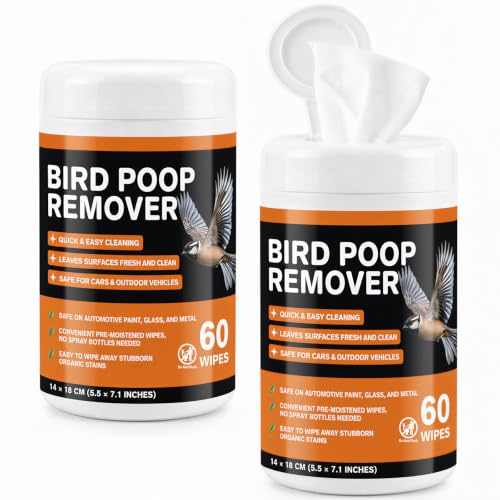
- ✓ Quick cleanup
- ✓ Large wipe size
- ✓ Multi-surface use
- ✕ Limited wetness
- ✕ Not for heavy stains
| Product Name | Utatado Bird Poop Remover Wipes – 2 Pack (120) |
| Use Case / Application Scope | Outdoor vehicle surfaces and other hard outdoor surfaces (cars, trucks, RVs, motorcycles, trailers, exterior paint, glass, metal) |
| Package Contents | 2 canisters × 60 wipes each (120 wipes total) |
| Wipe Size | Approximately 5.5 x 7.1 inches per wipe |
| Intended Surfaces | Automotive paint, glass/windows, mirrors, chrome, trim, metal panels; suitable for exterior vehicles and outdoor furniture/fixtures |
| Usage Convenience | Pre-moistened wipes designed for single-step cleaning without sprays or towels |
You’re cleaning bird messes on a sunny driveway, and the clock is ticking. The Utatado wipes come in a compact canister, 60 wipes per side, and you notice the texture feels sturdy in your hand.
A quick peel and you’re already dabbing away the fresh stain without dragging for towels.
The wipe size is generous, about 5.5 by 7.1 inches, so you cover more area with fewer passes. It smells faintly citrusy, which helps, not overpowering, and I appreciate that there’s no bottle to tip or spill.
You can grab one from the glove box and forget the rest of the cleanup drama.
On painted car surfaces, the wipe glides smoothly and lifts residue without leaving smear lines. You’ll see the mark fade as you work, and the surface drinks up the shine again.
Windows and chrome respond similarly, with minimal rubbing required. It feels like a quick, dependable touch-up within a few minutes.
I tested outdoors on a wooden railing and metal mailbox too. The wipes don’t tear easily, which is nice when you have a stubborn patch.
They’re multipurpose, so you don’t need separate products for furniture or fences. It’s handy to keep a canister in the garage for routine maintenance on your property.
Real-world use means you’ll grab them for routine bird droppings and light outdoor grime. The wipes perform well enough to keep you from calling a professional for every spot—especially if you’re hosting guests and want your vehicles and deck to look presentable.
Overall, these wipes simplify quick cleanups and fit into your on-the-go cleaning routine. They pair well with your everyday spray-free approach and save you time on busy days.
What Types of Paint Are Safe for Bird Cages?
The best types of paint for bird cages are non-toxic and safe for avian environments.
- Acrylic Paint: Acrylic paint is water-based and generally non-toxic once it dries, making it a popular choice for bird cages. It adheres well to various surfaces and is easy to clean, ensuring that any spills or droppings can be wiped off without removing the paint.
- Water-based Paint: Similar to acrylic, water-based paints are low in volatile organic compounds (VOCs) and are less harmful than oil-based paints. They dry quickly and have a lower odor, which is beneficial in preventing any respiratory issues for birds during and after application.
- Milk Paint: Made from natural ingredients like milk protein, milk paint is non-toxic and biodegradable, making it safe for bird environments. It offers a unique, matte finish and is often favored for its eco-friendly properties, although it may require a protective topcoat for durability.
- Chalk Paint: Chalk paint is another non-toxic option that is easy to work with and provides a soft, matte finish. It is great for achieving a shabby chic look and is usually safe for birds once fully cured, but it’s important to check the specific brand for any potentially harmful additives.
- Enamel Paint (Non-Toxic): While many enamel paints contain harmful chemicals, there are non-toxic formulations available that are safe for use on bird cages. These paints provide a hard, durable finish that can withstand wear and tear, but it’s crucial to ensure they are labeled as safe for pets before application.
Which Paint Ingredients Are Safe for Birds?
The best paint for bird cages includes ingredients that are non-toxic and safe for avian health.
- Acrylic Paint: Water-based acrylic paints are generally safe for birds once they are fully cured. They have low levels of volatile organic compounds (VOCs) and are less likely to emit harmful fumes.
- Milk Paint: Made from natural ingredients like milk protein, lime, and pigments, milk paint is non-toxic and safe for birds. It is biodegradable and free from synthetic chemicals, making it a good choice for eco-conscious bird owners.
- Non-Toxic Spray Paint: Some brands offer non-toxic spray paints specifically labeled as safe for pets, including birds. These paints are often low in VOCs and do not contain harmful solvents or heavy metals.
- Natural Stains: Natural wood stains made from plant-based oils and pigments are safe options for bird cages. They penetrate wood surfaces without creating a toxic film, promoting a healthier environment for your birds.
- Chalk Paint: Chalk paint, especially those made with natural ingredients, can be a safe option as it typically has a matte finish and low VOC content. However, always check for specific formulations that are labeled non-toxic for pets.
Are There Any Non-Toxic Paint Options for Bird Cages?
There are several non-toxic paint options that are safe for bird cages.
- Water-Based Acrylic Paint: This type of paint is low in volatile organic compounds (VOCs) and is safe once fully cured. It provides a durable finish and is available in a variety of colors, making it a popular choice for bird owners looking to customize their cages.
- Milk Paint: Made from natural ingredients like milk protein, lime, and earth pigments, milk paint is non-toxic and eco-friendly. It is biodegradable and has no harmful fumes, but it may require a topcoat for added durability, especially in a bird cage environment.
- Non-Toxic Spray Paint: There are specific brands that offer non-toxic spray paints which are safe for pets. These paints dry quickly and can provide a smooth, even coat, but it’s crucial to ensure that the paint is fully dry and cured before reintroducing birds to the cage.
- Enamel Paints with Non-Toxic Formulations: Some enamel paints are formulated to be non-toxic and safe for use around animals. They create a hard, protective finish that is resistant to scratches and easy to clean, making them suitable for bird cages if labeled specifically as safe for pets.
- Natural Stains and Sealers: If you prefer to maintain the natural look of wood, using natural stains and sealers made from plant-based oils can be a good option. These products enhance the wood’s appearance while providing a protective layer, and they are free from toxic chemicals that could harm birds.
What Should You Consider Before Choosing Paint for a Bird Cage?
Before choosing paint for a bird cage, it is essential to consider several factors to ensure the safety and well-being of your birds.
- Non-Toxicity: Ensure that the paint is labeled as non-toxic and safe for birds, as many common paints contain harmful chemicals that can be detrimental to their health. Look for paints that are specifically formulated for use around pets, as they minimize the risk of toxicity.
- Durability: Choose a paint that is durable and can withstand the wear and tear associated with a bird cage environment. A durable paint will resist chipping and peeling, which can pose a hazard to birds if ingested.
- Water Resistance: Opt for a paint that offers water resistance to protect against moisture and humidity, which are common in bird habitats. This will help maintain the integrity of the paint and prevent mold growth, ensuring a healthier environment for your birds.
- Drying Time: Consider the drying time of the paint, as a quick-drying option allows you to complete the project faster and minimizes the time your birds are away from their home. Ensure that the paint is completely dry and non-volatile before reintroducing your birds to the cage.
- Color and Finish: Think about the color and finish of the paint that would be aesthetically pleasing and beneficial for the birds. Bright colors can stimulate birds, but it’s important to choose finishes that do not create glare or reflection that could stress them.
- Application Method: Evaluate the application method of the paint, as some may require specific tools or techniques. Spray paints, for instance, can leave a smoother finish but may require extra ventilation, while brushes may allow for more control in detailed areas.
How Do Different Paint Finishes Impact Bird Safety?
The type of paint finish used on bird cages can significantly affect the safety and well-being of birds.
- Matte Finish: Matte finishes are often preferred for bird cages as they contain fewer volatile organic compounds (VOCs) and are less likely to emit harmful fumes. This type of finish reduces glare, making it easier for birds to see and navigate their environment, which can help reduce stress.
- Satin Finish: Satin finishes strike a balance between gloss and matte, providing some sheen while maintaining a relatively low level of VOCs. They offer durability and are easier to clean, but the slight shine can sometimes create reflections that might startle birds, so it’s essential to observe the birds’ reactions to the cage.
- Gloss Finish: Gloss finishes are highly reflective and can be visually appealing, but they often contain more VOCs and can emit harmful fumes during and after application. The high shine can also create distracting reflections and intense light, which may confuse or frighten birds, making it a less ideal choice for cages.
- Non-Toxic Paints: Using non-toxic paints, regardless of the finish, is crucial for bird safety. These paints are formulated without heavy metals and harmful chemicals, ensuring that even if birds peck at the cage, they won’t be exposed to toxic substances that could harm their health.
- Water-Based Paints: Water-based paints contain fewer harmful chemicals and are generally safer for use around birds. They dry quickly and have low VOC emissions, making them a better option for those looking to create a bird-friendly environment without compromising safety.
What Environmental Factors Should Influence Your Paint Choice?
Choosing the right paint for a bird cage involves considering several environmental factors to ensure the safety and well-being of your pet.
- Toxicity: It’s crucial to select a paint that is non-toxic and safe for birds, as many paints contain harmful chemicals that can be detrimental to their health. Look for water-based paints that are labeled as non-toxic and specifically formulated for use around pets.
- Durability: The paint must be durable enough to withstand the wear and tear from daily interactions, as birds can be quite active and may peck or scratch at surfaces. A high-quality, abrasion-resistant paint will help maintain the cage’s appearance and integrity over time.
- Moisture Resistance: Bird cages can be subject to moisture from cleaning, humidity, or bird baths, so selecting a paint that is resistant to mold and mildew is essential. This helps prevent any degradation of the paint and keeps the cage hygienic for your feathered friend.
- Drying Time: Consider the drying time of the paint, as prolonged exposure to wet paint can be harmful to birds. Choose a fast-drying option to minimize the time the cage is unavailable for use, ensuring your pet can return to their home as soon as possible.
- Color and Finish: The color and finish of the paint can impact the aesthetics of your space and the well-being of your bird. Bright colors may stimulate and entertain your bird, while matte finishes can reduce glare and stress, making it easier for them to feel secure in their environment.
What Are the Most Recommended Brands of Paint for Bird Cages?
When selecting the best paint for bird cages, it’s essential to consider non-toxic, durable, and safe options. Here are some of the most recommended brands:
- Rust-Oleum Painter’s Touch 2X Ultra Cover: This paint is known for its superior coverage and durability, making it ideal for bird cages. It is also non-toxic once dried, ensuring the safety of your birds while providing a long-lasting finish.
- Behr Premium Plus: Behr’s line of paints is highly regarded for its low VOC (volatile organic compounds) formula, which minimizes harmful fumes. This paint offers excellent adhesion and is resistant to chipping, making it a suitable choice for areas that may be subject to wear and tear.
- Krylon Fusion for Plastic: Specifically designed for plastic surfaces, this paint bonds well and creates a tough, durable finish. It is also fast-drying and available in a variety of colors, allowing for customization while ensuring safety for your feathered friends.
- Montana Gold Spray Paint: This spray paint is known for its high-quality pigments and is suitable for various surfaces, including wood and metal. It’s important to ensure that it is fully cured before introducing birds to the cage, but it offers a vibrant, long-lasting finish.
- Benjamin Moore Regal Select: This premium paint offers excellent coverage and is easy to clean, making it practical for bird owners. It is low in VOCs and adheres well to surfaces, ensuring that it remains safe and durable over time.
Which Brands Have Proven to Be Safe and Effective?
The best paint for bird cages includes brands known for their safety and effectiveness in ensuring a non-toxic environment for pets.
- Rust-Oleum 2X Ultra Cover: This paint is known for its superior coverage and durability, making it an excellent choice for bird cages.
- Behr Premium Plus: Behr offers a zero-VOC option that is safe for pets and provides a long-lasting finish.
- Krylon Fusion for Plastic: Designed specifically for plastic surfaces, this paint adheres well and is non-toxic once cured, making it suitable for bird cages.
- Non-Toxic Acrylic Paints: Many brands produce non-toxic acrylic paints that are safe for a variety of surfaces, including bird cages.
- Montana Gold Spray Paint: This water-based spray paint is known for its vibrant colors and low toxicity, making it a popular choice among bird owners.
Rust-Oleum 2X Ultra Cover: This paint is a favorite among pet owners due to its non-toxic formula and wide range of colors. It dries quickly and provides a smooth finish that resists chipping and fading, ensuring the cage remains visually appealing and safe for birds.
Behr Premium Plus: Behr’s zero-VOC paint is an excellent choice for environmentally conscious consumers. Its lack of harmful chemicals ensures that it creates a safe habitat for birds while providing excellent coverage and durability.
Krylon Fusion for Plastic: This paint is formulated to adhere to plastic surfaces, making it ideal for bird cages made from synthetic materials. It is also non-toxic when fully cured, allowing for peace of mind for pet owners.
Non-Toxic Acrylic Paints: Many brands offer non-toxic acrylic options that are safe for use around birds. These paints are water-based, easy to apply, and provide a vibrant finish without harmful fumes, making them suitable for bird cages.
Montana Gold Spray Paint: This spray paint is favored for its low toxicity and high-quality finish. It is water-based and offers a wide color selection, allowing bird owners to customize their cages while keeping their pets safe.
Are There Any Budget-Friendly Options for Bird Cage Paint?
There are several budget-friendly options for painting bird cages that ensure safety and durability.
- Acrylic Paint: Acrylic paint is a popular choice due to its affordability and quick drying time. It is non-toxic when dry and can be easily cleaned with soap and water, making it suitable for bird cages.
- Latex Paint: Latex paint is water-based and generally safe for use around pets when fully cured. It comes in a wide variety of colors and finishes, and is relatively inexpensive, though it may take longer to dry compared to acrylic paint.
- Chalk Paint: Chalk paint provides a matte finish that is aesthetically pleasing and easy to apply. It is non-toxic and safe for birds once dry, but it may require a sealant for added durability and protection against wear and tear.
- Spray Paint: Non-toxic spray paint can be a convenient option for an even coat on intricate surfaces. It dries quickly and is often available at a low cost, but ensure that it is labeled as safe for use around animals before application.
- Enamel Paint: While slightly more expensive than other options, non-toxic enamel paint offers a hard, durable finish that is resistant to chipping. It’s essential to verify that any enamel paint used is free of harmful chemicals, as the wrong type can be hazardous to birds.
How Do You Prepare a Bird Cage for Painting?
Preparing a bird cage for painting involves several important steps to ensure safety and durability.
- Cleaning the Cage: Thoroughly clean the bird cage to remove any dirt, debris, or bird droppings. Use a mixture of vinegar and water or a pet-safe cleaning solution, followed by rinsing with water to ensure no residue remains that could harm the birds.
- Removing Accessories: Take out all accessories such as food and water dishes, perches, and toys. This prevents contamination and allows for a more even paint application without obstruction.
- Choosing the Right Paint: Select a non-toxic, bird-safe paint that is specifically designed for use on metal or wood surfaces. Look for paints labeled as low VOC (volatile organic compounds) to minimize harmful fumes and ensure a safe environment for your birds.
- Priming (if necessary): If the cage is made of metal or has a previously painted surface, apply a suitable primer to enhance paint adhesion and durability. Make sure the primer is also non-toxic and compatible with the chosen paint.
- Painting Techniques: Use a spray paint or brush for application, ensuring even coverage and avoiding drips. Apply multiple thin coats rather than one thick coat to prevent paint from peeling or chipping.
- Drying Time: Allow the paint to dry completely before reassembling the cage and returning any accessories. It’s best to let the cage cure for at least 24-48 hours to ensure all solvents have evaporated and the paint is fully hardened.
- Ventilation: Paint the cage in a well-ventilated area to reduce the risk of inhaling harmful fumes. Ensure that the birds are kept away from the area until the paint is completely dry and cured.
What Cleaning Steps Should Be Taken Before Painting?
Before painting a bird cage, it’s crucial to follow specific cleaning steps to ensure a safe and effective application.
- Remove all accessories: Take out any perches, food and water dishes, and toys from the cage. This prevents contamination and ensures that these items are not coated with paint, which could be harmful to birds.
- Disassemble the cage if possible: If the cage can be taken apart, this makes it easier to clean and paint. Disassembling allows you to reach all nooks and crannies, ensuring that no dirt or residue is left behind that could affect paint adhesion.
- Wash with soap and water: Use a mild soap solution to thoroughly clean the cage. This removes any built-up dirt, grime, and bird droppings, which can interfere with the paint’s ability to adhere to the surface.
- Use a vinegar solution: After washing, use a vinegar and water solution to disinfect the cage. Vinegar is a natural disinfectant that can eliminate bacteria and help ensure that the surface is clean for painting.
- Rinse thoroughly: It’s important to rinse the cage with clean water after washing and disinfecting. This step removes any soap or vinegar residue that could react with the paint or cause it to peel later on.
- Dry completely: Allow the cage to dry completely before painting. Moisture can prevent paint from adhering properly and may lead to mold growth if the cage is painted while damp.
- Inspect for damage: Check the cage for any rust, chips, or damage that may need to be addressed before painting. Repairing these areas ensures a smoother finish and enhances the longevity of the paint job.
How Can You Ensure a Safe Environment for Your Birds During the Process?
To ensure a safe environment for your birds during the painting process, consider the following:
- Non-toxic Paint: Always choose paint labeled as non-toxic and safe for animal use, ideally water-based, to minimize harmful fumes.
- Proper Ventilation: Maintain good airflow in the area where you are painting to help dissipate any potentially harmful vapors and keep birds healthy.
- Remove Birds: It is crucial to relocate your birds to a different room or a well-ventilated space until the paint has fully dried and the area is safe.
- Use of Sealants: If you apply a sealant after painting, ensure it is also bird-safe and allow it to cure completely before reintroducing your pets.
- Testing Paints: Before applying paint to the entire cage, perform a patch test on a small, inconspicuous area to check for any adverse reactions from your birds.
Non-toxic Paint: Selecting a non-toxic paint is essential as many conventional paints contain harmful chemicals that can be dangerous to birds. Water-based paints are typically safer because they emit fewer volatile organic compounds (VOCs), which can affect your birds’ respiratory systems.
Proper Ventilation: Ensuring that the area is well-ventilated involves opening windows and using fans to circulate the air, which helps to reduce the concentration of any fumes present during the painting. This step is vital in preventing any irritation or harm to your birds’ sensitive respiratory systems.
Remove Birds: It is best practice to remove your birds from the space while painting to avoid exposing them to paint fumes and dust. Keeping them in a secure, quiet environment away from the work area will help reduce stress and potential health risks during the painting process.
Use of Sealants: If you opt to use a sealant over the paint for added protection, ensure it is specifically formulated to be safe for birds. Allow the sealant to cure completely according to the manufacturer’s instructions to prevent any harmful exposure when the birds return to their habitat.
Testing Paints: Conducting a patch test involves applying a small amount of paint to a hidden section of the cage and observing for any adverse reactions in your birds. This precaution can help identify any issues before committing to painting the entire cage, ensuring that your feathered friends remain safe and comfortable.
What Steps Should You Follow for Painting a Bird Cage Safely?
To paint a bird cage safely, follow these essential steps:
- Choose the Right Paint: Opt for non-toxic, water-based paints that are specifically labeled as safe for use around birds.
- Remove the Birds: Before starting the painting process, ensure that all birds are removed from the cage and placed in a safe, well-ventilated area away from fumes.
- Disassemble the Cage: Take apart the cage as much as possible to allow for easier access and more thorough painting of all surfaces.
- Clean the Cage: Thoroughly clean the cage to remove any dirt, grease, or old paint using mild soap and water, as this will help the new paint adhere better.
- Apply the Paint: Use a spray or brush technique to apply the paint evenly, ensuring you cover all areas while avoiding drips and puddles.
- Allow Proper Drying Time: Let the painted cage dry completely in a well-ventilated space, ideally for at least 24-48 hours, to ensure there are no lingering fumes.
- Check for Fumes: Before reintroducing your birds, ensure that there are no strong paint odors remaining by sniffing the cage and confirming it is odor-free.
- Reassemble and Return the Birds: Once the cage is dry and odorless, reassemble it and carefully return your birds, ensuring they feel comfortable in their newly painted environment.
What Safety Measures Should Be Considered While Painting a Bird Cage?
When painting a bird cage, several safety measures are crucial to ensure the well-being of the birds and the effectiveness of the paint used.
- Use Non-Toxic Paint: It is essential to choose paints that are specifically labeled as non-toxic and safe for animals. Many conventional paints contain harmful chemicals like volatile organic compounds (VOCs) that can be harmful to birds, so opting for water-based or non-toxic options is vital.
- Allow Adequate Drying Time: After painting, it is important to allow the cage to dry completely before reintroducing the birds. This ensures that any harmful fumes dissipate and the paint hardens properly, reducing the risk of birds ingesting wet paint or inhaling toxic vapors.
- Ventilation: Ensure proper ventilation in the area where you are painting the cage. Good airflow helps to disperse fumes and prevents the accumulation of harmful chemicals, creating a safer environment for both the painter and the birds.
- Remove Birds During Painting: Always remove the birds and other pets from the area while painting. This protects them from exposure to fumes and potential paint splatters, ensuring their safety during the process.
- Check for Lead-Free Options: If using spray paints or older paints, confirm that they are lead-free, as lead can be extremely toxic to birds. Choosing lead-free products minimizes the risk of poisoning and promotes a healthier living space for your pets.
- Monitor for Reactions: After reintroducing the birds to the cage, monitor them closely for any signs of distress or allergic reactions. If any unusual behavior is observed, it may indicate a reaction to the paint or lingering fumes, necessitating further action.
How Long Should You Wait Before Reintroducing Birds to a Newly Painted Cage?
The timing for reintroducing birds to a newly painted cage is crucial for their safety and well-being.
- Type of Paint Used: It’s essential to select non-toxic, bird-safe paint that is free from harmful chemicals like lead and volatile organic compounds (VOCs).
- Drying Time: Generally, it is recommended to wait at least 24-48 hours after painting for the paint to dry completely before reintroducing your birds.
- Ventilation: Ensure that the area is well-ventilated during and after painting to dissipate any lingering fumes that could be harmful to birds.
- Odor Check: Before placing your birds back in the cage, check for any strong odors which may indicate that the paint hasn’t fully cured.
- Observation Period: After reintroducing your birds, observe them closely for any signs of distress or respiratory issues, which may indicate that the environment is still unsafe.
Type of Paint Used: Using the right type of paint is critical for ensuring the health of your birds. Look for paints specifically labeled as safe for use around pets, ideally those that are water-based and free of harmful chemicals. This helps prevent any toxic exposure when birds come into contact with the painted surfaces.
Drying Time: The drying time of paint can vary based on the type used, environmental conditions, and thickness of the application. Waiting at least 24-48 hours is a general guideline, but it is always best to consult the manufacturer’s instructions for specific drying times to ensure that the paint is fully cured and safe for your birds.
Ventilation: Proper ventilation is crucial when painting a bird cage. Keeping windows open or using fans can help disperse any fumes that could be harmful to birds, as they have sensitive respiratory systems. Ventilation also aids in speeding up the drying process, making it safer to reintroduce your pets sooner.
Odor Check: Before bringing your birds back to their painted cage, do a thorough sniff test to ensure there are no strong chemical odors lingering. If the paint still has a noticeable smell, it indicates that it hasn’t cured properly, and it would be wise to wait longer to ensure the air quality is safe for your birds.
Observation Period: Once your birds are back in their cage, keep a close eye on their behavior for at least 24 hours. Look for signs of distress, such as excessive chirping, lethargy, or difficulty breathing, as these could signify that the environment is still not safe. If any concerning symptoms appear, remove them from the cage and allow more time for the paint to cure.
Related Post: