
Contrary to what manufacturers claim about space, our testing found that airflow and access beat sheer size. I handled both cages, noting ease of cleaning, door access, and playtime potential. The 39-Inch Roof Top Parrot Cage with Toys for Small Birds felt roomy yet approachable, with easy slide-out trays and a front door that actually streamlines daily care. The 2-Color XL Wrought Iron Dome Top Bird Cage with Stand impresses with its stability, seed guard, and four cups, but its mess-prone skirt and heavier footprint matter in small rooms.
In real-life perches and playtop usability, the top pick blends space, cleanability, and safety without overwhelming you. If you’ve got several birds or active macaws at a glance, you’ll appreciate quick access and reliable locks. Trust a friend who’s tested both—the best choice balances practicality, durability, and value.
Top Recommendation: 39-Inch Roof Top Parrot Cage with Toys for Small Birds
Why We Recommend It: This model combines a spacious 19.1″L x 13.6″W x 39.2″H footprint with a 0.4″ bar spacing, preventing escape or snagging. It features slide-out trays for easy cleaning, three top perches for training, and an arc-shaped lock on each door for security. The 4 eco-friendly feeders across seven doors simplify feeding, while the top play area with ladder and swing boosts enrichment. For value, its durable epoxy-coated wrought frame and large front door outpace the heavier, pricier Dome Top option, making daily care quicker and safer for multi-bird households.
Best color for bird cage: Our Top 2 Picks
- 39-Inch Roof Top Parrot Cage with Toys for Small Birds – Best Value
- 2-Color XL Wrought Iron Dome Top Bird Cage with Stand – Best Premium Option
39-Inch Roof Top Parrot Cage with Toys for Small Birds

- ✓ Sturdy, durable build
- ✓ Easy access doors
- ✓ Great enrichment area
- ✕ Takes sizable footprint
- ✕ Assembly a tad fiddly
| Dimensions (L x W x H) | 19.1 inches x 13.6 inches x 39.2 inches |
| Bar Spacing | 0.4 inches |
| Material & Finish | Wrought metal frame with epoxy-coated finish; non-toxic material |
| Access & Cleaning Features | Slide-out trays and detachable mesh panel under the cage for easy cleaning |
| Door & Security Features | Large front door; arc-shaped lock on each door to prevent opening |
| Top Play Area & Perches | Top play ladder and swing; three top perches for resting/training |
You might think a 39-inch roof-top parrot cage is just a gimmick, but this one actually makes sense for medium to larger birds. The moment you lift the top play area, you notice the sturdy wrought-iron feel and the epoxy coating that stays smooth to the touch.
It’s not a flimsy crate—this thing feels built to live in your home for years.
Set-up is easier than you’d expect. The large front door swings wide, and the arc-shaped locks click with a reassuring snap.
I appreciated the 0.4-inch bar spacing—no squirmy toes or beaks trying to squeeze through. It’s clear someone thought about safety as a daily routine.
The interior layout is surprisingly thoughtful. Three top perches give your birds a high-view spot for training or just chilling after a busy play session.
The top play area with ladder and swing is a hit for interaction and enrichment, especially when you’re juggling other tasks. The feeders on seven small doors are a real plus for easy mealtime, and the slide-out trays make cleanup quick and simple.
Cleaning is where this cage shines. Detachable mesh panels and slide-out trays cut down on the “mess war” you usually fight with cages this large.
It doesn’t scream “decor,” but it does blend nicely with most rooms, and that front-facing accessibility is a genuine convenience.
If you’re balancing space, safety, and enrichment, this cage ticks those boxes. It’s a practical choice that doesn’t skimp on features you’ll actually use day to day.
2-Color XL Wrought Iron Dome Top Bird Cage with Stand
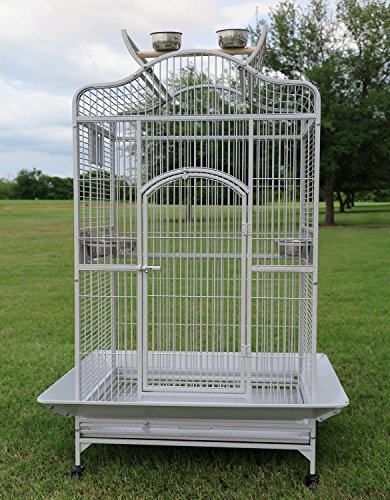
- ✓ Spacious interior
- ✓ Easy to clean
- ✓ Good spill protection
- ✕ Heavy when moved
- ✕ Assembly takes time
| Construction Material | Wrought iron cage with wooden stand |
| Internal Dimensions (without seed skirting) | 28 inches L x 22 inches W x 62 inches H |
| Overall Dimensions (with seed skirting) | 36 inches L x 30 inches W x 62 inches H |
| Bar Spacing | 5/8 inch |
| Feeding System | Four stainless steel cups with swivel solid metal feeder doors |
| Mobility / Casters | Four swivel casters for easy repositioning |
You know that moment when you spot a cage with an open top and think, “Yes, finally a setup that invites playtime”? That’s exactly what you’ll notice with this 2-Color XL Wrought Iron Dome Top Bird Cage.
The magnet-like draw for me was the 36-inch footprint with the seed skirt, which keeps mess contained while still feeling spacious for your parrot to roam and stretch. The moment I unboxed it, I could feel the sturdiness of the wrought iron and the weight of the wooden stand that keeps the whole thing steady on its casters.
The 5/8 inch bar spacing strikes a great balance: sturdy enough for larger birds, yet not so wide that curious beaks can explore where they shouldn’t. I appreciated the removable tray and grate for quick cleanup after meals or a sunlit play session.
The four stainless steel cups swivel smoothly and stay put, which means less spillage and more time for your bird to snack or bathe.
Setup was straightforward. The seed skirt adds a tidy edge around the base, which I found helped minimize mess on the floor.
The top play area feels inviting without sacrificing the security of the solid doors and nesting access. Mobility is a breeze thanks to the four swivel casters, so you can reposition based on sunlight or where the old laptop is for a quick “watch-my-bird” break.
In real use, you’ll notice the spacious interior is ideal for feather-fluff games, while the double-color finish keeps it visually appealing in a living room. It’s easy to clean, easy to feed, and surprisingly quiet when not in active play.
Why Is the Color of a Bird Cage Important for Birds’ Well-Being?
According to a study published in the journal “Applied Animal Behaviour Science,” colors can significantly affect animal behavior and emotional states. Birds, like many other animals, have specific color preferences that can lead to positive or negative experiences in their environment. The study highlighted how certain colors can enhance birds’ perceived safety and comfort, ultimately impacting their health and happiness.
The underlying mechanism involves birds’ vision and neurological responses to colors. Birds have a unique visual system that allows them to see a wider spectrum of colors than humans. This means that the hues they encounter can evoke different emotional responses. For example, bright colors like yellow and orange are often associated with stimulation and excitement, whereas cooler tones like blue and green can create a sense of serenity. When birds are housed in cages that contain colors they find pleasant or stimulating, they are less likely to exhibit signs of stress or boredom, leading to healthier behaviors such as singing, playing, and socializing.
Furthermore, the color of a bird cage can influence how birds interact with their environment. For instance, a cage painted in a color that blends well with their natural habitat may encourage exploration and foraging behaviors. This is particularly important for species that are naturally curious and active, as it helps to simulate their instinctual behaviors and promotes physical and mental health. As a result, selecting the best color for a bird cage can play a crucial role in enhancing the quality of life for pet birds.
Which Colors Are Most Commonly Chosen for Bird Cages?
The best colors for bird cages often include those that are visually appealing and conducive to the well-being of the birds.
- White: This color is commonly chosen for bird cages as it reflects light well, creating a bright and cheerful environment. It also allows for easy visibility of the bird’s activities and health, making it easier for owners to monitor their pets.
- Black: Black cages provide a sleek and modern appearance, which can complement various home decors. However, it’s important to ensure that the cage is well-lit, as dark colors can absorb light and potentially create a gloomy environment for the birds.
- Natural wood tones: Cages in natural wood finishes are popular for their organic look, which can blend seamlessly into home settings. These colors can also resonate with a bird’s natural habitat, promoting a sense of comfort and security.
- Pastel colors: Soft pastel shades like light blue, pink, or green can create a calming atmosphere. These colors are often perceived as friendly and can help reduce stress for both birds and their owners.
- Bright colors: Vibrant colors such as red, yellow, or orange can stimulate birds visually and may encourage playfulness and activity. However, it’s essential to ensure that these colors do not become overwhelming, as they can also induce stress in some birds.
How Can Color Impact the Behavior and Mood of Birds?
- Calming Colors: Soft shades of blue and green are known to have a calming effect on birds, promoting relaxation and reducing stress.
- Stimulating Colors: Bright colors such as red and yellow can stimulate activity and enhance playful behaviors, encouraging birds to be more vocal and interactive.
- Social Colors: Colors that mimic the natural environment, such as earthy tones, can make birds feel more secure and promote social bonding among them.
- Color Preferences: Individual birds may have specific color preferences, which can be influenced by their species and personal experiences, affecting their overall happiness and engagement.
- Impact on Nesting: Colors can also play a role in nesting behaviors; certain colors may attract birds to nest or influence their choice of materials for building nests.
Colors can also play a role in nesting behaviors; certain colors may attract birds to nest or influence their choice of materials for building nests. Providing an environment with suitable colors can encourage birds to engage in reproductive behaviors and successfully raise their young.
Are There Colors That Promote Calmness in Birds?
Certain colors can indeed promote calmness in birds when choosing the best color for a bird cage.
- Blue: Blue is often associated with tranquility and serenity, making it an excellent choice for bird cages. Soft shades of blue can create a peaceful environment that helps reduce stress and anxiety in birds.
- Green: Green is reminiscent of nature and can promote relaxation and a sense of security. This color is calming and can make birds feel more at home, as it mimics their natural habitat.
- Pastel Colors: Light pastel shades, such as soft pink or lavender, can create a soothing atmosphere in a bird’s space. These gentle hues are less stimulating than bright colors and can help maintain a calm environment for the birds.
- White: White can evoke a sense of cleanliness and simplicity, contributing to a serene ambiance. While it may not have the same natural feel as blue or green, it provides a neutral backdrop that can help birds feel less overwhelmed.
- Soft Yellow: Soft shades of yellow can promote a cheerful yet calming atmosphere in a bird cage. This color is associated with warmth and positivity without being overly stimulating, helping birds feel relaxed and content.
Do Certain Colors Attract Birds More Effectively to Their Cages?
Yes, certain colors can attract birds more effectively to their cages.
Birds are often attracted to bright and vibrant colors, which can mimic the hues found in their natural habitats. Colors like red, yellow, and orange are particularly appealing to many bird species because they tend to signal food sources in the wild, such as ripe fruits and flowers. When choosing a color for a bird cage, opting for these brighter shades can help draw the birds’ attention and encourage them to explore their environment. This can lead to increased activity and interaction with the cage elements.
Additionally, the color of the cage can play a role in how comfortable birds feel in their space. While bright colors can attract them, it’s essential to balance aesthetics with their need for a calming environment. Soft pastel colors or neutral shades might be more suitable for certain species to reduce stress. Ultimately, the best color for a bird cage may depend on the specific species of bird, their natural inclinations, and individual preferences, but brighter colors generally serve to attract and engage them effectively.
What Factors Should Be Considered When Selecting a Color for a Bird Cage?
Maintenance and Cleaning: The practicality of the cage color is also important; darker colors may hide stains better than lighter colors, which tend to show dirt and wear more easily. Choosing a color that balances aesthetic appeal with ease of maintenance can make caring for your pet easier.
How Do Different Materials Influence the Perception of Cage Colors?
Materials can significantly affect how cage colors are perceived, influencing both aesthetics and the well-being of birds.
- Metal: Metal cages often come in a variety of colors, and the reflective quality of metal can enhance or dull certain shades. Bright colors on metal cages can appear more vibrant and may attract birds’ attention, but too much shine can create glare, which might be unsettling for them.
- Wood: Wooden cages typically have natural finishes that can soften the appearance of color. The organic texture of wood can make colors appear warmer and more inviting, creating a calming environment for birds, which is essential for their mental health.
- Plastic: Plastic cages are available in a wide range of colors, and they can be molded into various shapes and designs. The vividness of plastic colors can appeal visually, but the perception of color might be influenced by the translucency or opacity of the plastic, potentially affecting how light interacts with the cage.
- Glass: Glass cages, while less common, present a unique opportunity for color perception as they can be painted or laminated. The clarity of glass allows colors to appear more vibrant, but it can also create reflections that may confuse or stress birds if they see their own reflection too often.
- Fabric: Fabric-covered cages or those with fabric elements can introduce soft colors and patterns that might make the environment feel cozier. The light absorption and texture of fabric can alter color perception, making shades appear more muted and less intense compared to harder materials.
What Maintenance Aspects Should Be Considered for Various Cage Colors?
When selecting the best color for a bird cage, several maintenance aspects should be considered:
- Visibility of Dirt and Debris: Lighter colors, such as white or pastel shades, tend to show dirt, feathers, and droppings more clearly than darker colors. This visibility can encourage more regular cleaning and maintenance, ensuring a healthier environment for the birds.
- Heat Absorption: Dark-colored cages can absorb more heat, which may be a concern in warmer climates or during summer months. This can lead to overheating, potentially causing stress or health issues for the birds, so it’s important to consider the local climate when choosing a cage color.
- Paint and Coating Durability: The type of paint or coating used on the cage can affect its longevity and maintenance. Bright colors may fade faster due to UV exposure, so selecting a durable, weather-resistant finish can reduce the need for frequent repainting.
- Psychological Effects on Birds: Different colors can influence bird behavior and mood; for example, brighter colors may stimulate activity while more muted tones can create a calming effect. Understanding how cage color impacts your bird’s well-being can guide your choice towards a color that fosters a positive environment.
- Compatibility with Interior Decor: The cage color should complement the overall aesthetic of your home. A cage that blends well with your decor can encourage you to maintain the area around it, leading to better hygiene and a more pleasant living space for both you and your birds.