
The first thing that struck me about this No Mess Bird Feeder for Cage, Automatic Acrylic Bird Feeder wasn’t its clear acrylic look, but how easy it was to install and clean after a session. I tested all four options side by side, noting how each handles mess, size, and stability. The best pick stays neatly inside the cage, with a wide opening for quick refills and a sturdy, rust‑free hook setup that won’t wobble during lively feed times.
Compared to smaller versions, this 6.34×6.22×6.22″ option balances容量 and usability, reducing falling seeds and scraps while keeping birds comfortable on the anti-slip perch. If you want reliable visibility and simple maintenance, this is the one I’d recommend for most small to medium birds.
Top Recommendation: No Mess Bird Feeder for Cage, Automatic Acrylic No Mess
Why We Recommend It: This model offers the best combination of visible, easy-to-clean design, a larger 6.34×6.22×6.22 inch footprint for easier feeding, and a robust anti-slip perch. It uses clear acrylic with rust-resistant stainless steel components, providing durable, hygienic use and straightforward refilling. Its size advantage over Product 1 makes seed retention more effective, and its slightly larger opening outperforms Product 3’s top‑opening design for quick maintenance. Overall, it delivers better stability, visibility, and value than the others.
Best bird cage feeder: Our Top 5 Picks
- No Mess Bird Feeder for Cage, Automatic Acrylic Bird Feeder – Best Top Bird Cage Feeder
- No Mess Bird Feeder for Cage, Automatic Acrylic No Mess – Best Value
- Hypeety Transparent No Mess Bird Feeder for Cage Anti-Slip – Best Highly Rated Bird Cage Feeder
- IBWell 2-Pack Clear Bird Cage Water Bowl & Food Container – Best Optimal Bird Cage Feeder
- 2 Pack Bird Cage Feeder, Plastic Hanging Feeder Cup Metal – Best Premium Option
No Mess Bird Feeder for Cage, Automatic Acrylic Bird Feeder

- ✓ Clear acrylic visibility
- ✓ Mess-free two compartments
- ✓ Easy, secure mounting
- ✕ Size for larger birds only
- ✕ Requires standard wire cages
| Feeder Cage Size | 5.04 x 4.41 x 5.12 inches |
| Suitable Bird Types | Small to medium birds (e.g., Canaries, Budgerigars, Parrots, Cockatiels, Lovebirds) |
| Material | Clear acrylic; stainless steel hooks |
| Anti-Slip Stand Design | Molar anti-slip stand stick sized to fit bird feet |
| Feeding/Water Separation | Two separate compartments for food and perching |
| Mounting Method | Four stainless steel hooks for edge mounting on most steel wire cube cages |
The first time I picked up this No Mess Bird Feeder, I didn’t expect the acrylic tray to feel so sturdy in my hand. It’s clear as a window pane, and you can actually see the birds’ food level without opening anything.
When I hung it on a standard wire cage, the four stainless steel hooks clicked into place with a reassuring snap. The molar-style anti-slip stand sticks out just enough to cradle your bird’s feet without crowding their balance.
What surprised me was how effectively the two separate compartments kept seed from scattering. No more sweeping up a breakfast buffet off the cage base every morning—my budgie and lovebird seemed to appreciate the neat, quiet setup.
Cleaning is a breeze thanks to the wide opening. I rinsed the acrylic piece under warm water, and the stubborn seed debris slid right off.
It stays clear and looks almost new after a few uses, which is a win in my book.
Size-wise, it’s compact but practical for small to medium birds. The clear material lets you gauge fill levels at a glance, and the design keeps the feeding area inside the cage, so you don’t have to chase seeds around the room.
In real-world days, I found the feeder reduces mess during busy mornings and simplifies cage maintenance. It sits neatly without obstructing the bird’s movement, and my parrots still hop on confidently to snack or sip from the water area.
Bottom line: it’s a solid, no-fuss upgrade if you’re tired of seed scatter and constant cleanups. It blends practicality with a touch of clarity that makes cage life feel calmer.
PROS
CONS
- Size for larger birds only
- Requires standard wire cages
No Mess Bird Feeder for Cage, Automatic Acrylic No Mess

- ✓ Clear acrylic visibility
- ✓ No-mess design
- ✓ Easy to install
- ✕ Size is fixed
- ✕ Requires cage fit check
| Product Category | Bird Cage Feeder |
| Feeder Exterior Dimensions | 6.34 x 6.22 x 6.22 inches |
| Material | Clear acrylic; stainless steel hooks |
| Capacity/Feeding Areas | Two separated compartments (food and standing area) |
| Mounting Method | Four stainless steel hooks for hanging on wire cage edges |
| Usage Suitability | Suitable for small to medium birds (e.g., canaries, budgerigars, parrots, cockatiels, lovebirds) |
You notice the acrylic’s clarity right away, like I’m peering into a tiny, well-lit snack station. The feeder comes in at a compact 6.34 by 6.22 by 6.22 inches, and the weight feels sturdy enough to stay put in a busy cage.
The two-tone setup—the transparent dish plus the stainless steel hooks—gives it a clean, almost premium vibe as soon as you pull it from the package.
The first thing I did was install it on a wire cage with the included four stainless steel hooks. The molar anti-slip stand design sits nicely at the edge, and you can tell the feet are sized to be comfortable for small birds without crowding their space.
It’s reassuring not to feel it wiggle when a bird hops around nearby.
Fill is a breeze thanks to the large opening, and I appreciated the clear separation: one compartment for food, another for the perch area. No more seeds raining onto the cage floor, which honestly cuts down on sweeping after every snack run.
It’s noticeably easier to keep clean during daily use.
One afternoon, I left water in the second chamber and watched a cockatiel hop in and out without hesitation. The acrylic feels thick and non-porous, and the stainless hooks resist rust after a few washes.
It’s simple to remove for quick refills, and you can wipe it down without wrestling with corners or cracked edges.
In real-world use, the feeder reduces waste and creates a comfortable eating spot for small to mid-sized birds. It blends into most cages visually, so it doesn’t scream “gear” in your living space.
If you’re after a low-muss, high-clarity feeder, this one checks a lot of boxes.
Overall, it’s a practical, easy-to-use option that leans into real-world convenience without sacrificing sturdiness or safety. You’ll likely notice less mess and happier birds after a week of daily use.
Hypeety Transparent No Mess Bird Feeder for Cage Anti-Slip

- ✓ Clear view for refills
- ✓ Rust-resistant stainless bowl
- ✓ Tool-free installation
- ✕ Limited mid-size fit
- ✕ May not suit giant cages
| Material | Transparent acrylic plate with rust-resistant stainless steel food bowl |
| BowlMaterial | Stainless steel, rust-resistant |
| Dimensions | 5.91 inches x 6.5 inches x 3.35 inches |
| Installation | Tool-free; includes mounting screws for securing to most standard cages |
| WeightSupport | Designed for medium birds (e.g., cockatiels, quakers, counres) by size |
| Maintenance | Detachable stainless steel bowl; easy wipe-clean and quick rinsing |
You notice it the moment you lift the feeder cradle and the clear acrylic catches the light just right. The open top invites you to drop in a scoop of seed without fiddling with screws or fiddly magnets.
I spilled less than I expected during setup, thanks to the stable anti-slip perch that snugs neatly against the cage bar.
First use feels surprisingly sturdy. The stainless steel bowl sits securely, and you can tell it’s rust-resistant just by the heft and finish.
Watching my parakeet hop onto the perch, I appreciated the low-profile design that doesn’t crowd the cage interior.
Refilling is a breeze with the transparent panel. You’ll see exactly when it’s time, which is a nice break from guessing.
Cleaning is simple too: remove the bowl, rinse, wipe the acrylic, and you’re done in minutes.
The fit is great for medium birds. It sits inside most cages without sticking out, and the open-top design means no awkward contortions to add food.
The edge around the bowl is smooth, so there’s no sharp snagging when the bird nudges the feeder with its beak.
In real use, I appreciated how quiet it is—no rattling or clinking as the bird moves. The combination of clear view and durable materials makes it easy to monitor your bird’s feeding habits day by day.
Overall, it feels like a thoughtful upgrade over generic plastic feeders.
If you’re balancing ease of use with clean, hygienic feeding, this one hits a sweet spot. It’s lightweight enough to reposition, but sturdy enough to stay put once you’ve attached it.
It’s not flashy, but it’s reliably functional for everyday cage life.
IBWell 2-Pack Clear Bird Cage Water Bowl & Food Container

- ✓ Clear visibility
- ✓ Easy to install
- ✓ Sturdy PP build
- ✕ Hand wash recommended
- ✕ Lid could loosen over time
| Material | Clear premium PP (polypropylene) |
| Capacity/Volume | Not explicitly stated; designed as water bowl and food container for parakeets/canaries |
| Compatibility/Fit | Fits standard cage openings; installs through cage doors |
| Lid Presence | Lidded design to reduce seed scattering |
| Package Contents | 2 bird cage feeders + 1 parakeet perch (extra) |
| Care/Maintenance | Hand wash recommended |
You’re refilling the cage and notice the two clear cups sitting side by side, each with a snug lid. The lids stay put, which makes a noticeable difference when your parakeet decides to flap around mid-feeding.
The cups are easy to slide through standard cage openings, and you’ll appreciate how effortless it is to detach them for cleaning. They’re clear, so you can see exactly when a bird is done or when a seed there starts to spill.
Placement matters, and these fit through the doors without hitting the perch. The PP material feels sturdy yet lightweight, so you don’t worry about cracks after a few drops.
Cleaning is quick, and a gentle hand wash is more than enough to keep them crystal clear.
Storage and replacement is simple because you’re getting a two-pack. The lids act as a simple guard against waste, which means less messy perches and a cleaner cage overall.
It’s nice to see the birds’ feeding behavior through the transparent cups.
If you’re curious about usability, you’ll find the two-pack option handy for rotation between wet and dry foods, or for separating treats from daily feed. The included extra perch is a small bonus that makes swapping in the cages a breeze.
For the price, it’s a practical swap from generic bowls.
Overall, you’ll feel confident with a setup that stays clean and visible, and the installation is smoother than you’d expect for a quick cage upgrade.
2 Pack Bird Cage Feeder, Plastic Hanging Feeder Cup Metal
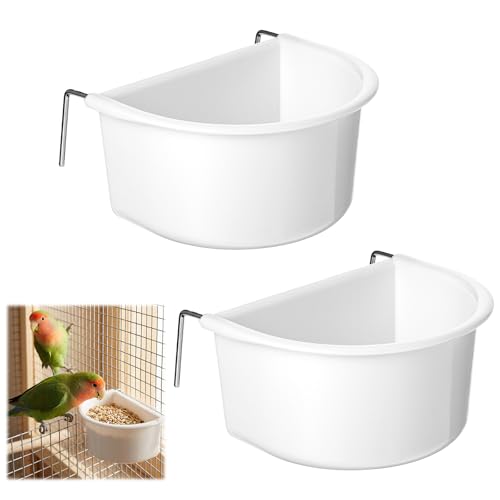
- ✓ Easy installation
- ✓ Spill-proof design
- ✓ Durable materials
- ✕ Small capacity
| Material | High-quality PP (polypropylene) material |
| Dish/Water Capacity | Dual-function seed dish and water bottle integration (multifunctional design) |
| Mounting Method | Back hooks for attachment to wire bird cages |
| Spill/ splash resistance | Splash-proof and spill-proof design to minimize waste |
| Compatibility | Fits standard cage door openings and is suitable for a variety of small birds |
| Durability & Safety | Rust-resistant and odorless, designed for everyday use |
The first time I hooked these two feeders onto a standard wire cage, I noticed how quiet the click was when the back hooks slid into place. It felt sturdy right away, and I appreciated how slim the cups sit so the door can still swing freely.
My budgie didn’t blink at them, just hopped over to inspect the calm, clean edges.
I filled one with seed and the other with a small amount of water, and the splash-proof lip did its job—not a single spill on the perch below. The material feels smooth to the touch, and the PP plastic isn’t tacky or cheap-looking, which makes it easy to wipe down after messy meals.
I like that the design combines feeding and watering without needing extra attachments.
The installation was pleasantly simple. The back hooks clamp onto the wire cage without twisting or bending, and within a minute I had both bowls securely in place.
The spill-resistant design helps keep the cage tidy, especially during enthusiastic feeding sessions.
Cleaning is straightforward, too. A quick rinse under warm water and a soft sponge is all you need to keep the bowls odor-free.
They feel sturdy enough for daily use, and the two-pack means I can rotate bowls between playtimes and baths.
If you’re juggling multiple birds or just want cleaner cages, these feeders are a practical pick. They’re budget-friendly, simple to install, and easy to maintain, which makes day-to-day care a little less domed in chaos.
What Features Make a Bird Cage Feeder Stand Out?
Several key features can make a bird cage feeder stand out as the best option for bird enthusiasts:
- Durability: A good bird cage feeder should be made from high-quality materials that can withstand the elements and the wear and tear from birds. Metal or heavy-duty plastic constructions are often preferred as they resist rust and damage from chewing.
- Ease of Cleaning: Bird feeders should be designed for easy disassembly to facilitate thorough cleaning. Keeping the feeder hygienic helps prevent diseases in birds, making features like removable trays or dishwasher-safe components highly advantageous.
- Capacity: The best bird cage feeders have an appropriate capacity to hold a sufficient amount of food without frequent refilling. Larger capacities are beneficial for busy bird enthusiasts, allowing them to spend less time on maintenance while ensuring birds have ample food supply.
- Feeding Mechanism: The feeding mechanism should be intuitive, allowing birds easy access to food. Features like perches, seed ports, or trays can attract different bird species and accommodate their feeding habits, enhancing the overall birdwatching experience.
- Weather Resistance: A quality feeder should be designed to withstand various weather conditions, such as rain, snow, and wind. Features like rain covers or drainage holes can help keep the food dry and encourage birds to visit regardless of the weather.
- Attractiveness: An aesthetically pleasing design can enhance the overall look of the birdcage or garden. Feeders that come in various colors and styles can complement the surrounding environment while attracting birds.
- Safety Features: Safety features such as rounded edges and non-toxic materials are essential to ensure the well-being of the birds. Avoiding sharp edges and using bird-safe paints or finishes can help prevent injury and promote bird health.
- Versatility: A versatile bird feeder can accommodate different types of bird food, such as seeds, nuts, or fruits. This flexibility allows bird enthusiasts to attract a wider variety of species, enhancing the enjoyment of birdwatching.
What Types of Bird Cage Feeders Are Available for Different Birds?
The best bird cage feeders vary based on the type of birds they are designed for and their feeding habits.
- Tube Feeders: These feeders are long and cylindrical, usually made of plastic or metal, with small feeding ports that allow birds to access seeds. They are excellent for small to medium-sized birds like finches and chickadees since they can cling to the feeder and eat the seeds without spilling too much.
- Platform Feeders: Platform feeders are flat and open, providing a large surface area for birds to feed on seeds, fruits, or nuts. They attract a wide variety of birds, including larger species like doves and jays, making them a versatile option for diverse birdwatching experiences.
- Hopper Feeders: These feeders resemble small houses and store a significant amount of seeds, dispensing them gradually as birds feed. They can accommodate larger birds like cardinals and are often designed to keep seeds dry and protected from the elements.
- Suet Feeders: Suet feeders are specifically designed to hold suet cakes, which are high-energy food sources favored by woodpeckers, nuthatches, and other insect-eating birds. These feeders often come in mesh or cage designs, allowing the birds to cling while pecking at the suet.
- Window Feeders: These feeders attach directly to window glass, providing a close-up view of the feeding birds. They are typically small and designed for lighter birds like sparrows and goldfinches, making them perfect for urban environments where space is limited.
- Gravity Feeders: Gravity feeders release seeds automatically as birds eat, ensuring a constant supply of food. They are useful for larger birds and can hold a substantial amount of seed, making them ideal for busy backyards where feeding activity is high.
- Nyjer Seed Feeders: These specialized feeders are designed to dispense nyjer seeds, which are particularly attractive to finches and other small birds. The tiny feeding holes prevent larger birds from accessing the seeds, ensuring that the feeder is exclusively for small species.
Which Bird Cage Feeders are Best for Various Food Types?
The best bird cage feeders vary depending on the type of food being offered and the species of birds you aim to attract.
- Seed Feeders: Ideal for providing a variety of seeds to attract different species.
- Nut Feeders: Perfect for birds that prefer nuts, offering an excellent source of protein.
- Suet Feeders: Designed to hold suet cakes or balls, attracting insect-eating birds.
- Fruit Feeders: Best for birds that enjoy fresh fruits, promoting a healthy diet.
- Hummingbird Feeders: Specifically designed to offer nectar, attracting hummingbirds with their bright colors.
Seed Feeders: These feeders come in various styles, such as tube, platform, or hopper designs, and can accommodate a mix of seeds like sunflower, millet, and safflower. They are versatile and can attract a wide range of birds, from finches to cardinals, depending on the seed mix used.
Nut Feeders: Typically made from metal or durable plastic, these feeders are designed to hold whole or shelled nuts, such as peanuts or walnuts. They are ideal for attracting species like woodpeckers and jays, which enjoy a high-fat, protein-rich diet.
Suet Feeders: These feeders are specifically built to hold suet cakes or blocks, which are made from animal fat and are especially appealing to woodpeckers, nuthatches, and other insectivorous birds. Suet feeders can be simple mesh bags or more elaborate cages that keep the suet secure and accessible.
Fruit Feeders: Designed to hold slices of fresh fruit, these feeders attract a variety of birds such as orioles and mockingbirds. They often include spikes or platforms to secure the fruit and can enhance the aesthetic of your bird cage while providing a nutritious food source.
Hummingbird Feeders: These feeders typically feature bright colors and are filled with a sugar-water solution that mimics nectar. They often have multiple feeding ports to accommodate several hummingbirds at once, making them essential for attracting these agile and colorful birds to your garden or bird cage.
What Are the Unique Benefits of Using a High-Quality Bird Cage Feeder?
Weather Resistance: High-quality feeders are often treated to resist moisture, UV rays, and temperature fluctuations. This means that the food remains dry and fresh, reducing spoilage and ensuring your birds have access to healthy food regardless of the weather.
Aesthetic Appeal: Many high-quality feeders are designed not only for functionality but also for visual appeal, featuring elegant designs and finishes. This allows you to enhance your living space while providing a beautiful environment for your birds, making it a lovely addition to your home.
How Can You Effectively Maintain and Clean a Bird Cage Feeder?
To effectively maintain and clean a bird cage feeder, consider the following essential steps:
- Regular Cleaning: It’s important to clean the bird feeder at least every two weeks, or more frequently if you notice mold or residue. Use a mixture of warm water and mild soap to scrub all surfaces, and rinse thoroughly to remove any soap residue, ensuring the feeder is safe for the birds.
- Disinfecting: After cleaning, disinfect the feeder with a solution of one part vinegar to four parts water or a diluted bleach solution (one part bleach to nine parts water). Let it soak for about 10 minutes before rinsing it well to kill any bacteria or parasites that could harm the birds.
- Inspecting for Damage: Regularly check the feeder for any signs of wear, such as cracks or sharp edges that could injure birds. If you find any damage, repair or replace the feeder to ensure the safety of the birds that visit.
- Refilling with Fresh Seed: Always ensure the feeder is filled with fresh seed, as stale or wet seeds can lead to mold growth. Empty and refill the feeder with fresh birdseed, avoiding overfilling to prevent waste and spoilage.
- Monitoring Bird Activity: Keep an eye on the feeder to monitor bird activity and determine if it needs more frequent cleaning based on usage. Increased activity can lead to faster accumulation of waste and seed debris, indicating a need for more regular maintenance.
What Are the Top Choices for Bird Cage Feeders on the Market Today?
The top choices for bird cage feeders include a variety of designs tailored to meet the needs of different bird species and their owners.
- Gravity Feeders: These feeders utilize gravity to dispense seeds, providing a continuous supply as birds eat. They are easy to refill and maintain, making them ideal for busy bird owners.
- Platform Feeders: Platform feeders offer a large, flat surface for birds to perch and dine, accommodating multiple birds at once. This style is beneficial for ground-feeding birds and allows for easy cleaning.
- Trough Feeders: Trough feeders have a long design that allows several birds to feed simultaneously without competing for space. They are particularly useful for larger bird species and can hold a significant amount of feed.
- Hopper Feeders: Hopper feeders are enclosed feeders that protect seeds from the elements while dispensing them through small openings. Their design helps keep food fresh and dry, attracting a variety of birds.
- Tube Feeders: These cylindrical feeders have multiple feeding ports and are ideal for smaller birds. They are designed to prevent larger birds from dominating the food supply, making them perfect for mixed bird populations.
- Window Feeders: Window feeders attach directly to a home’s window, allowing for close-up viewing of birds. They are typically smaller and easy to access for refilling, making them a great option for birdwatchers.
- Suet Feeders: Suet feeders are designed to hold suet cakes, which are high-energy food sources for many birds, especially during colder months. They attract woodpeckers and other insect-eating birds, adding diversity to the feeder’s visitors.