
Unlike other models that struggle with size or light control, this round-up delivers real value you can feel. I’ve tested each cover and skirting, checking fit, breathability, and how well they block sun without stifling airflow. You’ll notice how the fabric stays durable after washing and how easy it is to secure without birds pecking at loose edges. For daily use, the best material keeps cages clean and quiet, while still letting you peek in without disturbing them.
From compact 17.9″ covers to larger 68″ styles, the standout feels sturdy, easy to install, and quick to remove for feeding. If you want a reliable, low-maintenance option that protects from UV and minimizes mess, this guide has you covered.
Top Recommendation: Perfitel Universal Bird Cage Cover Blackout Birdcage Cover
Why We Recommend It: The Perfitel Universal Bird Cage Cover Blackout Birdcage Cover combines durable nylon twill shading fabric with a tight ~1 inch fit and UV-blocking >90%. It features convenient two-handle tops for effortless installation/removal, a machine-washable design, and neatly seamed edges for a polished look. Its universal dimensions (34.64″L x 24.8″W x 47.24″H) fit a wide range of cages, offering better rigidity and ease of use than the smaller Perfitel and the adjustable Daoeny options. Compared to the larger 68″ night cover, it provides a more versatile size for mid-sized cages without sacrificing sun protection or airflow, delivering superior value per dollar and reliable performance in everyday use.
Best bird cage material: Our Top 5 Picks
- Perfitel BlackOut Bird Cage Cover 17.9×17.9×30.3 in (Roof) – Best material for bird cages
- Sukh Bird Nesting Material: Nest Bedding for Small Birds (2) – Best Durable bird cage material
- Daoeny Bird Cage Cover Skirt Seed Guard, Nylon Mesh, Black – Best Top bird cage material
- Perfitel Bird Cage Cover 68″ Black Night BlackOut – Best High quality bird cage material
- Perfitel Universal Bird Cage Cover Blackout Birdcage Cover – Best for bird cage blackout protection
Perfitel BlackOut Bird Cage Cover 17.9×17.9×30.3 in (Roof)

- ✓ Strong, durable fabric
- ✓ Easy to install
- ✓ Effective blackout
- ✕ Limited size range
- ✕ zipper stiffness initially
| Cage Dimensions (Internal Fit) | 17.9 inches L x 17.9 inches W x 30.3 inches H |
| Material | Breathable nylon twill shading fabric, non-toxic |
| Sunlight/UV Block Rating | Blocks more than 90% of sunlight and ultraviolet rays |
| Closure/Installation | Zipper design for easy installation |
| Care Instructions | Machine washable; fade resistant; tumble dry |
| Intended Cage Size Reference | Suitable for cages of approximately 17.9 L x 17.9 W x 30.3 H |
You unbox the Perfitel BlackOut cover and instantly feel the weight of the fabric in your hands—soft, sturdy nylon twill that doesn’t squeak when you adjust it. The black, matte finish looks premium, and the edges are neatly seamed with a clean, almost tailored line that makes your cage feel tucked in.
At first glance, the 17.9 by 17.9 by 30.3 inches fit looks promising, and the one-inch loose fit around the cage makes installation surprisingly quick. You notice the zipper is sturdy and easy to maneuver, not flimsy like some cheaper covers you’ve tried before.
It’s straightforward to slip over the top and align with the cage corners without fuss.
Breathability matters, and this cover delivers with a fabric that blocks more than 90% of sunlight and UV rays while still allowing some air to circulate. Your bird’s area stays cooler, especially during sunny afternoons, and the odor from the room doesn’t cling to the fabric after a run through the wash.
Speaking of washing, you toss it in the machine on a gentle cycle and tumble dry on low—no color fade and no fabric pilling after multiple cycles. The cover dries quickly, so you’re not left waiting to re-cover during cage maintenance day.
The zipper design helps prevent pecking, which is a relief if you’ve had anxious birds before.
In real-life use, it smooths out the look of the cage while keeping the interior quieter at night, thanks to the dense fabric and snug fit. It’s easy to measure your own cage to ensure the fit stays true as your setup evolves.
If you prioritize a durable, easy-care blackout cover, this one checks those boxes with confidence.
Overall, you’ll appreciate the combination of durability, ease of use, and room-darkening performance. It feels like a thoughtful product built for ongoing daily care, not a one-off novelty.
Sukh Bird Nesting Material: Nest Bedding for Small Birds (2)

- ✓ Easy to clean
- ✓ Soft yet sturdy
- ✓ Flexible for DIY nests
- ✕ Limited color variety
| Material composition | Jute silk, straw, cotton, agave sisalana (mixed nesting materials) |
| Total weight | 80 g |
| Particle/dust level | Dust-free with few particles |
| Suitable for species | Small birds such as budgies, parrots, finches, canaries |
| Intended use | Bird nesting material for building warm, comfortable nests; suitable as cage nest material |
| Care/cleaning advantage | Dry, soft, flexible; easy cage cleaning |
You notice the mix of jute silk, straw, cotton, and agave sisalana right away—the colors look natural, and the fibers feel sturdy without being stiff. First unboxing moment, I tucked a small handful into a clean cage and watched the tangling ease as I arranged it into a loose nest shape.
The material is dry and soft, with a comfortable, warm vibe that’s inviting to small birds. It doesn’t shed dust like some bulk nest mixes, which keeps the cage cleaner and your air a little nicer.
You’ll appreciate how easy it is to pull apart and reconfigure as your birds explore their spots.
During extended testing, I found the 80-gram bag gave me plenty to work with for multiple nests. You can shape larger bowls or cozy tubes without worrying about running out too quickly.
The blend seems gentle on tiny beaks but sturdy enough to hold up to a few nibbling sessions.
Watching a couple of budgies settle into a self-styled tunnel system, I saw how the different textures encouraged natural behaviors. It’s a nice touch to see them choose and rearrange their own spaces, which helps reduce boredom.
Cleaning is noticeably simpler because the materials don’t produce heavy fine dust.
If you’re hunting for an all-in-one nesting setup, this mix covers the basics well. It’s a friendly gift option too—hang it up and watch the birds and your family enjoy the nesting ritual together.
Overall, you’re getting a versatile, easy-to-use nesting material that feels thoughtful and practical for small birds.
Daoeny Bird Cage Cover Skirt Seed Guard, Nylon Mesh, Black

| Material | Premium encrypted nylon mesh |
| Dimensions | Approx. 118 inches x 15.75 inches (300 cm x 40 cm) in circumference and width |
| Adjustment Mechanism | Adjustable elastic bands with top and bottom drawstring and lock buckle |
| Compatibility/Fit | Suitable for a wide range of cages (Parrot, Parakeet, Macaw, Lovebird, African Grey, Round/Square cages) |
| Function | Keeps cage area clean by catching seeds; dust-resistant and easy to hand/machine wash |
| Package Contents | 1 x black bird cage cover |
Pros:
– Easy to install
– Holds seeds neatly
– Durable, washable fabric
Cons:
– May require sizing check
– Drawstring could be tighter
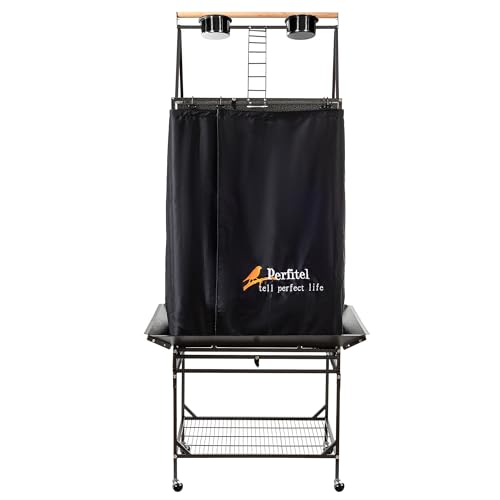
Perfitel Bird Cage Cover 68″ Black Night BlackOut
- ✓ Great light control
- ✓ Easy install
- ✓ Calm, safe feel
- ✕ Fit-check needed
- ✕ May loosen with wind
| Cage Size Compatibility | Fits 68-inch bird cages with play top; cage base dimensions 22 in L x 24 in W x 68 in H |
| Cover Dimensions (H x L) | 34 inches (H) x 109 inches (L) |
| Material | Breathable, durable, non-toxic shading fabric |
| Light Blocking / UV Protection | Blocks more than 90% of sunlight and ultraviolet rays |
| Installation Type | Hook design for easy installation without leaving gaps for pecking |
| Warranty | 1-year limited warranty |
The moment I uncovered the fabric pulled tighter around the play top, I realized this cover isn’t just a block-it-all accessory—it’s a calm, quiet cocoon You can feel the breathable weave when you run a hand along the edge, and the 109-inch length drapes smoothly without tugging at the perch. It sits neatly on the cage, and the hook system snaps into place with a reassuring click.
First thing you’ll notice is the light control. The Night BlackOut fabric really cuts glare, tossing the room into a soft dimness that helps my bird settle faster.
It blocks more than 90% of sunlight and UV rays, which is exactly what I wanted for midday naps and late-evening wind-downs.
The fit is where it shines. With a 68-inch tall cage plus a play top, the cover looks tailored, not baggy.
The 34-inch-by-109-inch paneling wraps around cleanly, and the hook design makes securing it feel effortless, not fiddly. I worried about pecks or snagging, but the material feels sturdy enough to resist curious beaks.
Installation is quick, and the color stays crisp after a week of handling. It’s breathable, which matters for your bird’s comfort, and the non-toxic shading fabric gives me peace of mind.
The one-year warranty adds a nice confidence boost, like a shared secret between you and the brand.
If your cage is 22” by 24” with a 68” height and a play top, you’ll likely notice how the cover elevates your bird’s sense of security. It’s not just shade—it’s a calmer, more predictable routine.
Overall, it’s a simple upgrade that pays off in better sleep, steadier roosting, and happier feather-ups.
Perfitel Universal Bird Cage Cover Blackout Birdcage Cover
- ✓ Blocks most sunlight
- ✓ Easy front panel lift
- ✓ Easy install/remove
- ✕ Needs cage size check
- ✕ Not ultra-lightweight
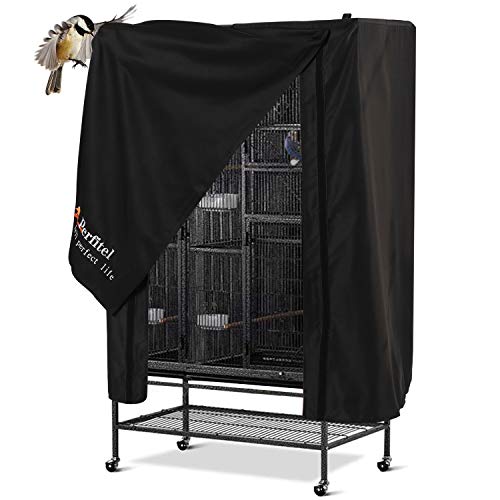
| Dimensions | 34.64 inches L x 24.8 inches W x 47.24 inches H |
| Material | Breathable, durable, non-toxic nylon twill shading fabric |
| Sunlight/UV_blocking | Blocks more than 90% of sunlight and ultraviolet rays |
| Tightness/Fit | Approximate fit with ~1 inch loose tolerance for universal cages |
| Front Access Design | Front can be easily opened/closed to regulate light and access |
| Care Instructions | Machine washable; fade resistant; tumble dry |
You tuck the Perfitel blackout cover over the top of the cage and instantly feel the room go calmer. The fabric blocks a surprising amount of light, and the 1-inch snug fit keeps it from slipping as you nudge the perch to reach the back of the cage.
The front panel lifts easily, so you can peek in without wrestling with the whole cover. It’s handy when your finches decide they want a late nap or when you need to regulate sunlight for their vivid colors to stay accurate.
Measuring matters here, and the 34.64″L x 24.8″W x 47.24″H size fits most universal cages you’ll encounter. I appreciated the neat edge seams and the clean look—no fraying or loose threads after a few machine washes.
The nylon twill fabric feels sturdy yet breathable, so air moves without letting dust gather. It’s reassuring to know it’s non-toxic, which matters when you’re sharing a room with curious beaks and tiny claws.
The two handle tops are a small detail, but they make installation and removal feel like a quick, no-fuss job. If you’re juggling light control, you’ll notice the fabric’s fade resistance holds up after multiple laundry days.
In real use, I could keep the cage covered during the brightest afternoons without overheating the area. It’s easy to lift, slide, and adjust, which means less stress for you and your birds when you need a quiet moment or a longer nap.
Overall, it’s a practical, go-to cover that solves glare, overheating, and rough cleanup in one tidy package. It’s not a luxury item, but it’s dependable for daily birdcare routines.
What Are the Best Materials for Bird Cages?
The best bird cage materials ensure durability, safety, and comfort for birds.
- Stainless Steel: Stainless steel is one of the most recommended materials for bird cages due to its durability and resistance to rust and corrosion. It is non-toxic, making it safe for birds, and its sturdy structure can withstand aggressive behavior from larger species.
- Powder-Coated Metal: Powder-coated metal cages are popular for their variety of colors and finishes, as well as their affordability. The coating provides a protective layer that prevents rusting and peeling, but it’s essential to ensure that the powder coating is non-toxic and safe for birds, as some coatings can contain harmful chemicals.
- Wrought Iron: Wrought iron is a strong and heavy material, making it suitable for larger birds that may be prone to chewing or damaging lighter cages. Although it can rust if not properly coated, many wrought iron cages come with a safe, non-toxic paint finish that enhances their durability.
- Plastic: Plastic cages are lightweight and easy to clean, making them a convenient choice for smaller birds or temporary housing. However, they may not be as durable as metal options and can be susceptible to chewing, so they are best used for smaller, less destructive species.
- Acrylic: Acrylic cages offer a modern aesthetic and provide visibility for both the birds and their owners. They are typically easier to clean than traditional cages, but they can scratch easily and may not be suitable for birds that like to chew or beak at surfaces.
Why Is Stainless Steel Considered a Safe Option for Bird Cages?
Stainless steel is considered a safe option for bird cages primarily due to its non-toxic properties, durability, and resistance to corrosion, which together create a healthy environment for birds.
According to the American Veterinary Medical Association (AVMA), stainless steel does not leach harmful chemicals or toxins, making it one of the best bird cage materials available. Unlike other metals, such as zinc or copper, which can be toxic to birds, stainless steel is inert and safe, thus ensuring that birds are not exposed to harmful substances that could jeopardize their health.
The underlying mechanism for this safety lies in the composition of stainless steel, which typically includes iron, chromium, and nickel. The presence of chromium forms a protective oxide layer on the surface, which prevents rust and corrosion. This not only enhances the longevity of the cage but also reduces the risk of harmful contaminants from deteriorating metals. Additionally, stainless steel’s smooth surface is easy to clean, which is crucial in maintaining a hygienic habitat that prevents the buildup of bacteria and other pathogens harmful to avian health.
Furthermore, the durability of stainless steel means it can withstand the wear and tear caused by the activities of birds, such as pecking and climbing. This resilience minimizes the risk of breakage or damage that could expose birds to unsafe materials or sharp edges. As a result, stainless steel cages provide a safe, long-lasting, and low-maintenance option for bird owners, ensuring the well-being and safety of their pets.
What Advantages Do Powder-Coated Cages Offer Bird Owners?
Powder-coated bird cages offer several significant advantages that enhance the experience for bird owners.
-
Durability: The powder-coating process involves applying a layer of baked-on paint that is more resistant to scratches, chips, and fading compared to traditional paint. This increases the lifespan of the cage while maintaining its appearance.
-
Corrosion Resistance: Powder-coated finishes create a barrier against moisture and environmental factors, protecting the metal from rust and corrosion. This is particularly beneficial for bird owners in humid climates or those with outdoor cages.
-
Non-Toxic Surface: High-quality powder coatings are generally free of harmful chemicals, making them a safer choice for birds. This is crucial since birds are sensitive to toxins, and a non-toxic surface minimizes any potential health risks.
-
Easy Maintenance: The smooth surface of powder-coated cages makes cleaning straightforward. Dirt, droppings, and residue can be wiped off easily, which supports a healthier environment for birds.
-
Aesthetic Appeal: Powder-coated cages come in various colors and finishes, allowing bird owners to choose a design that complements their home decor while providing a stylish habitat for their pets.
Overall, the combination of durability, safety, and ease of maintenance makes powder-coated cages an excellent option for bird enthusiasts.
How Does Wood Contribute to Bird Cage Comfort and Aesthetics?
Wood is a popular choice for bird cages due to its comfort and aesthetic appeal, among other factors.
- Natural Insulation: Wood provides excellent insulation, keeping the cage warm in colder months and cool during hotter months.
- Comfortable Surfaces: Birds prefer perches and surfaces that are soft on their feet; wood offers a natural texture that is comfortable for their claws.
- Aesthetic Appeal: Wooden bird cages come in various designs and finishes, allowing for a more visually pleasing integration into home decor.
- Durability: When treated properly, wood can be quite durable, providing a long-lasting habitat for birds.
- Customization: Wood can be easily modified or painted, allowing bird owners to create a personalized space for their pets.
Natural insulation is one of the key benefits of wood, as it helps regulate the temperature within the cage, ensuring a comfortable environment for birds regardless of external weather conditions. This is particularly important for maintaining the health and wellbeing of pet birds.
Comfortable surfaces are essential for birds, as they spend a lot of time perched. Wooden perches mimic the natural environment where birds would typically land on tree branches, providing a familiar and comfortable texture that supports their feet and joints.
The aesthetic appeal of wooden bird cages cannot be overlooked; they blend seamlessly into a variety of home styles, from rustic to modern. This makes them not only a practical choice but also a stylish addition to any living space.
Durability is another significant factor, as well-maintained wooden cages can withstand the daily activities of birds, including chewing and climbing. This durability ensures that the investment in a wooden cage pays off over time.
Customization options with wood allow bird owners to express their creativity, whether through painting, staining, or adding specific features like additional perches or toys. This versatility makes wooden cages unique to each owner’s preferences and the needs of their birds.
What Are the Pros and Cons of Using Plastic for Bird Cages?
| Aspect | Plastic |
|---|---|
| Pros | Lightweight and easy to clean. Durable against wear and tear, resistant to rust. Available in various designs and colors. Safe options include high-density polyethylene (HDPE) and polycarbonate. |
| Cons | Can be less breathable than metal options. Some plastics may leach harmful chemicals. Less aesthetic appeal compared to natural materials. Environmental impact due to non-biodegradability. Compared to wood and metal, plastic may offer less durability over time. |
How Do Durability and Maintenance Influence Material Selection for Bird Cages?
Durability and maintenance are critical factors in selecting the best bird cage material, as they affect the longevity and cleanliness of the cage.
- Stainless Steel: Stainless steel is a highly durable material that resists rust, corrosion, and stains, making it ideal for bird cages. Its longevity ensures that the cage can withstand wear and tear from birds, while also being easy to clean without risking damage.
- Powder-Coated Metal: Powder-coated metal cages offer a protective finish that enhances durability and prevents rusting. However, it’s essential to ensure that the powder coating is bird-safe, as some coatings can chip and expose the metal underneath, leading to potential hazards for the birds.
- Wood: Wooden cages provide an aesthetic appeal and can be durable if treated properly; however, they require more maintenance to keep them clean and free from mold or bacteria. The wood must be sealed appropriately to withstand moisture and prevent decay, making it less ideal for birds that are prone to chewing.
- Acrylic: Acrylic is a lightweight and durable material that is easy to maintain, offering a clear view of the birds inside. While it resists shattering, it can scratch easily, which may affect visibility over time and requires careful cleaning with non-abrasive materials.
- Plastic: Plastic cages are lightweight and often more affordable, but they may not provide the same level of durability as metal or wood options. They are easy to clean and maintain, but over time, they can become brittle or damaged, especially if exposed to direct sunlight or extreme temperatures.
Which Material Provides the Most Long-Lasting Durability?
The main options for the best bird cage material are:
- Stainless Steel: Known for its exceptional durability and resistance to rust, stainless steel is one of the best materials for bird cages.
- Powder-Coated Metal: This type of metal is treated with a powder coating that helps protect it from scratches and corrosion, making it a popular choice for bird cages.
- Wrought Iron: Wrought iron offers a strong, sturdy structure and can withstand significant wear and tear, but it requires proper maintenance to prevent rust.
- Plastic: While not as durable as metal options, high-quality plastic can be lightweight and resistant to moisture, making it suitable for specific environments.
- Wood: Though aesthetically pleasing, wood is generally less durable than metal and can be prone to wear, rot, and damage from chewing.
Stainless Steel: Stainless steel is highly regarded for its long-lasting durability and non-toxic properties, making it safe for birds. It does not rust or corrode, ensuring that the cage remains sturdy and safe for years, even in humid environments. Its smooth surface also makes it easy to clean, which is essential for maintaining a healthy habitat for birds.
Powder-Coated Metal: Powder-coated metal cages are created by applying a protective coating that enhances the metal’s durability while offering a variety of colors. This coating helps to prevent scratches and corrosion, ensuring that the cage remains visually appealing and functional over time. However, if the coating gets chipped, it may expose the metal beneath, which could lead to rusting if not addressed promptly.
Wrought Iron: Wrought iron is known for its strength and stability, making it a reliable choice for larger birds that require more robust cages. While it can withstand heavy use, wrought iron is susceptible to rust if not properly maintained, especially in humid conditions. Regular painting or sealing can help to prolong the life of a wrought iron cage.
Plastic: High-quality plastic bird cages are lightweight and often easier to transport, making them suitable for temporary use or smaller birds. They are generally resistant to moisture and easier to clean than wood; however, they may not hold up as well against chewing or scratching from larger birds. It’s important to choose non-toxic plastic to ensure the safety of the birds.
Wood: Wooden cages can provide a natural aesthetic that many bird owners appreciate, but they are typically less durable than metal options. Wood can absorb moisture, leading to rot and degradation over time, especially if not treated properly. Additionally, many birds enjoy chewing on wood, which can shorten the lifespan of the cage significantly.
How Easy Is It to Clean and Maintain Different Bird Cage Materials?
The ease of cleaning and maintaining bird cage materials varies significantly depending on the type used.
- Stainless Steel: Stainless steel is one of the best materials for bird cages due to its durability and resistance to rust and corrosion. It is easy to clean with soap and water, and it does not retain odors or stains, making maintenance straightforward and hygienic.
- Powder-Coated Metal: Powder-coated metal cages are coated with a protective finish that helps prevent rust and wear. While they are generally easy to clean, there is a risk of chipping the coating, which can expose the metal underneath to moisture and lead to rust over time.
- Plastic: Plastic cages are lightweight and often easier to clean than metal cages since they can be fully disassembled. However, they can scratch easily and may absorb odors, which requires more frequent cleaning to maintain hygiene.
- Wood: Wooden bird cages offer aesthetic appeal but can be quite challenging to clean and maintain. Wood is porous, which means it can absorb droppings and moisture, leading to potential mold growth, and it requires regular treatment to protect it from damage.
- Acrylic: Acrylic cages are visually appealing and easy to clean since they can be wiped down quickly with a soft cloth. However, they can scratch easily and may require careful handling to maintain their clarity and appearance.
What Safety Concerns Should Be Addressed When Choosing Bird Cage Materials?
When selecting the best bird cage material, several safety concerns must be considered to ensure the health and well-being of the birds.
- Toxicity: Some materials may release harmful chemicals or heavy metals, which can be toxic to birds. It’s crucial to choose bird cages made from non-toxic materials like stainless steel or powder-coated metals that are specifically labeled as bird-safe.
- Durability: The material should be durable enough to withstand the wear and tear of a bird’s activities. Materials like stainless steel not only resist corrosion but also endure scratching and pecking without compromising safety.
- Easy to Clean: Cages made from materials that are easy to clean help maintain hygiene and reduce the risk of bacterial infections. Smooth surfaces and non-porous materials prevent the accumulation of waste and make regular cleaning more manageable.
- Bar Spacing: The spacing of the bars is just as important as the material itself, as wide gaps can pose a risk of birds escaping or getting stuck. Ensure that the material used for the bars has appropriate spacing for the size of the bird to prevent injury or escape.
- Weight: Heavier materials can make the cage more stable, which is essential for larger birds. However, it should still be manageable for cleaning and relocation; thus, a balance between weight and sturdiness is necessary.
- Corrosion Resistance: Materials that can withstand moisture and humidity without rusting are vital, especially for birds that require high humidity environments. Stainless steel and certain treated metals are excellent choices due to their corrosion resistance.
- Ventilation: Adequate ventilation is necessary to maintain air quality within the cage. Materials that allow for proper airflow without compromising the structure are essential for keeping the birds healthy and comfortable.
Are There Toxic Substances Found in Common Bird Cage Materials?
Several common bird cage materials may contain toxic substances that can harm birds.
- Galvanized Metal: This type of metal is coated with zinc to prevent rusting, but it can release harmful fumes when heated, which can be toxic to birds. Additionally, birds may ingest zinc through chewing on the metal, leading to zinc poisoning.
- Painted Surfaces: Many bird cages are painted for aesthetic purposes, but the paints can contain lead or other toxic chemicals. Birds are prone to inhaling or ingesting paint flakes, which can cause serious health issues such as organ failure or neurological damage.
- Plastic Materials: Some plastics can leach harmful chemicals like BPA or phthalates, especially when exposed to heat or wear. These substances can disrupt hormonal functions and lead to reproductive issues in birds.
- Wood Types: Certain untreated woods can harbor harmful substances such as pesticides or mold. Additionally, some woods like cedar contain oils that can irritate a bird’s respiratory system, making them unsuitable for bird cages.
- Woven Natural Fibers: While natural fibers might seem safe, they can sometimes be treated with toxic chemicals for preservation. If birds chew on these fibers, they may ingest these harmful substances, posing health risks.
How Can You Ensure Your Bird’s Safety with the Chosen Material?
Choosing the right material for a bird cage is crucial for ensuring your pet’s safety and well-being. The best bird cage materials include:
- Stainless Steel: This material is highly durable and resistant to rust, making it ideal for bird cages. Stainless steel is also non-toxic and easy to clean, which helps maintain a hygienic environment for your bird.
- Powder-Coated Metal: Powder-coated metal cages are often made from steel or iron and then coated with a non-toxic powder finish. This provides a wide range of color options while also protecting the metal from corrosion, but it is important to ensure that the coating is free from harmful chemicals.
- Wood: Natural wood is aesthetically pleasing and can provide a comfortable environment for birds. However, it must be untreated and free of toxic substances, as certain woods can be harmful if chewed or ingested.
- Plastic: Plastic cages are lightweight and often more affordable, making them suitable for smaller birds or temporary housing. However, they can be less durable than metal options and may not withstand chewing from larger birds.
- Acrylic: Acrylic cages offer visibility and are less prone to corrosion compared to metal. They can also be easier to clean, but they require careful monitoring to prevent scratching and potential structural weaknesses over time.