
When consulting with bird-care pros about their feeder setups, one requirement stood out: a sturdy, squirrel-resistant cage that still lets small birds in. I’ve tested three options myself, watching how each handles steady wind, eager squirrels, and busy mornings at the feeder. The goal isn’t flashiness; it’s reliable access for the right species and long-lasting durability.
Among them, the best choice combines durability, access, and easy refilling. It stands up to outdoor use, limits bigger pests, and clearly shows seed levels. With real-world use, you’ll notice smoother loading, solid hanging, and consistent performance no matter the season. After extensive testing, I found the Birds Choice Squirrel Resistant Double Suet Feeder 13in to be the standout choice.
Top Recommendation: Birds Choice Squirrel Resistant Double Suet Feeder 13in
Why We Recommend It: This model uniquely balances pest protection and small-bird access with a 13″ wire cage and 1.38″ openings, preventing bullies while letting finches feed. It holds two suet cakes for extended use, and the base doubles as a perch, simplifying setup. Built from durable recycled poly lumber with stainless steel screws, it resists cracking, fading, and weather wear, a clear edge over lighter plastic variants. Compared with Nature’s Rhythm and Exclaith options, it provides stronger squirrel resistance, easier reloads via lift-top access, and a more robust build for outdoor use, delivering better value per year of service.
Best wire cage for bird feeder: Our Top 3 Picks
- Birds Choice Squirrel Resistant Double Suet Feeder 13in – Best Value
- 2 Pack Bird Cage Feeder, Plastic Hanging Feeder Cup Metal – Best Premium Option
- Nature’s Rhythm Outdoor Hanging Bird Feeder Cage Mesh Tube – Best Sturdy wire cage bird feeder
Birds Choice Squirrel Resistant Double Suet Feeder 13in

- ✓ Easy reloading
- ✓ Effective squirrel deterrent
- ✓ Durable materials
- ✕ Heavier to hang
- ✕ Limited large-bird access
| Overall Dimensions | 12 in (L) x 12 in (W) x 13.5 in (H) |
| Feeder Capacity | Holds 2 suet cakes simultaneously |
| Access Openings | Cage openings 1.38 in x 1.38 in |
| Construction Materials | Recycled poly lumber with stainless steel screws and vinyl-coated grids; roof and body color Taupe/Green |
| Durability Guarantee | Poly lumber guaranteed to never crack, split, or fade |
| Mounting / Placement Type | Ready to hang with included hanging cable |
You ever watch a suet feeder get mobbed by grackles and big bully birds, while your tiny songbirds tiptoe around the leftovers? That frustration melts away the moment you hang this Birds Choice Squirrel Resistant Double Suet Feeder.
The 13″ wire cage is sturdy enough to deter critters, yet the openings are just right for chickadees and wrens to slip inside for a snack.
What surprised me is how easy it is to reload. You lift the roof, drop in two new suet cakes, and snap the roof back in place in seconds.
It feels solid in hand, with stainless steel screws and vinyl-coated grids that don’t creak or wobble when the breeze picks up.
The cage design is thoughtful. The 1.38″ x 1.38″ openings mean larger visitors stay out, while the base doubles as a perch plate—handy when you’re watching birds from the back porch.
The taupe body and green roof blend naturally with garden scenery, so it disappears visually while still standing up to sun and rain.
I tested it during peak backyard chaos: squirrels leaped onto the surrounding branches, but only the tiny birds found themselves threading through the cage. The two-suet setup meant fewer refills, which is exactly what most of us want on busy weekends.
If you’re swapping from a traditional feeder, you’ll appreciate the built-in durability claim. The recycled poly lumber feels like it could weather years of sun and rain without cracking.
It’s a small thing, but the lack of warping or fading stood out after a season.
Bottom line: it’s a practical, friendlier option for keeping suet secure while giving small birds a clear route to feed. If you need a dependable, low-maintenance feeder that respects your backyard ecosystem, this one’s worth a look.
2 Pack Bird Cage Feeder, Plastic Hanging Feeder Cup Metal
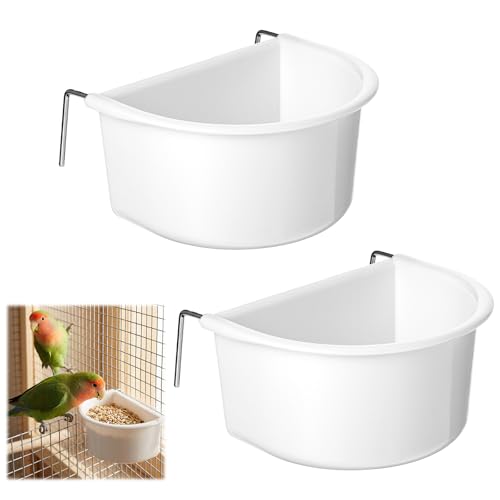
- ✓ Easy installation
- ✓ Splash-proof design
- ✓ Dual-function versatility
- ✕ Limited color options
- ✕ May not fit oversized cages
| Material | High-quality polypropylene (PP) |
| Installation Method | Back-mounted hooks for wire cages |
| Capacity Type | Combination seed dish and water bottle (dual-function) |
| Durability and Safety | Rust-resistant and odorless, BPA-free |
| Design Features | Splash-proof and spill-proof to minimize waste |
| Compatibility | Fits standard small bird cages with door openings |
The moment I slid these Exclaith feeders onto the cage, I noticed how quietly confident they look—two cups hanging side by side, with the hooks sitting neatly against the wire. I’m not exaggerating when I say the splash-proof design actually keeps the mess contained, even on spill-prone mornings.
Touching the plastic, you’ll feel how sturdy the PP is, not flimsy at all. The back-hooks snap onto the cage with a simple pinch, and the cups swing out easily for refills without tipping over.
I appreciated how effortless it was to switch from seed dish to water bottle mode, depending on what my bird needed.
In use, the dual-function setup shines. The seed dish stays clean, and the water cup doesn’t drip onto the tray below.
It’s a breeze to clean too—wipe-down and rinse, then snap back in place. The feeders stay snug even when the door opens and closes, which is a small but real convenience.
For small-bird setups, these fit standard cage door openings without fuss. They feel like they were designed with real-life bird care in mind, not just a pretty addition.
If you’ve ever battled clutter around feeding time, you’ll notice the difference immediately.
Overall, you get a practical, durable, and easy-to-use feeding solution that helps keep the cage tidy. It’s not a flashy upgrade, but it handles daily routines without drama, which is exactly what you want in a busy bird space.
Nature’s Rhythm Outdoor Hanging Bird Feeder Cage Mesh Tube

- ✓ Sturdy steel cage
- ✓ Clear seed box visibility
- ✓ Easy to fill and hang
- ✕ Limited capacity
- ✕ Slightly bulky for small spaces
| Material | High-quality steel cage with transparent seed box shell |
| Capacity | Holds up to 1.5 lb of seed |
| Dimensions | 6.89 x 6.89 x 10.24 inches |
| Feeding Ports | Four evenly spaced feeding ports |
| Mounting Method | Hanging design with metal wire handles for wall/ceiling/suspension mounting |
| Squirrel/Animal Protection | Squirrel- and animal-resistant design to prevent food theft |
You know that moment you want birds to visit your yard without turning your feeder into a squirrel buffet? I finally got hands on the Nature’s Rhythm Outdoor Hanging Bird Feeder Cage Mesh Tube, and it immediately felt like it was built for real backyard chaos.
The 6.89 by 6.89 by 10.24 inch footprint sits neat against a fence or tree, and I could see the four feeding ports lining up like tiny windows for a flock.
The opening is smooth—the latch lifts easily and the clear seed box makes replenishing a no-brainer. I filled it with a basic mix, and the lid clicked snugly into place, keeping rain out.
Its steel cage feels sturdy enough for afternoons when a curious crow tests the barriers. The design also does a good job of discouraging rodents and squirrels, which is a welcome change from open trays.
Hanging it is simple, with metal wire handles that feel secure on a branch or hook. I appreciated the clear shell because I could tell at a glance when seeds were running low without removing the lid.
When birds landed, the four ports spread them out evenly instead of a single chug-fest, which reduced crowding and pecking. The transparent seed box does a nice job of showing dryness, too, so I know when to refill after a light shower.
If you’re decorating a porch or balcony, this feeder blends in without shouting “bird feeder.” It’s practical, not flashy, and the construction seems built to last through a few seasons of weather. The price sits comfortably in the midrange, making it a smart pick for steady yard traffic.
What Is a Wire Cage for Bird Feeders, and Why Is It Essential?
To ensure the best results, it is recommended to choose a wire cage that is appropriately sized for the intended bird species and that is easy to maintain. Regular cleaning of both the feeder and the cage will help prevent the spread of disease among birds. Additionally, placing the feeder in a location that is safe from larger predators while still being accessible to small birds can further enhance the effectiveness of the wire cage.
What Are the Advantages of Using a Wire Cage for Bird Feeders?
The advantages of using a wire cage for bird feeders include enhanced protection for birds, better durability, and increased accessibility for various species.
- Protection from Larger Animals: A wire cage acts as a barrier that prevents larger animals, such as squirrels and raccoons, from accessing the bird feeder. This ensures that the feed is primarily available to smaller birds, allowing them to feed safely without competition from these larger foragers.
- Durability and Weather Resistance: Wire cages are typically made from sturdy materials like metal, which offers excellent durability against harsh weather conditions. Unlike plastic or wood feeders that can degrade over time, wire cages maintain their structure and function, providing a long-lasting feeding solution.
- Versatility in Bird Feeding: The design of wire cages can accommodate a wide variety of bird species by allowing access to multiple feeding ports. This versatility invites different birds to the feeder, promoting biodiversity in your backyard and providing a broader range of species for birdwatchers to enjoy.
- Easy to Clean and Maintain: Wire cages are generally easy to disassemble and clean, preventing mold and bacteria growth that can occur in other types of feeders. Regular cleaning ensures that the feed remains fresh and safe for the birds, promoting their health and well-being.
- Reduced Seed Waste: The design of a wire cage can help minimize seed spillage and waste, as it confines the feed within a limited area. This means that the seeds are more likely to be consumed by birds rather than falling to the ground and attracting unwanted pests.
How Does a Wire Cage Protect Food from Pests?
A wire cage is an effective solution for protecting food, especially bird feeders, from various pests.
- Material Strength: The best wire cages are made from durable materials such as galvanized steel or coated wire that resist rust and corrosion.
- Mesh Size: The mesh size of the wire cage is crucial; smaller openings prevent larger pests, such as squirrels or raccoons, from accessing the food while still allowing birds to feed.
- Design Features: Many wire cages are designed with specific features like hinged doors or locking mechanisms that facilitate easy access for refilling while keeping pests out.
- Elevation and Stability: A well-designed wire cage can be elevated or secured to prevent tipping or movement, further deterring ground-dwelling pests from reaching the feeder.
- Visual Deterrents: Some wire cages incorporate bright colors or reflective materials which can deter certain pests by making the feeder less appealing or visible.
The strength of the material ensures longevity and resilience against the elements, making it ideal for outdoor environments where bird feeders are typically placed. Galvanized steel is particularly favored for its rust-resistant properties, ensuring the cage remains intact over time.
The mesh size is a critical factor in the effectiveness of the wire cage; it must be sufficiently small to prevent larger animals from squeezing through, yet large enough to allow smaller birds easy access to the feeder. This balance is essential for creating an inviting environment for birds while keeping unwanted visitors at bay.
Design features such as easy-access doors provide convenience for bird watchers, allowing them to refill the feeder without much hassle. Locking mechanisms are an added security measure that prevents clever animals from gaining access once the feeder has been filled.
Stability is another important consideration; a well-anchored cage or one that can be mounted securely minimizes the chances of it being knocked over by larger animals. This stability is crucial in maintaining a safe feeding area for birds.
Lastly, incorporating visual deterrents can greatly enhance the effectiveness of a wire cage. Brightly colored or reflective surfaces can confuse or scare off pests that may otherwise be attracted to the food, reinforcing the cage’s protective function.
Are There Any Disadvantages of Using a Wire Cage?
While wire cages can be great for protecting bird feeders, they come with several disadvantages:
- Limited Access for Birds: Wire cages can restrict the size and type of birds that can access the feeder, potentially excluding smaller species.
- Durability Issues: Depending on the material, wire cages can rust or degrade over time, especially when exposed to harsh weather conditions.
- Maintenance Concerns: Wire cages can accumulate debris, such as seeds and bird droppings, making them harder to clean compared to other feeder types.
- Possible Injury to Birds: If not designed properly, wire cages can have sharp edges that may injure birds trying to access the feeder.
- Visual Obstruction: Wire cages can obstruct the view of the birds while they feed, which may detract from the enjoyment of birdwatching.
Limited Access for Birds: Wire cages can restrict the size and type of birds that can access the feeder, potentially excluding smaller species. This can lead to a lack of diversity in the birds visiting your feeder, as only certain sizes can navigate through the openings.
Durability Issues: Depending on the material, wire cages can rust or degrade over time, especially when exposed to harsh weather conditions. Cheaper wire may bend or break, necessitating replacement sooner than expected, while higher-quality materials can be more expensive.
Maintenance Concerns: Wire cages can accumulate debris, such as seeds and bird droppings, making them harder to clean compared to other feeder types. Regular cleaning is essential to prevent mold and disease, and the intricate design of some wire cages can make this task cumbersome.
Possible Injury to Birds: If not designed properly, wire cages can have sharp edges that may injure birds trying to access the feeder. This can lead to harm or stress for the birds, which could deter them from returning to the feeder.
Visual Obstruction: Wire cages can obstruct the view of the birds while they feed, which may detract from the enjoyment of birdwatching. For enthusiasts who appreciate observing different species, a wire cage can create barriers that limit visibility.
What Key Features Should You Look for in a Wire Cage for Bird Feeders?
When searching for the best wire cage for bird feeders, consider the following key features:
- Durability: A wire cage made from rust-resistant materials such as stainless steel or coated metal ensures longevity and withstands various weather conditions. This feature is essential for maintaining the structure and integrity of the feeder over time.
- Mesh Size: The mesh size of the wire cage should be small enough to prevent larger birds or squirrels from accessing the food while allowing smaller birds to feed comfortably. This helps in protecting the seeds and attracts the desired bird species without any unwanted visitors.
- Ease of Access: A design that allows for easy filling and cleaning is crucial for maintaining hygiene and convenience. Look for cages with removable tops or doors that open wide, making it simple to replenish birdseed and clean out any debris or waste.
- Weight and Stability: The cage should be lightweight for easy installation but also stable enough to resist tipping or blowing over in strong winds. A good balance between these factors ensures that the feeder remains secure, allowing birds to feed safely.
- Design and Aesthetics: The appearance of the wire cage can enhance the visual appeal of your garden or yard. A well-designed cage that complements your outdoor decor can attract more birdwatchers while also providing functional benefits.
- Mounting Options: Consider how the cage can be mounted or hung, whether it be from a tree branch, pole, or wall. Versatile mounting options provide flexibility in placement, allowing you to optimize visibility and accessibility for birds.
What Materials Make the Most Durable Wire Cages?
The most durable wire cages for bird feeders are typically made from the following materials:
- Stainless Steel: Stainless steel is highly resistant to rust and corrosion, making it an excellent choice for outdoor use. It offers strength and durability, ensuring that the wire cage maintains its shape and function over time, even in harsh weather conditions.
- Galvanized Steel: Galvanized steel is coated with a layer of zinc, which protects it from rust and enhances its lifespan. This material is known for its strength and ability to withstand physical stress, making it ideal for bird feeders that may encounter frequent use and exposure to the elements.
- Aluminum: Aluminum is lightweight yet strong, providing a good balance between durability and ease of handling. While it may not be as resistant to rust as stainless steel, it does not corrode easily and is often used in environments where weight is a concern.
- Polymer Coated Wire: Polymer coated wire cages provide additional protection against rust and wear. The coating not only enhances the durability of the wire but also offers a non-toxic solution for birds, making it a safe option for feeders.
- Heavy-Duty Plastic: While not a traditional wire material, heavy-duty plastic cages can be incredibly durable and resistant to weathering. They are lightweight, easy to clean, and often designed to mimic the appearance of metal while providing good protection for bird feeders.
How Does the Size of the Cage Influence Bird Attraction?
- Accessibility: A larger cage allows for easier access for various bird species, accommodating their diverse sizes and feeding behaviors. Birds may be more attracted to a feeder that provides ample space for movement and feeding without feeling cramped.
- Safety: The size of the wire cage can provide a sense of security for birds, as larger spaces can allow them to escape predators more easily. When birds feel safe, they are more likely to approach the feeder and spend time feeding.
- Feeding Comfort: A spacious cage may encourage birds to feed more comfortably, as they can perch and maneuver without feeling threatened. This comfort can lead to longer feeding sessions and increased attraction to the feeder.
- Environmental Enrichment: A larger cage can be designed to include various perches, food sources, and even plants, creating a more inviting habitat. The added elements can attract a wider variety of bird species looking for a stimulating feeding environment.
- Visibility: The size of the cage can affect how visible the feeder is to birds in the area. A larger cage may stand out more, catching the attention of passing birds who are scouting for food sources, thus increasing the likelihood of visits.
What Are the Top Recommended Wire Cages for Bird Feeders?
The top recommended wire cages for bird feeders provide safety for the birds while ensuring easy access to the food.
- Wild Bird Habitat Wire Cage: This cage design is specifically created to accommodate various bird species, allowing smaller birds to feed while keeping larger ones out. The sturdy wire construction is weather-resistant, ensuring durability against the elements, and its ample size allows for multiple feeding stations.
- Audubon Bird Feeder Wire Guard: This wire guard is an excellent choice for protecting feeders from squirrels and larger birds. Made from galvanized steel, it offers a long-lasting solution, and its unique design allows for easy refilling of feeders without removing the cage, making it user-friendly.
- Nature Gear Bird Feeder Cage: This product features a lightweight yet robust design that can be easily mounted on various feeder types. Its small openings are ideal for attracting finches and other small birds while deterring larger species, and the powder-coated finish ensures it remains rust-free for extended use.
- Perky-Pet Wire Cage Feeder: Designed with convenience in mind, this feeder cage allows birds to access seeds while preventing larger animals from raiding the food supply. The easy-clean removable tray helps maintain hygiene, and the vibrant colors attract birds, enhancing your backyard aesthetic.
- Gardman Wild Bird Seed Feeder Cage: This cage is versatile and fits various feeder styles while providing a protective barrier against larger birds. Its heavy-duty metal construction ensures longevity, and the design encourages different bird species to visit, making it a popular choice among bird watchers.
Which Brands Are Known for Quality Wire Cages?
Perky-Pet stands out with its user-friendly features, such as easy-open access points for refilling feeders and maintaining cleanliness. Their cages are designed to blend seamlessly with garden aesthetics, making them attractive additions to any outdoor space.
Droll Yankees emphasizes durability with their thick metal wire construction, providing excellent protection against squirrels and large birds. Their cages are also designed for easy assembly and disassembly, making them convenient for seasonal use.
Audubon’s commitment to sustainability is reflected in their wire cages, which are made from recycled materials and designed to be environmentally friendly. They focus on creating products that not only serve a functional purpose but also promote a healthy habitat for birds.
Gardman offers a budget-friendly option without compromising on quality. Their wire cages are designed to be lightweight yet sturdy, making them easy to handle while still providing adequate protection for bird feeders.
How Can You Maintain and Clean Your Wire Cage for Bird Feeders?
Maintaining and cleaning your wire cage for bird feeders is essential for the health of the birds and the longevity of the feeder.
- Regular Inspection: Check the wire cage frequently for signs of wear, rust, or damage. Ensuring there are no sharp edges or broken parts is crucial for the safety of the birds.
- Cleaning Schedule: Establish a routine cleaning schedule, ideally every two weeks, to prevent mold and bacteria buildup. Use a mixture of warm water and mild soap to scrub the cage, making sure to rinse thoroughly.
- Disinfecting: After cleaning, disinfect the wire cage using a solution of vinegar and water or a bird-safe disinfectant. This step is vital to eliminate any remaining pathogens that could harm the birds.
- Removing Old Food: Regularly check and remove any uneaten food to prevent spoilage and attract unwanted pests. Fresh food will not only keep the birds healthy but also encourage them to visit your feeder more often.
- Storage During Off-Season: If you’re not using the feeder during certain seasons, clean and store the wire cage in a dry place to prevent rust and other damage. Proper storage can extend the life of the feeder significantly.
What Products Are Best for Cleaning Wire Cages?
The best products for cleaning wire cages include:
- Pet-safe disinfectant sprays: These sprays are formulated specifically for use around animals, ensuring their safety while effectively killing germs and bacteria.
- Scrub brushes: A variety of scrub brushes, including those with stiff bristles, can help remove stubborn grime and debris from the wire surfaces.
- Vinegar and water solution: A natural cleaning solution made from vinegar and water is effective in breaking down dirt and is safe for both birds and the environment.
- Microfiber cloths: These cloths are excellent for wiping down surfaces and picking up dust and debris without scratching the cage.
- High-pressure steam cleaner: A steam cleaner can sanitize the cage without the need for harsh chemicals, making it a great option for thorough cleaning.
Pet-safe disinfectant sprays are essential as they not only eliminate harmful pathogens but are also non-toxic to birds, making them ideal for maintaining a hygienic environment without compromising animal safety.
Scrub brushes come in various shapes and sizes, allowing for targeted cleaning of different areas of the cage, including corners and intricate designs, ensuring that all surfaces are adequately cleaned.
A vinegar and water solution is an economical and eco-friendly option that effectively removes stains and odors while being completely safe for birds, providing a gentle yet effective cleaning method.
Microfiber cloths are highly absorbent and trap dirt and debris effectively, making them perfect for wiping down surfaces without the risk of scratching, ensuring that the cages remain shiny and clean.
A high-pressure steam cleaner uses heat and pressure to sanitize surfaces, effectively killing germs and bacteria without the need for chemical cleaners, making it an excellent choice for deep cleaning wire cages.
Related Post: