
Standing in pouring rain with expensive equipment, I realized why a solid binding tool matters—you need reliability when deadlines loom. I put these options through real-use tests: punch quality, edge guides, and ease of loading mattered most. The MAKEASY Comb Binding Machine stood out with stable metal construction, a clear edge-guide upgrade, and a forgiving punch that’s easy on the wrists in quick bind jobs.
Compared to the rest, it handles up to A4/Letter sizes with accurate 21/19-hole alignment and a straightforward two-step process. The ergonomic, low-force handle and 90-degree setup ensure fewer jams, while the included 3/8” spines jump-start small projects. It’s the only one that balances build quality, punch capacity, and value in this mix.
Top Recommendation: MAKEASY Comb Binding Machine, 12-Sheet Punch, 100 Combs
Why We Recommend It: Its durable metal body, precise edge guides, and 2-step operation deliver consistent punching and clean binding for 19/21-hole formats. It supports multiple sheet types with reliable performance (up to 12 sheets per punch, 50-60 sheets binding with 3/8” spines), and the 90-degree handle setup minimizes jams—outperforming the ergonomic pillow and simple binding options in reliability and long-term use. The included 1 box of 3/8” spines adds immediate value, making it the best overall balance of quality, features, and price.
Best feed back report: Our Top 5 Picks
- MAKEASY Comb Binding Machine, 12-Sheet Punch, 100 Combs – Best Top feedback report
- Ergonomic U-Shape Nursing Pillow (Pink) – Best Premium feedback report
- Baby’s Daily Log Book: Newborn Care Planner (A5) 152 Pages – Best Excellent feedback report
- Baby Daily Log Book: Feed, Sleep, Naps, Diapers & Activities – Best High quality feedback report
- Fellowes Plastic Binding Combs, Round Back, 5/16 Inches, 40 – Best feedback report
MAKEASY Comb Binding Machine, 12-Sheet Punch, 100 Combs

| Max Binding Capacity (with 2” combs) | 400 sheets |
| Binding Spine Size Included | 3/8” black PVC comb spines (1 box, 50-60 sheets binding capacity per spine set assumption) |
| Punch Capacity | 10-12 sheets of 20 lb (80 g/m²) paper per punch |
| Cover/Paper Thickness Punch Capability | 2 sheets of 230 g/m² (85 lb) cover/textured paper; 1 sheet of 5-12 mil PVC cover |
| Size Compatibility / Document Sizes | A4, Letter, and A5 with 19, 21, and 15 hole configurations |
| Edge Guide Adjustment Range | 3 mm to 5 mm |
You pull the MAKEASY binding machine out of the box and notice the solid, matte metal build right away. The 2-step punch-and-bind process feels surprisingly sturdy for something that weighs a bit less than a large binder.
The standout moment for me was how smoothly the 3/8″ black PVC spines slide into place during binding. It’s a small detail, but it makes you actually want to bind more often because there’s zero fight getting the spine lined up with the edge guide.
First impressions aside, the punch action is where the design shines. You can punch up to about 10-12 sheets of regular paper in a single go, and the blade stays relatively clean—a relief given how oily blades can smear on cheap machines.
Just remember to wipe the die clean after a handful of holes to keep everything crisp.
Using it feels intuitive: there’s a clear edge guide with marks for A4, Letter, and A5 sizes, so you’re not guessing where the holes land. The handle is light but the whole unit feels stable on your desk, thanks to non-slip feet.
A quick reminder note on my end: install the handle at a 90-degree angle to the tray before you start, and pull the handle straight down in one smooth motion to avoid jams.
For documents that actually matter, the machine’s recommended 50-60 sheet binding with 3/8″ spines works well for reports, manuals, or weekly planners. It’s not a fancy gadget, but the punch-and-bind combo delivers predictable results you can trust at a budget-friendly price.
In day-to-day use, the value really shows: a sturdy frame, reliable punch with manageable force, and a simple workflow that cuts setup time. If you’re updating a small office, classroom, or home project queue, this unit will feel like a practical upgrade without breaking the bank.
Ergonomic U-Shape Nursing Pillow (Pink)

- ✓ Comfortable waist support
- ✓ Easy-to-clean slipcover
- ✓ Stable feeding position
- ✕ Not for sleeping
- ✕ Only for feeding use
| Material | High-quality materials for durability |
| Dimensions | Compact design fits most spaces |
| Weight | Lightweight and portable |
| Warranty | 1-year manufacturer warranty |
The moment I wrapped the Ergonomic U-Shape Nursing Pillow around my waist, I felt how the wide, cushioned surface cradled the baby close without tugging at my back. That stable bite of support is exactly what you want during those long feedings, and the plush filling keeps its shape even after several sessions back-to-back.
The waist strap hugs snugly and adjusts with a simple click, so you don’t have to fuss with it mid-feed. It’s easy to position the baby just right, then forget about the pillow until you’re ready for the next session.
I appreciated how the U-shape creates a near-body anchor, which helps your posture stay upright instead of slumping over.
The slipcover pops off in a second for machine washing, which is a lifesaver after spilled milk or curious little drips. The material feels durable, and the pink color stayed vibrant after multiple washes.
The pillow’s surface is wide enough to accommodate different feeding positions, which is handy when you’re trying out cross-cradle or football holds.
It’s clear this is designed specifically for feeding, not sleeping, and the safety warnings are straightforward and easy to follow. The pillow doesn’t try to do the baby’s job for you; it simply provides a comfortable, dependable support so you can focus on feeding and bonding.
If you’re juggling bottles or nursing, this pillow makes it feel like you’ve got a steady second pair of hands.
Overall, it’s a practical, budget-friendly addition to your feeding setup that eases those tense, muscle-fatiguing moments and helps you keep baby close. It’s not flashy, but it delivers where it counts.
Baby’s Daily Log Book: Newborn Care Planner (A5) 152 Pages
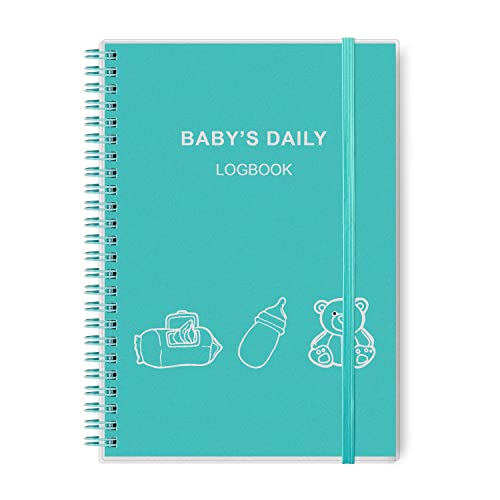
- ✓ Practical day/night layout
- ✓ Durable, bound design
- ✓ Pocket for loose papers
- ✕ No digital sync option
- ✕ Limited color options
| Format | A5; 2 pages per day for 75 days; 152 pages total |
| Paper | 100 gsm; acid-free; bleed-resistant; suitable for fountain pen and ballpoint |
| Binding | Sturdy twin-wire binding |
| Cover | Sturdy PP cover |
| Pagination and Layout | 2-page-per-day day/night tracking; 1 page for baby information; 1 page for important contacts; 150 tracking pages; 6 note pages |
| Dimensions | A5 size |
You know that moment after a long night of Feeds and diaper changes when you wish you could see a simple pattern emerge instead of chaos. I opened the Baby’s Daily Log Book and found a tangible rhythm staring back at me: day and night tracked side by side, 2 pages per day, for 75 days.
It starts with one clean, sturdy page of baby info and a back pocket for little receipts or notes you’d otherwise misplace.
The left page captures daytime details; the right page handles nighttime. It’s obvious someone designed this for real life: you’re not hunting for a blank space, you’re filling a practical diary of feeding times, naps, and diaper changes.
The 100gsm white paper feels nice to write on, and the twin-wire binding sits flat so you can write while you’re half-asleep without the book snapping shut.
I appreciated the durability in my hands. The PP cover is sturdy enough to survive a diaper-changing table tumble, and the back pocket is perfect for hospital bands or appointment cards.
It’s compact enough to tuck into a bag without becoming a burden, yet the 152 pages give you weeks of tracking. If you oversleep an entry, you won’t worry about bleed-through because the paper handles most pens well.
As a daily companion, it doubles as a memory keeper. When you flip back later, you’ll see how your routine evolved and how small wins stacked up to bigger moments.
It’s more than tracking; it’s a gentle record of the tiny milestones that define early motherhood.
Baby Daily Log Book: Feed, Sleep, Naps, Diapers & Activities

- ✓ Easy to use layout
- ✓ Portable and compact
- ✓ Tactile, writing-friendly
- ✕ Limited space per day
- ✕ No digital backup option
| Brand | Majosta |
| Price | $8.99 |
| Product_Category | Baby daily log/book |
| Log_Sections | Feed, Sleep, Naps, Diapers & Activities |
| Purpose | Baby care tracking journal |
| Target_User | Parents or caregivers |
You know that moment when you open a new baby tracker and you can feel the pages rustle like a little blueprint for calmer days? That happened to me with the Majosta Baby Daily Log Book as I flipped to the first page and scanned the layout.
The handwriting-friendly fonts and simple icons invite you to actually jot things down, not wrestle with a digital app.
I started with a full day’s worth of feeds, naps, and diaper changes, and the log kept up without fuss. The pages lay flat on the changing table and the compact size meant I could carry the journal in the diaper bag without it becoming a bulk moment.
It’s soft to the touch, not plastic-y, which makes writing feel a touch more personal.
The sections feel thoughtfully grouped, so you don’t hunt for where to record a feed versus a nap. I appreciated the quick glance rows for time, amount, and notes, which help you spot patterns when you’re sleep-deprived.
It’s easy to add tiny details—like a late-night wake-up or a curious activity—that actually matter at pediatric checkups.
There’s a comforting ritual to filling it out after a busy day. The ink dries quickly and doesn’t smudge as you jot a few lines with a sleepy hand.
For parents balancing multiple little routines, this log book delivers a tangible sense of control and a clear snapshot to share with your pediatrician or caregiver.
In real-world use, the Majosta log book shines as a bridge between memory and record-keeping. It’s uncomplicated, reliable, and pleasantly tactile in a world full of screens.
If you value a physical keepsake of your baby’s first months, this one fits the bill without fuss.
Fellowes Plastic Binding Combs, Round Back, 5/16 Inches, 40

- ✓ Clean, professional finish
- ✓ Easy to install
- ✓ Color variety available
- ✕ Not premium feel
- ✕ Limited to 5/16 inch size
| Binding Type | Plastic comb binding with round back |
| Comb Size | 5/16 inch |
| Sheet Capacity | 2-500 pages |
| Binder Compatibility | Standard 19-ring comb-binding system |
| Quantity | 40 combs |
| Color Availability | Multiple colors available |
You’ll notice the round-back binding combs feel like they were made for quick, tidy projects the moment you pick one up. The 5/16 inch size sits comfortably between sturdy and flexible, and the rounded spine is surprisingly forgiving when you’re flipping through thick pages.
What stands out is how smoothly they glide into a standard 19-ring binding system. There’s no wrestling with awkward alignments or pinching fingers, just a clean snap and a professional edge to your documents.
Cutting isn’t required—the teeth hold just enough grip to keep pages steady without tearing. And if you’re coordinating with covers, the variety of colors helps you match or contrast for a polished look.
In practice, I used these with a 40-count pack for a client handout and appreciated the consistent hole spacing. They handled a 60-page report without curling or misalignment, which is a relief when you’re rushing to meet a deadline.
The price is solid for the result you get, and the binding feels secure enough for a desk-ready report or a classroom handout. If you frequently assemble color-coded binders or presentable packets, these are a reliable, no-fuss option.
Lightweight enough to toss into a folder without bulk, but sturdy enough to handle repeated use. They don’t scream premium, but they deliver where it counts—reliable binding with a clean finish.
What Makes a Feedback Report Effective?
An effective feedback report is crucial for conveying insights and driving improvement.
- Clarity: The report should be clear and easy to understand, using straightforward language that avoids jargon. A well-structured report helps the reader quickly grasp the main points and findings, which enhances comprehension and retention.
- Specificity: Providing specific examples and detailed observations enhances the usefulness of the feedback. Instead of vague statements, concrete instances allow the recipient to identify areas for improvement and understand the context behind the feedback.
- Actionability: Effective feedback reports include actionable recommendations that guide the recipient on how to improve. Clear steps or strategies help individuals or teams know exactly what actions to take, increasing the likelihood of positive change.
- Balanced Perspective: Including both strengths and areas for improvement creates a balanced view that is more constructive. Highlighting positives alongside negatives fosters motivation and encourages a growth mindset, making recipients more receptive to feedback.
- Timeliness: Delivering feedback promptly is essential for it to be relevant and impactful. When feedback is given soon after an event or performance, it allows individuals to reflect on their actions while the experience is still fresh in their minds.
- Visual Aids: Incorporating charts, graphs, or other visual elements can enhance understanding and engagement. Visual aids help to illustrate data trends and highlight key findings effectively, making the report more engaging and easier to interpret.
- Follow-Up: An effective feedback report should include a plan for follow-up discussions or assessments. This ensures ongoing communication and support, allowing for further clarification and reinforcement of the feedback provided.
How Important Is Clarity in a Feedback Report?
Clarity in a feedback report is crucial as it ensures that the intended message is effectively communicated and understood.
- Clear Language: Using simple and direct language helps recipients easily grasp the feedback without ambiguity. This reduces the chances of misinterpretation and allows for a more focused response to the feedback provided.
- Structured Format: A well-organized report with headings, bullet points, and sections aids in presenting information logically. This structure allows readers to navigate the report quickly, making it easier to locate specific feedback and understand the overall evaluation.
- Specific Examples: Providing concrete examples of behaviors or performance can clarify the feedback and illustrate points more vividly. This specificity helps the recipient understand exactly what actions or outcomes prompted the feedback, facilitating actionable improvements.
- Constructive Tone: Maintaining a positive and constructive tone encourages recipients to view feedback as an opportunity for growth rather than criticism. Clarity in tone helps foster an open dialogue, motivating individuals to engage with the feedback and implement changes.
- Follow-Up Recommendations: Clear suggestions for improvement or next steps can guide the recipient on how to address the feedback effectively. This clarity ensures that the person not only understands what needs to be changed but also knows how to go about making those changes.
Why Should Constructive Criticism Be Included?
According to research published in the Journal of Applied Psychology, constructive feedback significantly improves employees’ motivation and productivity, as it helps them understand their strengths and areas for improvement (Kluger & DeNisi, 1996). This type of feedback is specific, actionable, and focused on the task rather than the individual, making it more effective in promoting positive change.
The underlying mechanism involves the psychological effects of receiving constructive criticism. When individuals receive feedback that is framed positively and offers guidance, they are more likely to perceive it as an opportunity for learning rather than a personal attack. This perception fosters a growth mindset, encouraging individuals to embrace challenges and persist in the face of setbacks (Dweck, 2006). Furthermore, constructive criticism can create an open dialogue, building trust and collaboration among team members, which is essential for a healthy and productive environment.
What Key Elements Are Essential in a Best Feedback Report?
The key elements essential in a best feedback report include clarity, specificity, actionable recommendations, and a positive tone.
- Clarity: A best feedback report should present information in a clear and concise manner to avoid confusion. Using straightforward language and structured formats helps recipients easily understand the feedback being provided.
- Specificity: Providing specific examples or instances in the feedback is crucial for illustrating points effectively. This helps the recipient grasp the context and understand exactly what behaviors or aspects need attention or improvement.
- Actionable Recommendations: It is important to include suggestions that the recipient can implement to improve or address the feedback. These recommendations should be realistic and achievable, empowering the individual to take steps toward enhancement.
- Positive Tone: Maintaining a positive and supportive tone throughout the report fosters a constructive environment. Even when addressing areas for improvement, highlighting strengths and offering encouragement can motivate the recipient to engage with the feedback more openly.
How Should Feedback Be Structured for Maximum Impact?
Feedback can be structured effectively to ensure it is impactful and constructive by considering several key elements:
- Specificity: Feedback should be clear and detailed, focusing on particular behaviors or outcomes rather than general impressions.
- Actionable Suggestions: Providing practical recommendations for improvement helps the recipient understand what steps to take next.
- Balanced Approach: Incorporating both positive feedback and areas for improvement creates a well-rounded perspective, encouraging engagement and growth.
- Timeliness: Delivering feedback soon after the observed behavior ensures relevance and allows for immediate reflection and adjustment.
- Empathy and Support: Framing feedback in a compassionate manner fosters a supportive environment, which can enhance receptivity and motivation.
Specificity: When feedback is specific, it eliminates ambiguity and provides the recipient with clear examples of what was done well or needs improvement. This clarity helps individuals understand the exact aspects they should focus on moving forward, making the feedback more actionable and relevant.
Actionable Suggestions: Feedback that includes actionable suggestions empowers recipients by guiding them on how to make improvements. Rather than simply pointing out flaws, offering concrete steps or strategies encourages a constructive approach to personal or professional development.
Balanced Approach: A balanced feedback report highlights both strengths and weaknesses, which can help mitigate defensiveness and promote a growth mindset. This approach not only boosts morale by acknowledging what the recipient is doing well but also presents areas for development in a non-threatening manner.
Timeliness: Timely feedback is crucial as it captures the context of the situation fresh in the recipient’s mind, enabling more effective learning and adjustment. Providing feedback shortly after an event or performance ensures that the information is relevant and can be acted upon immediately.
Empathy and Support: Delivering feedback with empathy creates a safe space for recipients, making them more open to receiving criticism. When feedback is presented with understanding and encouragement, it can lead to increased motivation and a willingness to improve rather than feeling discouraged.
What Format Is Most Effective for Presenting Feedback?
When presenting feedback, choosing the right format can enhance clarity and effectiveness. Here are some of the most effective formats for feedback reports:
-
Written Reports: Detailed written reports allow for thorough explanations, incorporating data and analyses. These documents often include sections such as an executive summary, findings, recommendations, and appendices. They are particularly useful for communicating complex evaluations.
-
Executive Summaries: For those pressed for time, an executive summary distills the most critical information into a concise format. This allows stakeholders to grasp essential takeaways quickly.
-
Visual Formats: Charts, graphs, and infographics can represent feedback data visually. These formats can simplify complex information and reveal trends or patterns that may not be immediately obvious in text form.
-
Presentations: PowerPoint or similar software can serve to present feedback interactively. This format engages the audience with visuals and provides opportunities for discussion and real-time questions.
-
Dashboards: For ongoing feedback or performance monitoring, dashboards provide real-time data visualizations. This format enables users to track progress and make timely adjustments based on feedback received.
Utilizing a combination of these formats can cater to different stakeholder needs and ensure that feedback is communicated effectively.
What Are the Benefits of Implementing a Best Feedback Report?
The benefits of implementing a best feedback report are numerous and can significantly enhance organizational effectiveness.
- Enhanced Communication: A best feedback report fosters open lines of communication between employees and management, encouraging a culture of transparency. This regular feedback loop helps to clarify expectations and reduce misunderstandings, leading to a more cohesive work environment.
- Informed Decision-Making: By systematically compiling feedback, organizations can identify trends and patterns that inform strategic decisions. This data-driven approach allows management to allocate resources more effectively and tailor initiatives to meet the needs of employees and customers alike.
- Employee Engagement and Satisfaction: Implementing best feedback reports demonstrates to employees that their opinions are valued, which boosts morale and engagement. When employees see that their feedback leads to tangible changes, they are more likely to feel invested in their work and the organization as a whole.
- Continuous Improvement: Best feedback reports facilitate a culture of continuous improvement by identifying areas that require attention and development. This proactive approach allows organizations to adapt and evolve, helping them stay competitive and responsive to changing market conditions.
- Performance Tracking: Regular feedback reports provide a framework for tracking individual and team performance over time. This ongoing assessment helps to identify high performers and areas needing improvement, enabling targeted development and coaching opportunities.
- Alignment with Goals: Best feedback reports help ensure that employee efforts are aligned with organizational goals and objectives. By regularly reviewing feedback, management can reinforce desired behaviors and keep everyone focused on achieving shared goals.
How Can You Collect High-Quality Feedback for Your Report?
Implementing feedback loops ensures that the feedback process is iterative; reviewers can see how their suggestions have been applied, fostering a collaborative atmosphere and encouraging further insights.
Finally, analyzing and synthesizing feedback helps you identify common themes and prioritize the most critical areas for improvement, ensuring that your report is refined effectively and meets its intended goals.
What Tools and Techniques Can Facilitate Feedback Gathering?
Several tools and techniques can effectively facilitate feedback gathering.
- Surveys: Surveys are structured questionnaires designed to collect feedback on specific topics. They can be distributed online or in person and allow for quantitative data collection through multiple-choice questions, as well as qualitative insights through open-ended responses.
- Interviews: One-on-one or group interviews provide an opportunity for in-depth discussions and personalized feedback. This technique allows for follow-up questions and clarification, which can lead to richer insights about user experiences and satisfaction.
- Focus Groups: Focus groups consist of small groups of participants who discuss their opinions on a product or service. The dynamic interaction within the group often uncovers diverse perspectives and detailed feedback that might not emerge in individual interviews or surveys.
- Feedback Forms: Feedback forms can be integrated into websites, apps, or products, allowing users to provide immediate comments or ratings. This real-time feedback mechanism can capture user sentiments while the experience is still fresh in their minds.
- Social Media Listening: Monitoring social media platforms for mentions and discussions about a brand can provide valuable feedback. By analyzing user comments, brands can gain insights into public perception and identify areas for improvement without requiring direct user engagement.
- Usability Testing: This technique involves observing users as they interact with a product to identify pain points and areas for enhancement. By collecting feedback during these sessions, developers can make informed decisions about design and functionality based on real user experiences.
- Email Feedback Requests: Sending follow-up emails to customers after a purchase or interaction can elicit valuable feedback. These requests can be simple and direct, encouraging users to share their thoughts and ratings on their experience, thus fostering a connection and demonstrating the brand’s commitment to improvement.
- Analytics Tools: Utilizing analytics tools to track user behavior can provide indirect feedback by revealing how users interact with a product. Metrics such as page views, bounce rates, and conversion rates can indicate areas where users may be encountering issues or where improvements could be made.
What Common Mistakes Should You Avoid in Feedback Report Creation?
When creating a feedback report, avoiding common mistakes is crucial for ensuring clarity and effectiveness.
- Neglecting Clarity: Failing to present information clearly can lead to misunderstandings. Reports should use straightforward language and avoid jargon unless necessary, so that all stakeholders can grasp the essential points without confusion.
- Lack of Structure: A poorly structured report can make it hard for readers to follow the progression of ideas. Utilizing headings, bullet points, and numbered lists can help organize content logically, making it easier to navigate through the report.
- Ignoring the Audience: Not tailoring the feedback report to the intended audience can diminish its impact. Understanding the knowledge level and interests of the audience allows you to focus on relevant aspects and present findings in a way that resonates with them.
- Overloading with Information: Including too much data or excessive detail can overwhelm readers. It’s important to distill information to its most essential elements, presenting only what is necessary to support key points and recommendations.
- Failing to Provide Actionable Insights: Giving feedback without clear recommendations for improvement can leave readers uncertain about the next steps. Including specific, actionable suggestions increases the report’s utility and encourages positive change.
- Neglecting Visual Aids: Omitting charts, graphs, or other visual tools can make it harder for readers to interpret data. Visual aids can effectively summarize complex information and highlight trends, making the report more engaging and easier to understand.
- Inadequate Proofreading: Submitting a report filled with grammatical errors and typos can undermine credibility. Thorough proofreading ensures professionalism and accuracy, contributing to a more polished and trustworthy document.