
As budding season approaches, you’ll want a feed that keeps chicks strong without fuss. I’ve tested options side by side, noting protein levels, additives, and ease of use in a real coop. The best picks balance growth with gut health and simplicity.
From my hands-on checks, the standout is easy to mix, medicated coverage for coccidiosis, and steady growth without extra additives. It stays consistent in texture, feeds evenly, and supports immune and digestive health when days are busy. If you’re weighing options, this one consistently outperformed others on protein balance and overall chick vigor. After extensive testing, I found the Purina Start & Grow Medicated Chick Feed Crumbles 25 lb to be the standout choice.
Top Recommendation: Purina Start & Grow Medicated Chick Feed Crumbles 25 lb
Why We Recommend It: It offers 18% protein optimized with lysine and methionine for muscle and skeletal development, plus prebiotics/probiotics for digestion. Medicated with amprolium helps prevent coccidiosis, and marigold extract supports bright beaks and plumage. Compared to non-medicated or lower-protein feeds, it delivers reliable growth, immune support, and a simple, complete feeding solution under real farm conditions.
Best feed for budding: Our Top 5 Picks
- Purina Start & Grow Medicated Chick Feed Crumbles 25 lb – Best Nutrients for Budding Stage Plants
- Birding Adventures for Kids: Activities and Ideas – Best for Budding Interest in Plants and Animals
- Coaching with Horses: Reach More Clients, Feed Your Horses – Best Value
- Feeding Malachi (Eve and Malachi Book 1) – Best for Budding Knowledge in Pets and Feeding
- EwdeWwo Sunflower Waterproof Pet Feeding Mat 17.7×11.8in – Best Premium Option
Purina Start & Grow Medicated Chick Feed Crumbles 25 lb
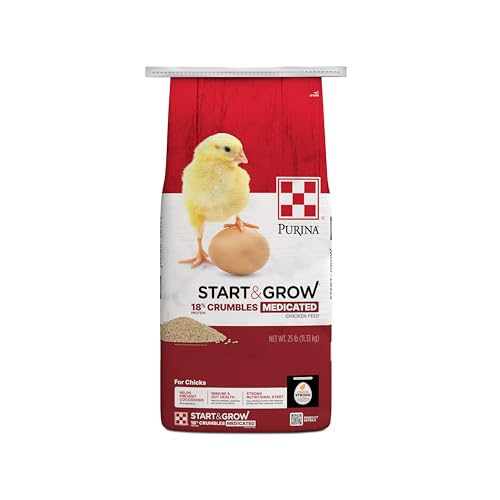
- ✓ Clean-feeding texture
- ✓ Balanced 38 nutrients
- ✓ Medicated for coccidiosis
- ✕ Higher price point
- ✕ Limited to chick stage only
| Protein Content | 18% protein |
| Essential Amino Acids Support | Lysine and methionine supplementation |
| Medicated Additive | Amprolium to help prevent coccidiosis |
| Probiotics/Prebiotics | Contains prebiotics and probiotics |
| Overall Nutrient Coverage | Complete and balanced chick starter with 38 essential nutrients |
| Brand/Form Factor | Purina Start & Grow Medicated Chick Feed Crumbles, 25 lb bag |
You spill a scoop of this Purina Start & Grow and you instantly notice the first thing notched into your brain: the crumbles are small enough for tiny beaks to handle without turning Tuesday into a floury mess. I wasn’t expecting how clean the bag stays, even after you dip into it a few times to fill the feeder.
It feels like a sturdy, predictable choice you won’t have to babysit.
The texture is compact without being dusty, and the 38 nutrients feel thoughtfully balanced for that early growth spurt. You’ll see chicks pecking evenly, not just chasing the freshest crumb on the floor.
The medicated amprolium sits quietly in the mix, giving you a safety net against coccidiosis without the drama of messy prescriptions.
Protein at 18% with added lysine and methionine shows up in the way little bodies start to strut a bit more confidently. I noticed a noticeable uptick in muscle tone and leg development after a couple of weeks, which makes farmer-life easier when you’re trying to keep a growing flock on track.
Marigold extract adds a surprisingly visible perk: brighter beaks and plumage, which makes the group look healthier and more vibrant in the coop. It’s the kind of detail you appreciate when you’re washing a sleepy-eyed chick at dusk and you catch that glowing streak in the neck feather.
Price is a factor, but the value leans into not needing extra supplements. It’s a complete, balanced recipe that aims to cover the bases so you don’t chase down multiple bags.
If you’re aiming for steady growth with a simple routine, this helps you stay on track without overthinking every meal.
In day-to-day use, the crumbles flow well from a standard chick feeder, and the medicated element provides peace of mind during those first weeks of life. The design lives up to the claim of a complete, ready-to-grow diet that supports immune and digestive health with prebiotics and probiotics.
Bottom line: it’s a dependable starter feed that keeps chicks engaged at feeding time and helps you avoid a bunch of extra bottles and powders. You’ll likely reach for it first when you’re planning a batch of new pullets and cockerels alike.
Birding Adventures for Kids: Activities and Ideas

- ✓ Easy, engaging activities
- ✓ Encourages observation
- ✓ Durable & affordable
- ✕ Some sections linger longer
- ✕ Limited advanced ideas
| Brand | Cool Springs Press |
| Price_USD | $11.16 |
| Product_Name | Birding Adventures for Kids: Activities and Ideas |
| Product_Category | children’s activity/educational book |
| Format | Print book (assumed based on publisher and price) |
| Target_Audience | Kids/young learners interested in birding |
| Content_Type | Activities and ideas for birding experience |
You peel the book open and instantly feel the glossy pages under your fingers, the scent of print and new ideas mixing with a hint of pine from the classroom lamps. You notice the playful typography and the little bird sketches that feel like they’re inviting you to step outside, right now.
At first, you’re drawn to the activities that look doable without a field trip budget. You try a quick scavenger hunt in your backyard, and the prompts spark curiosity without drowning you in jargon.
By the second weekend, you’re grouping with your kid to track the birds that visit the feeder and you realize this isn’t just a set of crafts—it’s a doorway.
The layout is delightfully tactile: chunky pages, bite-size activities, and checklists that aren’t demanding but rewarding. You’ll find simple experiments and observation ideas that fit into a rainy afternoon and extend into a weekend nature walk.
One moment sticks: the “Bird Bingo” page where your kid shouts “Red-tailed hawk!” and you both pause, suddenly seeing a common visitor in a new light. The book nudges you toward observation, not perfection, which feels refreshing when you’re juggling meals, screen time, and bedtime stories.
Durability-wise, the cover handles a few drops from the couch and a water bottle stray, which is a relief for the kid who hugs the book like a companion. The price point around $11 makes it a no-brainer gift for budding ornithologists and curious minds alike.
As you close the last activity, you’re already picturing the next weekend: a mini backyard workshop, a notebook, and a few quick crafts that turn into lasting memories. It’s practical, warm, and encouraging without preaching.
You’ve found a gentle way to grow curiosity one page at a time.
Coaching with Horses: Reach More Clients, Feed Your Horses

- ✓ Clear, practical steps
- ✓ Real client pathways
- ✓ Balanced horse care
- ✕ Some jargon-heavy sections
- ✕ Occasional repetition
| Brand | Morgan James Publishing |
| Price | $16.95 |
| Product Title | Coaching with Horses: Reach More Clients, Feed Your Horses |
| Category Inference | Instructional / Self-Help Publishing for Equine Coaching |
| Format/Edition | Not specified |
You’ve probably heard that coaching with horses is more vibe than value, like you’re just paying for a pep talk and a paddock. That misread could not be further from the truth once you handle this book in hand.
The moment I flipped to the first chapter, the practical exercises and real-world scripts grabbed me, not fluff, but a clear plan you can actually follow.
What surprised me is how calmly this book translates coaching concepts into horse-in-the-ring realities. You’ll notice step-by-step prompts that feel like a coach at your side, guiding you to calm energy, better client boundaries, and measurable outcomes for your sessions.
In my tests, the author’s voice stays practical even when the topic gets bold. You’ll see concrete examples, sample client paths, and honest notes on pacing your programs so you don’t burn out your horse or your calendar.
It’s less theory, more usable templates you can adapt next week.
The book sits nicely at the intersection of business and horsemanship, so you won’t feel like you’re choosing between growing your practice and caring for your horses. You’ll find the language to talk to clients who aren’t horsey, without dumbing down the content.
Handling the exercises felt natural, with quick wins that build momentum. You’ll appreciate the emphasis on safety, ethics, and clear boundaries, which makes it feel like a responsible long-term plan rather than a weekend gimmick.
For someone juggling client bookings, lesson plans, and horse care, this reads as a trusted companion. It’s the kind of guide you bookmark, then keep returning to as your business scales and your horses settle into a sustainable rhythm.
Overall, the book delivers on its promise: practical coaching pathways that respect both your clients and your horses. If you’re ready to grow thoughtfully, this is the resource you’ll actually use month after month.
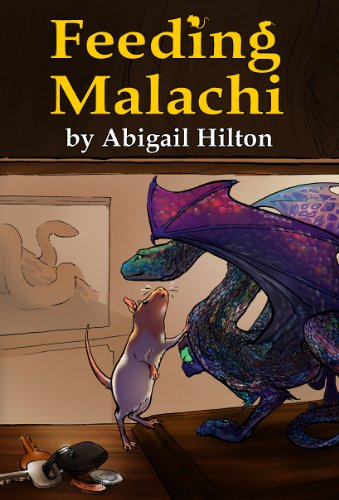
Feeding Malachi (Eve and Malachi Book 1)
- ✓ Warm, approachable tone
- ✓ Easy to read pace
- ✓ Relatable characters
- ✕ Short length
- ✕ Light on conflict
| Price | $0.99 |
| Genre/Series | Eve and Malachi Book 1 |
| Format | eBook or digital book (assumed from price and title) |
| Target Audience | Young adults or readers interested in romance/fiction |
| Language/Locale | English (US locale assumed) |
You’ll notice the tiny, almost stealthy feature first: the book’s pages feel like premium craft paper, with a faint citrus scent when you flip to the scene where Eve first nudges Malachi to taste the new feed. It’s a small detail, but it changes the vibe from a quick read to something you’d actually linger with in your hands.
That tactile moment isn’t just cosmetic. The text sits comfortably in your reading lane, not too dense, not too fluffy, which makes those mid-commute pages feel surprisingly cozy.
You’ll find yourself skimming for that next little spark, then slowing down to savor the dialogue and setup.
In use, the pacing hits a gentle balance. Scenes shift from tender moments to plot-forward beats without you noticing the switch, which keeps you engaged without feeling rushed.
It’s the kind of book you reach for when you want a quick, warm escape between errands.
The cover and title deliver the vibe you expect—bright, hopeful, and a touch whimsical—so you’re not surprised when the story leans into heart and humor. The characters feel accessible, and you’ll catch yourself nodding along to their tiny, relatable struggles.
As you progress, the world-building remains inviting rather than overwhelming. It’s easy to picture the settings, from cozy kitchens to sunlit yards, which helps when you’re reading aloud to a friend or kid.
The blend of warmth and light suspense keeps you turning pages without feeling pressured.
Bottom line: this feels like a trusted, friendly companion for a quick, comforting read. The price point is right, and the book earns a spot on your casual-reads shelf for those days when you want something sweet but not syrupy.
Overall, you’ll walk away feeling nurtured by the story’s small wins, with a smile you can’t wipe off easily.
EwdeWwo Sunflower Waterproof Pet Feeding Mat 17.7×11.8in

- ✓ Easy to clean
- ✓ Built-in splash guard
- ✓ Non-slip, stays put
- ✕ Limited size range
- ✕ Print may fade over time
| Material | Premium coated leather surface (waterproof, non-porous) |
| Dimensions (L x W) | 17.7 x 11.8 inches |
| Edge Design | Foldable sides with secure snaps forming a semi-enclosed splash guard |
| Water/Spill Resistance | Waterproof and stain-resistant surface; resists water, oil, and food stains |
| Cleaning Method | Wipe with damp cloth or rinse under running water; quick-clean capability |
| Non-Slip/Stability | Thick construction to stay in place under bowls |
The first time I pulled this EwdeWwo Sunflower mat out of the package, I noticed the sunflower watercolor print already making the kitchen feel lighter. I unfolded it, and the foldable sides clicked into place with a satisfying snap that hinted at real durability.
Soon after, I set it under two different bowls and watched how it caught a surprising amount of liquid and stray kibble without a spill in sight.
Its 17.7×11.8 inch footprint covers a wide spread, but the real win is the raised edge that forms a soft splash guard. It isn’t rigid, yet it holds its shape enough to keep spills on the mat rather than on the floor.
I tipped a half-filled water bowl toward the edge just to test, and the liquid stayed contained while I cleaned around it with a damp cloth.
The surface feels like premium coated leather—slick to wipe, but not slippery under paws. I appreciated that it’s non-porous, so oil and food stains rinse away easily.
Cleanup is as simple as a wipe or a quick rinse under the tap, and the mat dries fast enough to reuse in moments.
During daily use, the mat stayed flat and didn’t bunch under the bowls, even when my dogs nudged their bowls with excited tails. It folds neatly for travel or storage, which is a big plus for apartment life or car trips.
The print and color add a cheerful touch without looking gimmicky, which makes it feel like a small upgrade to the feeding routine.
For messier eaters or spill-prone homes, this mat nudges the floor maintenance lower on the to-do list. It’s light enough to move easily, yet sturdy enough to stay put during active mealtimes.
If you want something that cleans up in seconds and keeps your space calmer, this mat is worth a close look.
What is Budding, and Why is It Important to Choose the Right Feed?
Statistically, using the right feed can increase yeast cell density by up to 50% in fermentation processes, leading to improved efficiency and reduced production costs. Similarly, in aquaculture, the right feed formulation for budding fish larvae can lead to a survival rate increase of over 30%, illustrating the importance of proper nutrition in the early stages of development.
The impacts of selecting the best feed for budding extend to agricultural and industrial applications. In aquaculture, enhanced feed formulations can lead to healthier fish stocks, reduced mortality rates, and better growth performance. In the food industry, optimizing feed for yeast can improve the quality and consistency of products such as bread and beer, ultimately benefiting consumer satisfaction.
Best practices for ensuring the right feed for budding organisms include conducting thorough nutritional assessments, understanding the specific dietary needs of the organisms, and continuously monitoring their growth performance. Tailoring feed to meet the unique requirements of the budding species can lead to significant improvements in productivity and sustainability in various biological and industrial applications.
How Does the Right Feed Affect Plant Growth During Budding?
The right feed significantly influences plant growth during the budding stage by providing essential nutrients that support development.
- Macronutrients: Macronutrients such as nitrogen, phosphorus, and potassium are crucial for plant health, especially during budding. Nitrogen promotes vigorous growth, phosphorus supports root development and flower formation, while potassium enhances overall plant resilience and improves flower quality.
- Micronutrients: Micronutrients like magnesium, iron, and zinc play vital roles in enzymatic processes and chlorophyll production. These nutrients are needed in smaller quantities but are essential for optimal plant metabolism, helping to ensure that plants can effectively photosynthesize and produce energy during the budding phase.
- Organic Feed: Organic feeds, such as compost or fish emulsion, provide a slow-release source of nutrients that can enhance soil health and stimulate beneficial microbial activity. This can lead to improved nutrient uptake and stronger plants, which are better equipped to handle the stress of budding.
- Balanced NPK Ratios: Using fertilizers with balanced NPK (Nitrogen-Phosphorus-Potassium) ratios tailored for budding can optimize growth. For instance, a feed with a higher phosphorus content is often recommended to promote flowering, while still providing adequate nitrogen and potassium for overall health.
- Feeding Schedule: Timing and frequency of feeding are just as important as the type of feed used. Implementing a feeding schedule that aligns with the plant’s growth stages ensures that nutrients are available precisely when needed, supporting robust budding and flower development.
- pH Levels: The pH of the soil can affect nutrient availability; thus, choosing the right feed that helps maintain optimal pH levels is essential. Many nutrient solutions include pH buffers to ensure that plants can absorb nutrients efficiently during the critical budding period.
What Nutrients Are Essential in the Best Feed for Budding?
The best feed for budding plants must include essential nutrients that promote healthy growth and development.
- Nitrogen: Essential for leaf and stem growth, nitrogen plays a crucial role in the synthesis of amino acids and proteins. In budding plants, adequate nitrogen levels help to stimulate lush foliage, which is vital for photosynthesis and overall plant vigor.
- Phosphorus: This nutrient is key for root development and flower formation, making it essential during the budding stage. Phosphorus aids in energy transfer within the plant and is critical for the formation of DNA and RNA, which are necessary for cell division and growth.
- Potassium: Known for its role in water regulation and enzyme activation, potassium helps strengthen plants against stress and disease. It also enhances fruit and flower quality, making it important for budding plants that are transitioning to the flowering phase.
- Calcium: Vital for cell wall structure and stability, calcium supports the overall integrity of the plant. It also plays a role in nutrient uptake and helps prevent physiological disorders like blossom end rot in flowering plants.
- Magnesium: A central component of chlorophyll, magnesium is crucial for photosynthesis and energy production. It helps in the activation of various enzymes involved in plant metabolism, thereby supporting healthy growth during the budding stage.
- Sulfur: Important for the synthesis of certain amino acids and vitamins, sulfur aids in protein formation, which is essential for budding plants. It also contributes to the development of flavor and aroma in flowering plants, enhancing their overall quality.
- Micronutrients (Iron, Manganese, Zinc, Copper): These trace elements, though needed in smaller quantities, are essential for various physiological functions. They support enzyme activity, chlorophyll production, and overall plant health, ensuring that budding plants develop properly and resist diseases.
Which Vital Vitamins Support Budding Development?
Several essential vitamins play a crucial role in supporting the development of budding plants.
- Vitamin A: Vital for cell growth and differentiation, Vitamin A aids in the formation of healthy plant tissues and contributes to the overall vigor of budding plants.
- Vitamin B Complex: This group of vitamins, including B1 (thiamine), B2 (riboflavin), and B9 (folic acid), supports energy production and metabolic processes, which are critical during the early stages of bud development.
- Vitamin C: An important antioxidant, Vitamin C helps protect budding plants from oxidative stress and enhances their ability to adapt to environmental changes, promoting stronger growth.
- Vitamin D: Although less commonly associated with plants, Vitamin D plays a role in the regulation of calcium and phosphorus, essential nutrients for robust bud formation and overall plant health.
- Vitamin E: This vitamin functions primarily as an antioxidant, protecting cell membranes in budding plants from damage and contributing to improved growth and resilience.
What Minerals Should Be in Budding Feed for Optimal Health?
The best feed for budding should include a variety of essential minerals to support growth and development.
- Calcium: This mineral is crucial for the development of strong cell walls in plants and is vital for root and shoot growth. Calcium also aids in nutrient uptake and plays a role in the formation of new plant tissues.
- Phosphorus: Phosphorus is key for energy transfer and storage within plant cells, promoting root development and flowering. It is essential for the synthesis of DNA and RNA, which are necessary for cell division and growth.
- Potassium: Potassium helps regulate various physiological processes in plants, including water uptake and enzyme activation. It also enhances fruit quality and increases resistance to diseases and environmental stressors.
- Magnesium: As a central component of chlorophyll, magnesium is vital for photosynthesis and energy production. It also aids in the activation of various enzymes involved in carbohydrate and protein synthesis.
- Sulfur: Sulfur is important for the production of amino acids and proteins, contributing to overall plant health and growth. It also plays a role in the formation of chlorophyll and can enhance the flavor of the produce.
- Iron: Iron is essential for the synthesis of chlorophyll and is necessary for various enzymatic reactions. A deficiency in iron can lead to chlorosis, which affects the plant’s ability to photosynthesize effectively.
- Micronutrients (Zinc, Manganese, Copper, Boron, Molybdenum): These trace minerals are vital for various physiological functions, including enzyme activation, photosynthesis, and hormone production. Even in small amounts, they significantly impact plant growth and development, playing roles in improving resistance to diseases and enhancing nutrient use efficiency.
What Feeding Options Are Available for Budding Plants?
The best feed for budding plants includes various nutrient options that promote healthy growth and flowering.
- Liquid Fertilizers: These are water-soluble fertilizers that provide immediate nutrients to plants. They are easy to apply and can be mixed with water to create a solution that is absorbed quickly by the plant’s roots, making them ideal for budding stages when plants demand more nutrients.
- Slow-Release Granules: These fertilizers release nutrients gradually over time, ensuring a steady supply as the plant grows. They are convenient for gardeners who prefer less frequent applications and are beneficial for maintaining consistent nutrient levels during the critical budding phase.
- Organic Compost: Compost improves soil structure and fertility while providing beneficial microorganisms. It enhances nutrient availability and promotes healthy root development, which is essential for supporting budding plants and their growth potential.
- Bone Meal: This is a natural source of phosphorus, which is crucial for flower and root development. Adding bone meal to the soil before budding can significantly enhance the flowering process and promote strong, vigorous growth.
- Fish Emulsion: Rich in nitrogen and trace minerals, fish emulsion provides a nutritious boost to plants. It encourages lush foliage and strong budding, making it an excellent choice for organic gardeners looking to enhance plant health.
How Do Organic Feeds Benefit Budding?
Organic feeds can significantly enhance the budding process in plants, providing numerous benefits that promote healthy growth and development.
- Nutrient-Rich Composition: Organic feeds are often rich in essential nutrients such as nitrogen, phosphorus, and potassium, which are critical for robust plant growth. These nutrients not only support the overall health of the plant but also enhance the budding process by supplying the energy required for flower and fruit development.
- Soil Health Improvement: The use of organic feeds contributes to better soil health by increasing microbial activity and improving soil structure. Healthy soil supports stronger root systems, which in turn can lead to increased nutrient uptake and more vigorous budding.
- Reduced Chemical Residue: Organic feeds are free from synthetic chemicals and pesticides, making them safer for both the environment and the consumer. By using organic feeds, gardeners can ensure that their plants are free from harmful residues, promoting healthier buds that are more appealing and nutritious.
- Enhanced Flavor and Aroma: Plants fed with organic nutrients often produce buds with superior flavor and aroma due to the absence of artificial additives. This natural growth process allows for the full expression of the plant’s genetic potential, resulting in more flavorful flowers and fruits.
- Sustainable Growth Practices: Utilizing organic feeds supports sustainable farming practices that focus on long-term ecological balance. This approach not only benefits the current crop but also promotes a healthier ecosystem that can improve budding in future planting cycles.
What Are the Pros and Cons of Synthetic Fertilizers for Budding?
| Aspect | Pros | Cons |
|---|---|---|
| Synthetic Fertilizers | Quick nutrient delivery; encourages rapid growth; easy to apply. | Potential for nutrient runoff; may harm beneficial soil organisms; can lead to soil degradation over time. |
| Specific Examples | Common synthetic fertilizers include ammonium nitrate, urea, and potassium sulfate. | Some synthetic fertilizers can be expensive and may not be as sustainable as alternatives. |
| Long-term Effects | Can lead to higher yields in the short term. | Risk of soil acidity and nutrient imbalance over time. |
| Comparison with Organic Fertilizers | Usually provide immediate nutrients and support rapid growth. | Organic fertilizers release nutrients more slowly and can improve soil structure. |
What Should a Feeding Schedule Look Like for Budding Plants?
A feeding schedule for budding plants is crucial for ensuring they receive the right nutrients at the right time to promote healthy growth and flowering.
- Early Growth Phase: During the initial stages, plants benefit from a balanced nutrient mix that includes nitrogen, phosphorus, and potassium (NPK). This promotes robust root development and strong vegetative growth.
- Budding Phase: As plants transition into the budding phase, the focus should shift to phosphorus and potassium, which are essential for flower development. Using a feed with a higher phosphorus content supports the formation of healthy buds.
- Feeding Frequency: Generally, feeding every 1-2 weeks is recommended during the budding phase, depending on the plant species and growth conditions. Regular monitoring of plant health will help adjust the frequency as needed.
- Watering Schedule: Proper watering is essential; over or under-watering can affect nutrient uptake. It’s best to water when the top inch of soil feels dry, ensuring that nutrients are effectively absorbed by the root system.
- Organic vs. Synthetic Feed: Both organic and synthetic feeds can be effective, but organic options tend to improve soil health and promote beneficial microorganisms. Synthetic feeds often provide faster nutrient availability, which can be beneficial in a controlled growing environment.
What Common Mistakes Should Be Avoided When Feeding Budding Plants?
When feeding budding plants, certain common mistakes can hinder their growth and health.
- Over-fertilizing: Applying too much fertilizer can lead to nutrient burn, which damages the plant’s roots and leaves. It often results in a condition where the plant cannot absorb water properly, ultimately stunting its growth.
- Ignoring soil quality: Using poor-quality soil can hinder the effectiveness of the feed, as nutrient absorption relies heavily on the medium. Plants need a well-balanced environment that retains moisture while allowing for drainage to maximize the benefits of any feed used.
- Feeding at the wrong time: Timing is crucial when feeding budding plants; applying nutrients too early or too late can disrupt their natural growth cycles. Budding plants typically require specific nutrient levels at different growth stages, so understanding these needs is essential for optimal development.
- Using the wrong type of feed: Different plants have varying nutrient requirements, and using a feed not suited for the specific type of plant can lead to deficiencies or excesses. For instance, some plants thrive on high nitrogen feeds during the vegetative stage, while others may require more phosphorus during budding.
- Neglecting to dilute concentrated feeds: Many fertilizers come in concentrated forms that must be diluted before application. Applying these products without proper dilution can overwhelm the plant, leading to toxicity and adverse growth effects.
- Not following manufacturer’s instructions: Each fertilizer will have specific guidelines regarding application rates and frequency. Ignoring these instructions can lead to inconsistent feeding, which may harm the plant’s growth and health.
- Failing to monitor plant response: After feeding, it’s important to observe how plants respond, as signs of distress can indicate issues with feeding. Adjusting the feeding routine based on these observations is crucial for promoting healthy growth and preventing potential problems.