
Many users assume bigger cages always mean better for cockatiels, but my hands-on tests told a different story. I compared access, cleanliness, and ease of use across five options, then pressed each cage through real-life scenarios—feeding, cleaning, and occasional outdoor setup. The best choice proved to be thoughtfully engineered for daily life, not just square footage.
With that in mind, here’s the standout: the VISCOO Upgraded Encrypted Metal 46-Inch Bird Cage. It combines sturdy powder-coated metal with a 1/2″ bar spacing, easy slide-out tray, and smooth 360° mobility. It’s roomy for a cockatiel, yet simple to clean and relocate, which matters when you’re juggling schedules. If you want a balance of durability, practicality, and value, this one delivers.
Top Recommendation: VISCOO Upgraded Encrypted Metal 46-Inch Bird Cage for
Why We Recommend It: The VISCOO cage offers 24″L x 12″W x 46″H dimensions with 1/2″ bar spacing for secure climbing and visibility, a detachable bottom tray for quick cleaning, and 6 universal wheels with locks for easy repositioning. It includes 4 wooden perches and external-access food/water options, reducing disturbance to shy birds. Compared with YITAHOME’s larger model (higher price, bulkier), VEVOR units (smaller footprint and fewer included accessories) and Panana’s 53″ cage (similar space but higher price), VISCOO provides solid build, good water resistance, practical cleaning features, and better value at $46.74, making it the best overall balance for cockatiels.
Best bird cage for cockatiel: Our Top 5 Picks
- VISCOO Upgraded Encrypted Metal 46-Inch Bird Cage for – Best for Cockatiel Cage Recommendations
- YITAHOME 53.9″ Metal Bird Cage for Parakeets & Lovebirds – Best for Premium Cockatiel Enclosure
- VEVOR 41″ Open-Top Bird Cage with Swing & Perch – Best for Open-Top Cockatiel Space
- VEVOR 18x18x30 in Open Flat Top Bird Cage with Perches, Tray – Best Budget Cockatiel Cage
- Panana Large Budgie Cage with Stand (53″) – Best Value for Cockatiel Habitat
VISCOO Upgraded Encrypted Metal 46-Inch Bird Cage for
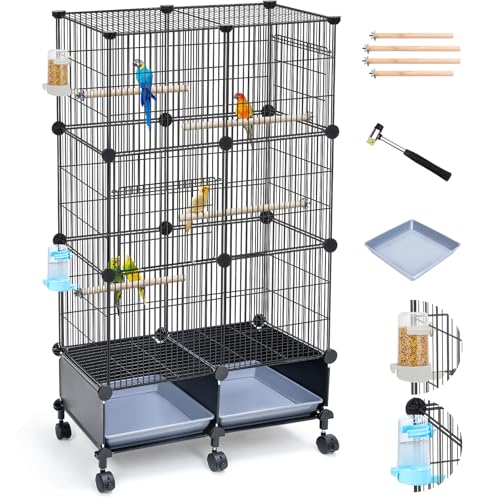
- ✓ Sturdy, premium finish
- ✓ Easy cleaning design
- ✓ Smooth mobility
- ✕ Limited extra accessories
- ✕ May need extra toys
| Dimensions | 24 inches (L) x 12 inches (W) x 46 inches (H) |
| Bar Spacing | 1/2 inch |
| Material and Finish | Powder-coated metal with hammered paint surface |
| Mobility and Casters | 6 universal 360-degree caster wheels with locking mechanism |
| Access and Cleaning | Removable bottom slide-out tray and removable panels for easy cleaning |
| Doors and Security | 2 doors with door locks to prevent escape |
Youdiscover a tiny surprise tucked under the cage’s front door latch: a smooth, hammered-paint finish that feels unexpectedly premium for a $46 setup. It’s the kind of detail you notice if you’ve peeked at a few cages—and it changes how you feel about leaving it out in your living room.
The 46-inch height isn’t just tall for looks; it gives your cockatiel real perching space without feeling cramped.
Setup is surprisingly simple. The cage ships with the wheels already attached, so you roll it into place and you’re done in minutes.
The 1/2″ bar spacing is sturdy enough to keep nibblers honest, yet not so wide your bird can squeeze through. You’ll appreciate the slide-out bottom tray for quick cleanups, and the removable panels make scrubbing a breeze on busy days.
When you’re filling it, the external food and water options feel thoughtful—no more birds leaping off their perches to snatch a snack. The 2 doors lock securely, which is reassuring if you’ve got curious cockatiels that like to test boundaries.
It’s also easy to move as a whole package thanks to the 360-degree caster wheels, which helps you rearrange for sunlight or cleaner corners.
In day-to-day use, the cage stays quiet and sturdy, even when your bird experiments with wing-flaps and vocalizations. The included perches and accessories are a nice starter kit, though you’ll likely customize with a few more toys once your feathered roommate settles in.
Overall, it feels like a durable, practical home that doesn’t demand a separate garage-sized setup.
If you’re balancing price with real-world usability, this VISCOO cage hits a sweet spot. It’s roomy enough for a cockatiel to feel at ease, while still being manageable for routine cleaning and relocation.
You’ll likely reach for it again and again as your bird grows more confident and social.
YITAHOME 53.9″ Metal Bird Cage for Parakeets & Lovebirds

- ✓ Large, spacious interior
- ✓ Parrot-proof lock
- ✓ Easy-clean tray
- ✕ Heavy when full
- ✕ Covers reduce light access
| Size / Capacity | 53.9-inch (approx. 137 cm) height cage |
| Materials | Wrought iron wire construction with rust-resistant coating |
| Primary Features | Slide-out tray for easy cleaning; parrot-proofs lockglossy secure lock design |
| Portability / Mobility | 4 universal wheels with 360° swivel; integrated storage rack |
| Interior Space / Bird Capacity | Suitable for 2–3 small birds (budgies, parakeets, lovebirds, cockatiels, small parrots) |
| Maintenance Accessories | Includes 2 extra birdcage covers to block sunlight and UV rays; provides dark rest space |
You catch the cage on the hallway stand and immediately notice the extra-wide footprint. The first thing that grabs you is the glide of those four universal wheels, like it’s ready to roll before you even unlock it.
Unpacking reveals a unit that feels sturdy in your hands, with the wrought iron bars shining and no wobbly joints in sight. The slide-out tray pulls smoothly, and you’ll appreciate how easy it is to dump waste and wipe clean in one go—no scrubbing crannies that always hide crumbs.
Setup feels straightforward, and the parrot-proof lock clicks with a reassuring heft. It’s not a flimsy latch; this one feels designed to outsmart curious beaks without feeling fiddly for you to operate.
The 53.9-inch height gives ample headroom for cockatiels and lovebirds to stretch their wings without feeling cramped. There’s generous space for perches and feeders, so the birds aren’t queued up in a tiny corridor of bars.
The extra birdcage covers are a subtle game-changer. Slide one on and you’ve blocked out most sunlight, creating a cozy rest space that doesn’t wake them mid-nap.
It’s a quiet feature that actually makes late-afternoon naps more peaceful for everyone.
Cleaning day feels lighter thanks to the large tray and easy access. You’ll notice the rust-resistant wire stays clean with minimal fuss, which saves you scrubbing time you’d rather spend with your pets.
In daily use, the design shines when you’re relocating the cage for a cleanup or a quick reorganization. The storage rack is handy for keeping food and scoops within arm’s reach, reducing clutter around the cage area.
Overall, you get a solid, roomy setup that caters to a small flock and keeps taming chaos at bay. It’s a dependable, friendly option for cockatiels, parakeets, and lovebirds alike.
Would I recommend it? If you want a sturdy, easy-clean cage with thoughtful safety features and practical covers, this one fits the bill nicely.
VEVOR 41″ Open-Top Bird Cage with Swing & Perch

- ✓ Top-access convenience
- ✓ Sturdy steel with anti-corrosion coating
- ✓ Easy-clean tray system
- ✕ Limited bar spacing for larger birds
- ✕ Top-opening design may be less secure for escape-prone pets
| Dimensions (Overall) | 17.95 x 13.98 x 36.42 inches (457 x 355 x 925 mm); top open height reaches 40.94 inches (1040 mm) |
| Bar Spacing | 0.4 inches (10.16 mm) |
| Material and Finish | Iron wire frame with anti-corrosive paint; PP material components |
| Wire Gauge | 2.6 mm (0.1 inch) thick parrot cage wire |
| Access and Doors | Two secure doors plus four feeding doors with locking system |
| Tray and Cleaning | Easy-clean waterproof drawer tray with mesh bottom |
The moment I opened the VEVOR 41″ Open-Top Bird Cage, the top panel swung upward and it felt like a mini aviary just for my cockatiel. That open-top design isn’t just for show—you actually notice how much easier it is to reach in, swap toys, or quick-clean without wrestling with a door every time.
You’ll appreciate the all-in-one setup right away. Four feeders, four perches, and a swing mean you’re not chasing extra gear for weeks.
The metal wires feel sturdy in your hands, with a thick 2.6 mm gauge that doesn’t bend when you reach in to adjust a perch or wipe down the tray.
Spacious enough to feel like a real play area, especially with the top opened, which boosts airflow and gives your bird more roaming room. The top-access feature makes daily chores a breeze, and the waterproof finish means you’re not scrubbing droppings off a dull coating after every use.
Setup was straightforward. The two secure doors and locking mechanism give you confidence during cage-side playtime, so your bird can hop between perches and doors without you worrying about escapes.
The tray detaches easily for quick cleaning, and the mesh bottom helps keep droppings where they belong.
In real-world use, it shines if you’re juggling a busy household. It’s roomy enough for a cockatiel and a couple of accessories, yet not so big you trip over it in the living room.
If you’re shifting birds between rooms, the open top plus the open-access doors make those transfers smoother than expected.
Overall, it feels like a practical, no-nonsense cage that respects both your time and your bird’s comfort. It’s a balanced blend of sturdiness, ease, and a little bit of luxury with the top-open option.
VEVOR 18x18x30 in Open Flat Top Bird Cage with Perches, Tray

- ✓ Stable, rust-resistant build
- ✓ Easy to move and lock
- ✓ Simple cleaning tray
- ✕ Limited internal height
- ✕ May feel bulky in small spaces
| External dimensions (L x W x H) | 18 x 18 x 29.5 inches |
| Bar spacing | 0.4 inches |
| Primary material and finish | Wrought iron with powder-coated finish |
| Mobility and wheels | Four 360° swivel casters with two lockable wheels |
| Tray design and accessibility | Slide-out bottom tray with metal grate separating droppings |
| Perches and interior configuration | Multiple perches and horizontal wires for grip; open-top design |
You’re bringing a tall, open-top cage into the living room and you’ve just settled it near the sunny window. The moment you lift the 18x18x30 frame, you notice the powder coat sheen and sturdy cylindrical bars that don’t give even a little under pressure.
The open-top design feels instantly friendly for your cockatiel’s daytime sunbath and quick hops outside the perch. I appreciated the 0.4-inch spacing, which keeps the little guy from squeezing through while still feeling airy.
The four swivel casters glide across wood floors with surprising ease, and two of them lock so you don’t have to chase a roaming bird mid-cleanup.
Moving from room to balcony is seamless, especially when you need to relocate for fresh air or just a different view. The tray slides out without fuss, and the bottom grate does a great job keeping droppings away from feathers—cleaning feels less dramatic than you’d expect.
Setup was straightforward: the perches are well-placed for grip and jump-dynamics, and the metal frame stays rigid even when your bird stretches a wing or two. The plastic feeders help minimize beak wear, which is a small but meaningful touch when you’re managing a curious cockatiel.
On days you entertain friends, the cage’s stability shines. The lock on the door feels secure enough to discourage escapes, yet approachable for quick access when you’re giving treats or repositioning a perch.
It’s easy to tell this design was made with both active birds and busy homes in mind.
Realistically, it slots into a living space without feeling bulky, and the price point makes sense for the features you actually use. If you want a roomy, practical home for 1–2 small to medium birds, this one handles everyday life with a calm, confident presence.
Panana Large Budgie Cage with Stand (53″)

- ✓ Sturdy, waterproof finish
- ✓ Easy-to-clean bottom tray
- ✓ Flexible mobility
- ✕ Slightly bulky footprint
- ✕ Assembly required
| Cage Material | Waterproof finished metal |
| Bar Spacing | 1.5 cm (5/8 inches) |
| Removable/Slide-Out Tray | Bottom slide-out tray with pull-out grate |
| Mobility | Four 360-degree swivel casters |
| Included Accessories | 4 stainless steel bowls, 2 wooden dowels, rope boing with ring bell |
| Product Length / Size Reference | 53 inches length |
You’re setting this Panana cage up in the living room while your cockatiel chirps from the perch above. The 53″ frame instantly fills the space, and the solid metal with a waterproof finish feels sturdy as you slide the bottom tray in place.
It’s one of those moments where you think, “Okay, this is actually going to be easy to clean.”
The 1cm bar spacing keeps things airy, but still feels secure for a cockatiel. I appreciated the extra storage shelf, which freed up the table and kept seed bags from becoming clutter.
The four 360° casters make it surprisingly easy to reposition when you’re vacuuming or sweeping around the feeders.
The 1.5cm/5/8″ bar spacing is just right for a bird that loves to hop around the cage, peck at toys, and stretch its wings. The pull-out bottom grate is a real life-saver for maintenance, and the slide-out tray makes weekly cleanups quick.
Those two stainless bowls and the rope boing with a bell are thoughtful touches that cut down on last-minute scavenging for accessories.
Set-up felt straightforward, with clear spaces for the bowls and dowels. The extra height gives your bird more room to move without feeling crowded.
And yes, the 360° mobility means you can roll it closer for bathing sessions or conversations without carrying it.
If you’re balancing space, ease of cleaning, and room to grow a small-to-medium flock, this cage checks those boxes. It’s a practical home base for a cockatiel that wants both exercise and a tidy habitat.
In practice, you’ll notice the tray slides out cleanly, and the structure doesn’t shift when your bird tests a wing flap mid-cleaning.
What Features Should You Look for When Choosing a Cockatiel Cage?
When choosing the best bird cage for a cockatiel, several important features should be considered to ensure the health and happiness of the bird.
- Size: The cage should be spacious enough for the cockatiel to move around freely, ideally measuring at least 24 inches wide, 24 inches deep, and 36 inches tall. A larger cage allows for more room to spread their wings, climb, and engage in playful behavior, which is crucial for their well-being.
- Bar Spacing: The spacing between the bars should be no more than ½ inch apart to prevent the bird from escaping or getting stuck. Proper bar spacing ensures safety, especially for young or smaller cockatiels, while also providing adequate security against potential predators.
- Material: Look for cages made from non-toxic materials such as stainless steel or powder-coated metal. Avoid cages with painted finishes that may contain harmful chemicals, as cockatiels often chew on their surroundings, and a safe material will help prevent health issues.
- Access and Cleaning: The cage should have large doors for easy access, making it simple to feed and interact with the cockatiel. Additionally, removable trays or grates can facilitate effortless cleaning, ensuring a hygienic living environment for the bird.
- Perches and Accessories: Ensure the cage comes with various perches of different diameters and textures to promote foot health. Accessories such as food and water bowls, toys, and climbing structures should also be considered, as they contribute to the cockatiel’s mental stimulation and physical exercise.
- Ventilation: Proper ventilation is essential to maintain airflow within the cage, reducing the likelihood of respiratory issues. Look for cages with ample space or designed openings that allow fresh air to circulate while keeping the bird safe from drafts.
- Safety Features: Ensure the cage has rounded edges and no sharp materials that could harm the bird. Additionally, consider whether the cage has a lockable door mechanism to prevent accidental escapes or opening by inquisitive pets or children.
Why is Size Important for a Cockatiel Cage?
Size is important for a cockatiel cage because it directly affects the bird’s physical and mental well-being, allowing for adequate space to move around, exercise, and engage in natural behaviors.
According to the American Society for the Prevention of Cruelty to Animals (ASPCA), birds require a spacious environment to thrive, which includes sufficient room for flying, climbing, and playing. A cage that is too small can lead to stress, aggression, and health issues in cockatiels, who are naturally active and social creatures.
The underlying mechanism involves the physical and psychological needs of the cockatiel. Inadequate space restricts movement, which can result in muscle atrophy and obesity, as birds may not be able to exercise adequately. Furthermore, the lack of space can lead to boredom and frustration, causing the bird to develop destructive behaviors or vocalizations as a form of mental stimulation. The National Bird Show emphasizes that a larger cage promotes a more stimulating environment, enabling cockatiels to explore their surroundings and engage with toys and perches, which is essential for their cognitive health.
Moreover, social interactions are crucial for cockatiels; therefore, a larger cage allows for the inclusion of multiple toys, perches, and even companion birds, fostering a more enriching social environment. Research has shown that social birds like cockatiels thrive in settings that mimic their natural habitats, which are spacious and filled with opportunities for exploration and interaction. This highlights the importance of size in creating a suitable habitat that supports both their physical and social needs.
What Materials are Safe and Durable for Cockatiel Cages?
When selecting the best bird cage for a cockatiel, it’s essential to choose materials that are both safe and durable.
- Stainless Steel: Stainless steel is one of the safest and most durable materials for bird cages. It is non-toxic, resistant to rust and corrosion, and can withstand the wear and tear of daily use, providing a long-lasting habitat for your cockatiel.
- Powder-Coated Metal: Powder-coated metal cages offer a safe and sturdy option, as the coating creates a non-toxic barrier that prevents rusting. This type of cage is often available in a variety of colors and finishes, allowing for aesthetic appeal while ensuring the safety of your bird.
- Wood (Untreated): Untreated wood can be a good choice for cockatiel cages, especially for perches and toys. It is important to ensure that the wood is free from harmful chemicals and pesticides, as cockatiels love to chew and explore their surroundings.
- Acrylic: Acrylic cages are becoming increasingly popular due to their durability and ease of cleaning. They provide a clear view of your cockatiel while being strong enough to resist chewing, though care should be taken to ensure ventilation and prevent overheating.
- Natural Wicker or Bamboo: These materials can be used for various cage accessories and furniture, providing a natural look and texture. They are generally safe for cockatiels, but it’s crucial to ensure they are untreated and free from any chemicals that could be harmful to birds.
What Bar Spacing is Safe for Cockatiels?
When selecting a bird cage for cockatiels, bar spacing is a critical consideration for their safety and well-being. Cockatiels are medium-sized birds, and the appropriate spacing helps prevent escapes and injuries.
For cockatiels, the ideal bar spacing is:
- 1/2 inch to 5/8 inch (13mm to 16mm): This spacing effectively prevents them from getting their heads stuck or escaping, while still providing enough room for ventilation and visibility.
- Avoid wider spacing: Bars spaced more than 5/8 inch can allow a cockatiel to squeeze through or become lodged, posing significant risks.
- Material matters: Choose cages made from safe materials like stainless steel or powder-coated metal that won’t rust or cause health issues.
Regularly inspect the bars for wear and tear, as damaged cages could lead to safety hazards. Ensure that the cage design includes horizontal bars to facilitate climbing, which is essential for cockatiel exercise and enrichment. Proper bar spacing not only enhances safety but also contributes to a more comfortable and suitable living environment for your cockatiel.
What Types of Cages are Recommended for Cockatiels?
The best types of cages for cockatiels vary based on size, features, and design to ensure their comfort and safety.
- Flight Cage: Flight cages are spacious and allow cockatiels ample room to stretch their wings and engage in flight. These cages typically come with horizontal bars that facilitate climbing and exercise, which is crucial for their physical health.
- Playtop Cage: Playtop cages feature an additional area on top where cockatiels can perch and play outside of their enclosed space. This design not only encourages mental stimulation through interaction but also allows owners to bond with their birds during out-of-cage time.
- Small Parrot Cage: Designed for small to medium-sized birds, these cages offer a balance of size and functionality, providing enough space for a cockatiel while fitting well in most home settings. They often include features like removable trays for easy cleaning and multiple perches to enhance comfort.
- Stainless Steel Cage: Stainless steel cages are durable and resistant to corrosion and rust, making them a long-lasting option for cockatiels. They are also easier to clean and sanitize, which helps maintain a healthy environment for your bird.
- Bar Spacing Considerations: A cage with appropriate bar spacing (around ½ inch) is essential to prevent escape and injury. Cockatiels can squeeze through wider bars, so ensuring the right spacing enhances their safety and security within the cage.
- Portable Cage: Portable cages are ideal for travel or temporary setups, allowing owners to take their cockatiels on outings or to different rooms in the house. These cages are typically lighter and feature handles for easy transport but should still provide enough space for the bird to feel comfortable.
Why is a Flight Cage Ideal for Cockatiels?
A flight cage is ideal for cockatiels because it provides ample space for them to exercise, explore, and engage in their natural behaviors, which is essential for their physical and mental well-being.
According to the American Society for the Prevention of Cruelty to Animals (ASPCA), larger cages that allow for flight help prevent obesity and related health issues in birds. Cockatiels are active and social creatures that thrive when they have room to move and play, and a flight cage replicates their natural environment more closely than smaller cages.
The underlying mechanism for this preference lies in the behavioral needs of cockatiels. In the wild, these birds fly long distances daily, which is integral to their social structure and foraging behavior. A flight cage, with its larger dimensions, enables them to flap their wings, stretch their legs, and even socialize with their owners or other birds, thus fulfilling their instinctual needs. This type of environment reduces stress and boredom, which can lead to behavioral problems, such as excessive screaming or feather plucking.
Furthermore, research published in the Journal of Avian Medicine and Surgery emphasizes the importance of environmental enrichment for birds. Providing a flight cage allows for the inclusion of various perches, toys, and climbing structures, which stimulate their intellect and physical abilities. This enriched environment not only improves their quality of life but can also lead to longer lifespans and healthier, happier birds.
What Are the Benefits of Using a Parakeet Cage for Cockatiels?
The benefits of using a parakeet cage for cockatiels include enhanced space, proper bar spacing, and additional features that cater to the needs of smaller birds.
- Ample Space: Parakeet cages typically offer more room compared to smaller cages, allowing cockatiels to move around, stretch their wings, and engage in natural behaviors. This additional space is essential for their physical and psychological well-being, preventing boredom and promoting a healthy lifestyle.
- Appropriate Bar Spacing: Parakeet cages are designed with bar spacing that suits the size of cockatiels, ensuring they cannot escape or get their heads stuck between the bars. This safety feature is crucial, as it minimizes the risk of injury, making the cage a secure environment for your bird.
- Variety of Accessories: These cages often come with various accessories such as perches, food dishes, and even toys designed for smaller birds. These additions can stimulate your cockatiel’s mind, encourage playfulness, and provide opportunities for exercise, which are vital for their overall happiness.
- Ventilation and Visibility: Parakeet cages are usually designed to provide good ventilation and visibility, allowing cockatiels to enjoy their surroundings while staying comfortable. Good airflow helps prevent respiratory issues, while an open environment makes them feel less confined and more at ease.
- Cost-Effectiveness: Generally, parakeet cages are more affordable compared to specialized cockatiel cages, making them a budget-friendly option for pet owners. This allows bird enthusiasts to invest in a quality living space for their cockatiels without breaking the bank, ensuring they can still afford other essentials like food and toys.
What Accessories are Essential for Cockatiel Cages?
Essential accessories for cockatiel cages enhance the well-being and comfort of these birds.
- Perches: Providing a variety of perches is crucial for a cockatiel’s foot health and comfort. Natural wood perches mimic their natural habitat and help in foot exercise, while different diameters allow for varied grip and prevent foot problems.
- Food and Water Bowls: Sturdy, easy-to-clean bowls are necessary for feeding and hydration. Stainless steel or ceramic bowls are ideal as they resist chewing and are less likely to harbor bacteria, ensuring your cockatiel has constant access to fresh food and clean water.
- Toys: Enrichment toys are vital for keeping cockatiels mentally stimulated. Chew toys, bells, and foraging toys can prevent boredom and encourage natural behaviors, which are essential for their happiness and well-being.
- Hideaways and Nesting Areas: Providing a secluded area helps cockatiels feel safe and secure. Caves, wooden huts, or coconut shells can serve as hideaways, allowing your bird to retreat when they need some quiet time.
- Bathing Options: Cockatiels enjoy bathing, which helps keep their feathers in top condition. A shallow dish or a bird bath can be included in the cage to encourage bathing, ensuring your bird remains clean and healthy.
- Climbing Accessories: Climbing structures such as ropes and ladders encourage physical activity. These accessories provide opportunities for exercise and play, essential for a cockatiel’s physical health and mental stimulation.
- Separation Screens: If housing multiple birds, screens can help manage interactions and reduce stress. These screens allow for visual contact while providing personal space, which can prevent aggressive behavior among birds.
Which Perches Provide the Best Comfort for Cockatiels?
The best perches for cockatiels offer comfort and support for their feet while promoting natural behaviors.
- Natural Wood Perches: These perches mimic the natural environment of cockatiels and come in various diameters, which helps exercise their feet. They are usually made from untreated hardwoods like manzanita or willow, providing a textured surface for grip.
- Sisal Rope Perches: Rope perches are flexible and can be wrapped around different cage configurations, allowing for climbing and play. The soft texture is gentle on their feet, reducing the risk of foot problems while still offering a good grip.
- Sand Perches: These are designed to help keep nails trimmed while providing a rough texture that can also aid in foot health. However, they should be used sparingly to avoid foot irritation and should not be the only type of perch available.
- Cement Perches: Similar to sand perches, cement perches help maintain nail length and provide a rough surface for foot exercise. It’s important to ensure that they are not too coarse, as overly rough surfaces can cause injuries or discomfort to their feet.
- Plastic Perches: These are easy to clean and maintain but should have a textured surface to prevent slipping. They can be less comfortable than natural options and should be used alongside other types of perches to provide variety.
What Types of Toys Encourage Cockatiel Enrichment?
Various types of toys can enhance the enrichment of cockatiels in their cages, promoting mental stimulation and physical exercise.
- Foraging Toys: These toys encourage natural foraging behavior by hiding treats or food within compartments. Cockatiels enjoy the challenge of discovering hidden rewards, which keeps them engaged and mentally stimulated.
- Chewing Toys: Made from safe wood or other natural materials, chewing toys cater to cockatiels’ instinct to gnaw and help maintain their beak health. These toys can also prevent boredom by offering a satisfying activity that mimics their natural behaviors.
- Interactive Toys: Toys that require manipulation, such as puzzles or toys with bells and mirrors, stimulate a cockatiel’s curiosity and intelligence. These encourage problem-solving and can help strengthen the bond between the bird and its owner during playtime.
- Swings and Perches: Providing swings and varied perches can enhance a cockatiel’s physical activity, offering them opportunities to exercise while playing. These structures allow for climbing and swinging, which are beneficial for their overall health and well-being.
- Musical Toys: Toys that produce sounds or music can entertain cockatiels and stimulate their auditory senses. Many cockatiels enjoy mimicking sounds, and these toys can encourage vocalization, enhancing their social behavior.
What Common Mistakes Should You Avoid When Selecting a Cage for Cockatiels?
When selecting the best bird cage for cockatiels, avoiding certain common mistakes can ensure a healthier and happier environment for your pet.
- Choosing a Cage That Is Too Small: A common mistake is selecting a cage that does not provide enough space for a cockatiel to move freely. Cockatiels are active and playful birds that need ample room to spread their wings, climb, and engage in play, so a larger cage is essential for their well-being.
- Ignoring Bar Spacing: Many people overlook the importance of appropriate bar spacing in a cage. For cockatiels, the spacing should ideally be between ½ inch to ¾ inch to prevent them from escaping or getting their heads stuck between the bars, which can lead to injury.
- Opting for Poor Quality Materials: Selecting cages made from low-quality materials can pose health risks to your bird. Cages should be made of non-toxic, durable materials like stainless steel or powder-coated metal to prevent rusting and ensure that they are safe for your cockatiel.
- Overlooking Ventilation: A mistake often made is not considering proper ventilation in the cage design. Adequate airflow is crucial to prevent the buildup of harmful bacteria and odors, so look for cages that have a well-ventilated structure to keep the environment fresh.
- Neglecting Accessibility: It’s important to choose a cage that allows easy access for feeding, cleaning, and interacting with your cockatiel. Cages should have doors and food tray openings that are conveniently placed, making it easier to maintain a clean habitat and engage with your bird.
- Failing to Include Enrichment Features: Some may not consider the need for enrichment features in the cage. Cockatiels thrive in stimulating environments, so look for cages that offer shelves, perches, and toys, which promote physical activity and mental engagement.
- Not Considering the Cage’s Location: The location of the cage is often overlooked when purchasing. It’s essential to place the cage in a safe, well-lit area away from direct drafts, extreme temperatures, and loud noises, as these factors can significantly affect your cockatiel’s comfort and stress levels.
Why Should You Avoid Small or Overcrowded Cages?
The underlying mechanism involves both physical and mental health aspects. Physically, a cramped environment restricts movement, which can cause muscle atrophy and skeletal issues over time. Mentally, cockatiels, like many other bird species, are highly social and intelligent creatures that thrive on interaction and stimulation. Overcrowding can lead to increased aggression among birds, anxiety, and even depression as they compete for limited resources and space. Research by the Animal Behavior Society indicates that environmental enrichment, which includes ample space, is crucial for the psychological well-being of birds, allowing them to engage in natural behaviors that foster happiness and health.
What Problems Can Occur Due to Inadequate Bar Spacing?
Inadequate bar spacing in a bird cage can lead to several issues for cockatiels and their well-being.
- Injury Risk: If the spacing between the bars is too wide, cockatiels can easily get their heads or legs stuck, leading to potential injuries or even escape attempts.
- Escape Potential: Wider bar spacing increases the likelihood of cockatiels squeezing through the bars, which can result in them escaping and facing dangers outside their cage.
- Stress and Anxiety: A cage that is not appropriately sized for the bird can lead to stress. Cockatiels may feel insecure if they can see too much of their environment, leading to anxiety and behavioral issues.
- Predator Exposure: Inadequate bar spacing can also expose cockatiels to potential predators if the cage is placed in an area where other animals can reach in, increasing the risk to the bird’s safety.
- Inadequate Support: If the bars are too far apart, the cockatiel may not have enough support for perching, which can lead to foot problems and discomfort over time.