
Before testing this cage, I never realized how much top-play and secure access shape daily interactions with an African Grey. I pushed each model through real-life setup, mess, and moving it between rooms. The best balance came from a sturdy, spacious design with a true playtop and easy cleaning—no gimmicks, just practical features that actually reduce daily hassle.
Among the options, you’ll notice how the top playground, lockable doors, and smooth-rolling stand translate to calmer birds and lighter maintenance. I’ve compared size, bar spacing, and access points, and the standout choice keeps safety, comfort, and versatility front and center. Ready to upgrade your bird’s home? Let’s dive into the best pick.
Top Recommendation: Prevue Playtop Bird Home – L Beige Cage with Rolling Stand
Why We Recommend It: The Prevue Playtop Bird Home offers a strong combination of durable wrought iron construction, a wide Playtop for interactive out-of-cage time, and secure access with push-button locks. It accommodates African Grey-sized birds with 3/4 inch wire spacing and a large front door for easy handling. Its integrated rolling stand simplifies relocation, and the pull-out bottom grille plus debris trays streamline cleaning. Compared with Yaheetech and Nova models, it combines robust build quality with a truly functional playtop and more accessible maintenance features, delivering the best value for safety, interaction, and convenience.
Best bird cage for african grey: Our Top 5 Picks
- Yaheetech 63” Open Play Top Bird Cage with 360° Wheels – Best cage for african grey parrot
- Nova Microdermabrasion 68-Inch Height Wrought Iron Standing – Best Top cage for african grey parrot
- Yaheetech 68″ Rolling Play Top Parrot Cage for Birds – Best Premium cage for african grey parrot
- Prevue Playtop Bird Home – L Beige Cage with Rolling Stand – Best Highest quality cage for african grey parrot
- Wrought Iron Dome Top Cage for Macaws & Parrots with Stand – Best African grey parrot cage recommendation
Yaheetech 63” Open Play Top Bird Cage with 360° Wheels

- ✓ Spacious interior
- ✓ Open top interaction
- ✓ Quiet, smooth mobility
- ✕ Assembly takes time
- ✕ Heavy when fully equipped
| CageDimensions (L × W × H) | 24 inches × 22 inches × 40.5 inches (open top; base cage) |
| OverallWithStandDimensions | 32 inches × 30.5 inches × 63 inches |
| BarSpacing | 1 inch |
| Opening/TopPlayFeature | Victorian archtop open play top with lockable top door |
| Mobility | Four ball-shaped rolling casters (cage on wheeled stand) |
| Cleaning and Debris Management | Removable slide-out droppings tray; seed guard around base |
The moment I opened the Yaheetech 63” Open Play Top Bird Cage, I noticed how the Victorian archtop folds open like a little outdoor balcony for my parrot. It wasn’t just a gimmick—the elevated perch outside the cage instantly gave my African Grey more room to stretch and interact without feeling boxed in.
You can see the top door lock that adds real peace of mind when you’re not supervising.
The 24″ by 22″ base feels roomy enough for a big bird, and the 1″ bar spacing keeps the climber safe while still letting him hop between perches. I dragged it across the living room with the rolling stand, and those smooth casters actually glide over plush rugs without a hitch.
The seed guard around the base is a simple, honest feature that cut down the mess substantially during feed times.
Cleaning isn’t a chore here. The removable slide-out tray slides out with one easy pull, and you won’t believe how much less scrambling you do to sweep up droppings.
The open top doubles as a playful space, but you still have full access through the doors, including the top opening, which makes spot-cleaning a breeze.
Security feels solid. All doors lock, so you won’t have any unexpected escapes when you’re juggling toys and treats.
It’s sturdy enough for a bigger bird, but the real win is the interaction factor—the open top space lets your grey engage with you without leaving the safety of the enclosure.
If you’re weighing options for an African Grey, this cage balances space, accessibility, and mobility in a way that actually fits real-life days with a big, curious bird.
Nova Microdermabrasion 68-Inch Height Wrought Iron Standing

- ✓ Sturdy wrought metal
- ✓ Easy to clean
- ✓ Generous play space
- ✕ Heavy to move
- ✕ Assembly takes time
| Frame / Construction | Wrought metal frame with epoxy-coated finish |
| Dimensions / Height | 68 inches tall |
| Space / Cage Size | Large interior suitable for multiple medium-sized birds (Lovebirds, Cockatiels, Parakeets) |
| Access & Doors | 1 large front door with heavy-duty push-button lock |
| Play Top Features | Play top with ladder, top perch, two cups for eating/drinking |
| Maintenance / Cleaning | Top and bottom removable plastic slide-out trays; 4 swivel casters for mobility |
You know that moment you start shopping for a cage and a few details finally click into place? This Nova Microdermabrasion 68-Inch Standing cage felt like that breakthrough you didn’t know you needed.
From first unboxing, the epoxy-coated metal has a sturdy, almost gym-rack vibe that reassures you it’ll handle an energetic African Grey without bending. The tall frame gives you that “room to stretch” feeling you want for a big bird.
The play top instantly becomes a hit. I watched my grey hop up a laddered perch and look around like a tiny architect surveying his domain.
Two cups up top mean convenient snack breaks without relocating the bird to a separate feeder. The large front door makes quick checks and cleanings breezy, which matters when your bird is curious and wants to supervise every step.
Cleaning is notably easier than you’d fear with a cage this size. The top and bottom plastic slide-out trays come out without a struggle, catching dust and droppings in one rinse.
The four swivel casters glide smoothly, which is a blessing when you’re rearranging the living room for a workout session or training time.
Inside, you get a thoughtful setup: five stainless cups, three feeder doors with locks, and a heavy-duty push button lock that actually feels trustworthy. The two hardwood perches give your bird multiple resting and climbing options, and the tall stand keeps the cage at a bird-friendly height without crowding your space.
All told, it’s a practical, stylish centerpiece that feels built to last. If you want a spacious, easily managed home for your African Grey, this one checks a lot of boxes without feeling like a compromise.
Yaheetech 68″ Rolling Play Top Parrot Cage for Birds
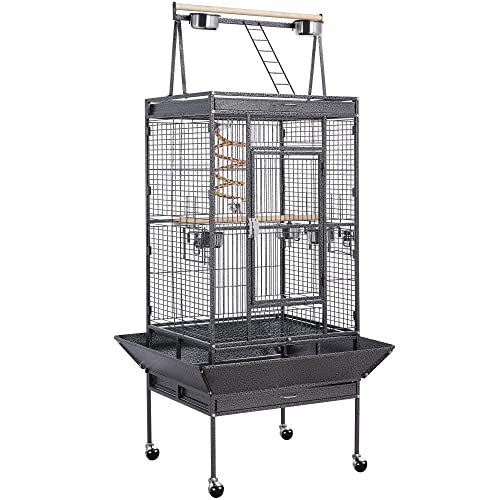
- ✓ Sturdy rolling design
- ✓ Enriched play top
- ✓ Secure, easy-access doors
- ✕ Assembly required
- ✕ Takes space when rolled
| Cage Dimensions | 24″ L x 22″ W x 35″ H |
| Bar Spacing | 5/8 inch (16 mm) |
| Material | Solid wrought iron with water- and oxidant-resistant finish |
| Play Top Features | Rooftop playground with ladder, wooden dowel, and two feeders |
| Mobility / Casters | 4 industrial casters for 360° rolling |
| Door Security | Doors equipped with locks for added access control |
You might have heard that rooftop play tops are noisy or purely for show, not for real enrichment. With this Yaheetech cage, the rooftop area feels like a genuine extension of the living space for your bird, not a decorative add-on.
Inside the test, I watched a pair of cockatiels hop up the ladder and perch on the wooden dowel, then stretch their wings without stepping near the main cage. The play top is sturdy and surprisingly roomy, not cramped the way some “play tops” feel.
The cage itself sits on four robust casters, so I could roll it easily from window light to a quieter corner for night mode. The 5/8 inch bar spacing is a good balance for smaller to mid-sized birds, giving confidence that an African Grey could explore without worrying about mischief getting through.
Access is thoughtful: three feeder doors let you refill without crowding the birds, which I appreciated when the birds were particularly skittish. The doors lock securely, and the overall metal finish felt resistant to moisture and handling after a few weeks of daily use.
Setting up was straightforward, though you’ll want to plan where the cage lives so you’re not constantly moving it for sunlight or traffic. The space is ample enough for 2-3 birds to coexist without feeling claustrophobic, and the rooftop playground adds a real enrichment feature rather than a gimmick.
Quiet spots matter when your bird’s a sensitive listener; during my test, there was minimal rattling at the wheels and no obvious wobble when fully loaded with perches and toys. If you’re balancing temperament and space in a busy home, this cage ticks a lot of boxes without feeling overblown.
All told, it’s a practical, well-built option that prioritizes ease of use and active enrichment for an African Grey in a home setting. You get security, mobility, and real play value in one sturdy package.
Prevue Playtop Bird Home – L Beige Cage with Rolling Stand

- ✓ Sturdy construction
- ✓ Easy cleaning
- ✓ Generous playtop
- ✕ Heavy when fully loaded
- ✕ Takes space
| Material and Construction | Powder-coated steel wrought iron frame |
| Dimensions and Wire Spacing | 24 in L x 22 in W x 65 in H; 3/4 in wire spacing |
| Access and Cleaning Features | Large hinged front door with double locks; pull-out bottom grille; top and two debris trays |
| Playtop and Enrichment | Integrated playtop design with wide built-in play area on top |
| Mobility and Stability | Cage on rolling stand with wheels and push button locks |
| Intended Bird Size Compatibility | Suitable for medium to large birds (Conures, Cockatiels, Parrots, Cockatoos, African greys) |
The first time I set the Prevue Playtop Bird Home on the rolling stand, I paused to admire how sturdy the powder-coated iron looked in the sunroom. The wheels clicked softly as I rolled it across the carpet, and the integrated playtop invited my cockatiel to perch and inspect before I even added toys.
It feels substantial in your hands, with that classic Prevue heft that says, “this is built to last.”
The front door opens smoothly with double locks, and the large access panel makes sweeping up after meals feel almost effortless. I appreciate the pull-out bottom grille for quick cleaning, and the two debris trays that catch seed scatter before it can migrate to the floor.
The 3/4 inch wire spacing strikes a nice balance between visibility and safety for a grey without feeling overcrowded.
Sizing-wise, the Playtop accommodates a range of medium to large birds, including African greys, which was why I picked it for this review. The top play area is surprisingly roomy, giving my bird a dedicated space for climbing and interactive play without feeling cramped.
It’s easy to lock the casters when you want to stop it from sliding during vigorous wing flaps.
Setup was straightforward: assemble the stand, attach the tray hooks, and you’re ready to go. The rounded-corner seed guards help keep mess contained, a small but meaningful detail when you’re trying to keep the living room peaceful.
If you’re balancing a busy household with an intelligent, active feathered friend, this cage helps you do both.
Overall, the Playtop delivers on space, safety, and maintenance ease, with a design that respects the needs of an African grey in everyday life.
Wrought Iron Dome Top Cage for Macaws & Parrots with Stand
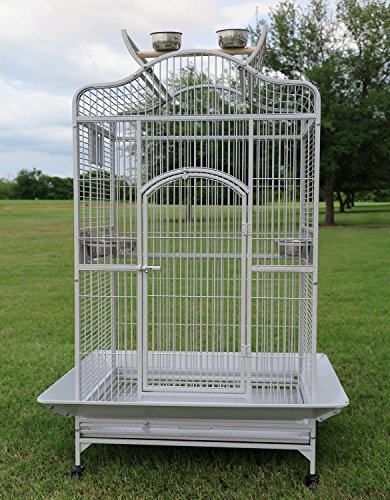
- ✓ Sturdy wrought iron build
- ✓ Easy-clean tray system
- ✓ Mess-minimizing seed skirt
- ✕ Heavier than average
- ✕ Assembly takes time
| Cage Material | Wrought iron construction |
| Internal Dimensions (without seed skirting) | 28 inches L x 22 inches W x 62 inches H |
| Finish/Accessories | Open playtop design with wooden stand perch and 2 stainless steel cups |
| Bar Spacing | 5/8 inch |
| Mobility | Four swivel casters for repositioning |
| Feeding/Access Doors | Solid metal feeder doors and solid metal nest door with four swivel stainless steel cups |
< p>When I first wheeled this cage into the living room, the 62-inch height surprised me more than I expected. The open playtop actually feels inviting for a curious macaw, and the wooden stand perch is sturdy enough to lean into without wobbling.
I laid a hand on the 5/8 inch bars and thought, this is built to last.
< p>The moment I opened the doors and placed the four stainless steel cups, I appreciated how little spillage sneaks out with the swivel doors. It’s a small detail, but it makes daily feeding feel calmer, especially during breakfast chaos. The seed skirt around the base softens mess without clogging up your cleaning routine.
< p>Setup was straightforward: the tray pops out easily for quick checks, and the removable grate is a real saver on Sunday deep cleans. The door hardware feels solid, not rattly, which is important when you’ve got a lively parrot testing every latch. You won’t be wrestling this cage to move it; the four swiveling casters glide smoothly across wood floors.
< p>In real use, the 30-inch-wide footprint with seed skirt keeps seed from lounging on the rug, which is a win for apartment life. Your African Grey will appreciate the roomy interior and the 360-degree access for toys and foraging. It feels like a compact sanctuary that still allows space for a flight-friendly stretch between perches.
< p>Overall, it blends practicality with a touch of style. If you value easy maintenance, secure feeding, and a cage that travels well between rooms, this one checks those boxes without feeling gimmicky. It’s a keeper for the long haul.
What Are the Essential Features of the Best Bird Cage for African Grey?
The best bird cage for African Grey parrots should include several essential features to ensure their comfort and well-being.
- Spacious Interior: African Greys are large birds that require ample space to move around. A cage with a minimum of 24×36 inches of floor space and a height of at least 36 inches allows them to stretch their wings, climb, and play comfortably.
- Sturdy Construction: Due to their strong beaks and tendency to chew, the cage should be made of durable, non-toxic materials such as stainless steel or powder-coated metal. This ensures the cage withstands their natural behaviors without compromising safety.
- Multiple Perches: Providing a variety of perches at different heights and materials helps to keep African Greys physically stimulated and healthy. Natural wood perches of varying diameters can help exercise their feet and prevent foot problems.
- Easy Access and Cleaning: Cages with large, swing-out doors and removable trays make it easier to access your bird and clean the cage regularly. This feature is crucial for maintaining hygiene and the overall health of your African Grey.
- Feeding and Water Stations: The best bird cages should come with multiple food and water dishes that are easy to refill and clean. Ideally, these should be placed at different levels to encourage foraging behavior, which is natural for African Greys.
- Safe and Secure Locking Mechanisms: A reliable locking system is vital to prevent accidental escapes and ensure the safety of your bird. Look for cages that have secure latches that are difficult for birds to manipulate.
- Play Area or Top Access: Cages with a playtop or a designated area for interaction can enhance your bird’s mental stimulation and socialization. This design allows for supervised out-of-cage time, which is essential for their emotional well-being.
How Much Space is Required for African Grey Birds in Their Cage?
African Grey Parrots are known for their intelligence and need for mental and physical stimulation. Providing adequate space in their cage is crucial for their well-being. The minimum dimensions for a cage suitable for an African Grey vary, but general guidelines suggest:
-
Minimum Flight Space: A cage that is at least 24 inches wide, 24 inches deep, and 36 inches high is recommended. This allows the bird enough room to stretch its wings and maneuver comfortably.
-
Ideal Size: For more active birds, a larger cage measuring 30 inches wide, 36 inches deep, and 48 inches high is ideal. This offers extensive space for climbing and playing.
-
Perches and Toys: Ensure that the cage allows for multiple perches at different heights and space for toys. Engaging enrichments are essential for preventing boredom.
-
Cage Layout: Horizontal space is equally important. An African Grey will benefit from bars that are close enough together (about ¾ inch) to prevent escape while allowing ample space to explore.
Remember, a spacious cage contributes significantly to the bird’s happiness and health. The more room provided, the better the opportunity for them to engage in natural behaviors.
What Materials Are Safe and Long-Lasting for African Grey Cages?
When choosing a cage for an African Grey, it is essential to consider materials that are safe and durable.
- Stainless Steel: Stainless steel is one of the safest and most durable materials for bird cages. It is non-toxic, resistant to rust, and does not contain harmful coatings that can flake off and harm your bird.
- Powder-Coated Metal: Powder-coated metal offers a smooth finish that is both attractive and safe for birds. It is treated to resist scratches and corrosion, making it long-lasting while providing a non-toxic surface that is easy to clean.
- Aluminum: Aluminum cages are lightweight and resistant to corrosion, making them an excellent choice for bird owners. They are durable and can be designed with large bar spacing, which is suitable for the size of an African Grey.
- Natural Wood (untreated): Untreated natural wood can be a good option for parts of the cage, such as perches or toys. It is essential to ensure that the wood is free from pesticides and chemicals, providing a safe environment for chewing and climbing.
- Acrylic or Plexiglass: Many cages incorporate acrylic or Plexiglass panels for visibility and safety. These materials are sturdy and provide a clear view, allowing birds to see their environment without the risk of escape or injury from traditional bars.
What Should Be the Ideal Bar Spacing for African Grey Cages?
The ideal bar spacing for African Grey cages is crucial for their safety and comfort.
- Recommended Bar Spacing: The ideal bar spacing for African Grey cages is between ½ inch to ¾ inch.
- Safety Considerations: Proper bar spacing prevents the bird from getting its head stuck or escaping.
- Material and Design: The cage should be made of non-toxic materials and have a sturdy design to withstand the African Grey’s strength.
- Accessibility: The cage should also have appropriate openings for easy access to food and toys while ensuring the spacing remains safe.
Recommended Bar Spacing: The ideal bar spacing for African Grey cages is between ½ inch to ¾ inch. This range ensures that the bird has enough space to move around without the risk of getting stuck or escaping, as these intelligent birds can be quite resourceful and determined.
Safety Considerations: Proper bar spacing is essential for the safety of the bird. If the bars are too far apart, the African Grey may attempt to squeeze through, which could lead to injuries. Conversely, if the bars are too close together, it could restrict movement and cause stress.
Material and Design: The cage should be made of non-toxic materials that are safe for birds, as African Greys are known to chew on their surroundings. A sturdy design is also critical because these birds are strong and curious, and they require a cage that can withstand their activity without compromising their safety.
Accessibility: The cage should also have appropriate openings for easy access to food and toys while ensuring the spacing remains safe. This means that perches, food dishes, and toys should be easily reachable without creating gaps that could lead to escape or injury.
How Do You Choose the Suitable Bird Cage for Your African Grey?
Choosing the best bird cage for your African Grey involves considering several important factors to ensure their well-being and comfort.
- Size: The cage should be spacious enough to allow your African Grey to move around freely, ideally measuring at least 24x24x36 inches.
- Bar Spacing: Proper bar spacing is crucial; it should be between 1/2 and 1 inch to prevent the bird from escaping or getting stuck.
- Material: Opt for a cage made from non-toxic metals, such as stainless steel or powder-coated steel, to ensure safety and durability.
- Design: The cage should have multiple perches, toys, and feeding stations to provide mental stimulation and prevent boredom.
- Accessibility: Ensure that the cage has large doors for easy access for cleaning and interacting with your bird.
- Cleanability: Look for cages with removable trays and smooth surfaces, making it easier to maintain hygiene and cleanliness.
Size is one of the most critical factors when selecting a cage for your African Grey. These birds are known for their intelligence and need ample space to move, play, and exercise. A cage that is too small can lead to stress and health issues.
Bar spacing is equally important to keep your bird safe. If the bars are too far apart, your African Grey could escape or get its head stuck, leading to potential injuries. The recommended spacing of 1/2 to 1 inch strikes a balance between safety and comfort.
The material of the cage matters significantly for the longevity and safety of your bird. Non-toxic materials such as stainless steel or powder-coated steel are recommended as they resist rust and are safe for your African Grey to contact without risk of harmful exposure.
The design of the cage should facilitate a stimulating environment. Multiple perches at varying heights, along with space for toys and feeding areas, can enhance your bird’s quality of life, offering opportunities for play and exploration.
Accessibility is another consideration, as larger doors make it easier to interact with your bird and perform routine maintenance. This feature is essential for building trust and keeping the habitat clean without unnecessary stress for you or your pet.
Lastly, cleanability should not be overlooked. A cage with a removable tray and smooth surfaces simplifies the cleaning process, which is vital for maintaining a healthy living environment and preventing disease.
What Are the Most Popular Bird Cage Brands for African Greys?
The most popular bird cage brands for African Greys include:
- Prevue Hendryx: Known for their durable and spacious cages, Prevue Hendryx offers a range of models that cater specifically to the needs of larger birds like African Greys. Their cages often feature multiple perches, food bowls, and ample room for movement, which is essential for the health and well-being of these intelligent parrots.
- Vision: Vision bird cages are designed with a focus on bird behavior, featuring a unique design that promotes interaction and natural activities. Their cages often include removable trays for easy cleaning and a variety of configurations to suit the preferences of both the owner and the bird.
- A&E Cage Company: This brand is well-known for its high-quality materials and construction, providing cages that are both safe and spacious for African Greys. A&E cages often come with accessories and toys, ensuring that your bird has a stimulating environment to thrive in.
- Mcage: Mcage offers a variety of affordable yet well-constructed cages suitable for African Greys. Their designs prioritize safety features, such as rounded corners and secure latches, while also providing ample space for play and exercise, making them a popular choice among bird owners.
- Kings Cages: Kings Cages are recognized for their customizability and robust build quality, catering to the specific needs of African Greys. Their cages often come with various options for size, color, and layout, allowing owners to create the perfect habitat for their feathered friends.
How Can You Assess the Affordability and Quality of Bird Cages?
To assess the affordability and quality of bird cages, especially for African Greys, consider the following factors:
- Material: The material of the cage is crucial for both durability and safety. Stainless steel and powder-coated metal are preferred as they are non-toxic, easy to clean, and resistant to rust and corrosion, ensuring a long-lasting environment for your bird.
- Size: African Greys are medium to large parrots, so the cage size should accommodate their need for space. A larger cage allows for movement, play, and exercise, which is essential for their physical and mental well-being.
- Bar Spacing: The spacing between the bars is important to prevent escapes and ensure safety. For African Greys, a spacing of ½ inch to ¾ inch is ideal, preventing them from getting their heads stuck while still allowing good visibility.
- Accessibility and Features: Look for cages with multiple access points and features such as removable trays, perches, and feeders. These features facilitate ease of cleaning and provide enrichment opportunities for your bird, making their environment more enjoyable.
- Price: While affordability is important, it’s essential to balance cost with quality. Investing in a higher-quality cage may initially cost more, but it can save you money in the long run by reducing the need for replacements and repairs and providing a safer habitat for your bird.
- Reviews and Recommendations: Researching reviews and seeking recommendations can provide insights into the experiences of other bird owners. Look for cages specifically mentioned as suitable for African Greys, as they often highlight important features and potential issues.
What Accessories Enhance an African Grey’s Cage Comfort and Safety?
To enhance an African Grey’s cage comfort and safety, several accessories are essential:
- Perches: Providing various types of perches is crucial for an African Grey’s foot health and comfort. Natural wood perches of different diameters allow for exercise and prevent foot problems, while sanded perches can help keep their nails trimmed.
- Toys: Mental stimulation is vital for African Greys, and a variety of toys can keep them engaged. Rotating toys that encourage chewing, foraging, and climbing will help prevent boredom and destructive behaviors.
- Food and Water Dishes: Secure, easy-to-clean food and water dishes are necessary for maintaining hygiene and accessibility. Stainless steel dishes are durable and resistant to chewing, while being easy to clean and refill.
- Hideaways and Caves: Providing hideaways or caves in the cage can help African Greys feel secure and reduce stress. These spaces mimic natural environments where they can retreat and relax when feeling overwhelmed.
- Foraging Accessories: Foraging toys and accessories encourage natural foraging behavior, which is essential for an African Grey’s psychological well-being. These can be puzzles that require the bird to work for treats, promoting mental agility.
- Play Gym: A play gym can be placed outside the cage to provide additional space for exercise and play. This allows the bird to explore and interact in a safe area, enhancing their overall quality of life.
- Safety Locks: Ensuring the cage has secure safety locks can prevent accidental escapes. African Greys are intelligent and curious, so having reliable mechanisms will enhance their safety when unsupervised.
Which Types of Perches and Toys Are Best for African Greys?
The best types of perches and toys for African Greys enhance their physical health, mental stimulation, and social interaction.
- Natural Wood Perches: These provide a comfortable and safe surface for African Greys to stand on while promoting foot health.
- Rope Perches: Flexible and easy to grip, rope perches allow birds to exercise their feet and provide a fun texture for climbing.
- Foraging Toys: These toys encourage natural foraging behavior, engaging the bird’s mind and providing an outlet for their curiosity.
- Mirror Toys: Mirrors can stimulate social interaction and help alleviate boredom by allowing the bird to “interact” with its reflection.
- Shreddable Toys: Made from safe materials, these toys allow African Greys to chew, tear, and shred, satisfying their natural instinct to chew and keeping their beaks healthy.
- Interactive Puzzle Toys: These toys challenge the bird to solve problems to access treats, promoting mental stimulation and preventing boredom.
Natural wood perches are essential as they mimic the natural environment of African Greys and help in maintaining foot health by offering various diameters and textures for the bird to grasp. They are typically untreated and free from harmful chemicals, making them a safe choice.
Rope perches are particularly beneficial because they are soft on the bird’s feet and can be bent into various shapes to accommodate different cage layouts. They also allow for more challenging climbing opportunities, which can be important for the bird’s exercise and well-being.
Foraging toys are vital since African Greys are intelligent and curious birds that thrive on mental challenges. By hiding treats within these toys, owners can encourage their birds to engage in natural foraging behaviors, which is critical for their mental health.
Mirror toys can provide entertainment and social stimulation, as African Greys are known to be social creatures. However, they should be monitored to ensure the bird does not become overly attached or aggressive towards its reflection.
Shreddable toys fulfill the bird’s natural instinct to chew, which is essential for beak maintenance. These toys not only keep the bird entertained but also help prevent boredom-related behaviors, such as feather plucking.
Interactive puzzle toys are excellent for encouraging problem-solving skills and cognitive development in African Greys. These toys can help reduce anxiety and destructive behaviors as the bird focuses on completing the challenges presented to it.
Why Are Food and Water Bowls Important for African Grey Birds?
Food and water bowls are crucial for African Grey birds because they provide essential nutrients and hydration necessary for their health and well-being.
According to the Association of Avian Veterinarians, proper nutrition is vital for the longevity and quality of life of birds, including African Greys, which require a balanced diet comprising pellets, seeds, fruits, and vegetables. Additionally, water is essential for digestion and metabolic processes, making accessible water bowls a necessity in any bird’s living environment.
The underlying mechanism involves the fact that African Greys are highly intelligent and active birds that require stimulation and a balanced diet to thrive. The presence of food and water bowls encourages natural foraging behaviors and helps maintain hydration levels. If these bowls are not readily available or are contaminated, it can lead to malnutrition or dehydration, which can negatively impact their health, leading to issues such as feather plucking, lethargy, or even more severe health complications.
Furthermore, the placement of these bowls within a bird cage can influence the bird’s behavior and comfort. Research by the Journal of Avian Medicine and Surgery indicates that the accessibility and cleanliness of food and water sources can affect stress levels in birds. Stress can lead to behavioral problems and health issues, highlighting the importance of maintaining clean and easily accessible food and water bowls in the best bird cage for African Grey parrots.
What Maintenance Practices Are Important for African Grey Cages?
Maintaining an African Grey cage is crucial for the health and well-being of the bird.
- Regular Cleaning: It’s essential to clean the cage thoroughly at least once a week to prevent the buildup of waste and bacteria. Use bird-safe cleaners to wipe down all surfaces, including perches, food and water dishes, and toys.
- Proper Disinfecting: In addition to regular cleaning, disinfecting the cage every month helps eliminate harmful pathogens. A diluted vinegar solution or a commercially available bird-safe disinfectant can be used to ensure a hygienic environment.
- Check for Wear and Tear: Regularly inspect the cage for any signs of damage, such as rusted bars or broken parts. Any deteriorating components should be repaired or replaced promptly to ensure the safety of your African Grey.
- Update Enrichment Items: Keeping the cage interesting for your bird is vital, so rotate toys and perches frequently. Providing new items stimulates their mental health and can prevent boredom-related behaviors.
- Monitor Food and Water: Ensure that food and water dishes are cleaned daily and refilled with fresh supplies. Contaminated food or standing water can lead to health issues, so it’s important to maintain proper feeding practices.
- Temperature and Humidity Control: Keep the cage in a comfortable environment where temperature and humidity levels are optimal for your African Grey. Extreme temperatures or dry conditions can lead to health problems, so monitoring these factors is essential.
- Safe Cage Location: Ensure that the cage is placed in a safe and secure location away from direct sunlight, drafts, and other pets. This not only protects the bird but also provides a stress-free space for it to thrive.
How Often Should You Clean and Maintain an African Grey Cage?
Cleaning and maintaining an African Grey cage is essential for the health and well-being of the bird, and the frequency can depend on various factors.
- Daily Cleaning: Each day, remove any uneaten food and droppings to maintain hygiene and prevent odors.
- Weekly Deep Cleaning: Once a week, perform a thorough cleaning that includes washing the perches, toys, and the cage itself with bird-safe cleaners.
- Monthly Maintenance: Monthly checks should involve inspecting the cage for wear and tear, ensuring all parts are secure and safe for your bird.
- Seasonal Overhaul: Every few months, do a comprehensive overhaul, which includes replacing old toys and perches, and checking for any signs of rust or damage in the cage structure.
Daily cleaning is crucial as it helps to keep the cage environment healthy and reduces the risk of bacterial growth that can lead to illness in your African Grey. Clearing away droppings and leftover food not only prevents odor but also deters pests.
For weekly deep cleaning, it is important to use non-toxic, bird-safe cleaners to wash the cage and accessories thoroughly, ensuring the bird’s living space is both clean and safe. This also helps to refresh the cage and stimulate your bird with clean toys and perches.
Monthly maintenance allows you to conduct a thorough inspection of the cage. Look for any signs of rust, loose screws, or damage that could pose a risk to your bird’s safety, thus ensuring a secure living environment.
Lastly, the seasonal overhaul is an opportunity to refresh your bird’s environment with new toys and enrich their habitat. This not only promotes physical activity but also mental stimulation, as African Greys are intelligent and curious creatures that thrive on interaction and variety.
What Cleaning Solutions Are Safe for Use in African Grey Cages?
When cleaning African Grey cages, it’s essential to use safe and effective cleaning solutions to ensure the health of the birds.
- White Vinegar: A natural disinfectant, white vinegar effectively kills bacteria and mold without leaving harmful residues. It can be diluted with water and used to wipe down cage surfaces, toys, and perches, making it an excellent choice for routine cleaning.
- Baking Soda: Known for its deodorizing properties, baking soda can be used to scrub the cage and remove stubborn stains. When mixed with water, it creates a gentle abrasive cleaner that is safe for birds and helps maintain a fresh environment.
- Castile Soap: This biodegradable soap is derived from vegetable oils and is free of harsh chemicals, making it safe for use around birds. It can be diluted with water to clean various surfaces, providing an effective way to remove dirt and grime while being gentle on your African Grey.
- Hydrogen Peroxide: A diluted solution of hydrogen peroxide can serve as a safe disinfectant for bird cages. It breaks down into water and oxygen, leaving no harmful residues, and is effective against a wide range of pathogens when used appropriately.
- Commercial Bird Cage Cleaners: Many manufacturers offer cleaning products specifically formulated for bird cages, ensuring they are safe for avian use. Always check the label to confirm that the product is free from harmful chemicals like alcohol, bleach, or ammonia.