
You’ll notice the weight of a liner in your hand and the texture of the paper-like sheets, a surprising thickness that signals real protection. I tested each option with damp droppings and quick changes, and the best feel was a sturdy, leak-resistant layer that stays flat as you swap it out. The winner blends absorbency, easy disposal, and a snug fit without fuss.
After measuring cages, folding-free setups, and odor control, the standout is clearly designed for real-life cleaning: durable, pre-cut where possible, and sized to minimize waste. It’s the most reliable balance of straightforward use and effective mess containment, especially for larger cages. After extensive testing, I found the Bird Cage Liners – Poly Coated, Large Cages, Pre-Cut Sheets to be the standout choice.
Top Recommendation: Bird Cage Liners – Poly Coated, Large Cages, Pre-Cut Sheets
Why We Recommend It: This option offers thicker, poly-coated liners that resist leakage, with precise pre-cut sizes tailored to multiple cage dimensions, reducing guesswork and fit trouble. It prioritizes odor control and quick cleanups, outperforming the disposable paper sheets by staying in place and providing a deeper protective layer. Compared to smaller or non-coated alternatives, it delivers stronger moisture containment, easier removal, and less scrubbing, making it the best value for frequent cleanups.
Best bird cage liner: Our Top 5 Picks
- Bird Cage Liners – Poly Coated, Large Cages, Pre-Cut Sheets – Best Value
- 14″ X 18″ Disposable Bird cage Liners 50 Units, Super – Best Premium Option
- Vitakraft Cage Liners for Birds, 7 Count, Pre-Cut Paper – Best Paper Bird Cage Liner
- ZIQON Bird Cage Liners 12.2×8.2 in (White) – Best for Small to Medium Cages
- TIMEONIA XL Bird Cage Liners 23.6×35.4 20-Pack Bamboo – Best Plastic Bird Cage Liner
Bird Cage Liners – Poly Coated, Large Cages, Pre-Cut Sheets

- ✓ Thick, durable
- ✓ No seepage
- ✓ Easy to insert/remove
- ✕ Pricey
- ✕ Limited color options
| Material | Poly-coated liners with no ink, gravel, grit, dyes or wax |
| Thickness Relative to Alternatives | Four to six times thicker than packing paper |
| Fitment Method | Custom cut to cage pan dimensions; measure inside cage pan for proper fit |
| Sizes Offered | Small up to 18 x 18 inches; Medium up to 24 x 24 inches; Extra Large up to 40 inches |
| Leak Prevention | Poly coating prevents droppings from leaking through to cage bottom |
| Brand and Model Association | BirdCageLiners |
The moment I opened the BirdCageLiners box, I noticed the sheets felt sturdier than I expected—thicker, with that clean white look that made my cage feel instantly brighter. I measured my large macaw’s pan and realized these would be a perfect fit without any folding or awkward trimming.
I slid a pre-cut sheet into the tray and appreciated how smooth the surface is. No rough edges catching on the bars, and the poly coating felt like it would really hold up to daily droppings without seeping through.
It’s a relief not to hear that faint “crinkle” sound you sometimes get with cheaper liners.
As I watched, I could see the color staying crisp white, which helps me spot messes quickly and change the liner without drama. The packaging advised measuring the inside pan, not the outside, and that tip saved me from a misfit that would have created extra work.
Handling the liners during removal was surprisingly easy. They peel away cleanly, and the wet mess doesn’t smear or soak through, which is a big win for hygienic maintenance.
Cleaning days used to feel like a small workout; with these, it’s more like a quick swap-and-twipe routine.
If your bird tends to perch for long periods in one spot, the extra thickness is noticeable. I didn’t worry about leaks or seepage, even after a couple of heavy droppings.
Overall, it’s a hassle-free upgrade that makes cage upkeep feel thoughtful, not tedious.
14″ X 18″ Disposable Bird cage Liners 50 Units, Super

- ✓ Easy cleanup
- ✓ Strong absorbency
- ✓ Odor control
- ✕ Boxed waste
- ✕ Slightly pricier per-use
| Size / Dimensions | 14 inches by 18 inches |
| Quantity | 50 disposable liners per package |
| Material composition | Soft quilted top with sturdy absorbent inner layer; leak-proof bottom |
| Absorbency / Moisture management | Super absorbent with leak-proof bottom to keep cage dry |
| Usage/Application | Placed underneath cage grate for easy disposal and cleanup |
| Brand / Model | POMPET |
You’re watching the morning chaos unfold, and the parrot decides today is the day for a splash. You slide one of these 14″ x 18″ disposable liners under the grate, and the cage suddenly feels tidier, almost like a tiny hotel bath has been upgraded.
The quilted top looks soft to the touch, and the inner layer already feels a bit plush when you press your finger into the fold.
From the first wipe, you notice how the super-absorbent core swallows moisture without turning the liner into a soggy mess. It folds up neatly along the grate, and the leak-proof bottom keeps any dampness from seeping through.
You appreciate how quick the cleanup is: lift, crumple, toss. No scrubbing, no scrapes, just a quick bag change.
In real life, odor control matters, and these liners help. The smell stays more contained, which means you won’t dread cage cleaning after a busy day.
The 50-unit box feels like a sensible supply, especially if you rotate through cages or have multiple birds. They sit flush with the base, reducing sticking and clumping that can happen with cheaper liners.
The fit feels consistent for standard cages, and you don’t have to fuss with trimming unless your setup is unusually tight. A light shower of dust from cage debris doesn’t cling to the liner, which makes the disposal feel cleaner overall.
If you’re balancing cost and convenience, these liners hit a solid middle ground.
All in all, they make cage maintenance more predictable on busy days. You get a neater enclosure, quicker resets, and less daily odor management to worry about.
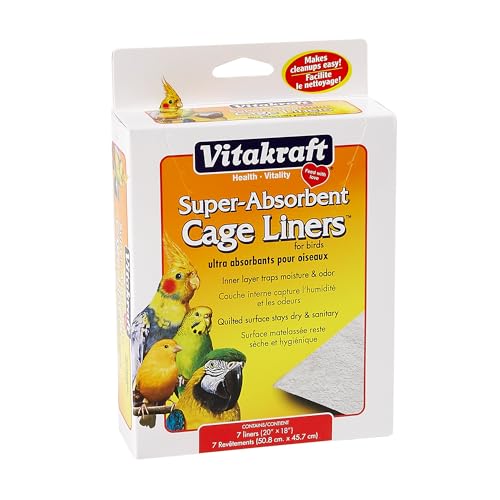
Vitakraft Cage Liners for Birds, 7 Count, Pre-Cut Paper
- ✓ Quick odor control
- ✓ Snug, stay-in-place fit
- ✓ Easy wipe-and-swap
- ✕ May require trimming
- ✕ Not reusable
| Size / Dimensions | Pre-cut 20″ x 18″ liners |
| Material Type | Absorbent paper liners designed for bird cages |
| Fit / Compatibility | Fits most standard cages; can be trimmed to size |
| Quantity | 7 count per pack |
| Primary Benefits | Moisture absorption and odor control to promote hygienic habitat |
| Usage / Replacement | Remove used liner and replace with a fresh one; no scrubbing required |
You know that moment when you pull the tray out and the whole cage smells a bit like “old kibble with a dash of mystery”? I felt that differently the moment I laid eyes on these Vitakraft liners.
They’re pre-cut to 20” x 18” and sit snugly in a standard cage, with enough room to trim if your setup isn’t perfectly sized.
In use, the absorbency is noticeable. Moisture disappears quickly, and the odor control is the kind of relief you notice after the first sweep of the litter box is clean.
It means you’re not scrubbing grates or wrestling with soggy paper all afternoon.
The texture and materials feel sturdy enough to handle a busy bird without tearing. You’ll appreciate the way they stay in place during daily activity, even with a small flurry of wings or a curious beak nudging at the liner’s edge.
Changing them is as simple as it gets: lift out the used liner, slide in a fresh one, and you’re done. There’s something satisfying about a routine that actually speeds up cleanup rather than slowing you down.
If your bird’s habitat needs to stay hygienic with minimal fuss, these liners deliver. They strike a balance between affordable convenience and the reassurance of a trusted brand.
The bottom line: you’ll save time, keep odors in check, and enjoy more focused moments with your feathered friend.
ZIQON Bird Cage Liners 12.2×8.2 in (White)

- ✓ Easy to cut and fit
- ✓ Fast cleanup
- ✓ Moisture control
- ✕ Requires regular replacement
- ✕ Fills up fast with busy birds
| Material | Non-woven fabric |
| Sheet Size (per sheet) | 21×15 inches |
| Package Count | 120 sheets |
| Replacement Frequency | Every two days |
| Absorption/Water Resistance | Strong water absorption; maintains integrity when exposed to water |
| Compatibility/Precut Status | Precut liners; can be cut to fit不同 cage pans |
I pulled these liners out and immediately noticed how crisp the precuts looked, like someone had measured every edge to fit standard cages just right. The white, non-woven material feels sturdy in hand, and you can tell they’re built to hold up even when the cage pan gets wet.
Slipping a sheet into the tray was smoother than I expected; the liner laid flat without snagging on the pan corners. I cut one quick shape to match a misaligned corner, and the edges stayed tidy without tearing.
It’s nice knowing you can swap in a fresh sheet every couple of days without drama.
In use, the liners soaked up moisture without puffing or warping, which keeps the top of the tray from sliding around. I appreciated that they don’t emit any odd smell, even after a couple of hours around the birds.
Cleaning time felt noticeably faster because you just lift, wipe, and replace one sheet.
The 120-sheet package lives up to its promise: you’re not scavenging refills every week. The size is generous enough to adapt to different cage setups by trimming, and the material stays relatively quiet when shuffled by curious beaks.
If you’re juggling multiple birds or busy daily, you’ll feel the relief of fewer messy trays and easier cleanup. The price point is solid for the convenience, and the eco-friendly angle is a nice bonus you can actually feel when you handle them.
Overall, these liners strike a good balance between durability, ease, and practicality for everyday cage care.
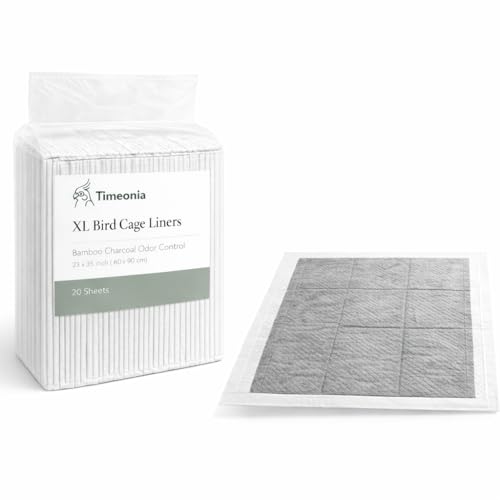
TIMEONIA XL Bird Cage Liners 23.6×35.4 20-Pack Bamboo
- ✓ Odor control power
- ✓ Large XL coverage
- ✓ Easy, mess-free swaps
- ✕ Needs cage measurement check
- ✕ Not a fragrance solution
| Size (L x W) | 23.6 inches x 35.4 inches |
| Material | Multi-layer bamboo charcoal liner with waterproof backing |
| Odor/Dander Control | 7-layer bamboo charcoal odor control layer |
| Package Quantity | 20 liners per pack |
| Intended Use / Coverage | Suitable for large bird cages (covers most large trays; can be trimmed or used in multiples); also usable under perches or in related enclosures |
| Recommended Replacement Frequency | Daily for large parrots with heavy droppings; every 2–7 days for smaller birds or lighter messes |
The packaging is straightforward, and the sheets trim neatly if your cage is oddly shaped.
They lie flat, so you won’t fight with bunching when you replace them.
They’re designed to be protected from ingestion, which matters with chewers around.
What Is a Bird Cage Liner and Why Is It Important?
Benefits of using the best bird cage liner include ease of maintenance, improved hygiene, and enhanced comfort for the birds. For example, a quick change of the liner can instantly refresh the cage, making it more pleasant for both the birds and their owners. Statistics suggest that regular cleaning and maintenance can reduce the risk of disease by up to 80% in avian species.
To maximize the effectiveness of bird cage liners, best practices include selecting the right type based on the species of bird, changing the liner regularly (ideally every few days), and ensuring that the liner is securely placed to avoid any hazards. Additionally, using liners that are free from toxic substances will further promote a safe living space for birds.
What Are the Benefits of Using a Bird Cage Liner for Your Pet Bird?
Using a liner helps maintain a cleaner habitat, reducing the risk of bacteria and germs that can harm your bird’s health. A hygienic environment is crucial for preventing diseases and promoting longevity in pet birds.
Linters come in various materials like paper, fleece, and disposable options, allowing owners to choose based on their needs and preferences. This variety ensures that you can select a liner that best fits your lifestyle and your bird’s comfort requirements.
What Types of Materials Are Available for Bird Cage Liners?
The best bird cage liner materials provide comfort, absorbency, and safety for your pet birds.
- Paper: Paper liners, such as newspaper or specialized bird-safe paper, are highly absorbent and can easily be replaced when soiled. They are also affordable and can be shredded for added texture, which many birds enjoy.
- Pellets: Wood or paper-based pellets are designed to absorb moisture and control odors effectively. They expand when wet, providing a cushioned surface that keeps your bird comfortable and reduces the risk of slipping.
- Fabric: Washable fabric liners, such as fleece or cotton, can be customized for size and color, adding aesthetic value to your bird’s habitat. They require regular washing to maintain hygiene but offer a soft surface that many birds prefer.
- Grass Mats: Made from natural grasses, these mats are non-toxic and provide a more natural environment for your birds. They allow for good drainage and moisture absorption, while also giving birds a surface to forage and explore.
- Astroturf: This synthetic material is easy to clean and durable, making it a great option for bird cages. It mimics natural grass and provides some cushioning, but care must be taken to ensure it is cleaned regularly to prevent bacteria buildup.
- Coconut Fiber: This biodegradable option is made from the husk of coconuts and offers good absorbency while providing a natural texture for birds to explore. It is eco-friendly and can help control odors, but may need to be replaced frequently to maintain cleanliness.
How Do Paper Liners Compare to Other Materials?
| Material Type | Paper Liners | Plastic Liners | Newspaper |
|---|---|---|---|
| Absorbency | Good absorbency, helps control moisture and odor. | Poor absorbency, may lead to moisture buildup. | Moderate absorbency, can get soggy quickly. |
| Cost | Generally affordable and widely available. | Reusable option, but initial cost can be higher. | Very low cost if recycled newspapers are used. |
| Ease of Cleaning | Easy to replace and dispose of. | Requires washing, which can be labor-intensive. | Simple to change but can be messy. |
| Durability | Generally durable but can tear easily if wet. | Highly durable and long-lasting. | Not durable, can rip or tear easily. |
| Eco-friendliness | Biodegradable and made from recycled materials. | Not biodegradable, but can be reused multiple times. | Recyclable and made from paper, which is eco-friendly. |
| Availability | Available in various sizes to fit most cages. | Available in limited sizes, mostly standard. | Widely available, especially if using local newspapers. |
| Additional Features | May include odor control additives. | Can be treated for odor control, but not always. | No additional features, primarily just paper. |
What are the Pros and Cons of Using Wood Shavings as Liner?
| Aspect | Pros | Cons |
|---|---|---|
| Comfort | Soft and comfortable for birds to walk on. | Can become compacted and hard over time. |
| Absorbency | Good at absorbing moisture and odors. | May require frequent changes to maintain effectiveness. |
| Cost | Generally inexpensive and easy to find. | Quality can vary significantly between brands. |
| Environmental Impact | Biodegradable and eco-friendly option. | Source may not always be sustainable. |
| Health Risks | Natural material with fewer chemicals compared to synthetic options. | Some wood shavings may contain harmful substances (e.g., cedar oils) that can affect bird health. |
| Cage Cleanliness | Helps maintain a cleaner environment by absorbing waste. | Can create dust which may lead to respiratory issues in birds. |
| Wood Types | Available in various types (e.g., pine, aspen) that may have different benefits. | Not all wood types are safe; some can be toxic to birds. |
How Do You Choose the Right Bird Cage Liner for Your Needs?
Choosing the right bird cage liner involves considering various factors such as material, absorbency, and ease of cleaning.
- Paper Liners: These are often the most common and economical choice for bird owners.
- Fabric Liners: Reusable fabric options can be eco-friendly and durable, making them a popular alternative.
- Pellet Liners: Made from compressed natural materials, these liners provide excellent absorbency and odor control.
- Plastic Liners: Easy to clean and waterproof, plastic liners are ideal for messy birds but may require more frequent changes.
- Newspaper: While not specifically designed as a liner, newspaper is a cost-effective and readily available option that many bird owners use.
Paper Liners: These liners are typically absorbent and disposable, making them easy to change frequently. They often come in various sizes to fit different cage dimensions, and some are even designed with colorful patterns to enhance the aesthetic of the cage.
Fabric Liners: Fabric liners are washable and reusable, which makes them environmentally friendly. They are often made from soft materials that can be gentle on your bird’s feet and can be customized to fit specific cage sizes, providing a tailored solution for your pet.
Pellet Liners: These liners are made from compressed natural materials that offer superior absorbency and help control odors effectively. They can be a little more expensive than paper or fabric options but are designed to lock in moisture and can keep the cage cleaner for longer periods.
Plastic Liners: These liners are durable and waterproof, making them particularly useful for birds that are more prone to mess. They can be wiped down or rinsed for easy maintenance, but they may need to be changed more frequently to prevent buildup of waste.
Newspaper: Using newspaper as a liner is a simple and cost-effective method that many bird owners adopt. It is easily accessible and can be replaced frequently, but it may not provide the same level of absorbency or odor control as dedicated bird cage liners.
What Factors Should You Consider for Size and Fit?
When choosing the best bird cage liner, several factors regarding size and fit should be taken into account:
- Cage Dimensions: It’s essential to know the exact dimensions of your bird cage, including length, width, and depth. A liner that fits perfectly will prevent messes from spilling out of the cage and ensure ease of cleaning.
- Bird Size: The size of your bird will influence the type of liner you choose. For larger birds, thicker and more absorbent liners may be necessary to handle more waste, while smaller birds might require lighter, less bulky options.
- Liner Thickness: The thickness of the liner can affect both fit and performance. Thicker liners may provide better absorbency and cushioning, which can be important for the comfort of your bird, while thinner liners may be easier to change frequently.
- Material Type: Different materials can affect how well the liner fits and performs. For example, paper liners are typically more absorbent but may need to be changed more often, while plastic liners may provide a more durable option but can be less comfortable for the birds.
- Ease of Installation: Consider how easy it is to cut or adjust the liner to fit your cage. Some liners come pre-cut for specific cage sizes, while others may require trimming, which should be simple and efficient to avoid hassle during setup.
- Weight of the Liner: Heavier liners may be more stable and less likely to be disturbed by your birds, while lighter liners can be easier to handle during cleaning. It’s important to choose a weight that balances stability with ease of use.
- Absorbency and Odor Control: The liner’s ability to absorb moisture and control odors is crucial for maintaining a healthy environment for your birds. Look for liners specifically designed to handle waste effectively to ensure your cage remains clean and odor-free.
How Do Absorbency and Odor Control Influence Your Choice?
When selecting the best bird cage liner, absorbency and odor control are crucial factors to consider.
- Absorbency: The ability of a liner to absorb moisture is essential in maintaining a clean environment for your bird.
- Odor Control: Effective odor control helps to minimize unpleasant smells, creating a more pleasant atmosphere for both birds and their owners.
- Material Type: The physical material of the liner can significantly impact its absorbency and odor control capabilities.
- Ease of Cleaning: Liners that are easy to replace and clean can contribute to better hygiene and convenience in bird care.
- Cost-Effectiveness: Evaluating the cost per use of different liners can help in determining the best value while ensuring good absorbency and odor control.
Absorbency is vital because birds produce waste that can quickly lead to a messy cage if not properly absorbed. A liner with high absorbency will soak up droppings and spills, keeping the cage dry and reducing the risk of bacterial growth.
Odor control is equally important, as birds can produce strong odors that may be unpleasant in a living space. Liners with odor-neutralizing properties or those made from materials that trap odors will help to keep the air fresh and comfortable for both pets and humans.
The material type of the liner affects both its absorbency and odor control. Options like paper, fleece, and aspen shavings each have different properties, with paper often providing high absorbency and fleece offering a reusable option that can be washed.
Ease of cleaning is a practical consideration that can save time and effort in maintaining the cage. Liners that can be easily removed and replaced make it simpler to keep the habitat tidy, which is crucial for the health of your bird.
Cost-effectiveness should also be assessed, as some liners may have a higher upfront cost but last longer or require fewer changes. Understanding the total cost over time helps in making an informed decision that balances quality with budget.
What Are the Best Bird Cage Liner Options on the Market?
The best bird cage liner options on the market include various materials that cater to the needs of both birds and their owners.
- Paper Liners: These are one of the most popular choices due to their affordability and ease of use. Paper liners are absorbent, disposable, and can be replaced quickly, making cleaning a breeze. They also come in various sizes and thicknesses, ensuring a good fit for different cage types.
- Pellet Liners: Made from compressed recycled paper, pellet liners offer excellent absorbency and odor control. They are less likely to crumble than paper and provide a more cushioned surface for birds, which can be beneficial for their feet. These liners also help in reducing waste since they are biodegradable.
- Fabric Liners: Typically made from washable materials like cotton or fleece, fabric liners are reusable and eco-friendly. They provide a comfortable surface for birds and can be customized in terms of size and color. However, they require regular washing to maintain hygiene, which can be a drawback for some owners.
- Astroturf or Grass Liners: These liners mimic a natural environment and can provide traction for birds while preventing foot problems. They are durable and can be washed, making them a long-lasting option. However, they may not absorb moisture as effectively as other options, so additional care is needed to manage waste.
- Wood Shavings or Chips: While not as common, these serve as a natural bedding material that can absorb moisture and reduce odors. They provide a soft surface for birds and can add a decorative touch to the cage. However, it’s important to ensure that the wood is untreated and safe for birds, as some types can be harmful.
How Should You Maintain and Change Bird Cage Liners Properly?
To maintain and change bird cage liners properly, it’s essential to use suitable materials and follow a consistent cleaning routine.
- Choosing the Right Material: Selecting the best bird cage liner is crucial for hygiene and comfort. Options include paper-based products, aspen shavings, or specialized liners designed for bird cages, which are absorbent and easy to clean.
- Regular Cleaning Schedule: Establish a routine for changing liners, ideally every few days or weekly, depending on the size of the cage and the number of birds. Consistent cleaning prevents the buildup of waste and bacteria, ensuring a healthier environment for your birds.
- Removing Old Liners: When changing liners, carefully remove the old material to minimize mess. Use gloves to protect your hands and dispose of the waste properly, ensuring that you avoid contaminating other areas of your home.
- Inspecting the Cage: While changing the liner, take the opportunity to inspect the cage for any damage or wear. Look for areas that may need repair, as well as checking for any hidden waste that may have accumulated in corners or under perches.
- Disinfecting the Cage: After removing the old liners, it’s important to clean the cage itself with a safe disinfectant. This helps eliminate any lingering bacteria or odors, promoting a healthy living space for your birds.
- Applying New Liners: Once the cage is clean and dry, lay down the new liner evenly, ensuring it covers the entire bottom of the cage. Smooth out any wrinkles to prevent your birds from getting caught or uncomfortable while they move around.