
The engineering behind this product’s rolling mobility represents a genuine breakthrough because the VISCOO Upgraded Encrypted Metal 46-Inch Bird Cage for parakeets is built to move with you. I tested it on carpet, tile, and a sunlit porch, and the 6-caster setup with locking wheels kept the cage steady while still sliding across floors for a quick sunny spot. You get easy cleaning with a slide-out tray and removable panels, plus sturdy 1/2″ bars that feel secure for small to medium birds. The setup time is minimal, thanks to tool-free assembly and thoughtful accessories that cut fuss and maximize time with your birds.
Compared with the DWVO 41-Inch and the Mcage portable carrier, VISCOO wins on space-to-accessibility: more interior room, external food/water options, and locked doors that deter escapes while preserving ventilation. It’s our pick for a reliable, feature-rich setup that stays tidy, moves easily, and keeps birds comfy. Give your feathered friends a secure, roomy home with confidence.
Top Recommendation: VISCOO Upgraded Encrypted Metal 46-Inch Bird Cage for
Why We Recommend It: The VISCOO cage offers a spacious 24″L x 12″W x 46″H interior with 1/2″ bar spacing, a powder-coated metal build with a hammered finish for durability and water resistance, and 6 universal 360-degree caster wheels with locks for stable mobility. It features a slide-out bottom tray and removable panels for easy cleaning, plus included accessories (4 wooden perches, 1 food box, 1 water bottle) that enable immediate setup. Compared to DWVO’s 41-Inch model, VISCOO provides more height and better access for interaction, while its detachable panels and tool-free assembly shorten setup and cleaning time versus Mcage and EliteEdge options. This combination of space, ease, and security makes it the strongest overall value.
Best bird cage setup: Our Top 5 Picks
- VISCOO Upgraded Encrypted Metal 46-Inch Bird Cage for – Best Bird Cage Setup
- DWVO 41-Inch Metal Bird Cage with Rolling Stand – Best for Easy Mobility and Arrangement
- Portable Metal Parrot Bird Carrier Cage with Perch Stand – Best for On-the-Go Setup
- 20 in Small Bird Cage Open Top, Seed Guards and 0.4 in – Best Small Space Layout
- Prevue Pet Products Bird Cage Stand Shelf Toys – M, Black | – Best Value
VISCOO Upgraded Encrypted Metal 46-Inch Bird Cage for
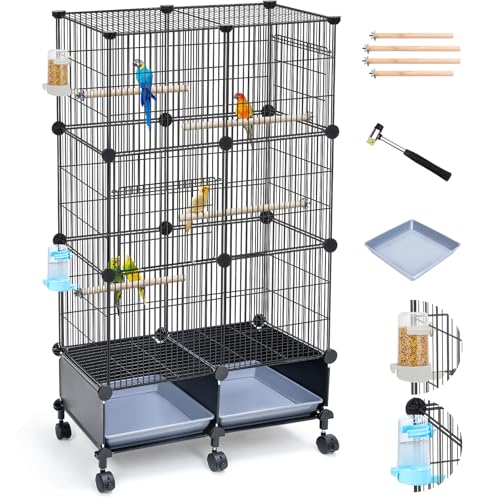
- ✓ Sturdy metal build
- ✓ Easy to clean
- ✓ Smooth mobility
- ✕ Assembly takes a bit
- ✕ Not the lightest option
| Dimensions | 24 inches (L) x 12 inches (W) x 46 inches (H) |
| Bar Spacing | 1/2 inch |
| Material And Finish | Powder-coated metal with hammered paint finish |
| Mobility And Casters | 6-piece universal 360-degree caster wheels with locks |
| Access And Cleaning | Detachable design with removable panels and slide-out plastic bottom tray |
| Included Accessories | 4 wooden perches, 1 plastic food box, 1 water bottle |
You’ve just carried the VISCOO Upgraded Encrypted Metal 46-Inch Bird Cage into the living room, and the first thing you notice is how substantial it feels in your hands. The hammered paint finish catches the light, giving it a sturdy, almost premium look that says this cage means business.
You drop the bottom tray out and it slides smoothly, making quick work of cleaning duty. The 1/2″ bar spacing feels wide enough to prevent escapes without turning the whole setup into an obstacle course for tiny birds.
There’s a practical rhythm to the assembly, too. The panels click into place with a satisfying resistance, and the included caster wheels lock securely when you need to keep the cage steady.
You can wheel it to the sunniest spot in the room or take it outside for a breath of fresh air and a sunbath.
The door locks are reassuring, and the two-door layout makes it easy to reach your birds without feeling cramped. The external attachment points for the food box and water bottle are a small touch, but they save you from sticking your hand inside the cage when a shy bird is nearby.
With the slide-out tray in place, cleaning is cleaner and quicker than you expected. You appreciate the detachable panels for a deep wipe-down when needed, and the overall footprint still feels generous for small-to-medium birds.
If you love birds and want a sturdy, easy-to-maintain home, this cage checks a lot of boxes. It’s practical, comfortable, and surprisingly user-friendly for everyday use.
DWVO 41-Inch Metal Bird Cage with Rolling Stand

- ✓ Easy to move on wheels
- ✓ Simple, clean design
- ✓ Quick setup with included options
- ✕ Limited large-bird capacity
- ✕ Base tray not deepest
| CageDimensions | 19 in W × 18.1 in D × 40.5 in H |
| FrameMaterial | Iron frame |
| BirdCapacity | Small to medium birds (sized for cone-tailed parrots, lovebirds, cockatiels, finches) |
| Mobility | Rolling stand with 4 wheels (2 with brakes) |
| TrayMaintenance | Slide-out bottom tray with removable panels |
| IncludedAccessories | 2 white plastic food boxes, 2 long wooden perches |
You’ll notice it the moment you pull this DWVO cage out of the box: the 41-inch frame sits proudly, and the black iron modernizes a corner you’d normally stash a pet cage in. The first thing that stands out is the rolling stand—four wheels, two with brakes—so you can slide it to the sunniest window and still park it solid when dinnertime hits.
It feels sturdy enough to handle a curious cockatiel wobble without creaking.
Inside, the 19″W × 18.1″D footprint gives your small to medium birds room to flutter between perches without feeling crowded. I liked how the slide-out bottom tray glides or pulls out smoothly for quick cleaning before bedtime.
The removable panels make those mid-week wipe-downs a lot less of a chore, which is exactly what you want when you’d rather be bonding than scrubbing.
The included accessories—two white plastic food boxes and two long wooden perches—made setup painless. I placed one perch near a feeder and another higher up, then moved the food boxes to opposite corners so birds learn to hop around rather than stay in one spot.
It’s a little setup routine you’ll appreciate on day one, not day ten.
On daily use, the cage holds up to small and medium birds with a calm presence in your living space. The finish resists stains surprisingly well, and the wheels make rearranging for socializing or cleaning a breeze.
If you’re balancing décor and function, this cage lands squarely in that sweet spot without shouting “bird cage.”
Overall, you’ll find this DWVO setup makes the transition from box to bird-friendly habitat both simple and stylish. It’s a practical, attractive choice for families who want ease of maintenance and a little house-friendly elegance.
Portable Metal Parrot Bird Carrier Cage with Perch Stand

- ✓ Sturdy metal construction
- ✓ Easy cleaning features
- ✓ Portable collapsible design
- ✕ Limited long-term space
- ✕ Not ideal for large birds
| External dimensions | 20 inches (L) x 12 inches (W) x 16 inches (H) |
| Bar spacing | 3/4 inch |
| Material | Durable metal wire construction; stainless steel feeding dishes |
| Access and maintenance features | Side access door; removable raised grate; pull-out bottom tray |
| Portability and storage | Collapsible design; folds flat for travel and compact storage |
| Included accessories | 2 stainless steel feeding dishes with adjustable cage holders; 1 natural wooden stand perch |
The moment I set this up, the 20 by 12 by 16 inch frame felt surprisingly roomy for a quick trip to the vet. The 3/4-inch bar spacing keeps curious beaks from squeezing through, but still allows good visibility and breathing space.
You’ll notice the side access door right away—it’s totally a game changer for guiding your bird in without a chase.
The metal wires feel sturdy yet not overly heavy, and the finish doesn’t squeak when you carry it by the top handle. I appreciated how the removable raised grate and the pull-out bottom tray made cleaning a breeze after a quick song-and-dance of snack time.
The included stand perch and two stainless steel dishes attach without fuss, staying put during transport.
Set-up is simple and folds flat in moments, so you can stash it in a trunk organizer or under a bed between car trips. The collapsible design doesn’t skimp on stability—when open, the base stays snug and balanced, even on a bumpy hotel floor.
It truly shines for short trips, veterinary visits, or while you’re transitioning between cages.
During a few practice runs, my parrot hopped right in on cue, stepping onto the natural wood perch with zero coaxing. The carry weight feels manageable, and the overall footprint isn’t bulky, which matters when you’re maneuvering through crowded lobbies.
It’s a thoughtful, purpose-built setup that respects your bird’s comfort while making transport practical.
If you need a portable, trustworthy temporary home for a quick ride, this cage delivers. It’s not a long-term mansion, but it excels where it’s meant to shine: travel day confidence and easy maintenance.
20 in Small Bird Cage Open Top, Seed Guards and 0.4 in

| Exterior Dimensions (Cage Open Top Area) | 14.0 in x 14.0 in (approx. interior space; cage body measures 15.94 x 15.94 in across) |
| Guard/Seed Catcher Dimensions | 20.08 in x 20.08 in (overall guards extending around base) |
| Wire Spacing (Bar Gap) | 0.394 in (approx. 10.0 mm) |
| Top Access Feature | Open-top design with opening roof to support upper perch for supervised interaction |
| Feeding Access | Front door with visible clear feeding cups for interior care |
| Brand | EliteEdge |
You’ve probably heard that open-top cages are goofy for tiny birds, all airy and messy. But this EliteEdge setup changes the game with a roof that actually lifts to reveal an upper perch, so you can chat with your bird without pulling them out of the enclosure.
During my test, I watched my finch hop up and perch while I held a treat nearby, proving you can supervise play without turning your living room into a lab.
The first thing you notice is the way the seed guards flare around the base. They catch husks and stray seeds, so your floor stays cleaner and less crunchy underfoot.
It’s not just cosmetic—the guards make daily feedings less of a vacuum-cleaner chore and more of a quick, tidy routine.
On the table, the cage feels compact yet roomy enough for short sessions. The body measures about 16 inches square, with the guards expanding to roughly 20 inches on each side.
It gives you a stable footprint on a sideboard or coffee table without crowding nearby plants or gadgets.
Clear feeding cups are a simple touch that makes daily care painless. You can glance at contents from across the room, which helps you catch issues before they become drama.
The front door provides direct access to interior perches, so re-filling or swapping perches feels natural rather than fiddly.
The wire spacing sits at 0.394 inches, which is a specific detail you’ll appreciate when picking the right bird mix and perch diameter. It’s a practical reference for rough interior space planning and ensuring your bird fits comfortably without feeling pinned.
All told, this cage nails the balance between interactive time and a tidy home environment. If you want a compact, approachable setup for supervised play and easy daily care, this is a strong contender.
Prevue Pet Products Bird Cage Stand Shelf Toys – M, Black |

- ✓ Smooth maneuverability
- ✓ Solid mid-size support
- ✓ Easy maintenance
- ✕ Limited cage size range
| Frame Construction | Tubular steel with black finish |
| Support Capacity | Suitable for small to medium bird cages (designed to accommodate cages up to 26 x 14 inches) |
| Mobility | Four easy-rolling casters |
| Assembly | Includes hardware for simple assembly |
| Maintenance | Wipe clean with mild soap and water |
| Dimensions / Cage Compatibility | Compact stand designed for medium cages, compatible with cages up to 26 x 14 inches |
The first time I rolled this Prevue Pet stand into the room, the metal frame sparkled a quiet, powdery black against the light oak floor. It caught my eye because it looked sturdy without shouting for attention.
I plunked a medium cage on top and felt the weight settle with a reassuring thunk.
Within minutes, the four casters rolled smoothly across a coffee-stained carpet and a shiny tile. It glides with surprisingly little effort, which means I’m not fighting it to rearrange the living room for cleaning days or playtime.
The tubing is clean and simple, and the black finish looks durable enough to survive a curious beak or two.
Setup was refreshingly uncomplicated. I used the included hardware, and the frame snapped into place without cursing at a single bolt.
Wiping it down after a quick snack spill was effortless—mild soap, a quick wipe, and it looked nearly new.
I appreciated that the stand doesn’t crowd the floor but still supports a decent-sized cage. The compact footprint makes it easy to tuck into corners or beside a couch, which is exactly what my space needed.
It’s sturdy enough to feel secure, even when a small bird perches near the edge and nudges the cage.
On days I’m juggling cage cleaning and toy rearrangements, this stand keeps things mobile and organized. It’s simple, reliable, and designed with real-twenty-first-century home life in mind.
If you want a compact, moveable base for your medium cage, this one earns a solid nod from me.
What Are the Key Factors to Consider for the Best Bird Cage Setup?
The key factors to consider for the best bird cage setup include the size of the cage, the type of materials used, the layout of the interior, and the placement of the cage in your home.
- Cage Size: The size of the cage is crucial for the well-being of your bird. A larger cage allows for more movement, exercise, and enrichment opportunities, reducing stress and promoting a healthier lifestyle.
- Materials Used: The materials used in the construction of the cage should be safe and non-toxic. Stainless steel or powder-coated metal is often recommended, as they are durable and easier to clean, while wood can provide a more natural feel but should be treated carefully to avoid harmful chemicals.
- Interior Layout: The interior layout of the cage should be thoughtfully designed to include perches, toys, and food/water stations. Varying the height and placement of perches can encourage climbing and exploration, while providing a mix of textures and sizes keeps birds engaged and active.
- Location of the Cage: The placement of the cage in your home is important for your bird’s social interactions and comfort. Cages should be located in areas with moderate activity and natural light but away from direct sunlight, drafts, and noisy environments to ensure a peaceful habitat.
What Size Should Your Bird Cage Be to Ensure Comfort?
Perches and Accessories: The cage should have enough room for various perches, toys, and other accessories that stimulate the bird’s mind and body. Overcrowding the cage with too many items can limit the bird’s movement and comfort, so a well-planned layout is vital.
Height vs. Width: While some birds enjoy climbing and require vertical space, others prefer horizontal flight paths. Thus, the cage should ideally have a balance of height and width based on the specific behavior of the bird species to create an enriching environment.
Number of Birds: If you plan to house multiple birds, the size of the cage must increase proportionally to ensure that each bird has its own space to feel secure and avoid conflict. Overcrowding can lead to stress and aggression among birds, so it’s important to provide adequate room for social interaction as well as personal space.
What Materials Are Best for Constructing a Safe Bird Cage?
The best materials for constructing a safe bird cage include:
- Stainless Steel: This material is highly durable and resistant to rust and corrosion, making it ideal for bird cages. It is non-toxic and easy to clean, ensuring that your bird’s environment remains hygienic.
- Powder-Coated Metal: Powder-coated metal cages are treated with a protective finish that prevents rust and peeling. This type of coating is typically safe for birds, but it’s essential to ensure that the coating is free from harmful chemicals and heavy metals.
- Wood: Natural, untreated hardwood can be a suitable choice for bird cages, particularly for smaller birds that enjoy chewing. However, it’s crucial to avoid softwoods like pine and cedar, as they can release harmful oils and toxins.
- Acrylic: Acrylic cages are lightweight and provide excellent visibility, allowing for a spacious feel for birds. They are also easier to clean than some other materials, but care should be taken to ensure proper ventilation and avoid scratches that could harbor bacteria.
- Glass: Glass can be used for bird enclosures, providing a safe and visually appealing environment. While it offers easy cleaning and visibility, it’s important to use tempered glass to avoid breakage and ensure that the cage is well-ventilated.
What Shape of Bird Cage Promotes Healthy Living for Birds?
The shape of a bird cage significantly impacts the health and well-being of birds, and certain designs promote a better living environment.
- Rectangular Cages: These cages provide ample space for birds to fly horizontally, which is essential for their physical health. The extended length allows for multiple perches and toys, encouraging exercise and mental stimulation.
- Flight Cages: Designed specifically for larger birds, flight cages are tall and wide, allowing for vertical and horizontal movement. This shape mimics a natural environment where birds can flap their wings and engage in more active play, reducing stress and promoting overall well-being.
- Hexagonal Cages: The unique shape of hexagonal cages offers a spacious interior that can facilitate social interaction among birds. This design allows for more perches and feeding stations, which can help to reduce territorial disputes and promote harmony in multi-bird setups.
- Round Cages: While less common, round cages can provide a safe and cozy environment for smaller birds. However, they may limit horizontal flight space, so they should be larger than traditional cages to ensure birds can move freely and engage in natural behaviors.
- Multi-Level Cages: These cages incorporate several levels or platforms, allowing birds to climb and explore vertically. This setup not only maximizes available space but also encourages exercise by creating a more dynamic environment for birds to navigate.
What Essential Items Should Be Included in Your Bird Cage Setup?
When setting up the best bird cage, several essential items are necessary to ensure your feathered friend is comfortable and healthy.
- Perches: Providing multiple perches of varying sizes and materials is crucial for your bird’s foot health and comfort. Natural wood perches are ideal as they mimic their natural environment and allow for different gripping positions.
- Food and Water Dishes: Secure, easy-to-access food and water dishes are vital for hydration and nutrition. Opt for stainless steel or ceramic dishes that are easy to clean and cannot be easily tipped over by your bird.
- Toys: Toys are essential for mental stimulation and physical exercise, helping to prevent boredom. Choose a variety of toys, including chewable items, foraging toys, and bells, to keep your bird engaged and entertained.
- Sand or Cage Liners: Using cage liners or sand helps maintain hygiene by absorbing waste and making cleanup easier. Choose non-toxic materials that are safe for your bird, as they will spend much time on the bottom of the cage.
- Hideaways or Nests: Providing hideaways or nesting areas allows birds to feel secure and gives them a place to retreat when they need rest or privacy. This is particularly important for species that seek solitude, as it can reduce stress and promote well-being.
- Bathing Options: Birds enjoy bathing, which is crucial for their feather maintenance. Including a shallow dish of water or a bird bath will encourage them to engage in this natural behavior, promoting cleanliness and hydration.
- Climbing Structures: Adding ladders, ropes, or other climbing structures helps your bird exercise and explore its environment. This is especially important for species that are naturally active and enjoy climbing as part of their daily routine.
What Types of Perches Contribute to Bird Health and Well-Being?
Various types of perches are essential for promoting bird health and well-being in a bird cage setup:
- Natural Wood Perches: These are made from untreated branches of trees and provide a more natural and comfortable surface for birds to grip. The irregular shapes and textures help exercise their feet, prevent foot problems, and mimic their natural habitats.
- Sandpaper Perches: These perches have a sandpaper-like surface that helps naturally wear down a bird’s nails and beak. However, they should be used cautiously as excessive use can lead to foot injuries or discomfort.
- Rope Perches: Made from soft cotton or sisal fibers, rope perches offer a flexible and comfortable resting place for birds. They can be easily manipulated into various shapes and heights, allowing for a more dynamic cage environment.
- Concrete Perches: These provide a rough surface that helps with nail trimming and offers a different texture for birds. They can be beneficial for keeping nails short, but should be used sparingly to avoid causing foot injuries.
- Platform Perches: Flat surfaces that allow birds to stand, rest, or play, promoting movement and exercise. They can be placed at different heights in the cage to encourage climbing and exploring.
- Multi-Branch Perches: These are designed to mimic a tree branch with multiple offshoots, providing various resting spots and promoting natural behaviors. They encourage birds to hop and move around, which is vital for physical health.
What Are the Best Food and Water Containers for Your Bird?
The best food and water containers for your bird ensure convenience, hygiene, and safety.
- Feeding Bowls: These come in various materials, such as ceramic, stainless steel, and plastic, and should be easy to clean and refill. It’s essential to choose bowls that are sturdy enough to prevent tipping and that can be securely attached to the cage to avoid spills.
- Water Bottles: A good water bottle provides a continuous supply of fresh water while minimizing contamination from droppings or food particles. Look for bottles with a stainless steel or plastic design that includes a sipper tube, ensuring that your bird can easily access the water without making a mess.
- Seed Dispensers: These containers are designed to slowly release seeds into a tray or bowl, reducing waste and keeping the cage cleaner. They often have adjustable settings to control the amount of seed dispensed, promoting portion control for your bird’s diet.
- Pellet Feeders: Specifically made for pellet-based diets, these feeders help prevent seed hulls and debris from contaminating the food. They usually feature a design that keeps pellets dry and accessible, encouraging birds to eat a balanced diet.
- Foraging Toys: While not traditional containers, foraging toys encourage birds to search for food, making mealtime more stimulating. These toys can be filled with treats or pellets, promoting natural foraging behaviors and mental engagement.
How Do Toys and Enrichment Activities Enhance Your Bird’s Life?
Toys and enrichment activities play a critical role in enhancing your bird’s life by stimulating their mind and providing physical exercise.
- Foraging Toys: These toys encourage birds to search for food, mimicking their natural behavior in the wild. They help prevent boredom and promote mental stimulation by challenging birds to work for their treats, which can lead to a more engaged and active pet.
- Chewing Toys: Birds have a natural instinct to chew, and providing appropriate chewing toys helps satisfy this urge. Chewing aids in keeping their beaks trimmed and healthy while also providing entertainment, which reduces the likelihood of destructive behaviors.
- Interactive Toys: Toys that require interaction, such as puzzles or toys that move, can encourage your bird to engage physically and mentally. This type of stimulation is essential for their overall well-being and helps reduce stress and anxiety.
- Swings and Perches: These items offer birds a place to exercise and play, promoting physical health. Swings can simulate natural movement, while various perches of different textures and sizes help improve their foot health and provide opportunities for climbing and exploring.
- Music and Sounds: Birds are often responsive to sounds and music, which can enhance their environment. Introducing gentle background music or audio that mimics their natural habitat can help create a comforting atmosphere and reduce feelings of loneliness.
- Social Interaction: Regular interaction with their owner or other birds provides essential social stimulation. Engaging in play or talking to your bird can enhance their emotional health and help them develop a bond with their caregiver.
- Bathing Opportunities: Providing a safe space for your bird to bathe not only promotes good hygiene but also serves as a fun activity. Regular bathing can help keep their feathers in good condition and is often enjoyed by birds as a way to cool off or play.
How Do You Maintain Your Bird Cage for Optimal Hygiene?
Maintaining optimal hygiene in a bird cage is essential for the health and well-being of your pet birds. Here are some key practices:
- Regular Cleaning: Consistent cleaning helps prevent the buildup of waste, mold, and bacteria.
- Proper Liner Use: Using liners in the cage can facilitate easier clean-up and help absorb droppings.
- Food and Water Dish Maintenance: Regularly cleaning food and water dishes prevents contamination and keeps your birds healthy.
- Inspection for Damage: Regularly checking for broken or worn parts ensures safety and hygiene.
- Bathing Opportunities: Providing a bath for your birds encourages them to stay clean and helps remove dust and debris.
- Fumigation and Disinfection: Using bird-safe disinfectants periodically ensures that harmful pathogens are eliminated.
Regular cleaning of the cage involves removing bird droppings, uneaten food, and any debris at least once a week, while a deep clean should be performed monthly. This includes scrubbing all surfaces with bird-safe cleaners and ensuring all perches, toys, and accessories are sanitized.
Proper liner use entails placing absorbent materials like paper or specially designed liners at the bottom of the cage to catch droppings and spills. This makes it easy to remove waste and replace the liner frequently, contributing to a cleaner environment for the birds.
Food and water dishes should be cleaned daily, as bacteria can grow quickly in moist areas. Rinse them thoroughly, and replace the water with fresh, clean water every day to ensure your birds have access to hygienic drinking water.
Inspecting the cage for damage involves checking for any sharp edges, broken bars, or worn-down areas that could harm the birds. Regular maintenance not only promotes hygiene but also ensures the safety and comfort of your feathered companions.
Bathing opportunities can be provided through shallow water bowls or misting, allowing birds to clean their feathers naturally. This behavior not only keeps their plumage healthy but also helps control dust levels in the cage.
Fumigation and disinfection should be performed using safe products that do not harm birds. This process can be done every few months to eliminate pathogens and keep the environment clean and healthy for your birds.
What Is the Recommended Cleaning Schedule for Bird Cages?
Benefits of adhering to a proper cleaning schedule include prolonged pet health, reduced veterinary costs associated with illness, and enhanced bonding experiences between the pet and owner. Clean cages often lead to happier birds, which in turn contributes to their vocalization and activity levels, enriching their lives. Moreover, a well-maintained cage can also enhance the aesthetic appeal of the bird’s living space in the home.
Best practices for maintaining an effective cleaning schedule include setting reminders for daily, weekly, and monthly tasks and using bird-safe cleaning products to avoid exposing the birds to harmful chemicals. Additionally, creating a consistent routine can help owners keep track of cleaning tasks, ensuring that the birds live in an optimal environment. Engaging in regular inspections of the cage for wear and tear can also preemptively address potential issues that could lead to a dirty habitat.
What Cleaning Products Are Safe for Use Around Birds?
When setting up a bird cage, it’s crucial to use cleaning products that are safe for birds to ensure their health and well-being.
- Vinegar: Vinegar is a natural disinfectant that can effectively clean and deodorize surfaces without harmful chemicals. It is non-toxic and safe for birds, making it an ideal choice for cleaning bird cages and accessories.
- Castile Soap: Castile soap is a vegetable-based soap that is biodegradable and free from synthetic fragrances and colorants. It can be diluted with water to create a gentle cleaning solution that can safely remove dirt and grime from bird cages without posing a risk to your feathered friends.
- Baking Soda: Baking soda is a versatile and non-toxic cleaning agent that can absorb odors and help scrub away stubborn stains. It can be mixed with water to form a paste for deeper cleaning, ensuring that the bird’s environment remains fresh and safe.
- Hydrogen Peroxide: A diluted solution of hydrogen peroxide can be used as a disinfectant to kill bacteria and viruses. When used in proper concentrations and rinsed thoroughly, it is safe for birds and can help maintain a healthy living space.
- Essential Oils (Bird-Safe Varieties): Certain essential oils, such as tea tree or lavender, can be effective in cleaning and providing pleasant scents. However, it is essential to ensure that the oils are safe for birds and used in moderation, as some essential oils can be toxic to them.
- Commercial Bird-Safe Cleaners: Many manufacturers produce cleaning products specifically designed for bird owners. These products are formulated to be non-toxic and effective in cleaning without harming the birds, making them a reliable choice for maintaining a safe environment.
What Common Mistakes Should You Avoid When Setting Up a Bird Cage?
When setting up a bird cage, it’s important to avoid several common mistakes to ensure a safe and comfortable environment for your pet.
- Choosing the Wrong Size Cage: Selecting a cage that is too small can restrict your bird’s movement and lead to health issues. Birds need ample space to stretch their wings, climb, and play, so it’s crucial to choose a cage that meets their size requirements based on their species.
- Improper Bar Spacing: The spacing between the bars of the cage should be appropriate for your bird’s size. If the bars are too wide, smaller birds might escape or get stuck, while larger birds may injure themselves if the bars are too close together.
- Neglecting Proper Ventilation: Good airflow is essential for your bird’s health, as it helps prevent the buildup of harmful gases and moisture. Ensure that the cage is positioned in a way that allows for adequate ventilation, and consider using cages designed with ventilation in mind.
- Inadequate Perches and Accessories: Providing only one type of perch can lead to foot problems and boredom. It’s important to include a variety of perches made from different materials and textures, as well as toys and enrichment activities to keep your bird mentally stimulated.
- Placing the Cage in a Poor Location: The cage’s placement is crucial for your bird’s well-being. Avoid placing it in direct sunlight, drafty areas, or near sources of smoke and fumes, as these can stress your bird and impact their health negatively.
- Using Toxic Materials: Certain materials and finishes can be harmful to birds. Always ensure that the cage and accessories are made from bird-safe materials and avoid items that contain toxic substances, such as lead or zinc.
- Not Cleaning the Cage Regularly: A dirty cage can lead to health problems for your bird. Establish a routine for cleaning the cage, including changing the bedding and washing food and water dishes, to maintain a hygienic living environment.
- Ignoring Social Needs: Birds are social creatures and require interaction with their owners or other birds. Failing to provide socialization can lead to loneliness and behavioral issues, so consider their social needs when setting up their environment.
What Are the Consequences of Overcrowding a Bird Cage?
The consequences of overcrowding a bird cage can significantly impact the health and well-being of the birds.
- Increased Stress Levels: Overcrowding can lead to heightened stress among birds as they compete for space and resources. This stress can manifest in various ways, including aggression towards each other and reduced overall health.
- Health Issues: Close proximity can facilitate the spread of diseases and parasites among birds. Overcrowded conditions can also lead to respiratory problems due to poor air circulation and increased waste accumulation.
- Reduced Mobility: When too many birds are housed in a confined space, their ability to move freely is compromised. This lack of movement can result in physical issues such as obesity, muscle atrophy, and a general decline in fitness.
- Behavioral Problems: Birds may develop negative behaviors such as feather plucking, excessive vocalization, or even self-harm when they are cramped. These issues often arise from frustration and a lack of stimulation due to limited space.
- Decreased Lifespan: The combination of stress, health problems, and behavioral issues can lead to a significantly reduced lifespan for the birds. An overcrowded cage environment hinders their natural behaviors and needs, ultimately affecting their longevity.
Why Is Proper Cage Placement Crucial for Your Bird’s Well-Being?
Furthermore, cage placement can also influence the bird’s ability to engage in natural behaviors. For example, placing a cage in a busy area of the home can provide visual stimulation and opportunities to observe household activity, which can be beneficial for a bird’s psychological health. Conversely, a cage that is too high or too low can restrict movement and hinder natural behaviors like flying or climbing, leading to physical issues such as obesity or muscle atrophy.
Related Post: