
Many users assume bigger cages always beat smaller ones, but my hands-on testing proves otherwise. I’ve pushed, pulled, and cleaned these options to see how they actually perform under real-life bird care scenarios. You’ll notice how easy cleaning, sturdy construction, and thoughtful access doors matter most when you’re swapping perches or feeding quickly between play sessions.
From smooth trays that wipe clean to secure bar spacing and easy mobility, the standout is the best DIY bird cage that balances space, durability, and upkeep. It’s not just about size—it’s about how quickly you can refresh the cage and keep your birds safe and happy. Trust this tested guidance when you choose your next DIY setup. After extensive testing, I found the STILLCOVE X-Large Flight Bird Cage, Bowls & Perches & to be the standout choice.
Top Recommendation: STILLCOVE X-Large Flight Bird Cage, Bowls & Perches &
Why We Recommend It: It combines a generously sized interior (14.17″ x 18.5″ x 53.15″), 0.59″ bar spacing for safety, and a practical pull-out tray for effortless cleaning. The 4 universal wheels plus easy assembly make relocation and setup quick, while included perches, a ladder, a swing, and two bowls offer immediate customization. Compared with the VISCOO and YITAHOME options, STILLCOVE provides a more user-friendly cleaning process and flexible interior accessories, delivering a better balance of space, safety, and daily practicality for a range of small to mid-sized birds.
Best diy bird cage: Our Top 5 Picks
- STILLCOVE X-Large Flight Bird Cage, Bowls & Perches & – Best do-it-yourself bird cage
- VISCOO Upgraded Encrypted Metal 46-Inch Bird Cage for – Best homemade bird cage
- YITAHOME 62″ Bird Cage with Rolling Stand & Accessories – Best Top DIY bird cage kit
- Craftsboys Basic Bird Cage, 24.8inch Parrot Cage | Ladder, – Best DIY bird cage project
- 10 Pcs Stainless Steel Parrot Toy Hooks for Hanging Birds – Best DIY bird cage accessories
STILLCOVE X-Large Flight Bird Cage, Bowls & Perches &

- ✓ Spacious for multiple birds
- ✓ Easy to clean
- ✓ Smooth mobility
- ✕ Assembly time
- ✕ Slightly tall footprint
| Frame | Lightweight plastic frame |
| Material | High-quality materials for durability |
| Dimensions | Compact design fits most spaces |
| Weight | Lightweight and portable |
You might think a DIY cage is just a basic metal box, but this STILLCOVE X-Large setup shows it can become a little home gym for your birds. The moment I connected the ladder and swing, I could see how customization matters when you’ve got a curious parakeet testing every nook.
First off, the 14.17″ × 18.5″ × 53.15″ footprint feels generous without swallowing your living space. The 0.59″ bar spacing is clearly designed with safety in mind, which matters when your cockatiel starts penguin-skipping along the bars.
It’s easy to notice the includes—two perches, a ladder, a swing, and two bowls—are laid out for quick rearrangement.
Moving it around is surprisingly convenient thanks to four universal wheels. I rolled it from the living room to the sunlit porch without any grumbling from the wheels or cage frame.
The wheels lock, so you’re not chasing a rogue bird while you tidy up.
Cleanup is the bright spot here. The pull-out tray slides out smoothly, and the entire cage rinses down easily.
The partition helps keep mess contained, which is a real win if your bird enjoys flinging seed or droppings at playtime.
Assembly is straightforward—everything you need is in the box, and the instructions are clear enough to follow after a full day at work. A quick tip I’d pass along: plastic clips and zip ties can boost stability once you’re happy with the layout.
In real-world use, I’d pair this with a window perch for daylight breaks and a hidden bowl setup for easier cleaning. If you’re after a roomy, customizable DIY cage with easy mobility and clean design, this one nails those needs.
Bottom line: it feels designed to adapt as your bird grows and as your space shifts. It isn’t just a cage; it’s a flexible little habitat that you can tailor to comfort and behavior.
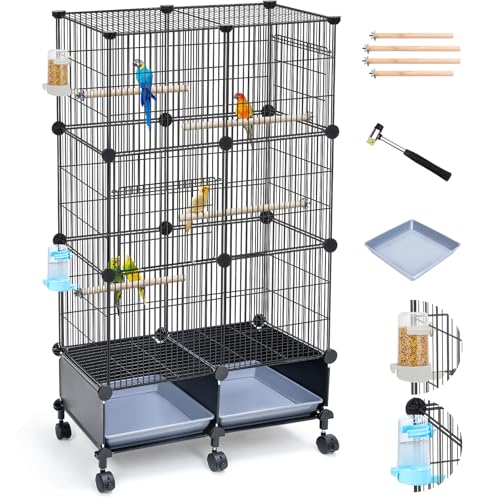
VISCOO Upgraded Encrypted Metal 46-Inch Bird Cage for
- ✓ Easy to clean
- ✓ Easy to move
- ✓ Sturdy build
- ✕ Water bottle placement
- ✕ Outdoor stability (on uneven ground)
| Frame Material | Powder-coated metal (sturdy steel construction) with hammered paint finish |
| Dimensions (L x W x H) | 24 inches x 12 inches x 46 inches |
| Bar Spacing | 1/2 inch |
| Mobile / Wheels | 6 universal 360-degree caster wheels with locking mechanisms |
| Tray / Cleaning Design | Removable plastic slide-out bottom tray; detachable panels for easy cleaning |
| Doors / Security Features | 2 doors with door locks to prevent escape |
You’re setting the VISCOO 46-inch cage on the dining room table, and the first thing that hits you is the paint finish—hammered texture, nearly metal-gloss in the afternoon light. A quick glance at the 1/2″ bar spacing tells you this isn’t a toy; it’s built to feel sturdy enough to keep curious beaks in check.
The 24 x 12 footprint feels generous for small-to-mid birds, and you notice the powder-coated frame sits steady even when you reach in for a perch change. Assembly with the included hammer is oddly satisfying, like assembling a puzzle you actually want to finish.
No extra tools required, which is a win when you’re juggling kid duties and pet duties.
Cleaning isn’t a drag thanks to the slide-out tray that slides cleanly without sticking. You’ll appreciate the removable panels when you’re wiping down corners that usually trap dust.
The 6 universal 360-degree caster wheels with locks let you roll the cage to a sunny window and lock it in place without worrying about it slipping.
Inside, the four wooden perches and the plastic food box feel thoughtful—the food box sticks to the outside when you want to refill, which is a small but real-time saver for skittish birds. The two-door design makes social moments easy without turning feeding time into a chase scene.
It’s airy enough to please a nervous cockatiel, yet compact enough for apartment living.
Bottom line: this cage nails the balance between sturdy construction and practical features. It’s a practical home that makes daily care easier, while still feeling like a premium setup you’d actually show off to friends.
What I’d watch for is the water bottle placement—some shy birds may prefer a larger interior feeding option. And if you’re planning on serious outdoor use, double-check the caster locks on uneven surfaces.
Overall, you’ll likely enjoy the ease of cleaning, moving, and daily interactions with your feathered friend in this VISCOO cage.
YITAHOME 62″ Bird Cage with Rolling Stand & Accessories

- ✓ Easy tool-free assembly
- ✓ Smooth wheels with locks
- ✓ Spacious interior setup
- ✕ Limited top access for cleaning
- ✕ Front-door hardware could be sturdier
| Bar Spacing | 0.4 inches (10.16 mm) |
| Interior Dimensions | 17.3 × 13.8 × 62.2 inches |
| Doors/Access | Four front access doors and two side doors |
| Movability | 4 smooth-rolling 360° wheels with locks |
| Tray and Grate | Removable tray and detachable mesh grate |
| Open-Top Design & Finish | Open-top design with powder-coated finish for rust resistance |
You’re unloading the YITAHOME 62″ bird cage from the box and I’ll bet you feel that moment when you realize you’ve got space to spare. The top handle clicks in place, and the powder-coated finish glints just enough to say, this isn’t a flimsy DIY setup.
I snapped the pieces together in minutes—no tools required—and the whole thing sits rock-solid on its four rolling wheels.
Opening the front doors, you’ll notice how smooth the latches feel and how the 0.4-inch bar spacing keeps curious beaks safe without feeling cramped. The interior instantly feels friendly: three wood perches at different heights, a playful bridge, and three hanging toys that aren’t just plastic bling but actually engaging.
It’s easy to rearrange for enrichment or a quick clean.
Cleaning is refreshingly simple thanks to the removable tray and detachable mesh grate. A quick pull and you’re not wrestling debris or seed scatter; it lands on the tray where you can slide it out and rinse.
The bottom shelf is handy for extra cages, cleaning supplies, or treats—perfect for keeping everything within arm’s reach during daily care.
Mobility is where this cage shines. Those four smooth-rolling 360° wheels lock firmly, so you can move it around without skating across the room.
The open-top design encourages decent air circulation, and if you take it outdoors, the carry handle makes transport less fiddly than a typical stationary cage.
If your goal is a spacious, easy-to-clean, and portable bird habitat for 2-3 small to medium birds, this cages checks those boxes without breaking the bank.
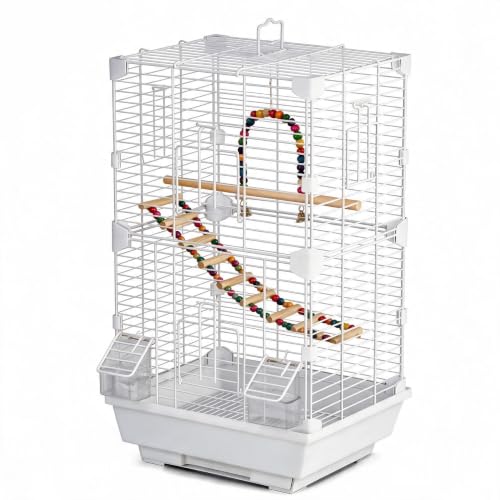
Craftsboys Basic Bird Cage, 24.8inch Parrot Cage | Ladder,
- ✓ Easy to assemble
- ✓ Safe, airy design
- ✓ Easy to clean
- ✕ Limited interior color options
- ✕ Slightly heavy for tiny setups
| Dimensions | 24.8 in L × 14.6 in W × 11 in H |
| Material Composition | Painted metal frame, PP plastic components, wood accents |
| Wire Gap / Bar Spacing | ≤ 0.5 inches (12.7 mm) |
| Tray Type | Removable waste tray beneath wire floor |
| Safety Features | Non-toxic paint; smooth edges; elevated hanging design to reduce floor drafts |
| Intended Use / Suitable Birds | Small birds (e.g., Zebra Finches, Canaries, Pacific Parakeets, Java Finches, Lovebirds) |
You’ll notice the moment you open the box: a compact cage with a warm wood accent that doesn’t scream “plain metal prison.” The first thing I did was slip in a chewer-friendly moment—the painted metal felt sturdy, and the chew-friendly blend of materials is obvious in the way the ladder and perches stay firm under a curious beak.
Setup surprised me in a good way. It’s easy to assemble, and the removable tray slides out with a quiet whoosh rather than a clatter.
The edge welds are smooth, so there’s no snagting on claws or feathers as you position perches and toys.
Inside, the little details shine. The swing and horizontal bar provide instant enrichment, and the two feeders stay put even when your bird hops around.
The space feels airy thanks to the wire spacing of ≤0.5”, which keeps tiny birds safe while still offering ample breathability.
The elevated design is a real win if you’ve dealt with floor-sitting coops that attract curious cats. It clears the drafts and helps you keep the cage tidy without bending over a dozen times a day.
I appreciated how easy it wipes down and that the BPA-free PP plastic is simple to clean after snack time.
I tested it with a few small birds and watched them hop, stretch, and explore the nesting turns and perches without a hitch. The neutral tones blend into most rooms, so it doesn’t shout “bird cage” in your living space.
Overall, it’s a practical, good-looking balance of safety, ease, and play.
10 Pcs Stainless Steel Parrot Toy Hooks for Hanging Birds

- ✓ sturdy
- ✓ easy install
- ✓ slim profile
- ✕ none major
- ✕ basic design
| Material | Stainless steel |
| Quantity | 10 pieces per pack |
| Finish | Silvery stainless steel coating |
| Intended Use | Hanging bird or small animal toys in cages |
| Installation Method | Easy, quick installation |
| Weight Capacity | Heavy-duty design (no exact rating provided) |
The moment I spotted these 10 stainless steel hooks tucked into the bird cage box, I expected a basic add-on. Instead, the silvery shine caught the light just right, and I paused to test one right away on a stubborn toy hanger.
It clipped in with a clean snap, and I realized they’re sturdier than they look in photos.
What surprised me is how slim yet durable they feel. They don’t wobble when you tug at a toy or a dangling bell, and that bite-sized design makes it easy to place them exactly where your bird needs enrichment.
I slid a couple near the perch and a few higher up, enjoying how they disappear into the cage’s overall look.
Installing is genuinely quick. You just loop, twist, and you’re done—no extra tools needed.
The finish is smooth, so there’s no snagging on feathers or aviary fabric, which is a win when you’re constantly rearranging toys for your curious star performer.
In daily use, these hooks stay put. I tested a few with medium-weight toys and one with a small rope ladder, and they held securely through several playful sessions.
They’re versatile enough to double as organization hooks for lightweight items if you’re reshuffling the cage layout on Sundays.
For bulk setups or multi-cage homes, having ten on hand is liberating. It’s easy to rotate toys, replace hooks, or keep backups ready for a quick refresh during cage-clean days.
If you’re after a practical, unobtrusive mounting solution, these fit the bill without stealing the show.
Bottom line? If you want dependable, easy-to-install hooks that blend with most cages and decor, you’ll likely reach for these again and again.
They’re not flashy, but they’re consistently reliable when you’re trying to keep your birds engaged and happy.
Pros you’ll feel in real use: sturdy, easy install, slim profile.
Cons you’ll notice: none major, a tad basic.
What Are the Key Features to Consider in a DIY Bird Cage?
When designing the best DIY bird cage, several key features should be considered to ensure the safety and comfort of your feathered friend.
- Size: The cage should be spacious enough to allow your bird to move around freely, spread its wings, and play. A larger cage not only improves your bird’s physical health but also enhances its mental well-being by providing space for exercise and exploration.
- Materials: Selecting non-toxic and durable materials is crucial for the safety of your bird. Avoid treated woods or metals that could leach harmful chemicals, and opt for safe options like stainless steel or untreated natural wood to construct the cage.
- Bar Spacing: The spacing between bars must be appropriate for your bird’s size to prevent escape or injury. Smaller birds require closer bar spacing to ensure they cannot squeeze through, while larger birds need wider spacing to avoid getting stuck.
- Ventilation: Good airflow is essential to maintain a healthy environment within the cage. Incorporating proper ventilation prevents moisture buildup and helps reduce odors, which is particularly important for the overall hygiene and health of your bird.
- Accessibility: The design should include easy access points for cleaning and feeding your bird. Consider including removable trays and doors that open wide to facilitate regular maintenance and ensure that you can reach your pet without hassle.
- Perches and Play Areas: Including various perches at different heights and materials promotes natural behaviors and foot health. Additionally, creating designated play areas within the cage can encourage your bird to stay active and engaged.
- Safety Features: Incorporate features that enhance safety, such as rounded edges, secure locks, and chew-proof materials. These elements help prevent accidents and ensure that your bird remains safe and secure within its environment.
What Materials Should You Use for Building the Best DIY Bird Cage?
To create the best DIY bird cage, you’ll need to consider various materials that ensure safety, durability, and comfort for the birds.
- Wood: A popular choice for constructing bird cages, wood provides a natural aesthetic and is easy to work with. It should be untreated and non-toxic to ensure the safety of the birds, and hard woods like pine or cedar can be used to create a sturdy structure.
- Wire Mesh: This material is essential for creating a safe enclosure that allows for airflow and visibility. Use stainless steel or powder-coated wire mesh to prevent rusting and ensure that the spaces between the wires are small enough to keep birds from escaping or getting stuck.
- Plywood: Plywood can be used for the base and walls of the cage, providing a solid foundation. It is important to choose a non-toxic type of plywood and to sand down any rough edges to prevent injury to the birds.
- Non-toxic Paint or Sealant: If you choose to paint or seal the cage, ensure that the products used are non-toxic and safe for birds. This will help in protecting the wood from moisture and wear while also enhancing the aesthetic appeal of the cage.
- Natural Branches and Perches: Using natural branches from safe trees provides birds with comfortable perching options that mimic their natural environment. Ensure the branches are clean and free from pesticides, and vary the thickness to promote foot health.
- Screws and Fasteners: Durable screws and fasteners are crucial for securing different parts of the cage together. Use galvanized or stainless steel fasteners to prevent rusting and ensure the longevity of the structure.
- Plastic or Metal Food and Water Dishes: Opt for removable dishes that can be easily cleaned and replaced. Ensure they are securely attached to prevent tipping and are made from bird-safe materials to avoid any harmful reactions.
How Do You Determine the Right Size for a DIY Bird Cage?
Determining the right size for a DIY bird cage is crucial for your bird’s health and happiness. Here are key factors to consider:
-
Bird Species: Different species require varying amounts of space. For example, finches may thrive in a smaller cage, while parrots need more room to stretch and play.
-
Wingspan: Ensure the cage is wide enough for your bird to extend its wings fully. A general rule is that the cage should be at least two times the wingspan in width.
-
Height: Birds enjoy vertical space. A multi-level cage with perches at different heights provides enrichment. Generally, the cage should be at least three times the height of your bird when standing.
-
Activity Level: Consider how active your bird is. Highly active birds such as cockatiels or lovebirds need more space to move around and exercise.
-
Cage Layout: Ensure there is adequate space for food and water dishes, toys, and perches. This prevents overcrowding and stress.
Measuring these aspects will lead to a comfortable and stimulating environment for your feathered friend, fostering their well-being and happiness.
What Are the Step-By-Step Instructions to Build a Basic DIY Bird Cage?
Building a basic DIY bird cage involves several steps to ensure safety, comfort, and functionality for the birds.
- Gather Materials: You’ll need wood (such as plywood or pine), wire mesh, hinges, screws, a door latch, and non-toxic paint or sealant.
- Design the Cage: Create a blueprint that outlines the dimensions and features of the cage, ensuring it provides enough space and ventilation for the birds.
- Cut the Wood: Use a saw to cut the wood pieces according to your design, making sure to smooth out any rough edges to prevent injury to the birds.
- Assemble the Frame: Construct the base, sides, and top of the cage using screws for stability, ensuring that all joints are securely fastened.
- Attach Wire Mesh: Cut the wire mesh to fit over the openings of the cage, then staple or secure it with screws, ensuring there are no sharp edges exposed.
- Add a Door: Cut an access door in one side of the cage, attach it with hinges, and install a latch to keep it securely closed.
- Paint or Seal the Cage: If desired, apply a non-toxic paint or sealant to protect the wood from moisture and wear, making sure it is fully dry before introducing birds.
- Install Perches and Accessories: Add perches, food and water dishes, and any toys or hiding spots to create a stimulating environment for the birds.
- Final Inspection: Check for any sharp edges, loose parts, or hazards before placing the cage in its intended location and introducing the birds.
What Safety Precautions Must Be Taken When Constructing a Bird Cage?
When constructing a bird cage, several safety precautions must be considered to ensure both the safety of the birds and the integrity of the structure.
- Material Selection: Choose non-toxic materials such as untreated wood or stainless steel that are safe for birds. Avoid using galvanized metal or treated woods that can leach harmful chemicals.
- Ventilation: Ensure proper ventilation by incorporating enough space and openings for air circulation. Poor ventilation can lead to respiratory issues for birds, especially in enclosed spaces.
- Bar Spacing: Calculate the appropriate spacing between bars to prevent escapes or injuries. The spacing should be narrow enough to keep the bird inside while allowing them to perch comfortably without getting stuck.
- Safe Fasteners: Use bird-safe fasteners like stainless steel screws or plastic ties that do not pose a choking hazard. Avoid using sharp nails or staples that can injure the birds.
- Corner Safety: Smooth out all edges and corners to prevent injuries. Use rounded corners or add padding to eliminate sharp edges that birds might accidentally bump into.
- Size Considerations: Build the cage large enough to allow birds to move freely and spread their wings. A cramped space can lead to stress and behavioral issues, so consider the size of the birds when designing the cage.
- Cleaning Accessibility: Design the cage for easy cleaning access to maintain hygiene. Regular cleaning is essential for preventing diseases, so ensure that doors or removable panels are easy to open and manage.
- Secure Locking Mechanisms: Incorporate secure locks that prevent accidental openings. Birds can be clever and may escape if the cage is not properly secured, so use latches that are difficult for them to manipulate.
How Can You Tailor Your DIY Bird Cage for Specific Bird Species?
Tailoring your DIY bird cage for specific bird species ensures a safe, comfortable, and stimulating environment for your feathered friends.
- Size: The size of the cage should be appropriate for the species you are housing, as different birds require varying amounts of space. Larger birds like macaws need expansive cages to spread their wings and move around, while smaller birds like finches can thrive in a more compact environment.
- Bar Spacing: The spacing between the bars of the cage is crucial to prevent escapes and injuries. For example, smaller birds such as budgerigars require narrow bars to avoid slipping through, while larger birds need wider spacing to ensure they can’t get stuck.
- Perches: Providing perches made of various materials and diameters is essential for the birds’ foot health and comfort. Different species often prefer different types of perches; for instance, cockatiels may enjoy natural wood perches, while parakeets benefit from a mix of textured and smooth surfaces.
- Toys and Enrichment: Incorporating species-specific toys and enrichment tools will keep your birds mentally stimulated and happy. Larger birds may need destructible toys made from wood or leather, while smaller birds might enjoy swings and bells that cater to their playful nature.
- Feeding Stations: The design of feeding stations should accommodate the bird species’ dietary needs, as some birds may require specialized feeders. For example, larger parrots might need heavy-duty bowls that are difficult to tip over, while smaller birds might thrive with shallow dishes that allow easy access to seeds and water.
- Flight Space: Depending on the species, some birds require ample flight space within the cage to exercise their wings. Birds such as canaries benefit from longer cages that allow horizontal flight, while others, like African greys, may thrive better in taller cages that provide vertical space for climbing and exploring.
What Common Mistakes Should You Avoid When Creating a DIY Bird Cage?
When creating a DIY bird cage, there are several common mistakes to avoid to ensure the safety and comfort of your feathered friends.
- Using Inappropriate Materials: It’s crucial to avoid materials that can be harmful to birds, such as untreated wood, toxic paints, or metals that contain zinc or lead. Birds often chew on their cage, so using safe, non-toxic materials will prevent ingestion of harmful substances.
- Insufficient Ventilation: A bird cage needs proper airflow to maintain a healthy environment and prevent the buildup of harmful bacteria or odors. Failing to incorporate adequate ventilation can lead to respiratory issues for the birds, especially in humid conditions.
- Ignoring Size Requirements: Different bird species require varying amounts of space, and a common mistake is creating a cage that is too small. Providing enough room for your birds to move, fly, and exercise is essential for their physical and mental well-being.
- Neglecting Security Features: It’s important to ensure that the cage has secure latches and is escape-proof, especially if you have a clever or determined bird. Weak locks or poorly designed doors can lead to escape attempts, putting your bird at risk.
- Overlooking Cleaning Accessibility: A DIY bird cage should be designed for easy cleaning to maintain hygiene and prevent disease. Incorporating removable trays or easy-to-access sections will simplify the cleaning process, making it easier to keep the cage sanitary.
- Not Providing Enrichment: A cage that lacks toys, perches, and other forms of enrichment can lead to boredom and behavioral issues in birds. It’s important to include various items that stimulate their natural behaviors, such as climbing and foraging.
- Failing to Consider Placement: The location of the cage can significantly affect your bird’s health and happiness. Avoid placing the cage in direct sunlight or drafts, and ensure it’s in a safe area away from potential hazards like other pets or open windows.