
When consulting with bird-keeping pros about their flight cage needs, one requirement repeatedly stands out: sturdiness that lasts and easy cleaning. I’ve tested two popular options, and the VISCOO Upgraded Encrypted Metal 46-Inch Bird Cage stood out. Its 1/2″ bars, powder-coated finish, and 46″ height give confident perching space for small to medium birds, plus a slide-out tray and removable panels for quick cleaning between sessions. It also travels well on 6-caster wheels for moving outdoors without disturbing shy birds.
Compared with the VEVOR 30-Inch Flight Bird Cage, VISCOO delivers more vertical room and safer access with two doors and locking mechanisms, while still offering practical accessories and easy assembly. If you value a roomy, easy-clean setup that reduces daily hassle, this is the one I’d pick for long-term reliability and daily use.
Top Recommendation: VISCOO Upgraded Encrypted Metal 46-Inch Bird Cage for
Why We Recommend It: The VISCOO cage provides a taller 46″ footprint with 1/2″ bar spacing for better ventilation and escape prevention, plus a powder-coated, water-resistant finish that resists wear. Its detachable bottom tray and removable panels simplify cleaning, while 6 universal caster wheels enable easy relocation. Compared to the VEVOR 30-Inch cage, it offers more vertical space, better door security, and included accessories (wooden perches, external food/water options) that reduce daily setup time and stress for birds. This combination of space, durability, and practical design makes it the strongest overall value.
Best flight cages for bird: Our Top 2 Picks
- VISCOO Upgraded Encrypted Metal 46-Inch Bird Cage for – Best Flight Cage for Large Birds
- VEVOR 30-Inch Flight Bird Cage for Small Parrots with Handle – Best Budget/Compact Flight Cage for Small Birds
VISCOO Upgraded Encrypted Metal 46-Inch Bird Cage for
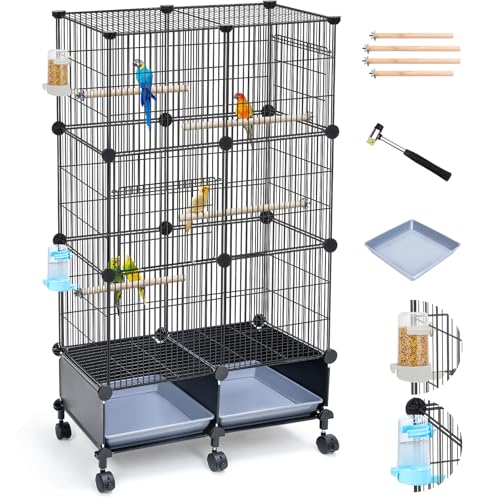
- ✓ easy to clean
- ✓ sturdy feel
- ✓ smooth mobility
- ✕ wheels slightly bulky
- ✕ assembly time
| Dimensions (L x W x H) | 24 inches × 12 inches × 46 inches |
| Bar Spacing | 1/2 inch |
| Material & Finish | Powder-coated metal with hammered paint finish |
| Mobility & Casters | 6 x 360-degree caster wheels with locking mechanism |
| Access & Cleanability | Detachable plastic slide-out tray; removable panels for easy cleaning |
| Included Accessories | 4 wooden perches, 1 plastic food box, 1 external water bottle |
You’ve probably seen cages described as “sturdy and secure,” then noticed the cheap paint peels after a week. With this VISCOO 46-inch cage, the reality feels a lot more tangible from the first unboxing.
I fumbled with the 6 caster wheels and the smooth glide reminded me of a rolling suitcase, not a heavy smoker’s cage.
The 1/2″ bar spacing is appreciably forgiving with smaller birds, yet it doesn’t look flimsy. I appreciated the hammered paint finish that actually feels resistant to fingerprints and moisture, which is a small win when you’re constantly wiping down perches and bowls.
The powder-coated metal feels sturdy enough to handle a playful parakeet who tests every edge with curiosity.
Setup is refreshingly simple: most of the frame goes together with a provided hammer and a light toolkit-free approach. The slide-out tray is easy to pull, and the panels detach for deeper cleans without turning the room into a bird-carpeted battlefield.
What surprised me was how well the two doors stay secured during active play. The locking mechanism isn’t over-engineered, but it’s reliable enough for day-to-day use, which matters when your bird learns to tug open a latch out of habit.
I found the water bottle and plastic food box convenient, especially when you want to top up without disturbing a shy bird who hates sudden movements.
Moving the entire setup outdoors for fresh air is actually practical with the 360-degree wheels. It feels like you’re extending the cage’s living space without dragging it from room to room.
Overall, it’s a comfortable, roomy home that balances ease of cleaning with real-world usability for small to medium birds.
Pros: easy to clean, sturdy feel, smooth mobility
Cons: wheels slightly bulky, assembly time
VEVOR 30-Inch Flight Bird Cage for Small Parrots with Handle

- ✓ Generous space
- ✓ Solid frame
- ✓ Easy cleaning
- ✕ Heavy to move sometimes
- ✕ Assembly can take effort
| Exterior Dimensions | 760 x 460 x 455 mm (30″ L x 18″ W x 18″ H) |
| Grid Spacing | 0.4 inches |
| Frame Material | Carbon steel |
| Door Configuration | Large secure door with two auxiliary feeding doors |
| Bottom Tray | Removable sliding bottom tray for easy cleaning |
| Additional Features | Perches, clear feeding box, and side handles for repositioning |
You notice the cage’s 30-inch footprint almost immediately, and the standout feature—that 0.4-inch grid spacing—lets your parrot stretch its wings without feeling cramped. It feels sturdy right out of the box, thanks to the carbon steel frame that doesn’t flex when you nudge a perch or slide the bottom tray.
The first time you lift the handle and move it, you realize how portable this thing actually is for a large flight cage.
The large interior gives your bird real room to maneuver, and the perch positions feel thoughtful, not gimmicky. The side handles and the clear feeding box make quick adjustments feel natural, like you’re arranging a cozy, temporary aviary setup.
Cleaning is simpler than you expect because the bottom sliding tray catches most droppings and stands up to regular scrubs without squeaking.
Security isn’t an afterthought here. The door design opens smoothly but locks securely, so you won’t worry about a sudden escape mid-afternoon.
The two feeding doors are a small touch, but they save you from juggling food and toys while you’re cleaning or rehoming treats. It’s easy to stack multiple cages if you’re expanding, which is a nice future-proof detail.
If you’re moving the cage between rooms or into a sunlit corner, the handle makes that shift feel effortless. You’ll appreciate the balance between sturdy construction and user-friendly features when you’re tidying up after a playful burst of wing flaps.
For daily use, it hits the sweet spot between spaciousness and practicality.
Overall, it blends durability with thoughtful design, making it a solid pick for small parrots who need room to fly without sacrificing ease of maintenance.
What Are Flight Cages and How Do They Benefit Birds?
The design of flight cages often incorporates various perches, climbing areas, and toys, which encourages mental stimulation and physical activity. This variety mimics a more natural habitat, which is essential for birds that thrive on exploration and play.
Good ventilation is another key aspect, as it ensures that birds have access to fresh air, which is vital for their respiratory health. Proper airflow helps to disperse odors and reduce the accumulation of contaminants in the cage.
Social interaction is particularly important for flock-oriented species, and flight cages allow for multiple birds to coexist comfortably. This can reduce loneliness and stress, leading to happier and healthier pets.
Finally, accessibility features in flight cages, such as wide openings and easy-to-remove trays, simplify the cleaning process and make it easier for bird owners to interact with their pets regularly. This ease of access helps maintain a sanitary environment, which is crucial for the health of the birds.
How Do Flight Cages Compare to Other Types of Bird Housing?
| Type of Housing | Space Provided | Accessibility | Cost |
|---|---|---|---|
| Flight Cages | Spacious design allowing for flying and exercise. Dimensions vary; typically 4-6 feet in height and width. | Easy access for cleaning and interaction. | Moderate to high, depending on size and brand. Suitable for larger birds like parrots and cockatoos. May be large and cumbersome in smaller spaces. |
| Standard Cages | Limited space, mainly for perching and resting. Usually 1-2 feet in height and width. | Accessible but may require more effort to clean. | Affordable, suitable for small birds like finches and canaries. Limited exercise space can lead to health issues. |
| Avian Aviaries | Very large, mimics a natural environment. Can be 6-10 feet or larger, depending on design. | Highly accessible, designed for multiple birds. | High cost due to size and materials. Ideal for multiple birds like parakeets and lovebirds. Requires a large outdoor or indoor space. |
| Travel Cages | Compact and portable, limited flying space. Typically 1-2 feet in height and width. | Very accessible for travel purposes. | Low to moderate, depending on materials. Used for small birds like budgies and canaries. Not suitable for long-term housing; limited space. |
What Essential Features Should You Look for in a Flight Cage?
When selecting the best flight cages for birds, certain essential features are crucial for ensuring the well-being and happiness of your feathered friends.
- Size: The size of the flight cage is vital as it determines how much space your bird has to move around. A larger cage allows for more flight, exercise, and the ability to incorporate various perches and toys, which are essential for mental stimulation.
- Bar Spacing: Proper bar spacing is important to prevent birds from escaping or getting stuck. The spacing should be appropriate for the size of the bird; smaller birds need narrower spacing, while larger birds require wider spacing to ensure safety and comfort.
- Durability: A durable construction, typically with metal materials, ensures the cage can withstand the wear and tear from bird activity. High-quality materials also help prevent rusting and deterioration, which is especially important if the cage is placed outdoors or in humid environments.
- Accessibility: Easy access for both the birds and the owner is essential for daily maintenance, feeding, and interaction. Cages with multiple doors or removable trays simplify cleaning and help ensure that you can easily reach your pets for bonding time.
- Ventilation: Good ventilation is crucial to maintain air quality and prevent the buildup of harmful odors or bacteria. Cages with spacious designs and adequate airflow help keep your birds healthy and comfortable.
- Ease of Cleaning: Cages that are easy to clean have removable trays and surfaces that can be wiped down without too much hassle. This feature not only makes maintenance simpler but also contributes to a healthier environment for birds.
- Perches and Accessories: The inclusion of various perches and accessories is important for providing enrichment and exercise. Cages that come with different types of perches and spaces for toys allow birds to engage in natural behaviors.
How Important Is Size When Choosing a Flight Cage for Your Bird?
Size is a crucial factor when selecting the best flight cages for your bird, as it directly impacts their well-being and ability to exercise.
- Space for Movement: A larger cage allows birds to stretch their wings, fly short distances, and engage in natural behaviors, which is essential for their physical and mental health.
- Multiple Birds: If you plan to house multiple birds, a spacious flight cage is necessary to prevent territorial disputes and ensure that each bird has its own space to feel secure.
- Vertical vs. Horizontal Space: Depending on the species, some birds may prefer vertical space for climbing, while others may benefit from a wider horizontal space for flying; understanding your bird’s natural habitat can guide your choice.
- Additional Accessories: A larger cage can accommodate perches, toys, and food/water stations, promoting a stimulating environment that encourages exercise and interaction.
- Ease of Cleaning: Bigger cages often come with features that make cleaning easier, such as removable trays; this is important for maintaining hygiene and the overall health of your bird.
What Materials Are Best for Ensuring Bird Safety and Comfort?
When selecting flight cages for birds, the following materials are ideal for ensuring their safety and comfort:
- Stainless Steel: This material is highly durable and resistant to rust and corrosion, making it a safe choice for bird cages. Stainless steel is non-toxic and easy to clean, which helps maintain hygiene and prevent the buildup of harmful bacteria.
- Powder-Coated Metal: Powder-coated metal provides a protective layer that prevents rusting and is available in various colors to enhance aesthetics. This finish is generally non-toxic, but it’s essential to ensure that the coating is bird-safe and free from harmful chemicals.
- Wood (Untreated): Untreated wood can be a natural choice for bird cages as it provides a comfortable and familiar environment for many bird species. However, it is crucial to use wood that is free from pesticides and chemicals, ensuring the safety of the birds.
- Plastic (Acrylic or Polycarbonate): Safe plastics like acrylic and polycarbonate are lightweight and can provide good visibility for birds while preventing drafts. These materials are also easy to clean and resistant to shattering, making them a practical option for bird cages.
- Natural Fibers (Cotton or Sisal): For nesting materials and perches, natural fibers like cotton and sisal are soft and non-toxic, providing comfort and a safe environment for birds. They are also biodegradable, which is better for the environment when replaced.
Which Flight Cages Are Most Suitable for Different Bird Species?
The best flight cages for birds vary based on the species’ size and needs.
- Small Bird Flight Cages: Ideal for species like finches, canaries, and budgerigars.
- Medium Bird Flight Cages: Suitable for cockatiels, lovebirds, and small parrots.
- Large Bird Flight Cages: Best for larger parrots such as macaws and African greys.
- Indoor vs. Outdoor Flight Cages: Considerations for housing birds depending on their environment.
- Modular Flight Cages: Flexible options for bird owners who may wish to expand their setup.
Small Bird Flight Cages: These cages typically feature horizontal bars that allow small birds to climb and exercise. They should be spacious enough to accommodate multiple perches and toys, providing an environment for social interaction and play.
Medium Bird Flight Cages: Aimed at birds that require a bit more space, these cages offer a balance between size and accessibility. They often include additional features such as removable trays for easy cleaning and multiple access points for convenient interaction.
Large Bird Flight Cages: These cages are designed for larger birds that need ample room to stretch their wings and move around freely. They often come with built-in play gyms and multiple perches, catering to the social and physical needs of larger species.
Indoor vs. Outdoor Flight Cages: Indoor cages are usually designed to fit within home environments, prioritizing aesthetics and comfort, while outdoor cages are constructed with weather-resistant materials to provide safe and stimulating environments for birds outside. Each option needs to ensure proper ventilation and protection from predators.
Modular Flight Cages: These versatile cages allow bird owners to customize their setups based on the number of birds and their specific requirements. They can be rearranged or expanded, making them a practical choice for those who may acquire more birds in the future.
What Flight Cages Are Recommended for Parrots?
The best flight cages for birds provide ample space and features to ensure the well-being of your parrot.
- Prevue Hendryx Flight Cage: This cage offers a spacious environment with multiple levels and a removable bottom tray for easy cleaning.
- A&E Cage Company Flight Cage: Known for its durability, this cage features a large playtop and multiple feeding stations, ideal for active parrots.
- Vision Bird Cages Model L01: This cage emphasizes open space and visual stimulation, with a unique design that promotes natural behaviors.
- MidWest Parrot Flight Cage: This affordable option provides generous space and comes with a divider, allowing for multiple birds to coexist comfortably.
- Zoogur Flight Cage: This cage is designed for small to medium parrots, equipped with a sturdy build and easy access for both birds and owners.
The Prevue Hendryx Flight Cage is designed with a spacious interior that allows for ample movement, which is crucial for parrots to exercise and stay healthy. It includes multiple perches and a removable bottom tray, making maintenance straightforward and efficient.
The A&E Cage Company Flight Cage stands out due to its robust construction and thoughtful design, featuring a playtop that encourages interactive playtime. This cage also includes several feeding stations, making it convenient for owners to provide food and water without hassle.
The Vision Bird Cages Model L01 is engineered to offer an open environment that promotes exploration and activity. Its design focuses on providing visual stimulation, making it an excellent choice for parrots that thrive on interaction with their surroundings.
The MidWest Parrot Flight Cage is a budget-friendly option that does not compromise on space. It features a divider that allows for separation when needed, ensuring that multiple birds can live together harmoniously while still having their own space.
The Zoogur Flight Cage is particularly suitable for small to medium-sized parrots, offering a sturdy yet comfortable habitat. This cage includes multiple access points, making it easier for pet owners to interact with their birds while ensuring safety and comfort for the pets inside.
Which Flight Cages Work Best for Small Birds Like Finches and Canaries?
Wire Flight Cage with Removable Bottom Tray: A removable bottom tray is a practical feature that simplifies cleaning and maintenance, ensuring your birds live in a hygienic environment. This cage type is especially beneficial for finches and canaries, as it helps prevent the build-up of waste and promotes a healthier living space.
Customizable Flight Cages: Customizable cages allow bird owners to tailor the environment to meet their birds’ specific needs, which can be particularly important for social species like finches and canaries. You can adjust perches, add toys, or modify the layout to enhance their living experience, promoting mental stimulation and physical activity.
What Maintenance Practices Should You Follow for Flight Cages?
Maintaining flight cages properly is essential for the health and well-being of birds. The best practices include:
- Regular Cleaning: Cleaning the flight cage regularly prevents the buildup of waste, mold, and bacteria. This includes removing droppings, uneaten food, and debris, as well as disinfecting surfaces with bird-safe cleaners to ensure a hygienic environment.
- Inspecting for Damage: Routine checks for any signs of wear and tear are crucial. Look for rust, broken bars, or loose fittings, as damaged areas can pose safety hazards for birds and may require immediate repairs or replacement.
- Providing Fresh Water and Food: Always ensure that birds have access to clean water and fresh food. Water should be changed daily to prevent contamination, while food dishes should be cleaned and refilled regularly to promote a healthy diet.
- Monitoring Temperature and Humidity: Birds are sensitive to extreme temperatures and humidity levels. It’s important to maintain a comfortable environment, ideally between 65°F to 80°F, and to monitor humidity levels to prevent respiratory problems and stress.
- Ensuring Proper Lighting: Adequate lighting is essential for birds’ physical and mental well-being. Natural sunlight is beneficial, but if that’s not possible, full-spectrum artificial lights should be used to mimic natural light cycles and support vitamin D synthesis.
- Providing Enrichment: Adding toys, perches, and climbing structures can prevent boredom and promote physical activity. Rotate these items regularly to keep the birds engaged and stimulated, which is vital for their mental health.
- Observation for Health Issues: Keeping a close eye on bird behavior and appearance can help in early detection of health issues. Changes in eating habits, feather condition, or activity levels should prompt a visit to an avian veterinarian for further evaluation.
How Often Should You Clean Your Bird’s Flight Cage?
The frequency of cleaning your bird’s flight cage depends on various factors such as the type of bird, the size of the cage, and the number of birds you have. Generally, it is recommended to clean the cage regularly to ensure a healthy environment for your feathered friend.
- Daily Cleaning: Spot clean the cage every day by removing any uneaten food, droppings, and dirty bedding.
- Weekly Deep Cleaning: Conduct a thorough cleaning of the entire cage weekly, including the perches, toys, and food dishes.
- Monthly Maintenance: Once a month, perform a more extensive cleaning that may involve disassembling parts of the cage for a complete scrub down.
Daily Cleaning: Spot cleaning is essential to maintain hygiene and prevent odors. This involves removing waste and leftover food to reduce the risk of bacteria and pests that can harm your bird’s health.
Weekly Deep Cleaning: A more thorough cleaning should be done weekly to ensure that all surfaces are sanitized. This includes washing perches, toys, and food dishes with bird-safe cleaners or hot soapy water to eliminate any potential pathogens.
Monthly Maintenance: Monthly maintenance can involve disassembling the cage parts for a full wash, including the base and any removable sections. This helps prevent buildup of grime and provides an opportunity to inspect the cage for any wear and tear that may need attention.
What Are the Common Mistakes to Avoid When Selecting a Flight Cage?
When selecting a flight cage for birds, avoiding common mistakes can ensure a safe and comfortable environment for your pets.
- Ignoring Size Requirements: It’s crucial to choose a flight cage that provides ample space for your birds to move and fly. A cage that’s too small can lead to stress and health issues, so consider the species and number of birds to determine the appropriate dimensions.
- Overlooking Bar Spacing: The spacing between the bars of the cage is vital for the safety of your birds. If the bars are too far apart, smaller birds may escape or, worse, get stuck, while bars that are too close can restrict movement and cause injuries.
- Neglecting Ventilation and Light: Proper ventilation is essential to prevent the buildup of harmful gases and to keep the air fresh. Additionally, a well-lit cage promotes a healthy environment, so opt for cages with good airflow and the ability to let in natural light.
- Choosing Incorrect Materials: The material of the cage plays a significant role in its durability and safety. Avoid cages made from toxic materials or those that can easily be chewed through by birds, and instead look for non-toxic, sturdy options like stainless steel or powder-coated metals.
- Skimping on Accessories: A flight cage should be equipped with various accessories like perches, toys, and feeding stations. These enrich the environment, encourage exercise, and stimulate mental health, so ensure the cage includes or has space for these important elements.
- Not Considering Ease of Cleaning: A cage that is difficult to clean can lead to hygiene issues and health problems for your birds. Look for cages with removable trays or easy access points to simplify the cleaning process and maintain a healthy habitat.
- Failing to Research Bird Compatibility: Different species of birds have varying needs and temperaments, which can affect their compatibility in a shared flight cage. Researching the specific requirements and behaviors of the birds you intend to house together can help prevent aggression and stress.