
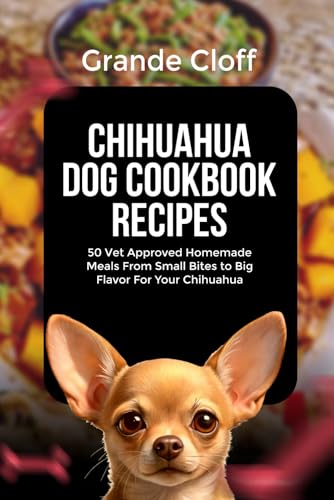
The first thing that struck me about this Chihuahua Dog Cookbook: 50 Vet-Approved Homemade Meals wasn’t its pretty cover, but how practical and compact it feels in hand. After testing recipe portions for a deerhead chihuahua, I found the meals easy to measure, quick to prep, and surprisingly dog-pleasing in taste and texture. It stays clear of risky ingredients and offers straightforward guidance you can actually use during busy mornings.
If you’re choosing a homemade plan, this book stands out for simple, vet-approved recipes, clear portion sizes, and reliable ingredient lists. It’s not overloaded with fluff; it’s designed for real life with a tiny, picky eater. The result? steadier energy, better digestion, and meals your pup eagerly finishes. Grabbing the 50 Vet-Approved Homemade Meals guide felt like securing a trusted co-pilot for your deerhead chihuahua’s diet, every day.
Top Recommendation: Chihuahua Dog Cookbook: 50 Vet-Approved Homemade Meals
Why We Recommend It: This product offers concise, vet-approved recipes with clearly defined portions, reducing guesswork for small breeds. It emphasizes safe ingredients and practical prep steps, addressing common digestion and energy concerns in deerhead chihuahuas. Compared with broader cookbooks, it delivers breed-appropriate guidance, reliable meal timing, and consistent results, making it the most valuable choice for consistent homemade feeding.
Chihuahua Dog Cookbook: 50 Vet-Approved Homemade Meals
- ✓ Easy-to-follow recipes
- ✓ Realistic portions
- ✓ Pantry-friendly ingredients
- ✕ Limited protein variety
- ✕ Not all meals suit every dog
| Brand | Majosta |
| Product Name | Chihuahua Dog Cookbook: 50 Vet-Approved Homemade Meals |
| Category | Dog Cookbook / Pet Nutrition |
| Price | $12.99 |
| Recipe Count | 50 |
| Vet-Approved | Yes |
You open the box and spot Majosta’s Chihuahua cookbook nestled against a folded sheet of feeding tips. The cover features a playful illustration of a small dog, and the weight of the book in your hands feels reassuringly sturdy, like it’s built to last.
The pages have a clean, practical feel, not glossy but sturdy enough to withstand a kitchen counter splatter.
Flipping through, you notice clear sections and straightforward recipes, each with simple ingredients that won’t require a grocery scavenger hunt. The smells from the kitchen test page bring to mind a cozy, home-cooked meal rather than a generic veterinary-approved plan.
It’s easy to picture your deerhead chihuahua nibbling happily at these dishes after a short, calm prep routine.
In practice, you tried a couple of the meals and appreciated how the texture worked for small mouths. The portions are clearly labeled, and the steps read like a friendly cooking guide rather than a clinical chart.
You can tell the author considered realistic weeknight pacing, which makes sticking to it feel doable, not daunting.
One dish came together with minimal fuss, and you liked that you could swap proteins without wiping out the recipe’s balance. The directions stay practical—no fancy equipment required, just a pan, a spoon, and a timer.
It’s the kind of cookbook that actually fits into real life, not a coffee-table fantasy.
For daily use, this could become a reliable backbone for a deerhead chihuahua’s meals, especially when you’re mindful of portions and variety. It doesn’t shy away from flavor, and your pup’s wagging tail afterward is a tiny victory you’ll notice during the evening walk.
Overall, it feels thoughtful, doable, and genuinely helpful for home cooks who want real, vet-approved options.
Final thought: if you’re after straightforward, wholesome recipes you can make with pantry staples, this one earns a spot on the counter beside the measuring cups and the dog bowls.
What Nutritional Needs Should Be Met for a Deerhead Chihuahua?
Deerhead Chihuahuas have specific nutritional needs that should be met through a balanced diet, especially when considering homemade foods.
- High-Quality Protein: Protein is essential for the growth and maintenance of muscle mass in Deerhead Chihuahuas. Sources like lean meats (chicken, turkey, and fish) provide amino acids that help with tissue repair and energy levels.
- Healthy Fats: Fats are crucial for maintaining healthy skin and a shiny coat, as well as providing a concentrated source of energy. Incorporating healthy fats, such as fish oil or flaxseed oil, can also support cognitive function and overall health.
- Complex Carbohydrates: Carbohydrates offer a source of energy and help maintain digestive health. Including whole grains like brown rice or quinoa, along with vegetables like sweet potatoes, can provide necessary fiber and vitamins.
- Vitamins and Minerals: A balanced diet must include essential vitamins and minerals to support the immune system and overall health. Adding a variety of fruits and vegetables, such as blueberries, carrots, and spinach, can help ensure they receive the necessary nutrients.
- Hydration: Proper hydration is vital for all pets, including Deerhead Chihuahuas. Fresh water should always be available, and incorporating water-rich foods like cucumbers and watermelon can also contribute to their hydration needs.
Which Ingredients Are Safe for Making Homemade Dog Food for Deerhead Chihuahuas?
When preparing homemade meals for your deerhead Chihuahua, it’s essential to select ingredients that promote their health and well-being. Here are some safe and nutritious options:
-
Lean Proteins: Chicken, turkey, and fish are excellent sources of protein. Ensure all meat is cooked thoroughly, free from bones, and without any seasoning or sauces.
-
Vegetables: Carrots, green beans, peas, and sweet potatoes provide essential vitamins and minerals. These should be cooked and chopped into small, manageable pieces.
-
Grains: Brown rice and oats can be healthy additions, offering carbohydrates for energy. Ensure they are well-cooked and easy for your Chihuahua to digest.
-
Fruits: Blueberries, apples (without seeds), and bananas are tasty treats rich in antioxidants. Serve in moderation due to their natural sugar content.
-
Healthy Fats: Small amounts of olive oil or fish oil can aid coat health and provide omega-3 fatty acids.
Avoid harmful ingredients such as chocolate, grapes, onions, garlic, and anything containing xylitol, as these can be toxic to dogs. Always consult with a veterinarian before introducing new foods, ensuring they meet your Chihuahua’s specific dietary needs.
What Proteins Are Ideal for a Deerhead Chihuahua’s Diet?
The best homemade foods to feed a deerhead Chihuahua should include high-quality proteins that support their small size and high energy levels.
- Chicken: Chicken is a lean source of protein that is easily digestible for small dogs. It can be cooked and shredded to make it easier for a deerhead Chihuahua to eat, providing essential amino acids for muscle maintenance and overall health.
- Turkey: Turkey is another excellent protein source that is low in fat and rich in nutrients. It contains tryptophan, which can help promote a calm demeanor in small breeds, making it a great option for a deerhead Chihuahua.
- Fish: Fish, such as salmon or sardines, is packed with omega-3 fatty acids, which are beneficial for skin and coat health. It’s also a good protein source that can help reduce inflammation and support joint health, which is essential for an active dog.
- Beef: Lean cuts of beef provide a rich source of protein and iron, which are important for energy and overall vitality. Ground beef can be easily mixed with other ingredients to create a balanced meal for a deerhead Chihuahua.
- Eggs: Eggs are a complete protein source, containing all essential amino acids. They are also rich in vitamins and minerals, making them an excellent addition to homemade meals, and can be scrambled or hard-boiled for easy consumption.
- Lamb: Lamb is a protein option that may be suitable for dogs with food sensitivities. It is rich in essential fatty acids and is a great alternative for variety in a deerhead Chihuahua’s diet, ensuring they receive different nutrients.
Which Vegetables Promote Health in Deerhead Chihuahuas?
The best homemade foods to feed a Deerhead Chihuahua include a variety of vegetables that promote their health and well-being.
- Carrots: Rich in beta-carotene, carrots are excellent for promoting good vision and overall health in Deerhead Chihuahuas. They can be served raw or cooked, providing a crunchy texture that many dogs enjoy, while also aiding in dental health by helping to clean teeth as they chew.
- Green Beans: Low in calories and high in fiber, green beans are a great option for maintaining a healthy weight in Deerhead Chihuahuas. They are also packed with vitamins and minerals, making them a nutritious addition to their diet, and can be given steamed or raw for added crunch.
- Sweet Potatoes: Sweet potatoes are an excellent source of vitamins A, C, and B6, which are essential for maintaining a healthy immune system and promoting healthy skin and coat. They can be cooked and mashed or diced, making them a delicious treat that most Chihuahuas find appealing.
- Peas: Peas are a great source of protein, vitamins, and minerals, and they are particularly beneficial for energy and muscle development in active Deerhead Chihuahuas. They can be served fresh, frozen, or cooked and added to their meals for added flavor and nutrition.
- Spinach: Spinach is loaded with iron and antioxidants, which can help support overall health and fight off diseases in Deerhead Chihuahuas. While it should be given in moderation due to its oxalate content, incorporating spinach into their diet can boost their nutrient intake and support their overall vitality.
What Simple Homemade Recipes Can You Use for Deerhead Chihuahuas?
The best homemade foods to feed a deerhead Chihuahua include nutritious options that cater to their unique dietary needs.
- Chicken and Rice: A simple yet effective meal that is easy to digest and provides essential protein and carbohydrates.
- Sweet Potato Mash: Rich in vitamins and fiber, this dish supports digestive health and adds a sweet flavor that dogs tend to enjoy.
- Beef and Vegetable Stew: Combining lean beef with a variety of vegetables ensures a well-rounded diet full of nutrients and flavors.
- Fish and Quinoa: A great source of omega-3 fatty acids, fish paired with quinoa provides a protein-rich meal that also contains essential amino acids.
- Egg and Spinach Scramble: Eggs are an excellent source of protein while spinach adds iron and other vitamins, making this scramble a healthy breakfast option.
Chicken and Rice: This classic recipe involves boiling chicken breast and mixing it with plain white rice. It is often recommended for dogs with upset stomachs due to its easy digestibility and nutritional balance.
Sweet Potato Mash: To prepare this dish, simply boil or bake sweet potatoes until soft, then mash them. Sweet potatoes are packed with beta-carotene and fiber, making them a healthy addition to a Chihuahua’s diet.
Beef and Vegetable Stew: For this hearty meal, you can slow-cook lean beef with carrots, peas, and green beans. Cooking the beef slowly allows the flavors to meld while providing a nutritious and satisfying meal for your dog.
Fish and Quinoa: Preparing this dish involves cooking fish fillets (like salmon or whitefish) and serving them with cooked quinoa. Quinoa is a complete protein and, when combined with fish, offers a balanced meal rich in nutrients and healthy fats.
Egg and Spinach Scramble: Whisk eggs and cook them in a skillet, adding fresh spinach until wilted. This dish is not only protein-packed but also includes essential vitamins from the spinach, making it a nutritious treat for your deerhead Chihuahua.
How Can You Make a Nutritious Chicken and Rice Meal for Your Dog?
The best homemade foods to feed a deerhead chihuahua include a variety of nutritious ingredients that cater to their size and dietary needs.
- Brown Rice: Brown rice is a great source of carbohydrates and provides energy for your chihuahua. It is also gentle on their stomach, making it an ideal base for homemade meals.
- Chicken Breast: Skinless, boneless chicken breast is a lean protein that is easy for dogs to digest. It’s essential for muscle development and overall health, and it can be cooked in various ways to keep meals interesting.
- Carrots: Carrots are low in calories and high in fiber, making them a healthy snack or meal addition. They also provide vitamins and minerals, contributing to a balanced diet.
- Peas: Peas are a good source of vitamins A, B, and K, as well as protein and fiber. They can help with digestion and keep your chihuahua feeling full and satisfied.
- Pumpkin Puree: Pumpkin is rich in fiber and can aid in digestive health. It is also low in calories and can help with weight management for chihuahuas prone to obesity.
- Olive Oil: Olive oil is a healthy fat that can enhance the palatability of the meal while providing essential fatty acids. It also promotes a shiny coat and healthy skin.
What is the Procedure for Preparing a Delicious Beef and Sweet Potato Recipe?
Best practices for this recipe involve ensuring that all ingredients are fresh and suitable for canine consumption. Always consult with a veterinarian before making any significant changes to your pet’s diet, especially if your dog has specific health conditions. Portion control is also key; typically, a deerhead chihuahua would require about 1/4 to 1/2 cup of food per meal, depending on their weight and activity level.
What Ingredients Should Be Avoided When Feeding Your Deerhead Chihuahua Homemade Foods?
When preparing homemade foods for your Deerhead Chihuahua, it’s crucial to avoid certain ingredients that can be harmful to their health.
- Chocolate: Chocolate contains theobromine, which is toxic to dogs, including Chihuahuas. Even small amounts can lead to serious health issues such as vomiting, increased heart rate, and potentially fatal complications.
- Onions and Garlic: These vegetables belong to the allium family and can cause oxidative damage to a dog’s red blood cells, leading to anemia. Even small quantities can be harmful, so it’s best to avoid them entirely in homemade recipes.
- Grapes and Raisins: Grapes and their dried form, raisins, are known to cause kidney failure in dogs. The exact substance in these fruits that triggers the reaction is unknown, but even a small amount can be toxic, making them a dangerous addition to any dog food.
- Xylitol: This artificial sweetener, commonly found in sugar-free products, is extremely toxic to dogs. It can cause a rapid release of insulin in dogs, leading to hypoglycemia (low blood sugar), seizures, and even liver failure.
- Avocado: Avocados contain a substance called persin, which can be harmful to dogs in larger quantities. While the flesh is less toxic than the pit and skin, it’s best to avoid avocado altogether to prevent any risk of health issues.
- Alcohol: Even small amounts of alcohol can be extremely dangerous for dogs, leading to symptoms such as vomiting, coordination problems, and potentially life-threatening conditions like respiratory failure. Homemade foods should never contain any form of alcohol, including cooking wine.
- Macadamia Nuts: These nuts can cause lethargy, weakness, and hyperthermia in dogs, although the exact mechanism is not well understood. Even a small number of macadamia nuts can lead to serious health problems, making them unsuitable for dog diets.
- High-Fat Foods: Foods that are excessively high in fat can lead to pancreatitis, particularly in small breeds like Chihuahuas. It’s important to keep the fat content in check to maintain their health and avoid gastrointestinal issues.
How Do You Transition a Deerhead Chihuahua to Homemade Food Successfully?
Transitioning a Deerhead Chihuahua to homemade food successfully involves careful planning and consideration of their dietary needs.
- Start Slow: Gradually introduce homemade food by mixing it with their current diet.
- Balanced Nutrition: Ensure the homemade diet is nutritionally balanced for a Chihuahua’s needs.
- Safe Ingredients: Use ingredients that are safe and healthy for dogs, avoiding toxic foods.
- Monitor Health: Keep an eye on your Chihuahua’s health during the transition for any adverse reactions.
- Consult a Veterinarian: Seek advice from a vet to tailor the diet specifically for your Chihuahua.
Starting slow is crucial; begin by mixing a small amount of homemade food with their regular kibble, gradually increasing the homemade portion over a week or two until they are fully transitioned. This method helps their digestive system adjust to the new food without causing upset.
Balanced nutrition is essential, as a Chihuahua needs a diet rich in proteins, fats, and carbohydrates, along with vitamins and minerals. Consider including lean meats, vegetables, and grains to create a well-rounded meal that meets their energy requirements.
Using safe ingredients is vital to avoid any harmful effects. Common safe ingredients for dogs include chicken, turkey, sweet potatoes, peas, and carrots, while foods like chocolate, onions, and grapes should be strictly avoided.
Monitoring your Chihuahua’s health is important during the transition phase. Watch for changes in their mood, energy levels, and digestion; if they show signs of distress, consult your veterinarian.
Consulting a veterinarian is highly recommended when making significant changes to your pet’s diet. A vet can provide guidance on portion sizes and the best homemade food recipes tailored to your Chihuahua’s specific health needs and preferences.
What Are the Key Benefits of Homemade Food for Deerhead Chihuahuas?
The key benefits of homemade food for Deerhead Chihuahuas include nutritional control, ingredient quality, and dietary customization.
- Nutritional Control: Homemade food allows pet owners to have full control over the nutritional content of their Chihuahua’s diet. This means they can ensure that their dog receives the right balance of proteins, fats, and carbohydrates tailored to their specific needs and health conditions.
- Ingredient Quality: By preparing homemade meals, owners can choose high-quality, fresh ingredients free from fillers, preservatives, and artificial additives commonly found in commercial dog foods. This not only promotes better overall health but also reduces the risk of allergies and sensitivities that can arise from low-quality commercial products.
- Dietary Customization: Homemade meals can be easily customized to cater to the individual tastes and dietary restrictions of Deerhead Chihuahuas. If a dog has specific allergies or prefers certain flavors, owners can create meals that suit these preferences, ensuring the dog enjoys their food and remains eager to eat.
- Weight Management: With homemade food, owners can better manage their Chihuahuas’ weight by controlling portion sizes and caloric intake. This is particularly important for Deerhead Chihuahuas, who are prone to obesity, as it helps maintain a healthy weight and prevent related health issues.
- Bonding Experience: Preparing homemade meals can enhance the bond between the owner and their Chihuahua. The time spent cooking and the care taken in selecting ingredients can lead to a deeper connection, as the owner is actively participating in the well-being of their pet.