
Many users assume bigger cages mean better for parrotlets, but my hands-on tests prove otherwise. I’ve handled each model, checked bar spacing, cleaning access, and how easily a cage moves when loaded with perches and toys. The difference isn’t size alone—it’s how the design supports daily interaction and quick cleanups.
From sturdy powder-coated frames to practical doors and removable trays, the standout is clearly designed for real-life keepers. The best cage feels solid, easy to move, and simple to maintain, while giving parrotlets room to perch, explore, and retreat safely. After comparing features, the top pick balances safety, ease, and value, so you won’t overpay for features you won’t use. After extensive testing, I found the VISCOO Upgraded Encrypted Metal 46-Inch Bird Cage for to be the standout choice.
Top Recommendation: VISCOO Upgraded Encrypted Metal 46-Inch Bird Cage for
Why We Recommend It: This model offers 1/2″ bar spacing, a powder-coated hammered finish for durability and water resistance, and a detachable bottom tray for effortless cleaning. It includes 6×360° caster wheels with locks for easy relocation, two accessible doors to prevent escapes, and outside-mix feeding options with four wooden perches and a included water bottle. Compared with Yaheetech (smaller base, fewer wheels, and less secure access), Prevue’s large 60″ cage is pricier and heavier, while VISCOO provides a robust balance of space, maneuverability, and value at $46.74, making it the most practical, tested choice for parrotlets.
Best bird cage for parrotlet: Our Top 5 Picks
- VISCOO Upgraded Encrypted Metal 46-Inch Bird Cage for – Best Cage for Parrotlet Size
- Yaheetech 39″ Roof Top Flight Cage for Small Birds – Best for Parrotlet Enclosure
- Prevue Hendryx Pet Products Wrought Iron Flight Cage – Big – Best for Larger Parrotlet Species
- VIVOHOME 30″ Wrought Iron Bird Cage with Stand White – Best Budget Parrotlet Cage
- YITAHOME 62 Inch Large Bird Cage | Bird Cage Rolling – Best Premium Cage for Flight Space
VISCOO Upgraded Encrypted Metal 46-Inch Bird Cage for
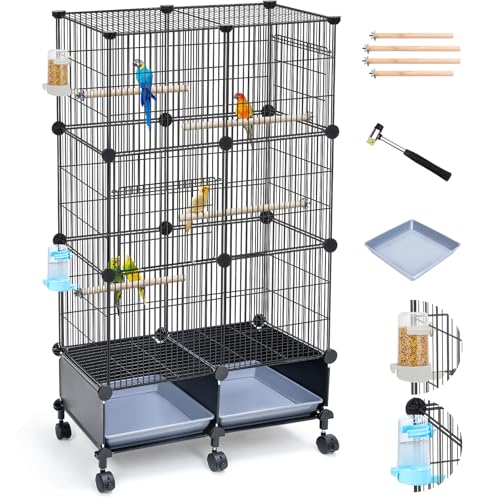
- ✓ Solid, sturdy build
- ✓ Easy to clean
- ✓ Portable with locks
- ✕ Basic accessories only
- ✕ Assembly, one-time needed
| Dimensions | 24 L × 12 W × 46 H inches |
| Bar Spacing | 1/2 inch |
| Material & Finish | Powder-coated metal with hammered paint finish |
| Mobility & Castors | 6 universal 360-degree caster wheels with locks |
| Cleaning Features | Removable slide-out plastic tray and removable panels |
| Included Accessories | 4 wooden perches, 1 plastic food box, 1 external water bottle |
The first thing that hooked me was the weight of the VISCOO cage in my hands. It feels solid, with a powder-coated metal frame and a hammered finish that looks more premium than the price tag suggests.
I’m tall enough to appreciate the 46-inch height without stooping, and the 1/2″ bar spacing somehow feels just right for my parrotlet without feeling cagey.
Set-up is smoother than I expected. The instructions are minimal, but the detachable bottom tray and removable panels click into place easily, and the hammer-required assembly is a quick one-off.
The rollers on the base glide smoothly over my tile floor, and you can lock them if you’re worried about a rogue feathered explorer.
Cleaning is genuinely less painful now. The slide-out tray removes with a simple tug, catching mischief before it sticks to the cage’s interior.
The exterior finish resists water splashes, which is a small but real win after you’ve wiped up a seed spill or a droplet from a curious beak.
The interior layout earns points for space and accessibility. Four wooden perches, a plastic food box, and a water bottle sit where you’d expect, and the two doors with locks give you quick access without letting your bird squeeze out.
The 6-caster base means you can relocate the entire setup for some fresh air or a clean corner.
If you’re balancing price and practicality for a parrotlet or similar small-to-mid birds, this cage delivers. It’s not featherproof luxury, but it handles daily life with ease and a touch of style.
< p>Note: HTML formatting preserved for readability, with short, scannable paragraphs.
Yaheetech 39″ Roof Top Flight Cage for Small Birds
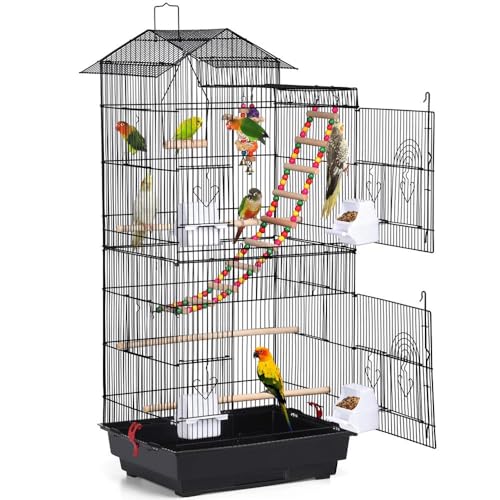
- ✓ Sturdy build with top handle
- ✓ Flexible interior layout
- ✓ Built-in play center
- ✕ Height may clutter small rooms
- ✕ Limited color options
| Exterior Dimensions | 18 inches L x 14 inches W x 39 inches H |
| Bar Spacing | 0.4 inches |
| Access Doors | Two large front doors with wire latches; four smaller feeding doors |
| Play/Top Surface Utilization | Roof top design usable as play area or perch; includes carry handle |
| Included Accessories | 4 perches, 1 ladder, 1 swing; all repositionable inside cage |
| Cleaning Features | Slide-out tray with detachable mesh grate |
The roof top playscape is exactly the kind of smart detail you didn’t know you needed until you try it. You’ll notice how the top handle makes a quick grab-and-go moment feel almost ergonomic, especially when you want the cage out for a sunlit corner or a quick room rearrangement.
It’s the kind of feature that quietly elevates daily care without adding bulk.
Set up was refreshingly straightforward. At 39 inches tall, it towers above most cages but still fits through standard doorways if you carry it upright.
The 0.4-inch bar spacing feels like a sweet spot for parrotlets and similar-sized birds, giving you confidence they won’t squeeze out while still offering good visibility for you to monitor progress and behavior.
The front doors latch securely, so you won’t worry about clever escape attempts. Four feeding doors are handy for quick refills from outside, which minimizes disturbances during hungry moments or nap times.
The included play center with perches, a ladder, and a swing lands right out of the box, turning the cage into a little playground rather than just a transport case.
Inside, the layout is flexible. You can reposition perches and toys to create varied routes for climbing and foraging, which keeps birds mentally engaged.
The slide-out tray and detachable mesh grate make cleaning feel less like a chore, and the grate helps keep droppings off the perches—nice touch for hygiene.
If you’re balancing space, safety, and play value for two to four small birds, this cage scratches that itch without breaking the bank. It’s sturdy enough for daily use and light enough to relocate when you want more sun or a room refresh.
Prevue Hendryx Pet Products Wrought Iron Flight Cage – Big

- ✓ Very sturdy build
- ✓ Flexible access points
- ✓ Easy to clean
- ✕ Takes space to house
- ✕ Heavy when fully loaded
| Overall Dimensions | 37 in L x 23 in W x 60 in H |
| Wire Spacing | 1/2 inch |
| Material | Durable steel construction with wooden perches |
| Access Points | Double front doors and six side doors |
| Flooring/Tray | Pull-out bottom grille and tray for easy cleaning |
| Mobility | Wheels with locking casters |
The first time I unboxed the Prevue Hendryx Wrought Iron Flight Cage, I was struck by how sturdy it feels in your hands and how clean the welds look on the frame. The 37 by 23 by 60-inch footprint instantly signals serious space for a parrotlet to stretch its wings without feeling cramped.
I peeled back the plastic wrap and already noticed the locking casters gliding smoothly across the floor.
Set up is surprisingly straightforward. The double front doors plus six side access points give you tons of options for feeding, toy placement, and handling, which makes daily maintenance feel almost effortless.
I used the bottom tray pull-out for quick cleanups, and the large doors made it simple to reach every corner without wrestling with a stubborn grate.
The interior layout is thoughtful. You get three solid wooden perches at different heights and a bottom shelf that doubles as extra storage, which is a lifesaver for keeping extra toys and treats within reach.
The 1/2 inch wire spacing is reassuring for a range of small to medium birds, including green cheek conures or your parrotlet’s bigger ambitions.
On the wheels, locking casters mean you can move the cage between rooms for daytime flights or quiet corners. Cleaning remains user-friendly thanks to the pull-out tray and grille, which makes maintenance feel quick rather than a dreaded chore.
In real-world use, the cage handles daily life well: it’s roomy for two small birds or a single active parrotlet, offers plenty of enrichment points, and still feels manageable when you need to relocate it for cleaning or space rearrangement. It’s not feather-light, but its stability and thoughtful access points more than justify the size if you want a dedicated parrotlet flight space.
VIVOHOME 30″ Wrought Iron Bird Cage with Stand White

- ✓ Sturdy steel frame
- ✓ Easy to clean
- ✓ Smooth mobility
- ✕ Heavier than some options
- ✕ Assembly needed
| Frame Material | Low-carbon steel |
| Finish/Coating | Non-toxic hammer-pattern paint |
| Cage Dimensions | 30 inches (approximately 76 cm) width |
| Mobility/Stand | 4 casters for easy movement |
| Access & Maintenance | Bottom slide-out tray; removable shelves for cleaning |
| Safety Features | Welded wire construction with evenly spaced bars and secure latches |
The moment I unboxed the VIVOHOME 30″ Wrought Iron Bird Cage, I noticed the weight and sturdiness in my hands. It feels like a serious upgrade over the lighter cages I’ve used before.
The four caster wheels glide smoothly, so I can move it between the living room and sunroom without waking the birds.
The white finish with hammer-pattern paint looks sharp, not garish, and it hides fingerprints pretty well. The latches feel solid enough to satisfy even curious parrotlets, yet they’re still easy to operate for daily access.
I appreciate the roomy interior—there’s space for perches, toys, and a swing without feeling cramped.
Cleaning is pleasantly simple. The bottom tray slides out with a gentle tug, and the shelves detach for a quick wipe-down.
I like that the mesh spacing is even, giving peace of mind about safety while still letting in airflow and visibility.
Setup was straightforward. The included wooden sticks and two white food boxes are handy extras, especially if you’re working on a gradual transition to a new cage for a parrotlet.
The base feels stable on tile and wood floors, which is a win when you’re juggling occasional foot traffic around the cage.
In use, the cage makes daily routines feel calmer. The accessible design lowers the barrier to daily cleaning and feeding, which means more time enjoying play sessions rather than fiddling with maintenance.
If you’re seeking a sturdy, easy-to-clean home for a parrotlet, this cage checks a lot of boxes.
Overall, it’s a practical, durable choice that won’t look out of place in a cozy living space. It’s easy to move, simple to maintain, and designed with safety in mind.
YITAHOME 62 Inch Large Bird Cage | Bird Cage Rolling

- ✓ Easy assembly
- ✓ Great airflow
- ✓ Easy to clean
- ✕ Heavy when full
| Interior Dimensions | 17.3 × 13.8 × 62.2 inches |
| Bar Spacing | 0.4 inches |
| Door Configuration | 4 front access doors and 2 side doors |
| Portability and Mobility | 4 smooth-rolling 360° wheels with locking mechanism; top carry handle |
| Cleaning and Maintenance Features | Removable tray and detachable mesh grate |
| Finish and Construction | Powder-coated finish with reinforced corners |
You’ve probably wrestled with cages that feel bulky and hard to clean, right? The YITAHOME 62 Inch Large Bird Cage slides into the room like a piece of furniture you actually want to look at.
I noticed the four-door safety design right away, and the 0.4-inch bar spacing gives me peace of mind about my parrotlet’s curious little adventures.
Setup is shockingly quick. No tools required—just snap the parts together, and you’re done in minutes.
The top carry handle makes a playful move outside easy, so you can bring the birds to the balcony without juggling cages.
Inside, the layout feels thoughtful. Three wooden perches at different heights keep foot muscles active, and the play bridge turns downtime into mini playground sessions.
The open-top design means fresh air circulates well, which helps with overall mood and feather health.
Cleaning isn’t a chore either. The detachable tray and mesh grate come out smoothly, and the bottom shelf adds a neat place for feeders, toys, or spare perches.
When you roll it to a sunny spot, the four 360° wheels glide with surprisingly little effort, and the locks keep the cage steady while your birds explore.
In daily use, the cage stands up to busy mornings. It’s roomy enough for 2-3 small/medium birds like parakeets or cockatiels, so you don’t feel cramped cleaning two separate setups.
If you’re upgrading from a cramped cage, this model finally makes daily routines feel less like a battle and more like a simple part of the day.
Overall, it’s easy to love: sturdy build, thoughtful features, and a vibe you won’t worry about leaving out on display.
What Are the Key Considerations When Choosing the Best Bird Cage for a Parrotlet?
When selecting the best bird cage for a parrotlet, several key considerations should be taken into account to ensure the well-being of the bird.
- Size: The cage should be spacious enough for the parrotlet to move around freely. A minimum size of 24″ x 24″ x 24″ is recommended, as these birds are active and need room for exercise and play.
- Bar Spacing: The spacing between the bars must be narrow enough to prevent the parrotlet from escaping or getting stuck. Ideally, bar spacing should be between 1/2 inch to 5/8 inch to ensure safety.
- Materials: The cage should be made of non-toxic materials that are durable and safe for birds. Stainless steel or powder-coated metal is preferred, as they resist rust and are easy to clean.
- Accessibility: The cage should have easy access points for cleaning and interacting with the bird. Features like removable trays, large doors, and feeding ports help simplify maintenance and ensure the bird’s comfort.
- Perches and Accessories: A variety of perches with different diameters and textures is essential for foot health. Additionally, including toys and climbing structures can significantly enrich the parrotlet’s environment.
- Location: The cage should be placed in a suitable location within the home that is away from drafts, direct sunlight, and extreme temperatures. A stable environment helps maintain the bird’s health and comfort.
- Ventilation: Proper airflow is crucial to prevent the buildup of harmful bacteria and odors. A cage design that allows for good ventilation will help keep the air fresh and the bird healthy.
What Size Bird Cage Is Most Suitable for a Parrotlet’s Well-being?
The best bird cage for a parrotlet should cater to its small size while providing ample space for movement and play.
- Cage Dimensions: A suitable cage should ideally be at least 18 inches wide, 18 inches deep, and 24 inches high.
- Bar Spacing: The spacing between the bars should be no more than 1/2 inch to prevent the parrotlet from escaping or getting stuck.
- Cage Shape: A rectangular or square cage is preferable over round cages as it provides more usable space for the bird.
- Material: The cage should be made from non-toxic materials, such as powder-coated metal, to ensure the safety of your parrotlet.
- Accessories and Features: Look for cages that come with perches, food dishes, and toys to create an enriching environment.
Cage Dimensions: A suitable cage should ideally be at least 18 inches wide, 18 inches deep, and 24 inches high. This size allows the parrotlet to stretch its wings and move around comfortably, which is essential for its physical and psychological well-being.
Bar Spacing: The spacing between the bars should be no more than 1/2 inch to prevent the parrotlet from escaping or getting stuck. A smaller spacing ensures the bird’s safety while allowing it to perch securely without risk of injury.
Cage Shape: A rectangular or square cage is preferable over round cages as it provides more usable space for the bird. Parrotlets are active and curious, so a cage shape that maximizes floor space allows for play and exploration.
Material: The cage should be made from non-toxic materials, such as powder-coated metal, to ensure the safety of your parrotlet. Avoid cages with painted finishes that may contain harmful chemicals, as parrotlets are known to chew on their surroundings.
Accessories and Features: Look for cages that come with perches, food dishes, and toys to create an enriching environment. These features not only provide essential resources for feeding and resting but also stimulate the parrotlet’s natural behaviors and curiosity.
What Essential Features Should the Best Bird Cage for a Parrotlet Include?
The best bird cage for a parrotlet should include several essential features to ensure the safety, comfort, and well-being of the bird.
- Spacious Design: A roomy cage is crucial for a parrotlet as it allows for movement, exercise, and play. Ideally, the cage should have a minimum size of 24 inches long, 18 inches wide, and 24 inches tall to accommodate perches, toys, and space for flying.
- Durable Material: The cage should be constructed from non-toxic, sturdy materials such as stainless steel or powder-coated metal. This ensures that the cage can withstand chewing and scratching, which are common behaviors in parrotlets.
- Bar Spacing: The spacing between the bars should be no more than 1/2 inch to prevent the bird from escaping or getting its head stuck. This size is ideal for the small size of parrotlets, ensuring their safety in the cage.
- Multiple Perches: Including various types of perches made from natural wood or different materials helps promote foot health and provides enrichment. Different diameters and textures can also encourage exercise and prevent boredom.
- Toys and Accessories: A good bird cage should have space for toys, swings, and climbing apparatuses to keep the parrotlet engaged. Proper stimulation is vital for their mental health, so providing interactive toys is essential.
- Easy Access and Cleaning: Look for a cage with removable trays and doors that allow easy access for feeding and cleaning. Regular maintenance is important for the bird’s hygiene and health, so features that simplify this process will benefit both the owner and the pet.
- Secure Locking Mechanism: A reliable locking mechanism is necessary to prevent accidental openings and escapes. Parrotlets are curious and clever, so having a secure latch system will provide peace of mind for the owner.
- Good Ventilation: Adequate airflow is essential for the health of the parrotlet, reducing the buildup of odors and harmful bacteria. A cage designed with ventilation in mind helps maintain a comfortable environment for the bird.
How Does Proper Ventilation Impact a Parrotlet’s Health in Its Cage?
Proper ventilation in a parrotlet’s cage is crucial for several reasons concerning their health and well-being. Inadequate airflow can lead to a buildup of harmful gases such as ammonia, which can arise from droppings and uneaten food, posing respiratory risks to your pet.
Key impacts of proper ventilation include:
- Reduced Respiratory Issues: Good airflow helps prevent the development of respiratory conditions, which are common in confined spaces lacking fresh air.
- Humidity Control: Proper ventilation helps maintain humidity levels, preventing the cage from becoming too damp, which can lead to mold growth and bacterial infections.
- Temperature Regulation: Ensuring sufficient airflow helps maintain a comfortable temperature inside the cage. Overheating can create stress and discomfort for parrotlets.
- Odor Reduction: Increased ventilation aids in the dispersion of odors, creating a more pleasant environment both for the bird and the owners.
When choosing a bird cage for your parrotlet, look for designs that incorporate adequate ventilation features, such as mesh panels or adjustable vents. This can help maintain a healthy habitat for your feathered friend.
Why Is Bar Spacing Crucial When Selecting a Cage for a Parrotlet?
When selecting a cage for a parrotlet, the bar spacing is a pivotal factor to consider. Given their small size, parrotlets require specific dimensions in their environment to ensure safety and comfort.
-
Safety Hazard: Bars that are too wide can lead to potential escapes or accidents. Parrotlets are curious and might easily squeeze through gaps that aren’t appropriately sized, exposing them to dangers outside the cage.
-
Comfort: Proper bar spacing allows parrotlets to easily navigate their cage without feeling cramped. It is recommended that the spacing be between ½ inch to ¾ inch. This measurement accommodates their small size while providing enough room for movement.
-
Prevention of Injury: If the bars are spaced incorrectly, there’s a risk for injury. Too wide spacing can lead to caught wings or limbs, while too narrow may impede their ability to climb and explore.
-
Accessibility to Toys and Perches: Correct bar spacing facilitates the installation of various toys and perches, essential for the physical and mental stimulation of your parrotlet.
Choosing the appropriate bar spacing is crucial for maintaining a secure and enjoyable living space for your pet.
What Types of Materials Are Ideal for Constructing a Parrotlet Cage?
The best materials for constructing a parrotlet cage are:
- Stainless Steel: This material is highly durable and resistant to rust and corrosion, making it ideal for bird cages. Stainless steel is also easy to clean, which is essential for maintaining hygiene in a parrotlet’s living environment.
- Powder-Coated Metal: Powder-coated metal offers a protective layer that prevents rust and scratches, ensuring the cage remains safe and visually appealing. It is also available in various colors, allowing for customization to fit your home decor while providing a sturdy and safe enclosure for your parrotlet.
- Wood: While not as commonly used for cages, untreated hardwood can be suitable for certain cage components or toys. It provides a natural aesthetic and can be safe if the wood is free from harmful chemicals, but it requires more maintenance to prevent damage from chewing or moisture.
- Acrylic: This lightweight and shatter-resistant material is an excellent choice for creating transparent sections of a cage. Acrylic allows for better visibility and interaction between the parrotlet and their surroundings, but should be combined with sturdier materials for the main structure to ensure safety.
- Wire Mesh: Heavy-gauge wire mesh is essential for creating the walls of a parrotlet cage, providing adequate ventilation and visibility. It should be coated to prevent rust, and the spacing between bars must be small enough to prevent escape or injury to the bird.
What Are the Most Recommended Bird Cages for Parrotlets on the Market?
The best bird cages for parrotlets are those that provide ample space, safety, and features suited to their needs.
- Prevue Hendryx Flight Cage: This spacious flight cage is ideal for parrotlets, offering multiple perches and toys for enrichment.
- Vision Bird Cage: Designed with a unique, easy-to-clean design, this cage promotes hygiene and comfort for your parrotlet.
- A&E Cage Company Parrot Cage: This sturdy and stylish cage features a removable seed catcher and ample space for toys and climbing.
- Mcage Large Bird Cage: With its large dimensions and double-door access, this cage offers plenty of room for your parrotlet to explore.
The Prevue Hendryx Flight Cage provides an expansive area for flying and playing, which is essential for the well-being of parrotlets. Its multiple perches and toys help to keep them engaged and happy, while the sturdy construction ensures safety.
The Vision Bird Cage stands out for its innovative design that makes cleaning a breeze, featuring removable trays and a bird-proof design. This cage not only allows for easy maintenance but also creates a safe and comfortable environment for your parrotlet.
A&E Cage Company Parrot Cage is known for its durability and stylish appearance, making it a popular choice among pet owners. The removable seed catcher helps to minimize mess, while the spacious interior gives parrotlets plenty of room to play and relax.
Mcage Large Bird Cage is designed with both functionality and space in mind, featuring double-door access for easy interaction. The large interior allows for a variety of toys and climbing structures, making it an excellent choice for active birds.
Yaheetech Bird Cage is a more affordable option that does not compromise on quality, providing a playtop for additional entertainment. Its variety of included accessories makes it a great starter cage for those new to keeping parrotlets.
How Can You Enhance the Comfort and Safety of Your Parrotlet in Its Cage?
To enhance the comfort and safety of your parrotlet in its cage, consider the following essential features:
- Appropriate Size: The cage should be spacious enough for your parrotlet to move around freely and stretch its wings. A larger cage also allows for the placement of more toys and perches, promoting physical activity and mental stimulation.
- Bar Spacing: The spacing between the bars must be narrow enough to prevent your parrotlet from escaping or getting stuck. Ideally, the bar spacing should be no more than 1/2 inch to ensure safety, as parrotlets are small and agile birds.
- Non-Toxic Materials: Ensure that the cage is made from non-toxic materials, as parrotlets may chew on the cage. Materials like stainless steel or powder-coated metal are safe choices, while any painted surfaces should be checked for harmful chemicals.
- Perches and Accessories: Include a variety of perches (different diameters and textures) to promote foot health and prevent boredom. Additionally, incorporating toys, swings, and foraging opportunities can keep your parrotlet engaged and happy.
- Easy to Clean: Choose a cage with removable trays or easy-access doors for simple cleaning and maintenance. A clean environment is crucial for your parrotlet’s health, reducing the risk of infections and disease.
- Secure Locks: Ensure that the cage has secure locks to prevent accidental escapes or intrusions from other pets. A reliable locking mechanism will give you peace of mind when your parrotlet is inside its cage.
- Ventilation: Proper ventilation is vital for maintaining good air quality within the cage. Look for cages that offer sufficient airflow while also keeping your parrotlet safe from drafts.
- Location: Position the cage in a safe, quiet area away from direct sunlight and drafts. This will provide your parrotlet with a comfortable living environment and help reduce stress from external disturbances.