
When consulting with avian care pros about their cage needs, one requirement consistently topped the list: a sturdy, spacious home that’s easy to clean and safe for curious birds. I’ve clocked this across several models, squaring up strength, access, and perches in real setups. The 46-inch VISCOO enclosure stood out during testing for its robust powder-coated frame, 1/2″ bar spacing, and smooth cleaning with a slide-out tray, which matters when you’re juggling daily care.
Compared with smaller or less durable options, VISCOO shines in portability, easy assembly, and practical extras like accessible feeding and locking doors. It feels secure for parrots and parakeets, while maintaining ventilation and space for activity. If you want one cage that covers size, safety, and maintenance, this is the one I’d trust for long-term use. After extensive testing, I found the VISCOO 46-Inch Encrypted Bird Cage for Parrots & Parakeets to be the standout choice.
Top Recommendation: VISCOO 46-Inch Encrypted Bird Cage for Parrots & Parakeets
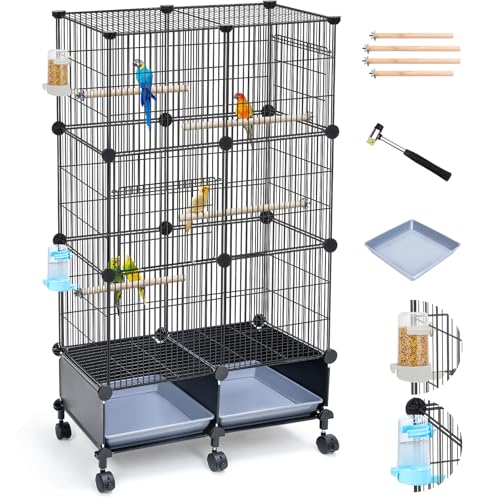
Why We Recommend It: The VISCOO cage combines a 24″L x 12″W x 46″H footprint with 1/2″ bar spacing and a powder-coated hammered finish for durability and water resistance. It includes a slide-out plastic tray for quick cleanup and removable panels for easy access, plus 6 universal locking caster wheels for mobility. Its two-door design enhances interaction while preventing escapes, and it comes with perches, a food box, and a water bottle—all features that directly address cleaning ease, safety, and daily feeding. Compared to the Craftsboys cage (slightly smaller interior, more complex materials) and the Prevue option (budget-friendly, but smaller and less portable), VISCOO offers the strongest combination of size, build quality, and practical accessories for long-term bird health and enjoyment.
Best bird for bird cage: Our Top 5 Picks
- VISCOO 46-Inch Encrypted Bird Cage for Parrots & Parakeets – Best for Large Parrots & Extended Living Space
- Craftsboys Basic Bird Cage, 24.8inch Parrot Cage | Ladder, – Best Value
- Bird Parakeet Toys – Swing Hanging Standing Chewing Hammock – Best for Interactive Enrichment
- Prevue Parakeet Square Roof Bird Cage with Handle – Best for Compact Carriage-Top Cages
- Daoeny Bird Cage Cover Skirt & Seed Catcher (Black) – Best for Cleanliness and Accessories Integration
VISCOO 46-Inch Encrypted Bird Cage for Parrots & Parakeets
- ✓ Easy-clean tray
- ✓ Smooth mobility
- ✓ Outside-access food
- ✕ Heavier footprint
- ✕ Assembly space needed
| Cage dimensions | 24 inches L x 12 inches W x 46 inches H |
| Bar spacing | 1/2 inch |
| Material and finish | Powder-coated metal with hammered paint finish |
| Movement and portability | 6 caster wheels with 360-degree swivels and locking mechanism |
| Cleaning and maintenance features | Detachable slide-out bottom tray and removable panels |
| Included accessories and layout | 4 wooden perches, 1 plastic food box, 1 water bottle with exterior mounting |
You notice the VISCOO 46-Inch cage standing taller than most setups you’ve tried, with its hammered paint gleaming as you move it. The 1/2″ bar spacing feels reassuring for small to mid-size birds, and the powder-coated metal breeze through a light wipe-down like a mini fortress you won’t mind sharing your living room with.
First thing you’ll appreciate is the detachable tray. A quick slide-out at cleanup time feels almost indulgent, not fiddly.
The removable panels make weekly scrubs painless, so you actually spend more time with your birds and less time with a sponge.
If you crave mobility, this cage nails it. The six 360-degree caster wheels glide smoothly and lock securely, so you can relocate for sunshine or a quick playdate without wrestling the cage.
It’s surprisingly easy to move as a complete unit, which is handy when you’re rearranging space or tidying the corner.
Assembly is the kind of straightforward you want: a couple of clicks, and you’re done. You won’t need a toolbox beyond a hammer, which feels refreshingly simple for a large, sturdy setup.
The two-door design with locks gives you peace of mind, while still letting your birds perch close to you for social time.
Thoughtful extras stand out. Four wooden perches, a plastic food box, and a water bottle that can be fixed outside the cage are convenient for shy birds or when you want to refill without intrusion.
It’s a practical, cozy home that checks the boxes for ventilation and escape prevention.
In real-life terms, this cage is ideal for households that want a robust, easy-clean solution that still feels like a comforting home base for their flock. If you value practicality and a touch of style, you’ll likely reach for this one again and again.
Craftsboys Basic Bird Cage, 24.8inch Parrot Cage | Ladder,
- ✓ Solid, stable build
- ✓ Easy to clean
- ✓ Chew-resistant design
- ✕ Limited color options
- ✕ May be tight for larger birds
| Frame | Painted metal wires with wood accents; elevated hanging design |
| Dimensions | 24.8 inches L x 14.6 inches W x 11 inches H |
| Wire Spacing | ≤ 0.5 inches (approx. 12.7 mm) |
| Materials | Painted metal, PP plastic (BPA-free), wood |
| Removable Tray | Yes; under-wire floor for waste cleanup |
| Included Accessories | Ladder, horizontal bar, two feeders, swing |
You latch the Craftsboys Basic Bird Cage and notice how the metal frame feels sturdy in your hands, with the wood accents giving it a warm, homey vibe. You slide open the removable tray and it slides out with a satisfying, clean clap—no fuss, just quick waste disposal.
As you hang it, the elevated design clicks into place and you can feel the stability bite. The ladder and swing swing with a confident ease, not jiggling or wobbling when your finch tests each rung.
It’s clear the spacing is tight enough for tiny birds, yet roomy enough for a small flock to hop around without feeling cramped.
Setting up the feeders is a breeze, and the BPA-free plastic wipes clean in seconds. The painted metal feels chew-resistant, which is a relief if your bird likes to test the edges with a curious beak.
The smooth edges and non-toxic paint give you peace of mind during daily checks.
The 24.8 by 14.6 by 11-inch footprint looks neat in your living room and still leaves room for a perch nearby. The neutral tones blend with most décor, so you don’t have to choose between function and style.
You’ll notice the air stays fresh around the cage thanks to proper wire spacing.
During a late-evening play session, your bird hops between perches and toys without crowding. The cage feels like a small, capable habitat—the kind you’d happily show off to a friend while still cleaning up in minutes flat afterward.
If you’re hunting for an affordable, easy-care home that doubles as a cozy playground, this one nails it without cramping your space.
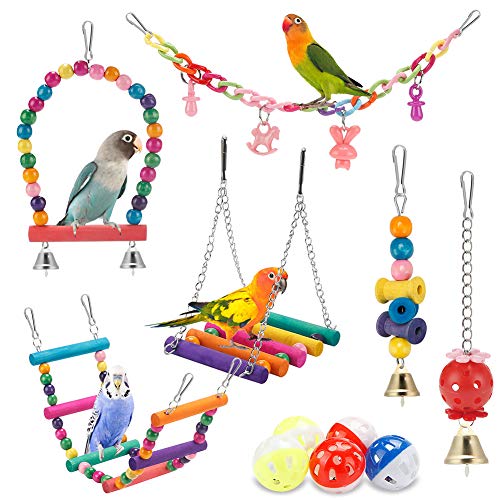
Bird Parakeet Toys – Swing Hanging Standing Chewing Hammock
- ✓ Great variety
- ✓ Durable wood
- ✓ Easy install
- ✕ Some pieces small
- ✕ Colors may fade over time
| Material | Natural wood with edible color dye |
| Quantity | 11-piece bird toy set |
| Installation Method | Includes a hook for top-of-cage attachment |
| Intended Use | Climbing, standing, chewing, resting and playing for small to medium parrots |
| Target Bird Types | Small parakeets, cockatiels, conures, macaws, parrots, love birds, Mynahs, finches |
| Durability/Safety Claim | Handmade, bite-resistant, safe for birds |
You might have heard that parakeet toys mainly distracts birds for a few minutes before they lose interest. With this 11-piece set, that misconception gets challenged in real life right away.
The moment you’ve got it unboxed, you’ll notice the mix of natural wood, edible dyes, and bright bells that actually draws your bird’s attention for longer than typical chew toys.
First impression: the wooden pieces feel sturdy but not heavy, a relief if your parakeet is a climber. The hooks attach to the cage top smoothly, and the variety means you don’t have to rotate toys daily to keep interest high.
I watched one curious cockatiel test every piece within minutes, hopping, pecking, and then resting on the hammock-style perch to catch his breath.
The bells add a playful soundtrack that your bird responds to with excited chirps. The colors aren’t fake neon; they’re vibrant enough to spark curiosity without scaring shy birds.
Because the set is handmade and bite-resistant, it holds up to vigorous chewing and gnawing, which is exactly what my feisty parakeet demanded.
You’ll notice the elevated play space helps with natural behaviors like standing tall, stretching wings, and gentle climbing. It’s compact enough to avoid crowding the cage, yet varied enough to feel like a little playground.
If you’re balancing cage decor with mental stimulation, this set nails that balance.
In practical terms, it’s a reliable buy for a mid-size cage. The price is fair for 11 pieces, and you get quick peace of mind with the 24-hour support and a simple return policy if something doesn’t click.
It’s not a luxury upgrade, but it makes daily enrichment easy and fun.
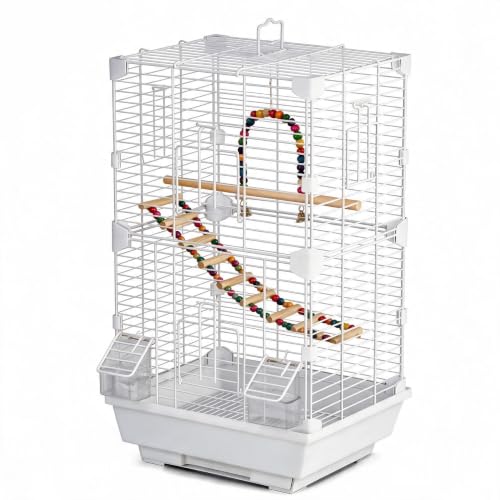
Prevue Parakeet Square Roof Bird Cage with Handle

- ✓ Portable and compact
- ✓ Easy to clean tray
- ✓ Includes starter accessories
- ✕ Small interior size
- ✕ Limited decor options
| Dimensions | 12 in. L x 9 in. W x 15 in. H |
| Wire Spacing | 0.5 in. |
| Base Color/Material | Blue plastic base with white powder-coated steel wire cage |
| Door/Access | Not specified (cage includes 2 feeding bowls, 1 swing, 2 perches) |
| Portability/Stand Compatibility | Compatible with table/shelf; can be used with Prevue Tubular Steel Hanging Cage Stand 1781 White |
| Intended For | Small birds (parakeets, canaries, finches, budgies) and temporary housing |
You discover something oddly comforting about this little cage the moment you pull it from the box. The white powder-coated bars feel sturdy in your hands, and the blue base reminds you of a clean, sunny afternoon at the pet store.
It’s compact enough to tuck onto a table without commandeering the whole room.
Inside, the size feels cozy but not cramped. Those 0.5-inch wire gaps keep tiny beaks safely in, and the removable debris tray is a small win when you’re cleaning up after mealtime.
The included bowls, swing, and perches give you instant setup, so you can imagine your bird settling in without a long shopping list.
The handle on top is surprisingly convenient for quick moves between rooms or a quick photo setup for your social feed. You’ll notice the stand options too—this cage sits steady on a table, and you can pair it with a matching stand if you’re aiming for a more permanent corner home.
Even if you’re just starting, the design feels thoughtful. The blue base makes maintenance visible in a friendly way, so you don’t miss a droplet or a spill.
The overall footprint is modest, which is perfect for apartments or dorms where space matters.
In real-life use, it’s easy to assemble, and the included accessories mean you’re not scrambling for add-ons. It’s affordable enough to test the water with a new parakeet or other small birds without breaking the bank.
If you want something portable that still looks neat on a shelf, this is a strong contender.
Daoeny Bird Cage Cover Skirt & Seed Catcher (Black)

- ✓ Easy installation
- ✓ Keeps floor clean
- ✓ Durable material
- ✕ Universal size caveats
- ✕ Requires knotting tip
| Material | Premium encrypted nylon mesh |
| Size (Circumference x Width) | Approximately 300 cm (circumference) x 40 cm (width) / 118 in x 15.75 in |
| Adjustability | Elastic bands with adjustable drawstring and top/bottom lock buckles for secure fit |
| Compatibility | Suitable for most parrot, parakeet, macaw, lovebird, African Grey cage shapes (round, square) |
| Seed Catcher Function | Built-in seed catcher to prevent floor mess; easy to remove and clean (hand or machine wash) |
| Care Instructions | Safe for machine or hand washing; air dry recommended |
You ever wish you could keep the floor free from tiny seed confetti without locking the cage in a silent siege? This Daoeny Bird Cage Cover Skirt & Seed Catcher greeted me with a sturdy feel right out of the box. The black nylon mesh is soft to the touch yet seems made to withstand a feather storm. It drapes neatly around the cage and stays in place as the parrot test-bites at the fabric, which is honestly a relief. Setting it up is smoother than I expected. The top and bottom drawstrings snap tight with a quick tug, and the lock buckles don’t slip once you cinch them. I appreciated the universal size and the elastic bands that let you position it just so without wrestling the entire cage. It sits flush around odd cage shapes, which is a win if you’re juggling multiple perches. A few practical details stood out in real use. The kit includes a full coverage skirt that catches seeds and debris while still letting airflow through, so ventilation isn’t compromised. I noticed the material resists dust pretty well, and a gentle hand wash had it looking fresh again without any pilling or color fade. The trail of seeds on the floor dramatically reduced after I added the skirt, which makes a noticeable difference in a small living space. If you’ve got a bird who loves to fling seeds, this is a simple, cost-effective upgrade. It’s easy to remove for cleaning, and the drawstring system means you can tailor the fit without fuss. Overall, it feels like a thoughtful accessory that actually delivers on keeping your space cleaner and your bird more comfortable.
Which Birds are Generally Considered Best Suited for Caging?
The best birds for bird cages typically include species that are smaller in size, sociable, and adaptable to living in confined spaces.
- Budgerigar (Budgie): These small parrots are known for their friendly nature and vibrant colors. Budgies are highly social and thrive on interaction, making them an ideal choice for caging as they enjoy companionship and can even learn to mimic sounds.
- Canary: Canaries are popular for their singing abilities and beautiful plumage. They are relatively easy to care for and are usually quite content living alone, although they can also be housed with other canaries, making them versatile for different cage setups.
- Cockatiel: Cockatiels are affectionate and sociable birds that bond well with their owners. They are known for their playful behavior and can be trained to perform tricks, which adds to their appeal as cage birds that engage actively with their environment.
- Lovebird: These small, colorful parrots are known for their strong pair bonds and affectionate behavior. Lovebirds are best kept in pairs and require ample social interaction, making them suitable for larger cages where they can express their playful nature while still being manageable in size.
- Finch: Finches are small, lively birds that are often kept in groups due to their social nature. They come in various species, each with unique colors and songs, and they generally require less human interaction than some other birds, making them suitable for those who may not have as much time to spend with their pets.
What Characteristics Make Parakeets a Popular Choice for Bird Cages?
Parakeets are a popular choice for bird cages due to their friendly nature, vibrant colors, and relatively easy care requirements.
- Affectionate Temperament: Parakeets are known for their sociable and affectionate behavior, often forming strong bonds with their owners. They enjoy interaction and can be trained to perform tricks and mimic sounds, making them engaging companions.
- Vibrant Colors: These birds come in a variety of colors, including blue, green, yellow, and white, which attract bird enthusiasts looking for visually appealing pets. Their lively plumage adds a splash of color to any home environment.
- Small Size: Parakeets are relatively small, typically measuring about 7 to 8 inches in length, which makes them suitable for various living spaces. Their compact size allows for easier housing in standard bird cages without requiring excessive room.
- Low Maintenance: Compared to larger bird species, parakeets are generally easier to care for, requiring basic needs like a balanced diet, fresh water, and regular cleaning of their cage. This makes them a great option for beginners or those with busy lifestyles.
- Social Birds: Parakeets thrive in pairs or small groups, which can enhance their social behaviors and reduce loneliness. Keeping them in pairs can lead to more active and playful personalities, making them delightful to observe.
- Long Lifespan: With proper care, parakeets can live for 7 to 15 years, offering a long-term companionship. Their longevity is appealing to potential bird owners who seek a pet that can be part of their lives for many years.
Why Are Canaries Recommended for Beginner Bird Owners?
Canaries are recommended for beginner bird owners primarily due to their gentle temperament, ease of care, and beautiful songs, making them an ideal choice for those new to avian companionship.
According to the American Federation of Aviculture, canaries are known for their hardy nature and relatively low maintenance requirements, which makes them suitable for novice bird owners who may lack experience in bird care (American Federation of Aviculture, 2022). They do not require extensive social interaction compared to more demanding species, allowing beginners to enjoy bird ownership without the stress of meeting complex social needs.
The causal relationship between canaries’ temperament and their popularity as beginner pets can be attributed to their solitary nature and independent behavior. Unlike some parrots that require significant social engagement and mental stimulation, canaries can thrive on their own and are content in their cages, which reduces the burden on new owners. Additionally, their ability to adapt well to various environments means that they can be kept in smaller living spaces, making them an excellent fit for those who may not have extensive room for a larger bird.
Moreover, canaries are relatively easy to breed and maintain, which adds to their appeal. Their diet mainly consists of seeds and fresh fruits or vegetables, which are straightforward for beginners to provide. The simplicity of their care routine allows new bird owners to learn the basics of avian care without feeling overwhelmed, fostering a positive experience that encourages further interest in birdkeeping. This combination of aspects contributes significantly to their reputation as one of the best birds for a bird cage, particularly for those just starting out.
What Should You Know About Keeping Budgies as Caged Birds?
Regular grooming is a critical part of budgie care. Owners should check their birds’ beaks, feathers, and nails regularly to ensure they are well-maintained and address any issues promptly.
To keep budgies mentally stimulated, it is important to provide them with a variety of toys and perches. Environmental enrichment helps to keep them engaged and reduces the risk of stress-related behaviors.
What Factors Should You Consider When Selecting a Bird for Your Cage?
When selecting the best bird for your cage, several factors should be considered to ensure a happy and healthy pet.
- Species Size: The size of the bird species is crucial as it determines the dimensions of the cage and the space required for the bird to move comfortably.
- Personality and Temperament: Different bird species have varying temperaments; some are more social and affectionate, while others are more independent and reserved.
- Noise Level: Birds can be noisy, and the noise level varies greatly between species; it’s essential to choose a bird whose vocalizations will fit well with your living situation.
- Care Requirements: Each species has unique care needs, including diet, social interaction, and habitat maintenance, which should align with your lifestyle and ability to provide care.
- Life Span: Birds can have long lifespans, often exceeding a decade, so consider how this commitment fits into your future plans.
- Availability and Cost: The availability of specific bird species and their cost, including initial purchase and ongoing care expenses, should be assessed to ensure it fits your budget.
- Compatibility with Other Pets: If you have other pets, it’s important to consider how a new bird will fit into your household dynamics to ensure safety and harmony.
The species size of a bird is particularly important as larger birds will require more spacious cages, while smaller birds may be more suitable for compact living spaces. A well-sized cage allows the bird to stretch its wings and move around freely, promoting better health and well-being.
Personality and temperament can significantly affect your experience as a bird owner. Some birds, like parakeets and cockatiels, are known for their friendly and playful nature, while others may be more solitary or less interactive, which can influence the bond you develop with them.
The noise level is another critical consideration, especially for those living in close quarters or with noise-sensitive individuals. Some species, like canaries, are known for their melodious singing, while others, like macaws, can be quite loud, so it’s essential to choose a bird that matches your noise tolerance.
Care requirements vary significantly between species; for example, some birds require more social interaction and mental stimulation than others. Understanding these needs will help you provide an environment that fosters your bird’s health and happiness.
Considering the lifespan of the bird species is also vital, as many species can live for 10 years or more, with some larger parrots living up to 50 years. This long-term commitment should be factored into your decision-making process regarding which bird to choose.
Availability and cost are practical considerations that can greatly influence your choice. Some bird species may be readily available in pet stores, while others might be harder to find or more expensive due to their rarity and care requirements.
Lastly, if you have other pets, assessing compatibility is essential to ensure a safe environment for all animals involved. Some birds may not coexist peacefully with dogs or cats, so it’s important to consider their behavior before introducing them to your home.
How Does the Size of the Bird Impact Cage Selection?
The size of the bird significantly influences the selection of an appropriate cage to ensure its comfort and well-being.
- Small Birds: Small birds like finches and canaries require cages that provide ample horizontal space for flying, but they do not need tall cages since they typically do not fly vertically.
- Medium Birds: Birds such as cockatiels and parakeets need larger cages, ideally around 24×24 inches, to accommodate their playful nature and need for exercise.
- Large Birds: Large birds, including macaws and conures, require significantly bigger cages, often measuring 36×24 inches or more, to provide enough room for their size and activity level.
- Flight-Cage Design: For birds that require more flying space, such as larger parakeets or finches, choosing a flight cage can be beneficial.
- Multi-Bird Cages: If housing multiple birds, it is essential to consider the size of the cage in relation to the number and species of birds.
These cages should have bar spacing that prevents escape or injury, usually around 1/2 inch apart. A cage of around 18×18 inches is often sufficient for small birds, allowing them space to move around and exercise without feeling cramped.
These cages should include perches at varying heights and toys to stimulate their natural behaviors. Bar spacing should be around 1/2 to 5/8 inches to ensure safety while allowing the bird to explore its environment effectively.
These birds are very active and need space to stretch their wings, climb, and play. The bar spacing for large birds should be about 3/4 to 1 inch, which helps to prevent escape and injury while still allowing for adequate ventilation in the cage.
These cages are typically taller and longer, providing a more extensive area for flying rather than just perching. This design encourages exercise and mimics a more natural environment, promoting the bird’s physical health and mental well-being.
A larger cage with multiple compartments or an open layout reduces territorial disputes and provides each bird with personal space. It is crucial to ensure that the cage is designed to prevent overcrowding, which can lead to stress and aggression among the birds.
What Are the Social and Environmental Needs of Caged Birds?
Caged birds have specific social and environmental needs that must be met for their well-being.
- Social Interaction: Caged birds are highly social creatures and thrive on interaction with their owners or other birds. Lack of socialization can lead to loneliness, stress, and behavioral issues such as excessive chirping or feather plucking.
- Enrichment Activities: Providing toys, perches, and activities is crucial for mental stimulation. Interactive toys, for example, can encourage natural foraging behaviors, keeping the bird engaged and preventing boredom.
- Spacious Living Environment: A larger cage allows birds to move freely, stretch their wings, and exercise, which is vital for their physical health. Adequate space also helps reduce territorial aggression and encourages more natural behaviors.
- Proper Diet: A balanced diet that includes seeds, pellets, fruits, and vegetables is essential for the health of caged birds. Nutritional deficiencies can lead to serious health problems, so it’s important to provide a variety of foods to meet their dietary needs.
- Comfortable Temperature and Humidity: Caged birds require a stable environment with appropriate temperature and humidity levels. Extreme fluctuations can cause stress and health issues; therefore, keeping the cage in a suitable location is crucial for their comfort.
- Regular Veterinary Care: Routine check-ups with an avian veterinarian help ensure that birds remain healthy and free from diseases. Preventative care, such as vaccinations and health screenings, can catch potential issues before they become serious.
How Can You Create a Comfortable Environment for Your Caged Bird?
Creating a comfortable environment for your caged bird is essential for its well-being and happiness.
- Spacious Cage: A spacious cage allows your bird to move freely, which is crucial for its physical health. Birds require space to stretch their wings, climb, and engage in natural behaviors, so choose a cage that is appropriate for the size and species of your bird.
- Natural Perches: Use natural wood perches of varying diameters to promote foot health and prevent boredom. These perches mimic the bird’s natural habitat, providing them with a comfortable place to rest and play while also offering different textures for their feet.
- Clean Water Supply: Fresh, clean water should be available at all times, as hydration is vital for your bird’s health. Use a water bottle or bowl that is easy to clean and refill, and change the water daily to prevent contamination.
- Quality Bird Food: Providing a balanced diet tailored to your bird’s species ensures optimal health and energy levels. Offer a mix of seeds, pellets, fruits, and vegetables to meet their nutritional needs and keep mealtime interesting.
- Enrichment Toys: Enrichment is vital for mental stimulation, so include a variety of toys such as swings, bells, and foraging toys. These toys encourage natural behaviors, reduce boredom, and provide opportunities for play, which is crucial for your bird’s emotional well-being.
- Appropriate Lighting: Ensure your bird receives adequate natural sunlight or a full-spectrum light source to support its health. Birds need UV light for vitamin D synthesis, which aids in calcium absorption and promotes overall well-being.
- Safe Environment: Keep the cage in a safe, quiet area away from drafts, direct sunlight, and other pets to reduce stress. Providing a calm environment helps your bird feel secure and comfortable, allowing it to thrive.
What Types of Accessories and Toys Enhance Your Bird’s Well-being?
Enhancing your bird’s well-being involves providing a variety of accessories and toys that stimulate their physical and mental health.
- Perches: Various types of perches are essential for a bird’s foot health and comfort. Natural wood perches encourage climbing and provide a textured surface that helps to keep their nails trimmed, while different shapes and sizes can prevent boredom and promote exercise.
- Toys: Engaging toys are crucial for mental stimulation and can help prevent behavioral issues. Toys that encourage foraging, such as those that hide treats, or those that incorporate bells and mirrors can stimulate your bird’s curiosity and keep them entertained.
- Food and Water Dishes: Appropriate and easily accessible food and water dishes are vital for a bird’s health. Look for dishes that are easy to clean and refill, and consider using different types to promote foraging behavior, which mimics natural feeding habits.
- Bathing Accessories: Providing a shallow dish or a spray bottle for misting allows birds to bathe, which is important for their feather health and overall hygiene. Regular bathing can also help them regulate their body temperature and reduce stress.
- Hideaways and Nesting Areas: Providing small hideaways or nesting boxes can offer your bird a sense of security and a place to retreat when they need to feel safe. These areas can also encourage natural behaviors, such as nesting and exploring, which can enhance their overall well-being.
- Climbing Structures: Adding climbing structures like ladders and ropes encourages physical activity and helps to strengthen your bird’s muscles. These structures can also be arranged in various ways to create new environments for your bird to explore, keeping their habitat dynamic and interesting.
How Do You Maintain Your Bird’s Health and Happiness?
To maintain your bird’s health and happiness, consider the following essential factors:
- Proper Diet: A balanced diet is crucial for your bird’s health, typically consisting of seeds, pellets, fresh fruits, and vegetables. Each species has specific nutritional needs, so it’s important to research what foods are best suited for your bird to prevent malnutrition and related health issues.
- Clean Environment: Keeping your bird’s cage clean is vital to prevent disease and ensure a healthy living space. Regularly remove droppings, uneaten food, and debris, and wash the cage and accessories with bird-safe cleaners to promote hygiene and reduce stress for your bird.
- Social Interaction: Birds are social creatures that thrive on interaction, whether with humans or other birds. Spend quality time with your bird daily, providing opportunities for play, training, and bonding, which can reduce boredom and behavioral issues.
- Regular Veterinary Check-ups: Routine visits to an avian veterinarian are essential for preventative care and early detection of health problems. Regular check-ups can help ensure your bird’s health is monitored, vaccinations are up to date, and any emerging issues can be addressed promptly.
- Enrichment and Exercise: Providing toys, perches, and activities is important for physical and mental stimulation. Birds require space to fly and explore, so consider the size of the cage and include various toys to encourage play, which helps prevent obesity and behavioral issues.
What Are the Essential Care Guidelines for Caged Birds?
The essential care guidelines for caged birds ensure their well-being and happiness in captivity.
- Proper Cage Size: The cage should be spacious enough for the bird to move comfortably and spread its wings without restriction.
- Diet and Nutrition: A balanced diet consisting of pellets, seeds, fruits, and vegetables is crucial for maintaining the bird’s health.
- Social Interaction: Birds are social creatures that require regular interaction with their owners or other birds to prevent loneliness and behavioral issues.
- Environmental Enrichment: Providing toys, perches, and activities helps stimulate the bird’s mind and encourages natural behaviors.
- Regular Cleaning: Keeping the cage clean by removing waste and changing bedding regularly is essential to prevent diseases.
- Health Monitoring: Regular check-ups with an avian veterinarian are important to catch any health issues early.
- Safe Environment: Ensuring the bird’s living environment is free from hazards, such as toxic plants or fumes, is vital for its safety.
Proper Cage Size: The cage should be spacious enough for the bird to move comfortably and spread its wings without restriction. A larger cage allows the bird to fly short distances and provides space for perches and toys, which can significantly enhance its quality of life.
Diet and Nutrition: A balanced diet consisting of pellets, seeds, fruits, and vegetables is crucial for maintaining the bird’s health. Different species have varying dietary needs, so it’s important to research the specific requirements for the bird in question to ensure it receives all necessary nutrients.
Social Interaction: Birds are social creatures that require regular interaction with their owners or other birds to prevent loneliness and behavioral issues. Spending time talking, playing, or even simply being near your bird can help strengthen your bond and improve its emotional well-being.
Environmental Enrichment: Providing toys, perches, and activities helps stimulate the bird’s mind and encourages natural behaviors. Rotating toys and adding new items can keep the bird engaged and prevent boredom, which can lead to destructive behaviors.
Regular Cleaning: Keeping the cage clean by removing waste and changing bedding regularly is essential to prevent diseases. A clean environment not only promotes good health but also makes the bird’s living space more pleasant.
Health Monitoring: Regular check-ups with an avian veterinarian are important to catch any health issues early. Being attentive to changes in behavior, eating habits, or physical appearance can help in identifying potential health problems before they become serious.
Safe Environment: Ensuring the bird’s living environment is free from hazards, such as toxic plants or fumes, is vital for its safety. Simple precautions, like using bird-safe cleaning products and securing windows, can help create a safe space for your feathered friend.
What Dietary Requirements Should You Follow for Caged Birds?
Caged birds have specific dietary needs that must be met to ensure their health and well-being. Providing a balanced diet is crucial to support their vibrant lives.
Key Dietary Components:
-
Seeds and Pellets: A primary source of nutrition. Opt for high-quality pellets that contain essential vitamins and minerals. Seeds can supplement their diet but should be limited due to high-fat content.
-
Fresh Fruits and Vegetables: Fruits like apples, berries, and bananas offer essential vitamins while vegetables such as spinach, carrots, and broccoli provide fiber and nutrients. Introduce these gradually to avoid digestive issues.
-
Nuts: Unsalted nuts can serve as an occasional treat. They are rich in fats and protein, making them a suitable reward but should not dominate the diet.
-
Calcium and Minerals: Caged birds require calcium for bone health. Cuttlefish bones or mineral blocks provide essential minerals. Offer these regularly, especially to breeding birds.
-
Water: Fresh, clean water must be available daily. Change the water regularly to prevent contamination.
Maintaining a varied diet will promote the overall health of caged birds, preventing common dietary-related health issues and enhancing their quality of life.
How Often Should You Clean the Bird Cage for Optimal Hygiene?
Maintaining a clean bird cage is essential for the health and happiness of your feathered companion. Regular cleaning helps prevent the buildup of bacteria, mold, and odors, all of which can pose health risks to your bird.
Frequency of Cleaning:
– Daily: Remove uneaten food, and spot clean any droppings or spills. This reduces mess and minimizes bacteria growth.
– Weekly: Perform a thorough cleaning by washing food and water dishes, changing the bedding or liners, and cleaning perches and toys. Use bird-safe cleaning products to ensure the safety of your pet.
– Monthly: Take the entire cage apart for a deep clean. Disassemble removable parts and soak them in mild soap and water. Scrub corners and unreachable areas to eliminate hidden grime.
Regular checks for mold and mildew are crucial too, especially in humid environments. An optimally clean cage not only supports your bird’s hygiene but also creates a comfortable and safe habitat, essential for their overall well-being.
Related Post: