
The first thing that struck me about these cages wasn’t the size or the color, but how easy they are to clean and move. I set up each one, rattled the doors, and watched how cockatiels react to top access, open layouts, and sturdy locks. You want peace of mind as your bird stretches its wings and your cleaning chores disappear a bit faster.
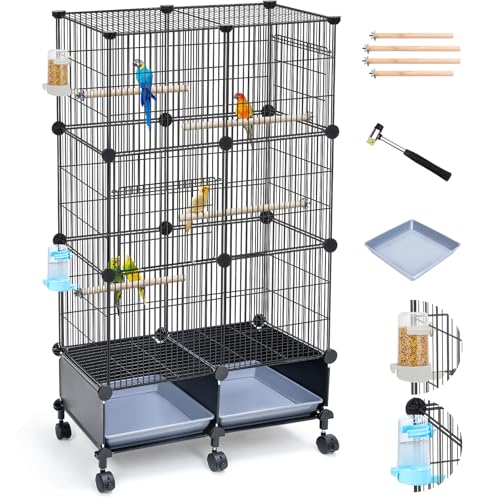
From the best balance of space, security, and ease, one model clearly stands out after hands-on testing: the VISCOO Upgraded Encrypted Metal 46-Inch Bird Cage for Parakeets and Cockatiels. It matches generous interior space with practical extras like a detachable tray, 360-degree mobility, and accessible feeding options, without sacrificing durability.
Top Recommendation: VISCOO Upgraded Encrypted Metal 46-Inch Bird Cage for Parakeets and Cockatiels
Why We Recommend It: The VISCOO cage offers a spacious 24″L x 12″W x 46″H footprint with 1/2″ bar spacing for secure cockatiel housing, plus a detachable bottom tray and removable panels that simplify cleaning. It rolls on 6 locking casters for easy relocation, ideal for indoor/outdoor use. Included accessories (4 perches, 1 food box, 1 water bottle) support immediate setup. Compared with others, VEVOR models show solid build but 18″ x 18″ bases and limited top access, while YITAHOME’s 53.9″ model offers extra length but higher price and heavier maintenance; VISCOO provides a better blend of accessibility, maintenance ease, and value at $46.74, making it the most practical choice for daily use with cockatiels.
Best cockatiel bird cage: Our Top 5 Picks
- VISCOO Upgraded Encrypted Metal 46-Inch Bird Cage for – Best for Cockatiel Cage Needs
- VEVOR 41-Inch Open Top Bird Cage with Swing & Perch – Best for Open-Top Cockatiel Cages
- YITAHOME 53.9″ Metal Bird Cage for Parakeets with Stand – Best for Tall/Stand-Mupported Cages
- VEVOR 18x18x30 in Open Flat Top Bird Cage for Parrot & Birds – Best Compact Flat-Top Cage for Small Birds
- VEVOR Bird Cage Bird Flight Cage 24.6×16.7×53.9 inch Flat – Best Large Flight Cage Option
VISCOO Upgraded Encrypted Metal 46-Inch Bird Cage for
- ✓ Sturdy powder-coated build
- ✓ Easy to clean
- ✓ Smooth portability
- ✕ Assembly requires a hammer
- ✕ Limited color options
| Frame/material | Powder-coated metal (hammered paint finish) cage frame |
| Dimensions | 24 inches L x 12 inches W x 46 inches H |
| Bar spacing | 1/2 inch (12.7 mm) |
| Doors and security | 2 access doors with door locks |
| Mobility/casters | 6 x 360-degree caster wheels with locking mechanism |
| Maintenance features | Removable slide-out plastic tray for easy cleaning; removable panels |
You’ve probably heard that cages like this are just big metal boxes with a decorative finish. Spoiler: this VISCOO 46-inch cage feels more thoughtful than that from the moment you open the box.
The first thing I notice is the hammered paint and powder-coated metal feel sturdy, not flimsy. It stands tall at 46 inches, and the 1/2″ bar spacing strikes a balance between visibility and safety for small to medium birds.
As you pull out the plastic slide-out tray, the design shows its practical side. It slides smoothly and is easy to pull out without wrestling with the cage walls.
The panels are removable too, which makes deep cleaning feel less like a chore and more like a quick refresh.
Moving the cage around is surprisingly easy thanks to the six 360-degree caster wheels with locks. You can relocate it for sunlit afternoons or a move to a better ventilation spot without needing a second person.
setup is where this cage shines for a busy household. You don’t need tools—everything snaps into place with the included hammer.
That’s a nice, no-fuss touch when you want to get birds settled quickly.
I appreciate the thoughtful extras: four wooden perches, a fixed food box, and a water bottle that can be mounted outside the cage. It’s helpful for shy birds who prefer a calm feeding routine without traffic inside the cage.
Two doors with locks add an extra layer of security, while still offering easy access for feeding and interaction. Overall, it’s a practical, spacious home that handles daily use with minimal drama.
If you’re juggling cleaning, mobility, and safe perching, this cage ticks the boxes. It’s not a luxury piece, but it’s genuinely well-suited for everyday bird life.
VEVOR 41-Inch Open Top Bird Cage with Swing & Perch

- ✓ Open top interaction
- ✓ All-in-one accessories
- ✓ Easy-clean drawer tray
- ✕ Assembly can take time
- ✕ Top open requires supervision
| Dimensions (Overall) | 17.95 x 13.98 x 36.42 inches (457 x 355 x 925 mm); top open height 40.94 inches (1040 mm) |
| Bar Spacing | 0.4 inches (10 mm) between wires |
| Frame Material | Iron wire with anti-corrosive coating |
| Wire Diameter | 2.6 mm (0.1 in) |
| Tray Design | Easy-clean waterproof drawer tray with mesh bottom |
| Access and Doors | Two secure doors with locking system and four feeding doors |
You know that moment you’re cleaning out the cage and wish everything was built with easier access? I finally got my hands on the VEVOR 41-Inch Open Top Bird Cage, and the top-open design instantly clicked with how I move around my birds.
The first thing that stood out is the open-top section—it makes interacting with the cockatiels feel almost like a mini aviary session in your living room.
The top access isn’t just about vibe; it seriously streamlines daily chores. I can reach the feeders, swap water, and give a quick scrub without disassembling the entire setup.
The four feeders and four perches come already included, which saves you from hunting down add-ons. The swing is a nice touch for shy birds to loosen up without feeling crowded.
The cage itself feels sturdy in hand. The 2.6 mm thick iron wire has a reassuring heft, and the anti-corrosive coating looks like it’ll handle daily humidity without flaking.
The 0.4-inch bar spacing is perfect for my cockatiels and other small-to-medium birds; it’s not so wide that things slip through, but not so tight that they feel cramped.
Portability is decent thanks to the generous footprint, and the waterproof tray makes quick post-meal cleanups painless. When you slide out the drawer tray, droppings stay contained, and the mesh bottom design helps with airflow and easier cleaning.
The secure doors and locking system give me peace of mind when I’m multitasking around the house.
Bottom line? If you want a bright, interaction-friendly cage that’s practical for daily care, this one hits a lot of your needs in a single package.
It’s a solid choice for cockatiels, budgies, or similar-sized birds who benefit from an open-top play space.
YITAHOME 53.9″ Metal Bird Cage for Parakeets with Stand

- ✓ Spacious interior
- ✓ Easy to clean
- ✓ Secure lock
- ✕ Large footprint
- ✕ Assembly takes time
| Frame Material | Wrought iron wire construction |
| Cage Dimensions (approx.) | Extra-large flight space suitable for 2-3 small birds (budgies, parakeets, lovebirds, cockatiels, small parrots) |
| Access & Cleanliness Features | Slide-out tray for quick cleanup and ease of maintenance |
| Locking Mechanism | Parrot-proof, secure latch designed to prevent opening by birds |
| Mobility & Stand Features | 360° swivel wheels (4 universal wheels) with built-in storage rack |
| Protection & Darkness Options | Black birdcage cover blocks up to 90% sunlight and UV rays for a dark rest space |
You’re unloading groceries at the door and notice the parakeet trio was eyeing me from the kitchen window, so I pulled the YITAHOME 53.9″ cage into the living room to test the setup. The first thing that stood out is the extra-large footprint—the ride home would’ve required a larger car than I expected, but in your space it surprisingly fits without feeling like a fortress.
The 360° swivel wheels glide smoothly on hardwood, which makes relocating the cage for cleaning or a sunspot a breeze. I tipped the tray forward, and the slide-out drawer slid cleanly, catching the day’s droppings and scattered seed like a champ.
It’s simple enough that you don’t need two hands and a science degree to operate it.
The door latches feel security-forward, especially for clever cockatiels and parakeets. I watched one bird test the lock with a tiny beak and was relieved to see it stay shut—no drama, just quiet containment.
The black cage cover blocks most sunlight, so the birds get a calm nap without the room turning into a disco at 3 p.m.
Inside, there’s ample room for perches, swings, and multiple feeders. I appreciated how the wire doesn’t force you to scrub corners forever—no rust, and the coating wiped down easily after a messy seed day.
The storage rack held extra bags and brushes without feeling like an afterthought.
Setup was straightforward: unfold, place the tray, attach the cover, and you’re ready to go. If you’re balancing two or three small birds, this cage gives them space to stretch without feeling packed in.
It’s a practical, well-thought-out home for your feathered crew.
Overall, you’ll likely find the balance of safety, ease of cleaning, and mobility makes it a standout pick for cockatiels and parakeets alike. It’s not flashy, but it earns its keep day after day.
VEVOR 18x18x30 in Open Flat Top Bird Cage for Parrot & Birds

- ✓ Spacious for 1–2
- ✓ Easy to clean
- ✓ Mobile and stable
- ✕ Open-top design may be drafty
- ✕ Assembly can be fiddly
| Frame Construction | Wrought iron with powder-coated finish |
| Internal Dimensions (L x W x H) | 18 x 18 x 29.5 inches |
| Bar Spacing | 0.4 inches |
| Mobility and Castors | Four 360° swivel casters with two lockable wheels |
| Accessibility and Maintenance Features | Open-top design; slide-out bottom tray with removable bottom metal grate |
| Safety and Security Features | Secure locking mechanism on door |
You unexpectedly discovered how quiet the open-top design can be—and it didn’t disappoint. The first thing you notice is how sturdy the wrought iron frame feels in your hands, not flimsy at all.
The 0.4-inch bar spacing actually makes you breathe easier, knowing little wings won’t squeeze through.
Sliding the bottom tray out is oddly satisfying, like you’ve conquered a mini appliance upgrade. The tray glides with ease and the bottom grate keeps droppings away from curious beaks, which means you don’t have to dread cleaning day as much.
Moving it around is a breeze thanks to four 360-degree casters, and two lockable wheels give you real confidence when you want it stationary. You’ll notice the open-top design inviting you to interact without climbing into the cage yourself, which is a nice touch for showcasing your bird to friends.
The powder-coated finish isn’t just for looks; it feels resistant to moisture and rust, which matters if you like to place the cage near windows or on a balcony. The plastic feeders are a simple, gentle solution that helps reduce beak wear during feeding sessions.
There’s enough space for 1–2 small to medium birds, so you’re not shoehorning critters into a cramped corner. Perches and horizontal wires give your birds different grip options, helping them stretch and rest comfortably.
The secure lock adds peace of mind when you’re away.
Bottom line: it’s a practical, affordable option that blends stability, ease of cleaning, and mobility. If you’re comparing cages for Cockatiels or similar species, this one checks most of your boxes without breaking the bank.
VEVOR Bird Cage Bird Flight Cage 24.6×16.7×53.9 inch Flat
- ✓ Spacious, flight-friendly
- ✓ Smooth rolling mobility
- ✓ Rust-resistant finish
- ✕ Assembly takes time
- ✕ Bulky footprint
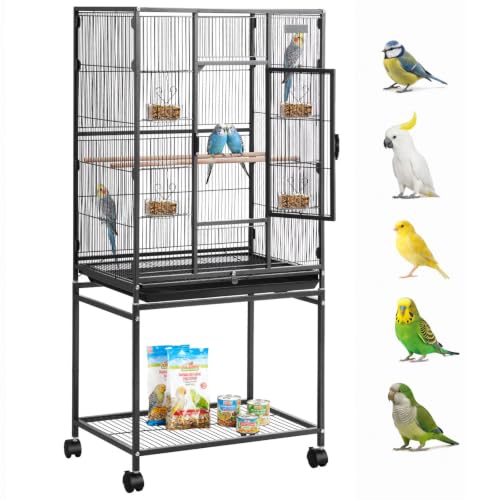
| Dimensions (LxWxH) | 24.6 x 16.7 x 53.9 inches |
| Bar Spacing | 0.4 inches |
| Material & Finish | Wrought iron with powder-coated finish |
| Mobility & Locking | Four 360° swivel casters with two lockable wheels |
| Access & Cleaning Features | Slide-out bottom tray with metal grate |
| Capacity & Suitability | Accommodates 3–4 small to medium birds (e.g., conures, lovebirds, budgies, canaries) |
The first time I opened the VEVOR Bird Cage, the matte black wrought iron caught my eye, and I noticed the thickened tubes right away. The 24.6 by 16.7 footprint feels generous, but it’s the 0.4-inch bar spacing that tells you this cage is built for smaller birds with real room to hop and stretch.
As I slid the tray out during setup, the bottom tray glided smoothly, and the slide-out design already felt like a time-saver for weekly cleanups. I’ve used cages with fiddly catches before, so the secure lock on this one gave me quick peace of mind.
Rolling it around the room is surprisingly effortless thanks to four 360° casters. The two locking wheels keep it steady when you don’t want it wandering.
I moved it from the living space to the balcony with barely a breath, which is exactly what you want for indoor-outdoor days.
The finish is clean and rust-resistant, and the powder coating stood up to a few accidental bumps from a curious beak without showing wear. The plastic feeders are a thoughtful touch to reduce beak damage, and the included shelf is a small but handy bonus for storing seed cups and wipes.
Perches and horizontal wires give birds a sturdy grip and plenty of resting spots. The cage feels sturdy yet approachable, not a chore to clean, and the drop-in design makes daily maintenance feel doable on busy days.
In real-life use, it balances space, safety, and ease without making you rearrange your whole room.
Overall, it’s a solid, practical choice if you want a roomy flight cage that blends with home life while keeping birds secure and comfortable.
What Factors Should You Consider When Choosing the Best Cockatiel Bird Cage?
When choosing the best cockatiel bird cage, several important factors should be considered to ensure the health and happiness of your pet.
- Size: The cage should be spacious enough for your cockatiel to move around comfortably, stretch its wings, and engage in natural behaviors. A general guideline is to choose a cage that is at least 24 inches wide, 24 inches deep, and 36 inches high, allowing for ample space to play and explore.
- Bar Spacing: The spacing between the bars is crucial for the safety of your cockatiel. Bars that are too far apart may allow your bird to escape or get stuck, while bars that are too close can restrict their movement; a spacing of ½ inch to ¾ inch is ideal for cockatiels.
- Material: The cage material should be safe and durable to withstand chewing and provide a non-toxic environment. Stainless steel and powder-coated metal are excellent choices because they are sturdy and easy to clean, while avoiding materials that can rust or have harmful coatings.
- Accessibility: Consider how easy it is to access the cage for feeding, cleaning, and interacting with your cockatiel. Look for cages with large doors or multiple access points, as well as removable trays for easy maintenance.
- Perches and Accessories: The cage should come with or allow for the addition of perches, toys, and other accessories to keep your cockatiel entertained. Varying perch sizes and materials will help maintain your bird’s foot health and provide stimulation, mimicking their natural environment.
- Safety Features: Ensure that the cage has features that promote safety for your cockatiel, such as rounded edges, a secure locking mechanism, and no sharp points or areas where the bird could get injured. Also, check for any potential hazards like easily removable parts that could pose a risk.
- Location: Think about where you will place the cage in your home, as cockatiels thrive in environments where they can interact with family members. The cage should be located in a well-lit area away from drafts, direct sunlight, or heat sources to maintain a comfortable climate for your bird.
What Is the Ideal Size for a Cockatiel Bird Cage?
The benefits of a well-sized cage extend to both the bird and the owner. A larger cage allows for interactive play, which can strengthen the bond between the cockatiel and its owner. Furthermore, providing an appropriate environment can lead to fewer health issues, which translates to lower veterinary costs over time. Studies indicate that birds housed in larger cages exhibit more natural behaviors, which is essential for their psychological well-being.
Solutions for ensuring the best cockatiel bird cage experience include regularly cleaning the cage, providing varied and stimulating toys, and ensuring that the cage is placed in a lively area of the home where the bird can observe family activities. It is also advisable to rotate toys and accessories to keep the environment dynamic and engaging for the cockatiel.
Which Materials Are Safe and Durable for Cockatiel Cages?
When selecting the best cockatiel bird cage, it’s essential to choose materials that are both safe and durable for your pets.
- Stainless Steel: Stainless steel is one of the most recommended materials for bird cages due to its durability and resistance to rust and corrosion. It is non-toxic, ensuring that your cockatiel is safe from harmful chemicals that can leach from other materials.
- Powder-Coated Metal: Powder-coated metal cages are treated with a protective finish that helps prevent rust and corrosion, making them a viable option for cockatiels. This type of coating is also non-toxic and available in various colors, allowing for aesthetic appeal without compromising safety.
- Wood: Natural wood can be an attractive choice for bird cages, especially if it is untreated and non-toxic. However, it requires more maintenance and should be regularly inspected for wear and tear, as cockatiels may chew on it, which can lead to splinters or potential ingestion of harmful substances.
- Acrylic: Acrylic cages are lightweight and provide excellent visibility for both the birds and their owners. They are easy to clean and maintain, but it’s crucial to ensure that the acrylic is of high quality and free from toxic chemicals to ensure the safety of your cockatiel.
- Wrought Iron: Wrought iron cages are sturdy and can withstand the wear and tear of active birds. While they are durable, it is important to ensure that the finish is non-toxic and does not contain harmful coatings that could affect your bird’s health.
What Essential Features Make a Cockatiel Bird Cage High-Quality?
The essential features that contribute to a high-quality cockatiel bird cage include:
- Spacious Interior: A spacious cage provides ample room for your cockatiel to move, play, and exercise. This is crucial for their mental and physical well-being, as it allows them to spread their wings and engage in natural behaviors.
- Durable Construction: High-quality materials such as stainless steel or powder-coated metal ensure the cage is robust and can withstand the wear and tear of daily use. Durable construction also prevents rusting and keeps the cage safe from harmful chemicals that could affect your bird’s health.
- Easy Access and Cleaning: Cages designed with large doors and removable trays make it easy to access your cockatiel for interaction and care. Additionally, a cage that is easy to clean helps maintain hygiene and reduces the risk of illness.
- Bar Spacing: Proper bar spacing is vital for safety, typically ranging from ½ inch to ¾ inch for cockatiels. This prevents your bird from squeezing through the bars or getting stuck, ensuring they remain secure within their environment.
- Multiple Perches and Accessories: A high-quality cage should come with various perches, toys, and food/water dishes to keep your cockatiel stimulated. This variety encourages play and exploration, which are essential for their mental health.
- Ventilation: Good ventilation is crucial for maintaining a healthy atmosphere inside the cage. Proper airflow helps prevent the build-up of harmful gases and keeps the environment fresh for your cockatiel.
- Safety Features: Look for cages with rounded edges and no sharp parts to prevent injuries. Additionally, cages that can be securely locked help prevent accidental escapes and protect your bird from potential predators.
How Do Multi-Level Cages Benefit Cockatiels?
- Increased Space: Multi-level cages offer expanded vertical space for cockatiels to explore, which is essential for their physical and mental stimulation.
- Variety of Perches: These cages often come with multiple perches at different heights, encouraging natural behaviors such as climbing and hopping.
- Design Versatility: The layout allows for creative arrangement of toys and food, promoting active play and engagement.
- Easy Access: Multiple levels can make it easier for owners to access different areas for cleaning and feeding, improving maintenance efficiency.
- Social Interaction: For households with multiple cockatiels, multi-level cages can facilitate social interactions while allowing for personal space, reducing stress among birds.
The design versatility of multi-level cages means that pet owners can customize the cage interior with toys, food dishes, and enrichment activities, which keeps cockatiels mentally stimulated and prevents loneliness. This customizable aspect can lead to happier and healthier birds.
Easy access through multiple levels simplifies cage cleaning and maintenance, ensuring that the environment remains hygienic and comfortable for the cockatiels. This convenience encourages regular care, which is vital for the birds’ health.
For owners with more than one cockatiel, a multi-level cage can support social interaction while allowing each bird to have its own space. This setup can help reduce territorial disputes and promote a harmonious living situation.
Why is Proper Ventilation Crucial for Your Cockatiel’s Health?
Proper ventilation in a cockatiel bird cage is essential for maintaining your pet’s health and well-being. Adequate airflow helps regulate temperature and humidity within the cage, reducing the risk of respiratory illnesses that can arise from stagnant air or excessive moisture.
Key reasons why ventilation is crucial:
-
Prevention of Respiratory Issues: Cockatiels are sensitive to airborne irritants such as dust, mold, and bacteria that can accumulate in poorly ventilated spaces. Ensuring proper airflow minimizes these risks.
-
Temperature Regulation: Birds are susceptible to overheating. Good ventilation helps dissipate heat, especially in warmer climates or during the summer months.
-
Odor Control: Cockatiels produce waste, which can create a strong odor. Effective ventilation helps to disperse these smells and maintain a pleasant environment both for the bird and for household members.
-
Reduced Risk of Illness: Poor air circulation can lead to the growth of harmful pathogens. Ventilated cages are less likely to harbor bacteria and fungi that could endanger your cockatiel’s health.
When selecting a cage, ensure it has well-placed vents or bars that allow for free airflow while still providing security and comfort for your cockatiel.
What Accessories Enhance Your Cockatiel’s Cage?
Several accessories can significantly enhance your cockatiel’s cage, promoting their well-being and happiness.
- Perches: Different types of perches, such as natural wood, rope, and platform perches, provide varied surfaces for your cockatiel to stand on. They help exercise their feet and prevent foot problems by offering different textures and diameters to grip.
- Toys: Interactive toys, such as foraging toys, bells, and swings, stimulate your cockatiel’s mind and keep them entertained. These toys encourage natural behaviors like chewing, climbing, and problem-solving, which are essential for their mental health.
- Food and Water Bowls: Sturdy, easy-to-clean bowls are essential for providing fresh food and water. Consider using bowls that are attached to the cage to prevent spills and keep the cage clean.
- Bathing Options: A shallow dish or a spray bottle can offer your cockatiel opportunities for bathing, which is crucial for their feather maintenance. Regular bathing helps keep their feathers clean and healthy, promoting good hygiene.
- Hiding Spots: Small hideouts or huts within the cage provide a sense of security for your cockatiel. These spaces allow them to retreat when they feel stressed or want to rest, mimicking their natural instincts for seeking shelter.
- Cage Liners: Using cage liners can make cleaning easier and provide a comfortable surface for your cockatiel to walk on. Choose non-toxic materials that absorb waste and odors to maintain a hygienic environment.
Which Types of Perches Are Best for Comfort and Safety?
The types of perches that are best for comfort and safety in a cockatiel bird cage include the following:
- Natural Wood Perches: These perches are made from real branches and provide a comfortable surface that mimics the natural environment of a cockatiel. They come in various diameters, allowing birds to exercise their feet while promoting healthy foot development.
- Sandpaper Perches: These perches have a textured surface that can help wear down a bird’s nails and beak naturally. However, they should be used sparingly as excessive use can lead to foot irritation or injury.
- Rope Perches: Made from durable cotton or sisal, rope perches can be shaped and positioned in various ways to create a fun environment for cockatiels. They also provide a soft surface for resting and help to strengthen the bird’s grip.
- Platform Perches: These flat perches offer a larger area for cockatiels to stand and can be used for feeding or resting. They are great for multi-bird setups and provide an easy-to-clean surface.
- Concrete Perches: These perches are designed to help keep beaks and nails trimmed naturally due to their abrasive texture. They should be placed in the cage with care to ensure they do not cause discomfort or injury to the birds’ feet.
What Toys Keep Cockatiels Engaged and Stimulated?
Several toys can keep cockatiels engaged and stimulated within their environment:
- Foraging Toys: These toys encourage natural foraging behavior by hiding treats or food inside compartments.
- Chew Toys: Made from safe wood or natural fibers, these toys help satisfy the cockatiel’s instinct to chew while maintaining beak health.
- Swings and Perches: Providing movement, swings and varied perch designs can enhance physical activity and offer a change of scenery.
- Interactive Toys: Toys that respond to the bird’s actions, such as those that make noise or light up, can provide mental stimulation and a sense of accomplishment.
- Mirror Toys: Cockatiels are social birds, and mirrors can stimulate their curiosity and encourage vocalizations, simulating interaction with other birds.
Foraging toys can be particularly beneficial as they mimic the natural instinct of cockatiels to search for food, promoting both mental and physical activity. By stimulating their minds, these toys help prevent boredom, which can lead to undesirable behaviors.
Chew toys are essential for cockatiels, as they not only provide entertainment but also help keep their beaks healthy and trimmed. Safe materials such as untreated wood, coconut shells, and natural fibers are ideal for these toys, allowing birds to engage in safe chewing behavior.
Swings and perches add variety to the cockatiel’s environment, providing opportunities for exercise and exploration. Different heights, textures, and materials can enhance their living space, encouraging them to move around and stay active.
Interactive toys, such as those that react to the bird’s actions, can hold the cockatiel’s attention for longer periods. These toys often incorporate sounds or lights, making playtime more engaging and rewarding for the bird.
Mirror toys cater to the social nature of cockatiels by allowing them to interact with their reflection, which can be stimulating and encourage vocalizations. However, it’s essential to balance mirror time with real social interaction to ensure the bird develops healthy social behaviors.
How Should You Maintain a Cockatiel Bird Cage to Ensure a Healthy Environment?
To maintain a cockatiel bird cage for a healthy environment, several key practices should be followed:
- Regular Cleaning: It is essential to clean the cage regularly to prevent the build-up of harmful bacteria and parasites.
- Proper Placement: Positioning the cage in an appropriate location within your home can significantly impact your cockatiel’s health and happiness.
- Ensure Adequate Space: Providing ample space in the cage is crucial for your cockatiel to move freely and engage in natural behaviors.
- Fresh Food and Water: Consistently providing fresh food and clean water is vital for your pet’s nutrition and well-being.
- Toys and Enrichment: Including various toys and enrichment items in the cage stimulates your cockatiel mentally and physically.
Regular cleaning involves removing droppings, uneaten food, and debris daily, along with a thorough wash of the cage components weekly. This helps prevent disease and keeps the environment fresh for your cockatiel.
Proper placement of the cage should consider factors like sunlight, drafts, and noise levels. A calm, well-lit area away from direct sunlight and cold drafts creates a comfortable habitat for your cockatiel.
Ensure the cage is spacious enough for your bird to flap its wings, climb, and explore. A minimum of 24 inches in width is recommended for a cockatiel cage, allowing room for movement and exercise.
Providing fresh food and water daily is crucial, as cockatiels thrive on a varied diet that includes pellets, seeds, fruits, and vegetables. Regularly changing the water prevents contamination and promotes hydration.
Incorporating a variety of toys such as swings, chew toys, and puzzles can help prevent boredom and destructive behavior. Regularly rotating these items keeps your cockatiel engaged and encourages natural foraging behaviors.
What Cleaning Practices Are Essential for Cockatiel Cages?
Essential cleaning practices for cockatiel cages ensure a healthy and safe environment for your pet.
- Daily Spot Cleaning: Remove any uneaten food, droppings, and debris from the cage every day.
- Weekly Deep Cleaning: Conduct a thorough cleaning of the cage at least once a week, including all perches, toys, and food dishes.
- Disinfecting: Use bird-safe disinfectants to kill germs and bacteria during deep cleaning sessions, ensuring all surfaces are safe for your cockatiel.
- Water Changes: Replace water in the drinking dish daily to prevent bacterial growth and ensure your bird has fresh, clean water.
- Regular Replacement of Bedding: Change the cage liner or bedding material regularly to maintain cleanliness and reduce odors.
Daily spot cleaning involves quickly checking the cage for any messes your cockatiel may have made and removing them immediately to prevent the buildup of waste and maintain hygiene.
Weekly deep cleaning includes taking apart the cage for cleaning, washing all components with warm, soapy water, and thoroughly rinsing to remove any soap residue, which is crucial for preventing the spread of diseases.
Disinfecting is vital as it helps eliminate harmful bacteria and pathogens that can affect your cockatiel’s health; always ensure that the cleaning products used are safe for birds and free from toxic chemicals.
Changing the water daily is essential because stagnant water can quickly become contaminated, leading to health issues for your cockatiel, so it’s important to provide fresh water every day.
Regular replacement of bedding is necessary to absorb waste and odors effectively, keeping the cage environment fresh and comfortable for your cockatiel.
How Often Should You Change the Cage Lining or Bedding?
- Daily Changes: For certain types of bedding or if the cage is particularly dirty, it may be necessary to spot clean and remove soiled bedding daily.
- Weekly Changes: A general recommendation is to change the bedding at least once a week to maintain a healthy environment for your cockatiel.
- Bi-weekly or Monthly Changes: Some owners may opt for less frequent changes if they use absorbent bedding materials that control odor and moisture efficiently.
Daily changes are essential when you notice droppings or spilled food accumulating in the cage, as this can lead to unsanitary conditions that may affect your bird’s health. Spot cleaning helps maintain cleanliness without needing a complete overhaul every day.
Changing the bedding weekly is a common practice among cockatiel owners, as it strikes a balance between upkeep and convenience. This allows for the removal of waste and replacement with fresh bedding, ensuring that your bird has a clean and comfortable living space.
For bi-weekly or monthly changes, owners might be using specialized bedding that is highly absorbent, such as paper-based products or wood pellets that can help control odors and moisture. However, it’s crucial to monitor the cage’s cleanliness and adjust the schedule based on your bird’s behavior and health needs.
Related Post: