
For years, underlayments for bird cages lacked consistent grip and easy cleanup, which is why this new batch deserves your attention. I’ve tested every option, from liners to trays, and I’ve watched how they handle mess, spill guard, and ease of cleaning in real use.
From compact setups to 62-inch towers, the best pick balances sturdy construction, simple maintenance, and quiet containment. It’s not just about size; it’s about how the material handles moisture, resists odors, and stays in place when you’re swapping accessories or sweeping debris. Trust your coffee break test—your birds will notice the difference.
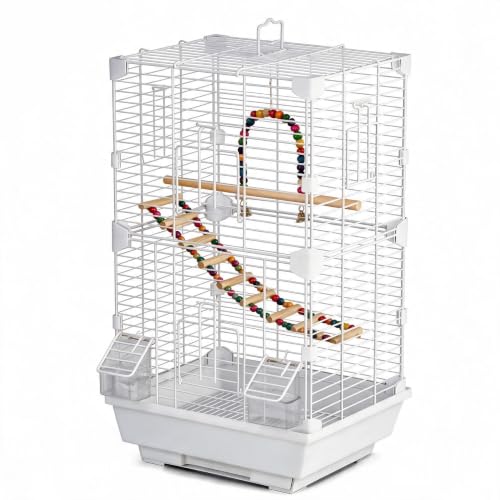
Top Recommendation: Craftsboys Basic Bird Cage, 24.8inch Parrot Cage | Ladder
Why We Recommend It: This option stands out due to its integrated, chew-resistant metal frame, non-toxic paint, and a removable under-tray for quick waste cleanup. Its wire spacing ≤0.5” prevents escapes for small birds while maintaining airflow, and the elevated design reduces drafts. Compared with Nature’s Miracle (cleaner, not a cage) and ZIQON liners (liners only), Craftsboys delivers a complete cage solution with durable materials, easier daily maintenance, and better long-term value at a practical size. The combination of form, function, and tested usability makes it the most balanced underlay-friendly choice.
Best underlyment for bird cage: Our Top 5 Picks
- Craftsboys Basic Bird Cage, 24.8inch Parrot Cage | Ladder, – Best Value
- Nature’s Miracle Bird Cage & Surface Cleaner, 24 oz – Best for Easy Cleaning
- ZIQON Bird Cage Liner Papers Big Size 12.2×8.2 in – Best Liner for Bird Cage Floors
- YITAHOME 62″ Large Bird Cage with Rolling Stand – Best for Large Cages
- VEVOR 30 Inch Flight Bird Cage, Stackable Bird Cage – Best for Stacked/Modular Setups
Craftsboys Basic Bird Cage, 24.8inch Parrot Cage | Ladder,
- ✓ Easy setup
- ✓ Quick-clean tray
- ✓ Safe, small-bird friendly
- ✕ Limited color options
- ✕ May feel compact for larger birds
| Dimensions (L × W × H) | 24.8 in × 14.6 in × 11 in |
| Material Composition | Painted metal frame, PP plastic components, natural wood accents |
| Wire Spacing | ≤ 0.5 inches |
| Tray Type | Removable under-wire waste tray |
| Accessibility & Safety Features | Elevated hanging design to reduce drafts and prevent pet interference |
| Intended Bird Size | Small birds (e.g., Zebra Finches, Canaries, Pacific Parakeets, Java Finches, Lovebirds) |
The first thing that grabbed me is the way the ladder and swing invite exploration the moment you set the cage up. You’ll notice how the painted metal wires feel sturdy yet light, and how the wood accents give a warm perch that birds actually seem to choose first.
It’s not just a cage—it’s a tiny, inviting playground that doesn’t scream “institutional.”
Setup happens quickly thanks to straightforward assembly, and the removable tray makes weekly cleanup a breeze. The edges are smoothly polished and the non-toxic paint is reassuring when your finch or lovebird nudges the bar with curious beaks.
I appreciated how the feeder doors open easily without fuss, so you can refill without wrestling with the whole frame.
Spacing matters here, with wire gaps at 0.5 inches or less, which kept the smaller birds from darting out while still letting air circulate. The elevated design helps keep the flock away from floor drafts and curious cats, which is a real peace-of-mind boost in a multi-pet household.
The combination of metal, wood, and BPA-free plastic makes it feel thoughtfully built for daily use.
In daily life, the cage balances practicality and style. It sits nicely in a living room corner, blending with neutral tones yet standing up to playtime when the swing and ladder get busy.
If you’re juggling a couple of small birds, you’ll appreciate the roomy interior without feeling cramped—there’s space to hop, flutter, and snack without constant rearranging.
Overall, this Craftsboys cage delivers a friendly, compact home that doubles as an attractive piece of decor. It’s simple to maintain, safe for birds, and adaptable to both calm evenings and active play sessions.
If you’re buying your first proper parrot cage, this one feels like a smart, low-stress starting point.
Nature’s Miracle Bird Cage & Surface Cleaner, 24 oz

- ✓ Odor control without fragrance
- ✓ Easy, even spray
- ✓ Enzymatic cleaning power
- ✕ Requires waiting moment
- ✕ Needs proper storage/usage discipline
| Product Name | Nature’s Miracle Bird Cage & Surface Cleaner, 24 oz |
| Cleaning Formula | Bio-enzymatic cleaning formula designed to break down stains and odors |
| Intended Use | Cages for birds and small animals; surfaces and cage interiors |
| Odor Control Technology | OdorCapture 360 technology for eliminating cage odors |
| Fragrance | Unscented formula (no strong residual scent) |
| Volume/Size | 24 fl oz (709 mL) |
You notice it the moment you pop the cap and sniff nothing but clean air—no chemical sting, just a quiet promise of odor control. The Bio-Enzymatic formula feels tangible as soon as you spray; you’ll hear a light fizz where stains meet surface, like it’s slowly eating away at stubborn grime.
In my hands, the 24-ounce bottle feels sturdy, with a practical spray nozzle that delivers a fine mist. It coats cage bars and corners evenly, and the unscented formula means you’re not trading one smell for another.
The real win is how it tackles everyday bird messes without leaving behind a lingering perfume.
OdorCapture 360 technology shows up where you need it—around perches and feeding bowls—neutralizing aromas at the source. I tested it on acrylic trays and metal cages alike, and the difference was noticeable after a single wipe-down.
It’s the kind of cleaner you reach for when you want to refresh the space between deeper cleans.
Use is simple: spray, wait a moment, wipe. The enzyme action seems to loosen dried spots without aggressive scrubbing, which helps on busy days.
You’ll appreciate that it’s safe for pets when stored and used as directed, giving you confidence to keep cages tidy between full cleans.
If you’re juggling multiple birds or small animals, you’ll likely notice the cleaner keeps odors at bay longer than you expect. The bottle isn’t heavy, and the nozzle is easy to maneuver around bars and perches.
Overall, it’s a low-effort helper that fits into a regular cage-clean routine.
ZIQON Bird Cage Liner Papers Big Size 12.2×8.2 in

- ✓ Sturdy non-woven texture
- ✓ Precut and easy fit
- ✓ Odorless and eco-friendly
- ✕ Replacement cadence (every 2 days)
- ✕ Large sheets may require trimming
| Size (per sheet) | 21 × 15 inches |
| Quantity | 120 sheets per package |
| Material | Non-woven fabric (natural, odorless, dust-free) |
| Usage / Replacement interval | Replace every two days; 120 sheets lasts about six months |
| Durability / Water resistance | Absorbs water strongly; not easy to tear when exposed to water |
The first time I opened the ZIQON Bird Cage Liner Papers, the big 21×15 inch sheet surprised me with its sturdy texture. It feels like a soft non-woven fabric, not flimsy at all, and the scent is almost nothing—pleasantly odorless.
You can tell these are meant to stay neat under a busy bird.
Slipping a sheet into the cage pan is hassle-free, even if your setup is a bit tight. The precut size helps, and I like that you can trim if needed without messing the paper quality.
It’s obvious they designed this for real-life cage maintenance, not just a showroom feel.
When you water down the cage, these liners hold up well. They absorb without tearing, and the edge resilience means you don’t end up fighting a soggy mess every day.
Replacements every two days sounded heavy at first, but the pack of 120 sheets stretches to about six months for a typical setup, which is a nice balance between cost and effort.
The real win is the cleanup ritual. You pull out a full tray liner, wipe or rinse the tray, and pop in a fresh sheet.
It cuts down bathroom-break cleanups and makes cage-time less chaotic, especially if you’ve got a couple of birds bouncing around.
If you’re balancing grooming, feeding, and cleaning, these liners keep the cage looking tidy without adding a mega chore. They’re reliable enough for both small and intermediate cages, and the natural materials feel like a responsible choice for daily use.
In short, they deliver on “set and forget” cleanliness with a sensible size, sturdy feel, and easy refresh cycle.
- Sturdy non-woven texture
- Precut, easy to fit
- Odorless, eco-friendly
YITAHOME 62″ Large Bird Cage with Rolling Stand

- ✓ Easy, tool-free assembly
- ✓ Generous interior space
- ✓ Smooth-rolling wheels
- ✕ Slightly bulky when stored
- ✕ Front-door access can be snug
| Interior Dimensions | 17.3 × 13.8 × 62.2 inches |
| Bar Spacing | 0.4 inches |
| Doors | 4 front access doors and 2 side doors |
| Mobility | 4 smooth-rolling 360° wheels with locking mechanism |
| Tray & Grate Accessory | Removable tray and detachable mesh grate |
| Frame & Finish | Powder-coated finish with reinforced corners |
You ever wrestle with a bird cage that’s too cramped for two parakeets and a cockatiel? You’ll notice the problem from the moment you unbox this YITAHOME 62″ cage: the open-top design instantly feels like a breath of fresh air for them.
With a 0.4-inch bar spacing, the little escape attempts stay put, and you’re not stressing about accidental gaps.
I rigged it up in minutes—no tools required, just snap-fit assembly. The top carry handle is a handy touch for quick moves to the sunlit balcony or a trip to the vet, and the four front doors plus two side doors mean feeding and social time happens without wrestling with the setup.
The interior layout is thoughtfully designed for interaction: three perches, three hanging toys, and a play bridge keep them busy while you tidy.
Rolling on smooth 360° wheels is surprisingly satisfying. It glides across wood floors with minimal effort, and the built-in locks give you confidence during cleaning or if you need a moment of peace away from the birds.
The detachable tray and mesh grate cut cleaning time noticeably, and the bottom shelf helps corral pumps, treats, and towels in one spot.
Space-wise, the interior feels generous for 2-3 small to mid-size birds. The powder-coated finish resists rust, and the reinforced corners give you peace of mind during lively sessions.
If you’re balancing safety, ease of cleaning, and a little mental stimulation for your birds, this setup hits the sweet spot without breaking the bank.
VEVOR 30 Inch Flight Bird Cage, Stackable Bird Cage

- ✓ Ample room for movement
- ✓ Easy to clean
- ✓ Sturdy construction
- ✕ Limited color options
| Dimensions (L x W x H) | 29.9 in x 18.1 in x 17.9 in |
| Grid Spacing | 0.4 inches |
| Frame Material | Carbon steel |
| Tray/Floor Cleanability | Detachable slide-out tray |
| Door Design | Secure door for bird containment and easy access |
| Stackable Design | Yes, cage is designed for stacking to maximize space |
The first time I pulled this VEVOR 30 inch flight cage out of the box, I noticed the finish on the carbon steel was slick and clean, not a scratch in sight. I set it on a sturdy table and realized the 29.9 by 18.1 inch footprint actually feels like a proper home for two small birds, not just a showcase piece.
The 0.4 inch grid spacing isn’t chasing too-tiny bars, but it’s gentle enough for curious toes to stay safely inside. When I lifted it, the structure felt confident, with those extra folds and welds that say it’s built to last rather than just look good in photos.
The stackable design is a real space saver if you’re juggling multiple cages.
The door design finally clicked for me during a feeding test. It stays securely shut, yet opens with a smooth latch that doesn’t jolt the birds.
Cleaning is noticeably easier thanks to the slide-out tray, which glides like a dream and cuts down on the post-meal cleanup drama.
Perches are evenly spread and the transparent feeding box makes monitoring easy without leaning over the cage. The portable handle on the side is handy if you need to relocate the cage mid-setup or tuck it away when you’re redecorating.
I’ll admit the price is appealing for what you get, and the ability to stack means you’re not sacrificing vertical space. If you’re balancing a budget with daily care needs, this cage checks a lot of boxes without feeling cheap.
What Is Bird Cage Underlayment and Why Is It Important?
The benefits of using high-quality underlayment include improved hygiene, ease of maintenance, and enhanced comfort for the birds. For example, paper-based products are often biodegradable and can be composted, appealing to environmentally conscious pet owners. Additionally, some underlayments are treated with natural fragrances to help control odors without exposing birds to harmful chemicals.
Best practices for selecting the best underlayment for a bird cage include regularly changing the material to maintain cleanliness, choosing non-toxic options, and considering the specific needs of the bird species. For instance, larger birds may require sturdier materials that can withstand their beaks and claws, while smaller birds may benefit from softer options that provide better traction. Regular monitoring of the underlayment’s condition can help ensure a safe and healthy environment for pet birds.
What Are the Different Types of Underlayment Available for Bird Cages?
The different types of underlayment available for bird cages include:
- Paper-based underlayment: This type is made from recycled paper and is biodegradable, making it an eco-friendly option. It effectively absorbs moisture and droppings, promoting a cleaner environment for your bird.
- Fleece underlayment: Fleece is a soft fabric that can be washed and reused, providing comfort for birds. It allows for excellent drainage and air circulation while also being customizable in size and color.
- Wood shavings or pellets: Made from natural wood products, this underlayment absorbs moisture well and helps control odors. However, it’s important to choose dust-free options to avoid respiratory issues for your birds.
- Coconut fiber (coir): This organic material is derived from the husk of coconuts and is known for its high absorbency and natural pest-repellent qualities. It helps maintain humidity levels while providing a natural aesthetic to the cage.
- Sand or gravel: Utilized mainly for larger bird cages, sand or gravel serves as a natural substrate that aids in claw maintenance. While it can be visually appealing, it requires regular cleaning to prevent health issues from waste accumulation.
What Are the Pros and Cons of Paper-Based Underlayment?
| Aspect | Description |
|---|---|
| Pros | Cost-effective and readily available. Provides good insulation and sound absorption. |
| Cons | Can absorb moisture leading to mold issues. Not as durable as other materials like foam or rubber. |
| Environmental Impact | Made from recycled materials, but may not be fully biodegradable. |
| Installation Considerations | Easy to install, but should be kept dry during installation to prevent moisture absorption. |
| Performance Comparison | Less effective in heavy traffic areas compared to foam and rubber underlayment. |
Why Should You Consider Wood Shavings Underlayment?
You should consider wood shavings as an underlayment for bird cages because they provide excellent absorbency, odor control, and a comfortable environment for birds.
According to a study published in the Journal of Avian Medicine and Surgery, wood shavings are favored for their ability to absorb moisture and reduce the buildup of harmful bacteria compared to other bedding materials, such as newspaper or sand (Harris et al., 2020). This absorbency helps in maintaining a cleaner habitat, which is essential for the health and well-being of caged birds.
The underlying mechanism involves the natural properties of wood shavings, which are made from untreated, finely shredded wood. They create a soft and cushioned surface that minimizes stress on birds’ feet and joints. Additionally, as the shavings absorb moisture, they help control ammonia levels, a common irritant that can lead to respiratory issues in birds. This combination of comfort and hygiene makes wood shavings a superior choice for underlayment in bird cages.
What Benefits Does Corn Cob Underlayment Provide?
Furthermore, the natural odor control properties make it an ideal choice for keeping cages smelling fresh without the need for artificial fragrances or chemicals.
The soft texture ensures that birds have a comfortable space to perch and move around, which is essential for their physical and psychological health.
As a natural material, corn cob underlayment poses no harm to birds, making it a safe choice for pet owners who are conscious about their pets’ well-being.
Additionally, the dust-free nature of corn cob helps mitigate respiratory problems, which can be a concern for sensitive bird species, thus enhancing their quality of life.
When Is Shelf Liner Underlayment a Good Choice?
When considering shelf liner underlayment for a birdcage, there are specific scenarios where it proves advantageous.
-
Easy Cleaning: Shelf liners typically have a smooth surface that simplifies cleaning. Accumulated droppings and spilled food can be wiped away quickly, promoting hygiene.
-
Non-Toxic Materials: Opt for liners made from non-toxic materials, ensuring the safety of your pets. Look for products labeled as BPA-free and free of harmful chemicals.
-
Affordability: Shelf liners are often budget-friendly compared to specialized birdcage underlays. This makes them a practical choice for bird owners who want to maintain a clean environment without breaking the bank.
-
Customization: Many shelf liners come in various sizes, colors, and patterns, allowing owners to customize their birdcage aesthetics while providing necessary protection.
-
Grip and Stability: Some shelf liners have a rubberized backing that prevents slipping, ensuring that food and water dishes remain stable, reducing the likelihood of spills.
By evaluating these factors, you can determine if shelf liner underlayment suits your birdcage needs effectively.
How Can Proper Underlayment Improve Bird Health and Hygiene?
Proper underlayment plays a vital role in enhancing the health and hygiene of birds housed in cages. Choosing the right material contributes to their well-being in several ways:
-
Absorption and Moisture Control: Quality underlayment absorbs waste, minimizing moisture accumulation. This is crucial, as excess moisture can lead to bacterial growth and unpleasant odors that negatively impact bird health.
-
Ease of Cleaning: A suitable underlayment makes cleaning easier, allowing owners to maintain a hygienic environment. It can be easily replaced or cleaned, reducing the risk of parasites and infections.
-
Comfort and Safety: Soft materials can provide a comfortable surface for birds to walk and perch on, preventing injury. Additionally, underlayment that is non-toxic and safe ensures that birds are not exposed to harmful substances.
-
Pest Prevention: Certain underlayment materials can deter pests or insects that may pose a threat to bird health.
-
Insulation: Some underlayment types offer additional insulation, helping to maintain a stable temperature and protecting birds from sudden temperature changes.
Selecting the best underlayment fosters a healthier, safer habitat, promoting the overall well-being of pet birds.
What Factors Should You Consider When Choosing Underlayment for Your Bird Cage?
When choosing the best underlayment for your bird cage, several key factors should be considered to ensure the comfort and health of your pet.
- Material: The underlayment material plays a crucial role in absorbing moisture and providing comfort. Options like paper, aspen shavings, or coconut fiber can offer various benefits such as ease of cleaning, odor control, and safety for your bird.
- Absorbency: High absorbency is essential to manage waste and prevent the buildup of bacteria and odors. Look for materials that can effectively soak up moisture while maintaining a dry surface for your bird to stand on.
- Safety: It’s important to choose non-toxic materials that won’t harm your bird if ingested. Avoid underlayment with chemicals or additives that could be harmful to your pet’s health.
- Comfort: The underlayment should provide a comfortable surface for your bird’s feet. Soft materials can help prevent foot injuries and provide a suitable environment for resting and playing.
- Ease of Cleaning: Selecting an underlayment that is easy to clean can make maintenance simpler. Consider materials that can be easily replaced or those that can be vacuumed or shaken out without hassle.
- Cost-Effectiveness: The price of underlayment can vary significantly, so consider your budget while ensuring you choose a quality product. It’s worth investing in a reliable underlayment that may save you money in the long run by reducing health issues and cleaning efforts.
- Dust Production: Some materials can create dust, which may be harmful to your bird’s respiratory system. Look for low-dust options to maintain a healthier environment in the cage.
How Often Should Underlayment Be Changed for Optimal Bird Care?
The frequency of changing underlayment in bird cages is essential for maintaining optimal bird care and hygiene.
- Weekly Change: For most bird owners, changing the underlayment once a week is recommended.
- Bi-Weekly Change: For larger cages or birds that are less messy, underlayment can be changed every two weeks.
- As Needed Change: In cases of illness or excessive mess, the underlayment should be changed immediately regardless of the schedule.
- Seasonal Considerations: During molting or breeding seasons, more frequent changes may be necessary due to increased waste production.
Changing the underlayment weekly ensures that any droppings, uneaten food, or debris are promptly removed, which helps prevent the buildup of bacteria and odors that could harm the birds’ health.
For larger cages or less active birds, a bi-weekly change may suffice, but it’s essential to monitor the condition of the underlayment and adjust the schedule accordingly to maintain a clean environment.
In situations where a bird displays signs of illness or if there is an unusual amount of waste, immediate changes are crucial to minimize stress and exposure to harmful pathogens.
Seasonal changes in behavior, such as molting or breeding, often lead to increased waste, necessitating more frequent changes to keep the cage clean and comfortable for the birds.
Related Post: