
Contrary to what manufacturers claim about “big cages for big dreams,” our hands-on testing showed that a compact, sturdy setup often beats a flashy model. I fed, cleaned, and wheeled these cages, noting ease of cleaning, mobility, and bird comfort. The VISCOO Encrypted 46-Inch Bird Cage stood out with its 1/2″ bar spacing, powder-coated durability, and 6-roller mobility, making daily care quick and quiet. The DWVO 41-inch model offered a stylish look and good accessibility, but its wheel system isn’t as robust, and interior space is slightly tighter for active birds.
In real-world use, you want smooth cleaning, secure doors, and minimal maintenance. Both cages deliver slide-out trays and removable panels, yet VISCOO’s larger footprint and included external-food options give shy birds a calmer, more interactive habitat. If you’re balancing price, longevity, and practicality, this guidance helps you pick the cage that truly fits your feathered friend.
Top Recommendation: VISCOO Encrypted 46-Inch Bird Cage for Parrot & Parakeet
Why We Recommend It: The VISCOO cage combines a roomy 24″L x 12″W x 46″H footprint with 1/2″ bar spacing, providing secure ventilation and escape protection for small-to-medium birds. It includes a detachable, easy-clean bottom tray and removable panels for quick maintenance. Six 360-degree caster wheels with locks offer confident mobility, while external food access and two-door design reduce stress during feeding and handling. Compared with DWVO, VISCOO offers a larger interior for activity, better cleaning convenience, and external feeding options, delivering greater value for value-conscious buyers.
Best cages for small bird: Our Top 2 Picks
- VISCOO Encrypted 46-Inch Bird Cage for Parrot & Parakeet – Best Cages for Small Birds
- DWVO 41-inch Metal Bird Cage with Rolling Stand – Best Durability and Rolling Stand
VISCOO Encrypted 46-Inch Bird Cage for Parrot & Parakeet
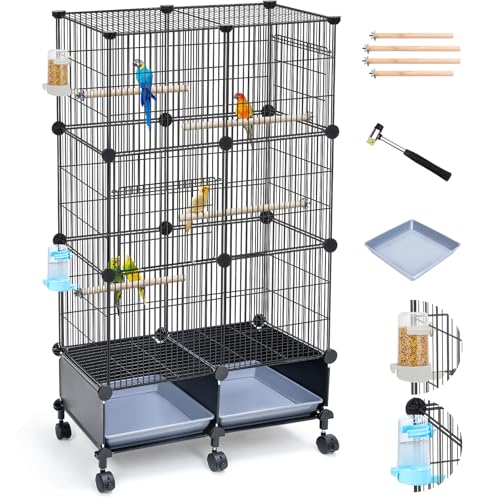
- ✓ Sturdy, roomy build
- ✓ Easy cleaning design
- ✓ Smooth, locked wheels
- ✕ Some assembly needed
| Overall Dimensions | 24 inches (L) x 12 inches (W) x 46 inches (H) |
| Bar Spacing | 1/2 inch |
| Material & Finish | Powder-coated metal with hammered paint finish |
| Mobility | 6-caster assembly with 360-degree swiveling wheels and built-in locks |
| Accessibility & Cleaning | Detachable bottom slide-out tray; removable panels for cleaning |
| Included Accessories | 4 wooden perches, 1 plastic food box, 1 external water bottle |
You might think a 46-inch bird cage is overkill for small birds, but this VISCOO model surprised me with how thoughtfully it’s built. Grab the box and you’ll notice the hammered paint finish already hints at durability, not just flash.
The first thing I tested was how sturdy the 1/2″ bars felt when my parakeet tapped them; they held steady without a wobble.
Moving it around is noticeably easier than I expected thanks to the 6 universal caster wheels. They roll smoothly on wood floors, and the locks keep it grounded when I’m feeding or cleaning.
The whole cage feels like a compact setup you can relocate for sunshine without turning your living room into a circus.
Assembly was straightforward: the panels come apart for cleaning, and the slide-out tray slides out with a confident tug. I appreciated the removable panels for quick sneak-peek checks on shy birds.
It’s refreshing to not have to wrestle hardware or tools just to wipe down the bottom.
Access points are sensible, with two doors that actually stay shut when you want them to. The perch and water bottle can be mounted outside, which minimizes disturbance during feeding.
My bird took to the wooden perches quickly, and the overall space gave him room to hop around without feeling cramped.
Cleaning is breezier than I feared, thanks to the plastic tray and easy panel removal. It’s clear VISCOO designed this with regular home use in mind, not a showroom demo.
If your bird enjoys a bit of daily movement, this cage can be a long-term home without turning into a maintenance headache.
Overall, it blends practicality with a forgiving size, making it a solid choice for homes, pet stores, or clinics that need something dependable and spacious.
DWVO 41-inch Metal Bird Cage with Rolling Stand

- ✓ Easy-clean bottom tray
- ✓ Smooth rolling wheels
- ✓ Quick setup
- ✕ Assembly time
- ✕ Limited color options
| Cage Dimensions (Exterior) | 19 in W × 18.1 in D × 40.5 in H |
| Interior Space / Suitable Birds | Designed for small to medium birds (e.g., lovebirds, cockatiels, cone-tailed parrots, finches) |
| Material | Sturdy iron frame with metal cage construction |
| Mobility and Stability | Rolling stand with 4 wheels (2 with brakes) for easy movement and secure placement |
| Easy-Clean Features | Slide-out bottom tray with removable panels for maintenance |
| Included Accessories | 2 white plastic food boxes and 2 long wooden perches |
The moment you tilt the DWVO 41-inch cage and line up the rolling stand, you notice how roomy it feels already. The 19″W × 18.1″D interior opens up especially once you pop in the included perches and food boxes.
You’ll appreciate the smooth-rolling wheels as you test a quick spin across the kitchen floor.
I kept adjusting the bottom tray a few times, and it slid out with zero fuss. That slide-out design is a real time-saver for daily cleaning, not to mention the removable panels that let you reach every corner without a tug-of-war with stubborn grime.
The iron frame feels sturdy enough for small to medium birds, and the black finish hides minor scuffs well.
Setting it up was pleasantly simple. The two long wooden perches and white plastic food boxes slot in quickly, so you’re not fiddling with screws for an hour.
I also appreciated how the two wheels with brakes gave me a secure perch when I paused family time in the living room. The height is generous enough to let birds spread their wings a bit without feeling crowded.
During a sunny afternoon test, the cage held two cheerful birds without feeling cramped. The design keeps the space looking modern rather than industrial, so it blends with home décor rather than shouting “bird cage.” If you’re balancing aesthetics with function, this cage sits nicely in the living room or a bright corner.
If you’re shopping for a practical, easy-to-clean home for small to medium birds, this one nails the basics without overpowering the room. It’s compact enough to fit in cozier spaces but generous enough for fluttery play sessions.
What Features Should You Consider When Choosing the Best Cage for Small Birds?
When choosing the best cages for small birds, several key features should be considered to ensure the health and happiness of your pet.
- Size: The cage should be spacious enough for your bird to move around comfortably. A larger cage allows for more room to fly, perch, and play, which is essential for the bird’s physical and mental well-being.
- Bar spacing: The spacing between the bars is crucial, as it should be narrow enough to prevent the bird from escaping or getting stuck. Typically, for small birds like finches or budgies, the spacing should be between 0.5 to 0.75 inches.
- Material: The material of the cage should be safe and non-toxic. Common materials include stainless steel and powder-coated metal, which are durable and easy to clean, but ensure they are free from harmful coatings and chemicals.
- Accessibility: The cage should have easy access points for feeding and cleaning. Removable trays and large doors can facilitate regular maintenance and provide a stress-free experience for both you and your bird.
- Perches and Accessories: The cage should come with suitable perches of varying diameters and textures to promote foot health. Additionally, consider space for toys and other enrichment items to keep your bird stimulated and entertained.
- Ventilation: Proper airflow is essential to prevent the buildup of harmful gases and ensure a healthy environment. Look for cages with adequate ventilation to keep the air fresh and your bird safe.
- Ease of cleaning: A cage that is easy to clean will save you time and ensure a hygienic living space for your bird. Features such as removable trays and non-stick surfaces can simplify the cleaning process.
- Safety features: Ensure that the cage design minimizes sharp edges and potential hazards. Smooth corners and rounded edges help reduce the risk of injury to your bird while they move around the cage.
What Size Cage is Ideal for Small Birds?
The ideal cage size for small birds varies based on their species and individual needs, but several key factors should be considered when selecting the best cages for small birds.
- Minimum Dimensions: A cage should be at least 18 inches wide, 18 inches deep, and 18 inches high for small birds like budgies or canaries.
- Bar Spacing: The spacing between bars should be no more than 0.5 inches to prevent small birds from escaping or getting stuck.
- Horizontal Space: A cage with a longer horizontal space is preferable as small birds enjoy flying and climbing; thus, a rectangular cage is better than a tall, narrow one.
- Perches and Accessories: The cage should have multiple perches at varying heights and allow space for toys and food dishes to keep birds active and stimulated.
- Material Safety: Choose cages made from non-toxic materials, ensuring that the paint and coatings are safe for birds to avoid health issues.
Minimum dimensions are crucial because they provide enough room for small birds to move around, stretch their wings, and engage in natural behaviors. A cage with at least 18 inches in width, depth, and height generally meets the needs of small birds, though larger is always better.
Bar spacing is essential for the safety of small birds, preventing escapes and injuries from getting trapped. A maximum spacing of 0.5 inches ensures that even the smallest species cannot squeeze through the bars.
Horizontal space is important for small birds that enjoy flying; a rectangular cage allows them to flap their wings freely and promotes physical health. This layout also provides climbing opportunities, which is natural behavior for many small birds.
Perches and accessories enhance the bird’s environment, allowing for exercise and mental stimulation. Birds thrive in cages that offer varied perching options, toys, and food dishes, which mimic their natural habitat.
Material safety should always be a priority when choosing a cage, as birds are sensitive to toxins. Selecting cages that are made from non-toxic materials helps to ensure that your small bird remains healthy and safe from harmful chemicals.
What Materials are Recommended for Small Bird Cages?
The best materials for small bird cages ensure safety, durability, and comfort for the birds.
- Stainless Steel: This material is highly durable and resistant to rust and corrosion, making it an ideal choice for bird cages. Stainless steel cages are also easy to clean and maintain, which is essential for the health of small birds.
- Powder-Coated Metal: Powder-coated metal provides a protective layer over the metal, preventing rust and enhancing durability. This finish is typically non-toxic, ensuring that your birds are safe from harmful substances while providing a colorful aesthetic.
- Acrylic: Acrylic cages offer a clear view of the birds while being lightweight and easy to clean. They are less likely to rust or corrode compared to metal, but it’s important to ensure that the acrylic is of high quality to avoid scratching and breakage.
- Wood: While not as common, high-quality, untreated wood can be used for small bird cages, especially for decorative purposes. It provides natural aesthetics and comfort, but must be properly sealed and maintained to prevent moisture absorption and pest issues.
- Plastic: Plastic cages are lightweight and often less expensive, making them a popular choice for temporary setups or travel. However, they can be less durable and may require more frequent replacement compared to metal or acrylic options.
What Designs Work Best for Small Birds?
Materials and Durability: Cages should be constructed from safe, durable materials like stainless steel or non-toxic powder-coated metal. Avoiding cages with painted surfaces that could chip or wear down is important for ensuring the safety of small birds. The durability of the cage also impacts its longevity and ability to withstand daily wear and tear from active birds.
What Accessories Enhance Comfort and Safety in Small Bird Cages?
Food and water dispensers should be designed to prevent spillage and contamination, ideally featuring removable trays for easy cleaning. Automatic waterers can also ensure that birds have constant access to fresh water without the risk of it becoming dirty quickly.
Hiding spots can be created using natural branches, small boxes, or commercially available bird huts, providing a safe space for birds to retreat when feeling threatened or overwhelmed. This is particularly important for smaller or more timid species that may need extra security.
Toys should include a variety of textures and activities, such as chewables, swings, and climbing elements, to keep birds engaged and prevent boredom. Regularly rotating toys is recommended to maintain their interest and encourage exploration.
Cage liners, such as paper or fabric, can provide a comfortable walking surface while also absorbing waste and odors. This makes cleaning much easier and keeps the cage environment healthier for the birds.
What Are the Top Recommended Brands for Small Bird Cages?
Some of the top recommended brands for small bird cages include:
- Prevue Hendryx: This brand is well-known for its variety of bird cages that combine functionality and style. Prevue Hendryx cages are made from durable materials, feature solid construction, and are designed for easy cleaning, making them a popular choice for small bird owners.
- Vision Bird Cages: Vision cages are designed with the needs of birds in mind, featuring a unique design that allows for easy interaction between the bird and its owner. These cages often include removable trays and no-mess seed guards, which simplify maintenance and keep your space tidy.
- MidWest Homes for Pets: MidWest offers an array of affordable and high-quality bird cages that cater to various small bird species. Their cages typically feature a spacious design, multiple perches, and accessories, ensuring that your bird has a comfortable and stimulating environment.
- A&E Cage Company: Known for their sturdy and stylish bird cages, A&E Cage Company provides models that are not only visually appealing but also highly functional. Their cages often come with features like easy-to-open doors and removable trays, making them user-friendly for bird owners.
- Ferplast: This brand combines Italian design with practical features, offering small bird cages that are both stylish and functional. Ferplast cages are often equipped with a range of accessories and can be customized to suit the needs of different small bird species.
What are Common Pitfalls to Avoid When Selecting a Cage for Small Birds?
When selecting the best cages for small birds, it’s essential to avoid common pitfalls that can impact the well-being of your pet.
- Choosing the Wrong Size: It’s crucial to select a cage that is appropriately sized for your bird species. Small birds need enough space to move around, spread their wings, and engage in natural behaviors; a cramped cage can lead to stress and health issues.
- Ignoring Bar Spacing: The spacing between bars is critical for the safety of small birds. If the bars are too far apart, your bird may escape or get stuck, while bars that are too close may not allow for adequate ventilation.
- Opting for Poor Quality Materials: Cages made from substandard materials can be harmful to your bird’s health. Look for cages that are non-toxic, easy to clean, and sturdy enough to withstand chewing and climbing.
- Overlooking Ventilation: Proper ventilation is vital for maintaining a healthy environment inside the cage. A cage that lacks adequate airflow can lead to respiratory problems and the buildup of harmful bacteria.
- Neglecting to Include Enrichment: A cage that is empty or lacks stimulating features can lead to boredom and behavioral problems. Ensure that the cage includes perches, toys, and other enrichment items to keep your bird engaged and happy.
- Not Considering Accessibility: Ease of access for both the bird and the owner is important. Cages should have doors that open easily for feeding and cleaning, and they should allow your bird to enter and exit safely.
- Failing to Plan for Placement: The location of the cage in your home can greatly affect your bird’s well-being. Avoid placing the cage in direct sunlight, drafty areas, or high-traffic spots, as these can create stress for your bird.