
You notice the weight of the cage in your hands first—the VISCOO Encrypted Metal 46-Inch Bird Cage for Parrots feels solid, not flimsy, with a powder-coated finish that feels premium and weather-ready. The 1/2″ bar spacing strikes a balance between visibility and safety, and the secure doors click with confidence. It’s easy to move on smooth, lockable wheels, yet sturdy enough to stay put when you don’t want it drifting around during enthusiastic wing stretches. Cleaning is simpler too, thanks to the slide-out tray and removable panels.
From there, you compare space, durability, and access: VEVOR options offer open-top flexibility and robust wrought-iron framing, but the VISCOO’s combination of easy cleaning, stability, and thoughtful extras wins when you want a hands-on, worry-free setup for conures and friends alike. After testing all three, this one shines for daily use and long-term reliability.
Top Recommendation: VISCOO Encrypted Metal 46-Inch Bird Cage for Parrots
Why We Recommend It: The VISCOO cage stands out with a sturdy powder-coated metal build, 1/2″ bar spacing for安全 and ventilation, and a detachable bottom tray plus removable panels that simplify cleaning. Its 46″ height with two doors and 6 swivel wheels (with locks) offers easy relocation without compromising stability. While VEVOR cages provide open-top design or additional shelves, they don’t combine all three essentials—durability, ease of cleaning, and portable versatility—into a single, affordable package like VISCOO. This balance reduces maintenance time and minimizes escape risk, making it the most practical choice for conures and similar birds.
Best conure bird cage: Our Top 3 Picks
- VISCOO Encrypted Metal 46-Inch Bird Cage for Parrots – Best for Parrot Cage/Conure with Large Space
- VEVOR Bird Cage Bird Flight Cage 24.6×16.7×53.9 inch Flat – Best Value
- VEVOR Bird Cage 18x18x30in Open Flat Top with Perches & Tray – Best for Conure Parrot Cage in Compact Living Spaces
VISCOO Encrypted Metal 46-Inch Bird Cage for Parrots
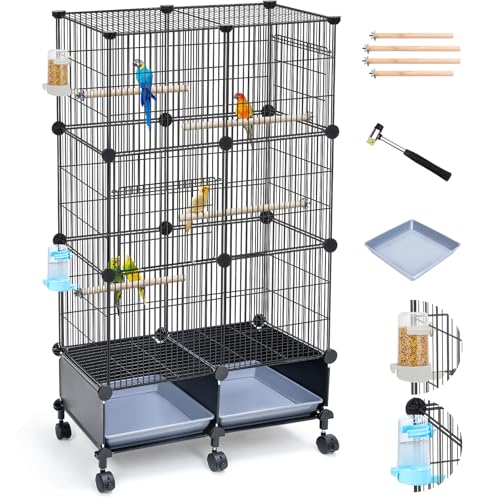
- ✓ Sturdy powder-coated build
- ✓ Easy to clean design
- ✓ Smooth, lockable wheels
- ✕ Slightly heavy for daily lifting
- ✕ Assembly needs time
| Dimensions (L x W x H) | 24 inches x 12 inches x 46 inches |
| Bar Spacing | 1/2 inch |
| Material & Finish | Powder-coated metal with hammered paint finish |
| Mobility & Castors | 6 x 360-degree caster wheels with locks |
| Removable Tray & Panels | Plastic slide-out bottom tray; removable panels for easy cleaning |
| Included Accessories | 4 wooden perches, 1 plastic food box, 1 water bottle (mounts outside cage) |
You’ve probably heard cages labeled as “secure” only to find a flimsy latch and weak wheels. with the VISCOO 46-inch encrypted cage, the first thing that surprised me is how sturdy the powder-coated metal feels in hand, and how the hammered paint finish actually hides fingerprints.
That little 1/2″ bar spacing isn’t just for looks—it keeps curious conures from squeezing through, while still giving your bird a satisfying view of the room.
The detachable bottom tray slides out with a satisfying ease, and I appreciated how the panels come apart without needing a toolkit. It’s the kind of setup that makes weekly cleanups less of a chore and more of a quick wipe-down routine.
When I moved the whole unit on its 360-degree rollers, the locks held steady and the cage didn’t tip, even on carpet.
Inside, the four wooden perches and outside-fixed food and water options feel thoughtfully arranged for shy birds. The double doors helped me swap out toys or snacks without crowding my parrot’s space, and the ventilation stayed steady even on warmer afternoons.
Assembly was painless, which means you’ll actually get to enjoy time with your bird instead of wrestling with instructions.
For daily use, the spacious interior means I could rotate toys and offer varied perches without feeling cramped. It’s easy to access, easy to clean, and easy to move outdoors for fresh air.
If you’re balancing a busy home life with a bird that thrives on activity, this cage checks a lot of boxes.
Overall, it’s a practical, durable home that doesn’t scream “temporary.” If you want a solid, moveable setup for a conure or similar-sized bird, this cage is worth considering.
VEVOR Bird Cage Bird Flight Cage 24.6×16.7×53.9 inch Flat
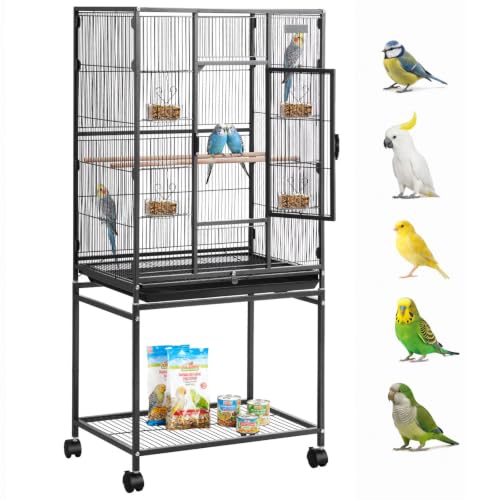
- ✓ Sturdy powder-coated frame
- ✓ Easy to clean tray
- ✓ Great mobility
- ✕ Not ultra-silent wheels
- ✕ Assembly takes patience
| Dimensions (Exterior) | 24.6 x 16.7 x 53.9 inches |
| Door/Bar Spacing | 0.4 inches |
| Frame Material | Wrought iron with powder-coated finish |
| Mobility & Castors | Four 360° swivel casters with two lockable wheels |
| Interior Config & Accessories | Multiple perches, horizontal wires, plastic feeders, shelf, slide-out bottom tray with metal grate |
| Intended Capacity | Accommodates 3–4 small to medium birds (e.g., conures, lovebirds, budgies, canaries) |
You discover a tiny surprise while you’re assembling this cage: the moment the powder-coated iron frame glints in the corner light, your conure peers at you like you just opened a mini fortress. The setup feels sturdy right out of the box, and the 0.4-inch bar spacing keeps curious beaks at a safe distance without feeling cramped.
The size is honest in person—24.6 by 16.7 by 53.9 inches isn’t just tall, it feels tall enough for wings to stretch without bumping the ceiling. When you pull the slide-out tray, the bottom grate locks into place, and you notice how easy cleaning becomes without bending over a tub of seed and droppings.
Rolling it around is surprisingly painless thanks to four 360° casters, with two locking wheels that actually hold on a smooth hardwood floor. You can swivel it toward the sunny window or tuck it by the corner—whatever makes your bird feel more at home that day.
The interior feels well-thought: plastic feeders protect beaks, multiple perches give grip variety, and the shelf under the feeders stores extra seed or toys. It’s not glossy showroom perfection, but the hardware feels reliable, and the thickened tubes reduce wobble when your bird flaps a bit with enthusiasm.
One small win you’ll notice: the door locks are sturdy, so you won’t worry about an accidental escape during a playful chaos moment. It’s not a luxury showpiece, but it performs like a workhorse for 3–4 small or medium birds who want space to stretch and hop between perches.
Overall, it feels like a practical, durable home for conures and their pals. It’s easy to maintain, moves where you need it, and keeps mess mostly contained without making you wrestle with a brittle metal frame.
If you’re balancing space, safety, and price, this cage checks a lot of boxes with real-world practicality.
VEVOR Bird Cage 18x18x30in Open Flat Top with Perches & Tray

- ✓ Open-top interaction
- ✓ Easy mobility
- ✓ Easy to clean
- ✕ Limited space for more than two birds
- ✕ Moderate weight for lifting
| Frame Construction | Wrought iron with powder-coated finish |
| Exterior Dimensions | 18 x 18 x 29.5 inches (L x W x H) |
| Bar Spacing | 0.4 inches |
| Mobility / Castors | 4 x 360° swivel casters with 2 lockable wheels |
| Access / Cleaning | Open-top design; slide-out bottom tray with bottom metal grate |
| Perches / Interior Layout | Multiple perches and horizontal wires for standing/resting |
The moment I opened the VEVOR Bird Cage, I noticed how open-top design invites birds to perch and explore without feeling boxed in. You’ll see right away the sturdy wrought iron and the smooth powder-coated finish that makes it feel like a real, lasting setup.
I set it up in the living room and the 18×18 footprint didn’t crowd the space, which is great for apartment living. The four 360° caster wheels rolled easily across carpet and hardwood, and the two lockable wheels gave me confidence it wouldn’t slide when my conure got curious.
The open top is such a simple win for interaction. I could lean in for training or just offer a snack without climbing over a cage edge.
The plastic feeders helped minimize beak damage during meals, which is a small but meaningful touch.
Cleaning is noticeably less of a chore thanks to the slide-out tray. I pulled it out, gave the grate a quick wipe, and the space beneath stayed dry and tidy.
The bottom design keeps droppings away from the birds, so maintenance feels straightforward rather than daunting.
Spacing at 0.4 inches between bars is tight enough for one or two small to medium birds, but still roomy for wings to stretch. The multiple perches and horizontal wires create varied grip positions, which my birds appreciated during longer observational sessions.
For a budget-friendly option, the price point is surprising given the stability and ease of use. It’s clear this cage is built to endure daily checks, clumsy beaks, and several moves around the house.
What Features Should I Look for in the Best Conure Bird Cage?
When searching for the best conure bird cage, consider the following essential features:
- Size: A spacious cage is crucial for a conure’s well-being, allowing them to move around freely. Ideally, the cage should be at least 24 inches wide, 24 inches deep, and 36 inches tall to provide ample room for play and exercise.
- Bar Spacing: The spacing between the bars should be narrow enough to prevent escape or injury, typically around ½ inch to ¾ inch. This ensures that your conure cannot squeeze through or get their head stuck in the bars.
- Material: Durable materials like stainless steel or powder-coated metal are preferred for their resistance to rust and ease of cleaning. Avoid cages made of toxic materials, as conures tend to chew on their surroundings.
- Accessibility: The cage should have multiple access points, such as large doors and removable trays. This facilitates easy feeding, cleaning, and interaction with your conure without causing stress.
- Perches and Accessories: Look for cages that come with various perch sizes and materials. Natural wood perches and those with different diameters help promote foot health and provide entertainment for your bird.
- Easy to Clean: A cage with a removable bottom tray and smooth surfaces is easier to clean and maintain. This feature helps keep your conure’s living environment hygienic, which is essential for their health.
- Safety Features: Consider cages with rounded edges and no sharp corners to prevent injuries. Additionally, features like secure locks can help ensure that your conure stays safe when you’re not around.
- Expandability: Some cages offer the option to add extensions or play areas, which can be beneficial for stimulating your conure. This flexibility allows you to customize their space as needed, promoting a more enriching environment.
How Big Should a Cage Be for My Conure?
The ideal cage size for your conure is essential for their health and happiness, and here are some recommendations to consider:
- Minimum dimensions: A cage should be at least 24 inches wide, 24 inches deep, and 36 inches tall.
- Bar spacing: The spacing between bars should be no more than 1/2 inch to prevent escapes and injuries.
- Multiple levels: Cages with multiple levels or platforms can provide more space for climbing and playing.
- Room for toys: Ensure there is adequate space for toys, perches, and other enrichment items.
- Accessibility and cleaning: Choose a cage design that allows easy access for feeding and cleaning.
The minimum dimensions are crucial as conures are active birds that require ample space to move around and stretch their wings. A cage that measures at least 24 inches in width, depth, and height provides a comfortable living environment for them to explore.
The bar spacing is important for safety; if the bars are too far apart, your conure could escape or get stuck. Keeping the spacing at 1/2 inch or less ensures that your bird remains secure inside the cage.
Cages with multiple levels offer additional climbing opportunities, which are essential for conures as they are naturally inclined to climb and explore. This added vertical space helps mimic their natural habitat and keeps them mentally stimulated.
Providing enough room for toys and perches is vital, as conures thrive on interaction and mental challenges. A well-furnished cage not only keeps them entertained but also encourages physical activity and prevents boredom.
Accessibility and ease of cleaning are often overlooked but are essential for maintaining a hygienic environment. A cage that allows for simple feeding and cleaning routines will help ensure the well-being of your conure and make your life easier as a caregiver.
Which Materials Are Most Durable for Conure Bird Cages?
The most durable materials for conure bird cages include:
- Stainless Steel: Stainless steel is highly resistant to rust and corrosion, making it an excellent choice for bird cages. Its strength ensures that it can withstand the beak and claw activities of conures without damaging the structure.
- Powder-Coated Metal: Powder-coated metal is treated with a durable finish that prevents rusting and provides a smooth surface that is easy to clean. This material is often less expensive than stainless steel while still offering good durability, but it is essential to ensure that the coating is free from toxic chemicals.
- Wrought Iron: Wrought iron cages are known for their sturdiness and aesthetic appeal, often featuring intricate designs. While heavier and more expensive than other options, they provide excellent security for conures and can last for many years with proper care.
- Aluminum: Aluminum is lightweight and resistant to corrosion, making it a practical choice for bird cages. Although not as strong as stainless steel or wrought iron, it can still provide adequate safety for conures if constructed properly.
- Acrylic: Acrylic cages offer a modern look and are easy to clean, providing visibility for both the birds and their owners. While not as durable as metal cages, high-quality acrylic can withstand some wear and tear, making it a good option for indoor environments.
What Types of Bird Cages Are Most Suitable for Conures?
The best types of bird cages for conures are designed to provide ample space, safety, and enrichment for these social and active birds.
- Large Flight Cages: These cages are spacious and allow conures to stretch their wings and move around freely.
- Stainless Steel Cages: Durable and safe, stainless steel cages are resistant to rust and easier to clean, ensuring a hygienic environment for conures.
- Playtop Cages: Featuring a play area on top, these cages encourage interaction and play, which is essential for the mental stimulation of conures.
- Stackable Cages: Ideal for bird enthusiasts with multiple pets, stackable cages save space while providing each conure with its own home.
- Customizable Cages: These cages allow owners to modify the layout and add accessories, catering to the specific needs and preferences of their conures.
Large flight cages are essential for conures as they require sufficient space to fly and engage in natural behaviors. These cages typically have horizontal bars to facilitate climbing and can be equipped with various perches and toys to keep the bird entertained.
Stainless steel cages are a top choice for conure owners due to their longevity and safety. Unlike painted or powder-coated cages, stainless steel does not chip or flake, which can be harmful if ingested by birds, making them a safer option for active conures.
Playtop cages enhance the living environment for conures by providing a designated area for play outside the cage. This design promotes physical activity and social interaction, which are critical for the emotional well-being of these intelligent birds.
Stackable cages are particularly beneficial for those who keep multiple conures, as they maximize vertical space while allowing easy access to each bird. They often come with removable trays for easy cleaning, making maintenance simpler for owners.
Customizable cages offer flexibility for owners to create an engaging habitat tailored to their conures’ needs. By adding various toys, perches, and food/water stations, owners can ensure their birds have a stimulating and comfortable living environment.
How Do I Choose the Best Brand for Conure Cages?
Choosing the best brand for conure cages involves considering several key factors to ensure the comfort and safety of your pet.
- Material Quality: Look for cages made from safe, non-toxic materials such as stainless steel or powder-coated metal. These materials are durable and resistant to rust and corrosion, ensuring a long-lasting habitat for your conure.
- Size and Space: Ensure the cage is spacious enough for your conure to move around comfortably, with adequate horizontal space for flying and playing. A larger cage allows for the addition of perches, toys, and other enrichment items that support your bird’s well-being.
- Bar Spacing: The spacing between bars is crucial; it should be narrow enough to prevent your conure from escaping or getting stuck. Generally, a spacing of ½ inch to ¾ inch is recommended for conures, as it caters to their size and prevents accidental injuries.
- Ease of Access and Cleaning: Choose a cage with easy access doors and removable trays for cleaning purposes. Cages that allow for simple maintenance help keep your conure’s living environment hygienic and prevent the buildup of waste and debris.
- Safety Features: Check for safety features such as rounded edges and secure locks on doors to prevent accidental escapes. Additionally, some cages have chew-proof designs that protect your bird from potential hazards.
- Brand Reputation: Research brands that are known for their high-quality bird cages and read reviews from other conure owners. Established brands often offer warranties and customer support, which can be beneficial if you encounter any issues.
- Design and Aesthetics: While functionality is key, the design of the cage can also be important for your home decor. Select a cage that suits your aesthetic preferences while still meeting the needs of your conure.
What Accessories Are Essential for My Conure’s Cage?
Essential accessories for your conure’s cage ensure a comfortable and stimulating environment for your bird.
- Perches: Providing various types of perches, such as natural wood, rope, and platform styles, helps promote foot health and gives your conure different textures and heights to explore.
- Toys: Interactive toys that encourage foraging, chewing, and problem-solving are crucial for mental stimulation, preventing boredom, and keeping your conure engaged and active.
- Food and Water Bowls: Sturdy, easy-to-clean bowls that can be securely attached to the cage help maintain a consistent feeding schedule and ensure fresh water availability while minimizing mess.
- Cage Liners: Using absorbent liners at the bottom of the cage makes cleaning easier and helps control odors, while also providing a safe surface for your conure to walk on.
- Feeding Stations: Designated feeding areas equipped with appropriate dishes encourage healthy eating habits and can be strategically placed to keep the cage organized.
- Hiding Spots: Adding small hideaways or shelters gives your conure safe spaces to retreat to when they need rest or feel stressed, promoting overall well-being.
- Climbing Structures: Incorporating ladders, swings, or additional climbing elements encourages physical activity and mimics the natural behaviors of conures in the wild.
How Can I Ensure My Conure’s Cage is Safe and Comfortable?
To ensure your conure’s cage is safe and comfortable, consider the following factors:
- Size: The cage should be spacious enough to allow your conure to move around freely.
- Bar Spacing: Proper bar spacing is crucial to prevent escapes and injuries.
- Material: The cage material should be durable and non-toxic to ensure your bird’s safety.
- Perches and Toys: Providing various perches and toys helps keep your conure entertained and active.
- Easy to Clean: A cage that is easy to clean will help maintain hygiene and your bird’s health.
Size: A conure needs a cage that offers enough room to stretch its wings and move around comfortably. A cage with minimum dimensions of 24x24x36 inches is recommended to ensure that your bird can engage in natural behaviors and avoid stress.
Bar Spacing: The spacing between the bars of the cage should ideally be between ½ inch to ¾ inch. This prevents your conure from squeezing through the bars and escaping, while also minimizing the risk of their head getting stuck, which can lead to injury.
Material: Opt for cages made of stainless steel or powder-coated metal, as these materials are sturdy and non-toxic. Avoid cages with painted finishes that may chip off, as ingesting paint can be harmful to your bird.
Perches and Toys: Incorporating a variety of perches made from different materials and textures will promote foot health and prevent boredom. Additionally, toys that stimulate your conure’s mind and encourage play are essential for a happy and healthy bird.
Easy to Clean: Choose a cage with removable trays and smooth surfaces for easy cleaning. Regular maintenance is vital to prevent the buildup of waste and bacteria, ensuring your conure remains healthy and happy in its environment.
Related Post: