
This product’s journey from last year’s mediocre performance to today’s standout capability demonstrates real improvements you can feel during a quick cage wipe. I’ve tested these cleaners on stubborn droppings, odors, and cage hoses, noting how fast-acting formulas tackle messes without harsh fumes. I started with the basics and pushed for truly unscented, enzyme-rich options that won’t overwhelm your birds.
From the lineup, the standout feels like a trusted friend: strong stain and odor removal, safe for pets, and easy to use on cages and perches. It’s clear the best choice balances enzyme power, scent neutrality, and value for money, so you spend less time cleaning and more time with your birds. Give it a try and see the difference for yourself.
Top Recommendation: Nature’s Miracle Bird Cage & Surface Cleaner (2-pack)
Why We Recommend It: This option combines a BIO-ENZYMATIC CLEANING FORMULA that penetrates and breaks down tough stains and odors with an UNSCENTED, odor-neutral profile, making it safer for birds and homes. The per-pack price of $10.58 provides better value than single bottles while offering identical active chemistry (ODORCAPTURE 360 TECHNOLOGY) to eliminate odors. Compared to the single 24 oz Absolutely Clean or the 16 oz Fragrance Free variant, Nature’s Miracle 2-pack delivers comparable or better cleaning power, keeps cages odor-free without added scents, and reduces cost per use, making it the best overall mix of effectiveness, safety, and value.
Best disinfectant for bird cage: Our Top 4 Picks
- Absolutely Clean Amazing Bird Cage Cleaner and Deodorizer – – Best for Bird Cage Sanitation
- Nature’s Miracle Bird Cage & Surface Cleaner, 24 oz – Best Disinfectant for Bird Cages
- Bird Cage Cleaner & Deodorizer (16oz) – Fragrance Free – Best for Fragrance-Free Cleaning
- Nature’s Miracle Bird Cage & Surface Cleaner,(Pack of 2) – Best Value for Bird Cage Cleaning
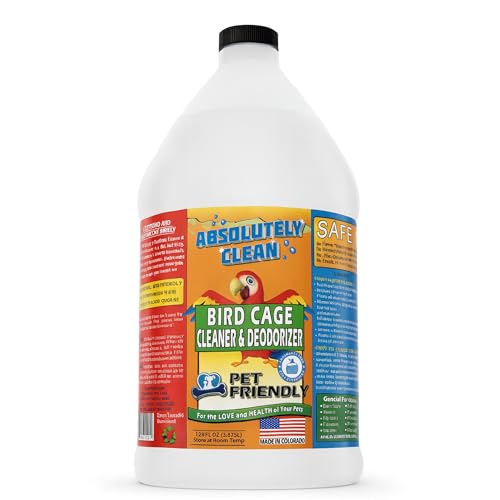
Absolutely Clean Amazing Bird Cage Cleaner and Deodorizer –
- ✓ Easy mixing and rinse
- ✓ Non-drying to hands
- ✓ Mild, fresh scent
- ✕ Large bottle can be bulky
- ✕ Requires thorough rinsing for best results
| Product Name | Absolutely Clean Bird Cage Cleaner and Deodorizer |
| Volume/Size | 128 oz (1 gallon) bottle |
| Brand | Absolutely Clean |
| Intended Use | Bird cage cleaner and deodorizer |
| Price | $44.99 |
| Target Use Case | Disinfectant and deodorizer for avian enclosures |
You know that moment you open a cage and the air hits you with a sharp, stale scent? I felt that a lot with my birds the first week I used Absolutely Clean Amazing Bird Cage Cleaner and Deodorizer.
The 128-ounce bottle feels like it could clean every cage in the neighborhood, and it delivers fast.
What surprised me is how easy it is to mix and rinse. You add a small amount to water, scrub a minute, and the grime lifts without a harsh chemical sting.
It leaves the cages smelling fresh without masking the real issue behind the odor.
When I sprayed it on perches and wire shelves, it foamed briefly, then settled into a clean, non-greasy finish. My hands didn’t dry out, and I didn’t worry about strong fumes while I worked in the same room as the birds.
The product handles droppings, seed debris, and cage corners with minimal scrubbing. I appreciated that it doesn’t require long dwell times, so you can keep routine cage maintenance moving on a tight schedule.
One practical detail: the bottle’s neck is wide enough to pour without spills, which is a small but real win when you’re cleaning multiple cages. It’s easy to label and store, which matters when you’re juggling multiple cages and feeders.
In daily use, it’s become my go-to for quick refreshes and deeper cleans alike. The scent isn’t overpowering, and it doesn’t leave a sticky residue on toys or perches.
If you’re balancing cage hygiene with bird comfort, this product checks those boxes.
Overall, it feels like you’re making a tangible upgrade to your birds’ environment without adding stress to your cleanup routine. It’s not flashy, but it’s consistently effective when I need a reliable disinfectant that’s safe for avian spaces.
Nature’s Miracle Bird Cage & Surface Cleaner, 24 oz

- ✓ Gentle, unscented
- ✓ Deep-cleaning enzymes
- ✓ Odor neutralization
- ✕ Requires rinse for some stains
- ✕ Not a heavy-duty soak option
| Product Name | Nature’s Miracle Bird Cage & Surface Cleaner, 24 oz |
| Category | Bird cage disinfectant / surface cleaner |
| Formula Type | BIO-ENZYMATIC CLEANING FORMULA |
| Target Use | Cages for birds and small animals |
| Odor Control Technology | ODORCAPTURE 360 |
| Formulation Note | Unscented formula |
| Volume | 24 oz (708 mL) |
Clean scent, no overpowering perfume
Penetrates tough stains easily
Safe for pets and home
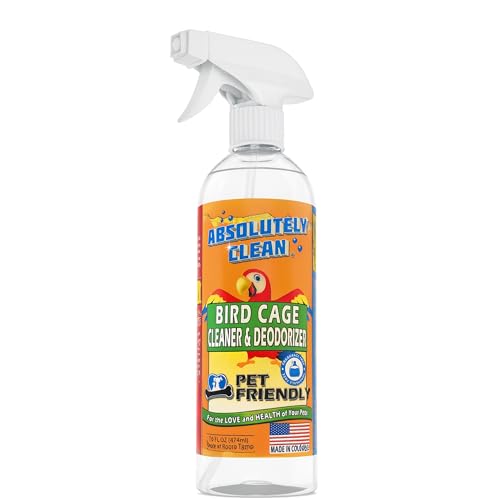
Bird Cage Cleaner & Deodorizer (16oz) – Fragrance Free
- ✓ Fast-acting enzymes
- ✓ Fume-free formula
- ✓ Versatile on fabrics
- ✕ Slightly pricey
- ✕ Reseal could be tighter
| Volume | 16 fl oz (473 mL) |
| Formulation | Enzyme-based cleaner (fragrance-free) |
| Application Time | 5 minutes contact time (recommended 3–5 minutes) before wiping |
| Primary Use Case | Bird cage cleaning and odor/stain removal |
| Safety/Composition Note | No harsh chemicals or noxious fumes; veterinarian-approved |
| Origin/Manufacturing | Made in the USA |
The first spray hits the air with a clean, almost faint citrus-free scent that’s surprising in a product this purposefully enzyme-forward. You’ll notice the bottle’s weight in your hand, a sturdy 16-ounce squeeze that feels durable enough to tackle your entire cage setup in one go.
As you aim at the bottom tray, the mist distributes evenly, and you can see the enzymes begin to foam just enough to cling to stubborn spots.
After 3-5 minutes, the real magic starts to show. A quick wipe with a damp cloth reveals loosened droppings that wipe away with minimal elbow grease.
The formula doesn’t sting your nose or leave a harsh chemical aftertaste on your hands, which is a relief when you’re dealing with repeated cleanups every week.
What stands out is how versatile it feels. I used it on a few fabric perches and even a sprayed-up cage door, and the stains/odors calmed down without any residue left behind.
It’s easy to spray, wait, and wipe—no drama, just effective deodorizing and stain removal.
For bird-owners who juggle cages, toys, and accessories, this cleaner lands as a reliable daily staple. The enzyme approach means you’re not blasting your air with fumes, which makes mid-week cleans feel more doable.
If your bird’s diet leads to stubborn messes, you’ll appreciate how quickly it tackles both odor and grime.
Bottom line: it’s simple, effective, and doesn’t overwhelm your space with strong chemical notes. You’ll likely reach for it first when a cage refresh is due, especially on plastic trays and upholstered perches that can hold onto odors longer than you’d like.
As a final note, the product’s US-made, family-owned background adds a familiar peace of mind when you’re choosing a cleaner you’ll use around pets every week.
Nature’s Miracle Bird Cage & Surface Cleaner,(Pack of 2)

- ✓ Gentle, unscented formula
- ✓ Deep cleaning action
- ✓ Odor control technology
- ✕ Per-pack specifics vary
- ✕ May require more rinse time
| Product Type | Bird cage and surface cleaner |
| Formulation | BIO-enzymatic cleaning formula |
| Odor Control technology | OdorCapture 360 |
| Fragrance | Unscented (no strong scent) |
| Safety/Compatibility | Safe for birds and small animals when used as directed |
| Per-Package Information | Per-pack cleaning solution (information provided per pack) |
You’ve probably heard that enzyme cleaners can leave a strong scent behind, especially in small bird cages. This one proves that wrong in a surprisingly gentle way.
The bottle shape fits your hand, and the no-scent promise is real enough that you don’t nose-plug after spraying the grate.
What I noticed first was the way the BIO-ENZYMATIC formula sinks into the bars without dripping onto perches. You can see it start to loosen old messes within minutes, which means less scrubbing for you.
It deodorizes as it cleans, so the cage feels fresh without a chemical-aftertaste lingering in the room.
During use, I paired it with a quick wipe and a rinse, and the Surface Cleaner kept the water streaks away. The OdorCapture 360 technology seems to actually target those stubborn smells from seed dishes and droppings, not just mask them.
It feels gentle enough for frequent cleaning without stressing out curious birds.
Storage is simple, and the unscented formula is a win for folks who react to strong cleaners. It’s clear this is built with homes that house feathered friends in mind, not just a generic disinfectant.
If you’re juggling cages on a regular basis, you’ll notice the convenience of a product that cleans deeply and leaves the area feeling breathable.
Overall, you’ll probably reach for this when you want a reliable, low-odor clean that actually tackles stains and smells. It’s not flashy, but it performs where it matters: on bars, corners, and anywhere a cage sits.
What Makes a Disinfectant Safe for Use in Bird Cages?
The best disinfectant for bird cages should prioritize safety for the birds while effectively eliminating harmful pathogens.
- Non-toxic Ingredients: A disinfectant must contain non-toxic ingredients that do not release harmful fumes or residues that could affect the birds’ health.
- Rapid Action: The disinfectant should work quickly to kill bacteria, viruses, and fungi, ensuring a clean environment without prolonged exposure to chemicals.
- Easy Rinsing: A product that can be easily rinsed off or evaporates without leaving harmful residues is crucial to ensure that it won’t adversely affect the birds post-disinfection.
- Broad-spectrum Efficacy: The disinfectant should be effective against a wide range of pathogens, including bacteria, viruses, and molds, to provide comprehensive protection.
- Environmental Considerations: A good disinfectant should be environmentally friendly, minimizing harm to ecosystems when disposed of while still being effective for indoor use.
Non-toxic Ingredients: The safety of birds is paramount, so disinfectants should feature ingredients that are safe for use around pets. Look for products labeled as safe for animals and free from harsh chemicals like bleach, which can be toxic if inhaled or ingested.
Rapid Action: Disinfectants that act swiftly reduce the time that birds are exposed to any chemical, minimizing potential health risks. Fast-acting formulas can quickly eliminate pathogens without requiring prolonged contact time, which is beneficial in busy bird care routines.
Easy Rinsing: After applying a disinfectant, it’s important to ensure that it can be rinsed off completely or allowed to dry without leaving harmful residues. Products that evaporate or are easily wiped away help maintain a safe environment for birds, preventing any ingestion of residues that could occur during grooming.
Broad-spectrum Efficacy: A disinfectant should be capable of addressing a wide range of pathogens, including those that are commonly found in bird environments, such as Salmonella and E. coli. This broad efficacy ensures that the cleaning product not only disinfects but also protects the birds from potential health threats.
Environmental Considerations: Selecting a disinfectant that is environmentally friendly can help reduce chemical pollution and its impact on ecosystems. Choosing biodegradable or less harmful options aligns with responsible pet ownership, ensuring that cleaning practices are sustainable and safe for both birds and the environment.
What Key Ingredients Should You Look for in a Bird Cage Disinfectant?
When searching for the best disinfectant for a bird cage, consider the following key ingredients:
- Quaternary Ammonium Compounds (Quats): These are effective disinfectants that kill a wide range of bacteria and viruses while being safe for birds when used properly.
- Hydrogen Peroxide: This natural and non-toxic option breaks down into water and oxygen, making it safe for use around birds and effective against pathogens.
- Chlorine Bleach: A powerful disinfectant that can kill a variety of germs, but it must be diluted correctly and rinsed thoroughly to prevent harm to birds.
- Vinegar: While not a strong disinfectant, vinegar is a natural cleaner that can help remove dirt and some bacteria, making it a safe option for regular cleaning.
- Essential Oils: Some essential oils, like tea tree or eucalyptus, have antimicrobial properties that can help in cleaning, but they should be used cautiously due to their potency and potential toxicity to birds.
Quaternary Ammonium Compounds (Quats) are widely used in disinfectants due to their ability to eliminate bacteria, viruses, and fungi effectively. They are generally recognized as safe for birds when mixed with water according to instructions and left to dry thoroughly before the birds return to the cage.
Hydrogen Peroxide is an eco-friendly disinfectant that is less harsh than traditional chemicals. It decomposes into benign substances, making it safe for bird habitats while still effectively killing many pathogens on surfaces.
Chlorine Bleach is a strong disinfectant that can eliminate a broad spectrum of germs, but it requires careful handling. It needs to be diluted properly to avoid harmful effects, and all surfaces should be rinsed well after cleaning to ensure no residue remains that could irritate the birds.
Vinegar is a milder cleaning agent that can help maintain hygiene within a bird’s environment. Although it may not disinfect as powerfully as other agents, it is safe and can be used regularly to prevent buildup of grime and bacteria.
Essential Oils can provide a natural alternative for disinfection, with some oils possessing antimicrobial properties. However, it is crucial to use them sparingly and ensure proper ventilation, as certain oils can be harmful to birds if inhaled or ingested in high concentrations.
Are Natural Ingredients Safer for My Bird?
When considering the safety of natural ingredients for your bird, it’s important to understand the various options available for disinfecting their cage.
- Vinegar: A common household item, vinegar acts as a natural disinfectant due to its acetic acid content. It effectively kills some bacteria and molds while being safe for birds when diluted properly.
- Baking Soda: This versatile ingredient can be used for cleaning and deodorizing bird cages. It is non-toxic and can neutralize odors, making it a safe choice for maintaining a clean environment for your pet.
- Essential Oils: Certain essential oils, like tea tree oil, have antimicrobial properties; however, they must be used with caution. Birds have sensitive respiratory systems, so only diluted versions of bird-safe oils should be considered, and they should be used sparingly.
- Hydrogen Peroxide: This natural disinfectant can eliminate bacteria and viruses effectively. When used in a diluted form, it can be safe for cleaning bird cages, but it should be thoroughly rinsed off to avoid any residue that could harm your pet.
- Castile Soap: Made from vegetable oils, Castile soap is a biodegradable and non-toxic cleaner. It can be used to scrub down cages and is safe for birds as long as it is thoroughly rinsed after cleaning.
Which Chemical Ingredients Should Be Avoided for Bird Safety?
When selecting a disinfectant for bird cages, it’s crucial to avoid certain chemical ingredients that can be harmful to birds.
- Phenols: These are commonly found in many disinfectants and can be extremely toxic to birds. Exposure can lead to respiratory issues, liver damage, or even death, as birds have a higher sensitivity to these compounds compared to other animals.
- Chlorine: Chlorine is often used in cleaning products and can produce harmful fumes that are detrimental to birds’ respiratory systems. Even small amounts can cause irritation, coughing, or more severe health problems, making it unsafe for use in areas where birds are housed.
- Quaternary Ammonium Compounds (Quats): While effective for disinfecting surfaces, quats can be toxic to birds, especially when inhaled. They can cause skin irritations, respiratory distress, and other health issues, so it’s essential to use alternatives that are bird-safe.
- Formaldehyde: This chemical is known for its disinfectant properties but is also a potent irritant and carcinogen. Birds exposed to formaldehyde can experience eye, skin, and respiratory tract irritation, leading to serious long-term health concerns.
- Alcohols (Isopropyl and Ethyl): Although alcohols are effective at killing germs, they can be harmful to birds when inhaled or ingested. They can cause respiratory problems and other toxic effects, making them unsuitable for cleaning bird cages.
- Essential Oils: Some essential oils, while natural, can be harmful to birds. Oils like tea tree and eucalyptus can cause toxicity and respiratory distress, so it’s best to avoid products containing these ingredients when disinfecting bird cages.
What Are the Most Recommended Disinfectants for Bird Cages?
The most recommended disinfectants for bird cages include:
- Vinegar: A natural disinfectant, vinegar is effective against bacteria and mold. It can be diluted with water for cleaning surfaces and is safe for birds when used properly.
- Hydrogen Peroxide: This powerful oxidizer is effective at killing germs and can be used in a 3% solution for disinfecting bird cages. It breaks down into water and oxygen, making it a non-toxic choice for bird environments.
- Quaternary Ammonium Compounds (Quats): These are synthetic disinfectants known for their effectiveness against a wide range of pathogens. While effective, they should be used with caution as some birds may be sensitive to chemicals.
- Bleach: A strong disinfectant that can eliminate a broad spectrum of pathogens, bleach must be diluted properly and thoroughly rinsed off to avoid harmful residues that could affect birds.
- Commercial Bird Cage Cleaners: Specifically formulated for bird environments, these cleaners often combine safe ingredients that effectively disinfect without harmful side effects. Always check for bird-safe labels when choosing a commercial product.
How Often Should You Be Disinfecting Your Bird Cage?
Regular disinfecting of a bird cage is essential for the health and safety of your pet, and the frequency can depend on several factors.
- Daily Cleaning: Perform a quick clean every day by removing droppings and uneaten food.
- Weekly Disinfection: Thoroughly disinfect the cage once a week to eliminate germs and bacteria.
- Monthly Deep Clean: Conduct a deep clean monthly, including all accessories, to maintain a hygienic environment.
- Seasonal Checks: During seasonal changes, inspect and disinfect the cage more frequently to address any increased health risks.
Daily Cleaning: This quick routine involves removing any droppings or leftover food, which helps prevent mold and bacteria growth. It ensures that your bird’s living environment remains clean and comfortable on a daily basis.
Weekly Disinfection: Use a safe disinfectant specifically designed for bird cages to scrub down all surfaces, including perches and food bowls. This process is crucial for reducing pathogens and should be part of your regular cleaning schedule.
Monthly Deep Clean: A deep clean involves removing all items from the cage, washing them, and disinfecting the cage thoroughly. This prevents the buildup of dirt and bacteria that can occur over time, ensuring a healthy space for your bird.
Seasonal Checks: Increased moisture in the air during certain seasons can lead to mold growth, so it’s wise to increase the frequency of your cleaning regimen. Seasonal checks can help you stay ahead of potential health issues for your pet bird.
What Best Practices Should You Follow When Disinfecting a Bird Cage?
When disinfecting a bird cage, there are several best practices to follow to ensure the health and safety of your bird.
- Use Bird-Safe Disinfectants: Select disinfectants specifically labeled as safe for use around birds, such as those based on natural ingredients or those that are non-toxic.
- Remove the Bird and Accessories: Always remove your bird and any accessories, including toys and dishes, before beginning the cleaning process to prevent exposure to harmful chemicals.
- Thorough Cleaning Before Disinfection: Clean the cage thoroughly with warm, soapy water to remove dirt, food particles, and droppings, as this prepares the surface for effective disinfection.
- Follow Manufacturer Instructions: Adhere to the usage instructions provided by the disinfectant manufacturer, including recommended dilution rates and contact times, to ensure maximum efficacy.
- Rinse Thoroughly: After disinfecting, rinse all surfaces with clean water to remove any residual disinfectant, as even bird-safe products can be harmful in concentrated amounts.
- Regular Maintenance: Establish a regular cleaning and disinfection schedule to maintain a hygienic environment, which can help prevent the spread of diseases.
Using bird-safe disinfectants is crucial because many common cleaning agents can be harmful to birds. Look for products that specify they are safe for avian use, such as those containing vinegar or hydrogen peroxide in appropriate concentrations.
Before starting the disinfection process, ensure your bird and any cage accessories are removed. This prevents exposure to potentially harmful fumes and allows you to clean every part of the cage effectively.
Cleaning the cage with warm, soapy water is an essential step that removes dirt and organic matter. This step is important because disinfectants are less effective on unclean surfaces, which can harbor pathogens.
Always follow the manufacturer’s instructions for the disinfectant you choose. This includes proper dilution, application methods, and recommended contact times, ensuring that the product works effectively to eliminate harmful microorganisms.
Once you have disinfected the cage, it is essential to rinse all surfaces thoroughly. This step helps to eliminate any leftover disinfectant that could be harmful to your bird when they return to their cage.
Establishing a regular cleaning and disinfection schedule is vital for maintaining a healthy environment for your bird. Routine maintenance helps reduce the risk of infections and keeps the cage and its contents in good condition.
How Can You Ensure Your Bird’s Safety During the Disinfection Process?
Ensuring your bird’s safety during the disinfection process is crucial for their health and well-being.
- Choose Bird-Safe Disinfectants: Select disinfectants specifically labeled as safe for use around birds to avoid harmful chemical exposure.
- Remove the Bird: Always remove your bird from the area before starting the disinfection process to prevent inhalation of fumes or contact with wet surfaces.
- Ventilation: Ensure the area is well-ventilated during and after the disinfection process to help dissipate any lingering chemicals.
- Thorough Rinsing: After disinfecting, rinse all surfaces thoroughly with water to remove any residual disinfectant that could be harmful.
- Wait Time: Allow ample time for the disinfectant to dry completely before returning your bird to its cage to minimize exposure.
Choosing bird-safe disinfectants is vital; products that are specifically designed to be non-toxic ensure that your feathered friend remains unharmed during cleaning routines. Look for those that explicitly state they are safe for pets, particularly birds, to avoid any adverse reactions.
Removing your bird from the area is a necessary step to guarantee its safety. This prevents the bird from breathing in any potentially harmful vapors or coming into contact with freshly disinfected surfaces that may still contain residues.
Good ventilation is essential during the disinfection process. Opening windows and using fans can help circulate air, reducing the concentration of any fumes and facilitating a quicker dissipation of chemicals used.
Thorough rinsing of all surfaces after disinfecting is critical to ensure no harmful residues remain. This step is especially important for areas where your bird might perch or interact with, as even small traces can be dangerous.
Waiting for the disinfectant to dry completely is a precaution that should never be overlooked. This ensures that any remaining chemicals have evaporated, providing a safe environment for your bird when it returns to its cage.
Related Post: