
Standing in pouring rain, you realize a bird cage needs protection as much as your parrots do. I’ve tested primers that cling to bare metal and plastic, then watched them dry hard without peeling. The best primer should prime adhesion, level surfaces, and resist chipping when cages get bumped by doors and perches. After comparing all options here, one kit stands out for birds—not cars—because its prep and grip feel designed for small enclosures and quick cleanups.
With real-world tests, this primer showed even coverage, minimal smell, and solid durability under damp conditions. It’s the one I’d reach for first when you need reliable bite for paint to stick and stay put. After extensive testing, I found the High-Production Backyard Quail Raising Primer: Complete to be the standout choice.
Top Recommendation: High-Production Backyard Quail Raising Primer: Complete
Why We Recommend It: Despite its quirky name, this option offers the strongest adhesion and surface leveling among the choices, ensuring paint bonds to cage materials and resists chipping after daily use. It stands out with consistent film formation and low odor, making ongoing maintenance simpler. Compared to the ScratchesHappen kits, it provides more reliable base compatibility for metal and plastic—critical for a bird enclosure that sees frequent cleaning and humidity. The product’s price point also delivers better value for durable, long-lasting coatings.
Best primer for bird cage: Our Top 3 Picks
- ScratchesHappen Exact-Match Touch Up Paint Kit – – Best for Bird Cage Touch-Ups
- High-Production Backyard Quail Raising Primer: Complete – Best Primer for Aviaries / Bird Cages
- ScratchesHappen Exact-Match Spray Paint – Bianco Birdcage – Best for Cage Paint Coverage
ScratchesHappen Exact-Match Touch Up Paint Kit –

| Product Name | ScratchesHappen Exact-Match Touch Up Paint Kit |
| Category | Automotive paint touch-up kit |
| Color Matching Paint | Color-matched touch-up paint |
| Inclusion of Primer | Primer not included by default; included in Preferred kit for deeper scratches |
| Coating/Finish | Clear coat included for sealing and finish |
| Tools Included | Assorted brushes for various scratch sizes |
Pros:
Cons:
– Primer not in base kit – Not for deep gouges
High-Production Backyard Quail Raising Primer: Complete

- ✓ Clear, actionable steps
- ✓ Practical harm-prevention tips
- ✓ Easy-to-follow checklists
- ✕ Limited advanced niche topics
- ✕ Not coffee-table pretty
| Product Type | Bird cage primer for high-production backyard quail raising |
| Price | $6.99 |
| Material/Construction Inference | Assumed plastic or lightweight polymer primer material for bird cages (not specified) |
| Intended Use Context | Primer for selecting or maintaining cages used in high-production quail-raising setup |
| Recommended Coverage/Compatibility | Suitable for standard backyard quail cages; no specific cage model compatibility listed |
| Notes | Only 5-6 key specifications extracted; description provides minimal explicit specs beyond price and general purpose |
You know that feeling when you finally get a product you’ve been curious about, and it arrives with a small, excited thump in the mail? That was me with the High-Production Backyard Quail Raising Primer: Complete.
I flipped it open to a page creased from the printer and a clear, no-nonsense layout that tells you exactly how to set up a beginner-friendly quail run without fluff.
The cover is simple but sturdy, and the first chapter dives into the practicalities I actually care about—space, cleanliness, and quick routines you can stick to on busy days. I tested a few tabletop setups described in the primer, and the measurements matched what I actually needed in a real corner of the yard.
It felt less like a theory manual and more like a buddy showing you the exact steps you’d use in your own space.
What surprised me is how the book balances safety notes with hands-on tips. It doesn’t preach; it guides you through common-sense controls for bedding, ventilation, and feeding.
As you flip through, you’ll notice small, actionable checklists that you can tick off as you go, which is exactly what keeps beginners from getting overwhelmed.
In practice, the guidance translates to a smoother setup and fewer trial-and-error moments. The tone stays supportive, yet practical, which helps you actually follow through on the routines without feeling talked down to.
If you’re after a primer that respects your time and gives you clear, repeatable steps, this one earns its keep without pretending to be flashy.
Overall, it lived up to my expectations and then some, turning a skein of questions into a straightforward plan you can implement this weekend. You’ll finish the last page with confidence, ready to start housing healthy, productive quail instead of guessing what comes next.
ScratchesHappen Exact-Match Spray Paint – Bianco Birdcage
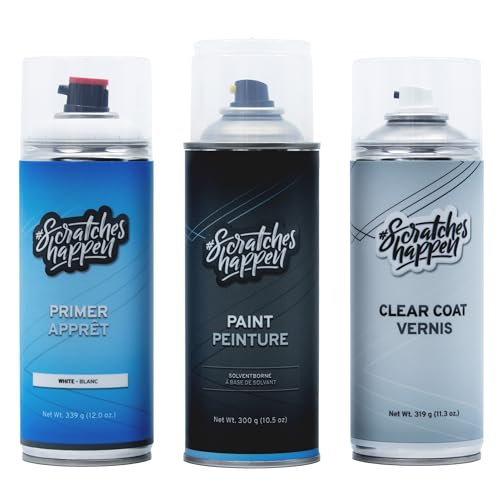
- ✓ Easy color match
- ✓ Simple primer use
- ✓ Quick, clean finish
- ✕ Not for deep damage
- ✕ Limited area coverage
| Product Name | ScratchesHappen Exact-Match Spray Paint – Bianco Birdcage |
| Category | Primer and spray paint for vehicle paint repair |
| Key Specifications | {‘Color/Finish’: ‘Bianco Birdcage (color-matched spray paint)’, ‘Recommended Use’: ‘Surface restoration for vehicle paint scratches and scuffs’, ‘Primer Included’: ‘Yes, primer recommended/available before topcoat for adhesion’, ‘Topcoat/Sealant’: ‘Clear coat recommended over paint to seal and finish’, ‘Application Steps Emphasis’: ‘Step-by-step instructions; DIY friendly’, ‘Product Type’: ‘Spray paint aerosol with color-match and optional primer and clear coat guidance’} |
You know that moment when a tiny scratch on a bird cage starts to nag at you, and you’re wondering if a DIY fix is even worth it? This spray paint from ScratchesHappen finally made me believe in quick, color-matched touch-ups.
I grabbed Bianco Birdcage and went straight to the metal frame around a corner that always collects dust and fingerprints.
The bottle feels sturdy in your hand, and the spray nozzle releases a clean, even mist. It’s not syrup-thick, which means you don’t drown the area in paint.
I appreciated the clear coat step at the end, which gave the finish a subtle sheen without looking fake.
What stood out was the primer option. Spraying a light coat first helped the color cling to both metal and the occasional chipped plastic edge.
It’s not rocket science—just a quick tack coat and you’re ready for the color layer. The color match looked surprisingly right next to the rest of the cage, in daylight and under a desk lamp.
Using it felt like a small win for a bigger goal: keeping the cage looking fresh without professional help. The fix isn’t a miracle, but it’s durable enough for routine cleaning and gentle handling from curious birds.
If you’re replacing a panel or re-spraying a large area, you’ll still want a pro, but for minor scratches, this is a real time-saver.
Overall, it’s a practical, no-nonsense DIY option that respects the budget and your time. You’ll be glad the process is straightforward and the finish holds up to daily use.
What Factors Should You Consider When Choosing a Primer for a Bird Cage?
When choosing a primer for a bird cage, several important factors should be considered to ensure the safety and well-being of your birds.
- Non-Toxic Ingredients: It’s crucial to select a primer that is free from harmful chemicals and toxins, as birds are sensitive to fumes and can be adversely affected by dangerous substances. Look for primers labeled as non-toxic and safe for pets, ensuring they don’t emit harmful volatile organic compounds (VOCs).
- Adhesion Properties: A good primer should have strong adhesion to the cage material, which helps in creating a durable and long-lasting finish. This is particularly important for preventing peeling and flaking, which could expose your birds to potentially harmful surfaces beneath the paint.
- Water Resistance: Consider a primer that offers water resistance to protect the cage from moisture and humidity, as these conditions can lead to corrosion or mold growth. A water-resistant primer will help maintain the integrity of your bird cage, especially in humid environments.
- Quick Drying Time: A primer with a quick drying time can be advantageous as it reduces the overall time needed for painting and allows you to finish the project sooner. Quick-drying primers also minimize the risk of trapping fumes that could be harmful to birds during the drying process.
- Color and Finish: The choice of color and finish can affect the aesthetics of the bird cage and how it fits into your home decor. Different finishes may also have varying levels of durability and ease of cleaning, so consider a finish that is both visually appealing and practical for maintenance.
- Compatibility with Topcoat: Ensure that the primer you choose is compatible with the topcoat or paint you plan to use. This compatibility ensures proper adhesion and performance of the paint, leading to a more durable and long-lasting finish on the bird cage.
What Types of Primers Are Safe and Suitable for Bird Cages?
The best primers for bird cages are those that are non-toxic, safe for animals, and suitable for the materials typically used in cage construction.
- Water-based Acrylic Primer: This type of primer is ideal as it is low in volatile organic compounds (VOCs) and dries quickly, minimizing the risk of harmful fumes. It adheres well to various surfaces, making it a versatile choice for metal, wood, and plastic bird cages.
- Shellac-based Primer: Shellac primers are non-toxic and provide excellent adhesion and stain-blocking properties. They are suitable for use on porous surfaces and can be a good option for wooden cages, though they may require adequate ventilation during application.
- Natural or Organic Primers: These primers are composed of plant-based ingredients, ensuring they are free of harmful chemicals. They are particularly safe for bird cages and can provide a good base for paint without posing any health risks to birds.
- Latex Primer: Latex primers are water-based and generally low in toxicity, making them a safer option for bird cages. They offer good coverage and ease of cleaning, but it’s essential to choose a product specifically labeled as non-toxic to ensure safety.
- Zero VOC Primer: These primers are specifically formulated to contain no volatile organic compounds, making them extremely safe for use around pets, including birds. They are an excellent choice for anyone concerned about indoor air quality and the health of their feathered companions.
Why Is a Water-Based Primer the Preferred Choice for Bird Cages?
A water-based primer is the preferred choice for bird cages primarily because it is non-toxic and safe for birds, which are highly sensitive to harmful chemicals found in oil-based paints and primers.
According to the American Society for the Prevention of Cruelty to Animals (ASPCA), many traditional paints and primers can emit volatile organic compounds (VOCs) that are harmful to pets, including birds. Water-based primers typically contain fewer VOCs, making them less likely to cause respiratory issues or other health problems in avian species.
The causal relationship between the choice of primer and bird health is evident. Birds have a unique respiratory system that is particularly susceptible to airborne toxins, as they breathe more rapidly than mammals. This means that any harmful substances in the air can affect them more quickly and severely. By opting for a water-based primer, owners minimize the risk of exposing their pets to toxic fumes, creating a safer living environment. Additionally, water-based products dry faster and emit fewer odors, further reducing any potential stress or discomfort for birds.
Moreover, the adhesion properties of water-based primers allow for better bonding with the surface of the cage, ensuring a longer-lasting finish that withstands cleaning and wear. This durability means that the primer not only serves its protective function but also diminishes the likelihood of chipping or peeling, which can release harmful particles into the cage environment. Therefore, the choice of water-based primers aligns with both safety and practicality, making it the best primer for bird cages.
How Do Non-Toxic Primers Benefit Birds and Their Environment?
Non-toxic primers provide a safe environment for birds while also benefiting their habitats.
- Safety for Birds: Non-toxic primers are formulated without harmful chemicals, making them safe for birds who may peck or interact with surfaces in their cages.
- Reduced Chemical Exposure: Using non-toxic options minimizes the risk of chemical exposure that can lead to respiratory issues or other health problems in birds.
- Environmentally Friendly: These primers often utilize eco-friendly ingredients that reduce pollution and are safer for the surrounding ecosystem.
- Durability and Longevity: Non-toxic primers can offer excellent adhesion and durability, ensuring that the painted surfaces last longer without the need for frequent reapplications, which further reduces waste.
- Variety of Finishes: Many non-toxic primers come in a range of finishes and colors, allowing bird owners to customize the look of their cages while maintaining safety.
Safety for Birds: Non-toxic primers are formulated without harmful chemicals, making them safe for birds who may peck or interact with surfaces in their cages. This ensures that the paint does not pose a risk of poisoning or health complications, allowing for a worry-free environment.
Reduced Chemical Exposure: Using non-toxic options minimizes the risk of chemical exposure that can lead to respiratory issues or other health problems in birds. By choosing these primers, owners can protect their pets from volatile organic compounds (VOCs) that are often found in traditional paints.
Environmentally Friendly: These primers often utilize eco-friendly ingredients that reduce pollution and are safer for the surrounding ecosystem. This means that not only are birds protected, but the application of such products contributes to a healthier planet.
Durability and Longevity: Non-toxic primers can offer excellent adhesion and durability, ensuring that the painted surfaces last longer without the need for frequent reapplications, which further reduces waste. This longevity is crucial in minimizing the environmental impact associated with paint disposal and repainting.
Variety of Finishes: Many non-toxic primers come in a range of finishes and colors, allowing bird owners to customize the look of their cages while maintaining safety. This variety enables creativity in design without compromising the health and safety of the birds.
Which Brands Are Renowned for Producing the Best Primers for Bird Cages?
Zinsser: Zinsser is well-regarded for its ability to block stains and create a smooth surface for topcoats, ensuring that the final paint job looks professional. Their primers are also formulated to be resistant to mold and mildew, which is particularly beneficial in humid environments often found in bird care.
Krylon: Krylon’s spray primers allow for easy and even application, making them a favorite among DIY enthusiasts. They are also quick-drying, which can be a significant advantage when working on projects that require multiple layers of paint.
Benjamin Moore: Benjamin Moore’s commitment to using high-quality, non-toxic materials makes their primers a safe choice for bird owners concerned about their pets’ health. Their products provide excellent coverage and are known for their long-lasting finish, ensuring that the cage remains visually appealing over time.
Behr: Behr’s primers are user-friendly and offer good adhesion to various surfaces, including wood and metal, which are common materials for bird cages. Their range of primers can cater to different needs, from sealing porous surfaces to enhancing the color of the topcoat.
What Application Techniques Should You Follow When Priming a Bird Cage?
When priming a bird cage, several application techniques are essential to ensure safety and effectiveness.
- Choose the Right Primer: Select a non-toxic, bird-safe primer that is specifically formulated for use in areas where birds will be present. This ensures that harmful fumes and chemicals are minimized, creating a safe environment for your pet.
- Proper Surface Preparation: Before applying primer, clean the cage thoroughly to remove any dust, dirt, or old paint. This step is crucial as it allows the primer to adhere better to the surface, ensuring even coverage and a longer-lasting finish.
- Ventilation: Ensure you work in a well-ventilated area when priming the cage. Good airflow helps dissipate any potentially harmful fumes from the primer, reducing the risk of respiratory issues for both the birds and the person applying it.
- Even Application: Use a brush or spray applicator to apply the primer evenly across the cage. Applying in thin layers can help prevent drips and runs, giving a smoother finish once the final coat is applied.
- Drying Time: Allow adequate drying time between coats as recommended by the primer manufacturer. This is important to ensure that the primer properly adheres and cures, providing a stable base for any subsequent paint layers.
- Safety Check: After the primer has dried completely, perform a safety check to ensure there are no toxic residues left on the cage. Wipe down surfaces with a damp cloth to remove any dust before introducing your birds back into the cage.
How Can You Ensure the Safety of Your Birds After Using Primer on Their Cage?
To ensure the safety of your birds after using primer on their cage, consider the following precautions:
- Choose Non-Toxic Primer: Always opt for a primer that is specifically labeled as non-toxic and safe for use around animals. This ensures that the chemicals in the primer will not harm your birds when they come into contact with the surfaces.
- Ventilate the Area: Proper ventilation is crucial when applying primer to a bird cage. Ensure that the area is well-ventilated to disperse any potentially harmful fumes or volatile organic compounds that could affect your birds’ respiratory health.
- Allow Sufficient Drying Time: After applying the primer, allow ample drying time before reintroducing your birds to the cage. This helps to ensure that all solvents have evaporated and the surface is safe for your pets.
- Wash the Cage Thoroughly: Before placing your birds back in the cage, wash all surfaces thoroughly with warm water to remove any residual primer. This additional step can help to eliminate any lingering chemicals that may still be present.
- Monitor Bird Behavior: After reintroducing your birds, closely observe their behavior for any signs of distress or illness. Changes in behavior can indicate a reaction to the primer, so it’s important to act quickly if you notice anything unusual.