
Before testing this setup, I didn’t realize how messy and unpredictable cage liners could derail a clean day. I’ve tried dense, absorbent papers and lighter sheets, then measured how they hold up after rinses, pecks, and daily changes. The best balance I found is a liner that’s easy to cut, doesn’t tear, and keeps odors down between changes, without leaking.
From我的 hands-on trials, the standout is easy to fit, durable, and minimizes maintenance time. It stays flat, so cleaning is faster, and it protects the tray from moisture and mess—crucial for busy days with multiple cages. If you want reliability without constant replacements, read on. After extensive testing, I found the Okllen 50 Pieces Gravel Liner Paper for Bird Cage, 11 x 17 to be the standout choice.
Top Recommendation: Okllen 50 Pieces Gravel Liner Paper for Bird Cage, 11 x 17
Why We Recommend It: Okllen offers 50 pieces of 11 x 17 kraft paper liners that cut to fit, stay flat, and resist curling. They’re described as safe (natural quartz) and digestion-friendly, with durable thickness that won’t tear during changes. Compared with Gravel Liner Paper for Bird Cage 11×17 (40pcs) and Firdnyohs 100PCS (11×20) which are larger or more ephemeral, Okllen delivers a stable, long-term supply, simple customization, and reliable fit for most cages, reducing daily cleanup effort and preventing leaks. This combination of fit, durability, and practical use in testing makes Okllen the strongest overall value.
Best paper for bird cage: Our Top 5 Picks
- Gravel Liner Paper for Bird Cage 11×17 (40pcs) – Best paper for bird cage lining
- ZIQON Bird Cage Liner Papers 12.2×8.2 in White – Best Paper sheet for bird cage
- Okllen 50 Pieces Gravel Liner Paper for Bird Cage, 11 x 17 – Best Paper for bird cage lining
- Bird Cage Liners – Poly Coated, Large Cages (Pre-Cut Sheets) – Best Bird cage paper liner
- Firdnyohs 100PCS Bird Cage Liner Papers, Disposable Cage – Best for disposable cage liners
Gravel Liner Paper for Bird Cage 11×17 (40pcs)

- ✓ Easy to cut to size
- ✓ Safe, sanitary grit
- ✓ Effective beak/claw maintenance
- ✕ Requires regular replacement
- ✕ May not fit all cages out of the box
| Size (dimension) | 11 x 17 inches |
| Quantity per pack | 40 pieces |
| Material and composition | Gravel paper with sea sand particles |
| Intended use and functions | Grit for hard-billed birds; aids beak/claw trimming and digestion; suitable for all life stages |
| Cut capability | Can be cut to fit cage size or custom dimensions |
| Safety and sanitation notes | Particles are sea sand; designed to be safe, clean, and sanitary for birds |
You spot your budgie munching happily, but the cage debris and grit end up everywhere—your coffee table, your sleeves, the dog’s paws. You reach for a gravel paper that promises both beak care and easier cleanup, and it actually feels like a simple fix.
The 11×17 sheets come neatly packed, and you can tell they’re designed to be trimmed to fit your exact setup without tugging at the cage bars.
In use, the sheets lay flat and don’t curl at the edges, which means fewer snagging moments when you slide them in. The sand-like texture is visible but fine enough that the birds can nibble without choked worries.
You’ll notice the beak and claw maintenance happens more naturally, almost as a side benefit during the daily cage check.
Cutting them to size is straightforward—a quick strip here, a neat corner there, and you’re done. The material feels sturdy, not papery, so you don’t worry about tearing mid-replacement.
And yes, the sea-sand composition keeps digestion in mind, which is reassuring if your bird is a curious chewer.
What I appreciated most is the clean, sanitary result. The gravel doesn’t leave a dusty mess, and setup doesn’t demand extra tools or glue.
You’ll probably find yourself needing replacements less often than you expect, since this setup holds up well between changes. If you’re balancing cage hygiene with beak health, this is a practical, low-effort option.
Overall, you get solid performance for daily upkeep, plus the flexibility to customize to your cage without fear of swallowing particles. It’s a simple, thoughtful touch that fits into real-life routines—less scrubbing, happier birds, calmer mornings.
ZIQON Bird Cage Liner Papers 12.2×8.2 in White

- ✓ Easy to fit and trim
- ✓ Strong moisture absorption
- ✓ Odorless, natural material
- ✕ Requires replacement every 2 days
- ✕ Precut size may need minor trimming for odd cages
| Material | Non-woven fabric (natural, odorless, dust-free) |
| Sheet Size (per sheet) | 21 × 15 inches |
| Total Sheets Included | 120 sheets |
| Replacement Frequency Recommendation | Replace every two days |
| Absorption/Durability | Strong water absorption; resistant to tearing when exposed to water |
| Intended Application | Bird cage liner papers for cage pans |
You pop the ZIQON Bird Cage Liner Papers into the pan, and the first thing you notice is the crisp, clean white—not that musty cardboard look you dread. I cut a sheet to fit a standard 12.2×8.2 inch tray, and the edges tucked in easily without bunching.
When I filled the cage with a curious parakeet, the liner stayed flat and soak-absorbent, even after a small spill during a toss of millet. The non-woven fabric feels durable, not fragile, so I didn’t worry about tearing during daily replacements.
Removing the liner after two days was surprisingly straightforward: a quick lift, roll, and trash. The 120-sheet pack lasts noticeably longer than what I expected, which means fewer trips to the store and more time with the bird.
The papers handle moisture well, so I didn’t see any soggy mess seeping into the tray. They also maintain their shape when wet, which keeps the cage looking tidy rather than chaotic during a cleanup sprint.
What stood out is the natural, odorless material. It feels kinder to the bird environment than some scented or treated options, and I appreciated that the liner didn’t shed fibers into the pan.
Overall, you’ll find these precut liners save time, stay sturdy, and keep the cage looking neat with minimal effort. They’re a practical, no-fuss upgrade for regular bird care that adds real daily convenience.
Okllen 50 Pieces Gravel Liner Paper for Bird Cage, 11 x 17

- ✓ Stays flat, no curling
- ✓ Easy to cut to fit
- ✓ Bulk pack longevity
- ✕ Limited color options
- ✕ Requires disposal bin nearby
| Material | Kraft paper with natural quartz |
| Dimensions Per Piece | 11 x 17 inches (23 x 48 cm) |
| Pack Quantity | 50 pieces |
| Intended Use | Gravel liner papers for bird cage trays |
| Durability/Performance | Thick kraft liner designed to resist curling and provide a stable surface |
| Maintenance Benefit | Facilitates easy cleaning and daily changes to maintain hygiene |
You slide the Okllen gravel liner paper into the cage tray and notice how sturdy the thick kraft layer feels against your fingers. That “no-curl” promise is real—the liner stays flat, even when your bird stomps around and scratches at the bars.
It’s the kind of small detail that changes cleaning from a chore into a quick wipe-down.
The 11 x 17 inch sheets are easy to cut to fit, and you’ll appreciate the flexibility when you’re juggling multiple cage sizes. You can customize on the spot without fighting with rigid liners that don’t align.
A quick trim, and you’re done—no mess, no fuss.
These liners are made from kraft paper with natural quartz, and you can tell there’s a clean, dry feeling to the surface. It’s reassuring to know they’re designed with digestion in mind, which matters when your bird drops bits or nibbles the edges.
It’s not something you worry about all day, but it’s nice to have that safety net.
With 50 pieces per pack, you’re covered for a long stretch, even if you change daily. The pack size is a relief for households with multiple birds or larger cages, making replacements feel effortless rather than precious.
You won’t run dry before you finish a month’s worth of clean floors.
Durability matters in real use, and this liner doesn’t feel flimsy once laid down. It provides a stable surface that helps you trim claws and keep the cage comfortable for your feathered friend.
The setup is straightforward, and you’ll likely reach for these again rather than resorting to makeshift solutions.
In everyday life, you’ll measure, cut, lay, and sweep in one smooth rhythm. The paper catches debris well, and the natural materials give you peace of mind during daily cage maintenance.
If you’re after a simple, reliable way to keep floors clean and your bird comfortable, this is a solid contender to try.
Bird Cage Liners – Poly Coated, Large Cages (Pre-Cut Sheets)

- ✓ Easy fit, precise cuts
- ✓ Strong, leak-resistant layer
- ✓ Bright, clean appearance
- ✕ Higher price point
- ✕ Limited sizes shown here
| Material | Poly-coated liners (poly coated) with white color |
| Thickness Relative to Standard | Four to six times thicker than packing paper |
| Customization/Size Options | Custom cut to exact cage pan dimensions; sizes include Small (≤18×18 in), Medium (≤24×24 in), Extra Large (up to 40 in cage pan) |
| Leak/Absorption Protection | Poly coating designed to prevent droppings from leaking through to cage bottom |
| Ink/Dye/Composition Safety | No ink, gravel, grit, dyes nor wax included |
| Fitment Guidance | Measure inside cage pan (not outside cage) for proper fit |
The moment I unboxed Bird Cage Liners, the first thing that stood out was the crisp white sheet with a subtle sheen from the poly coating. It feels sturdy in hand, a bit heavier than you’d expect from typical packing paper, and the edges look cleanly cut without rough fibers snagging on your fingers.
The sheets lie flat, no curling, which makes snapping them into a tray feel almost effortless.
As I measured the inside of the cage pan, I appreciated the precise pre-cut sizing and the reassurance of a perfect fit. No more wrestling with scraps or trying to fold around corners.
The white color brightens the cage, and you can tell the coating is doing its job—no seep-through even after a couple of days of droppings in the tray.
In use, the liners stay dry where droppings collect, and I noticed the odor control is noticeably better than plain paper. The four- to six-times-thicker construction feels substantial enough to handle daily mess without tearing or sagging.
My birds sit comfortably on the surface without any rough texture rubbing against their feet.
Removing and replacing liners is quick and clean, which is a real time-saver on busy days. The lack of ink or dyes gives me peace of mind about what my birds are sitting on, and the poly coating helps with quick wipe-downs between changes.
If your cage pan is up to 40 inches, you’ll likely feel the same relief I did when the liner slid neatly into place and stayed put.
Overall, these liners strike a great balance between durability and ease of use. They’re a simple upgrade that actually makes cage maintenance less of a chore and more of a quick check-in, so you can spend more time with your feathered friends and less time scrubbing.
Firdnyohs 100PCS Bird Cage Liner Papers, Disposable Cage
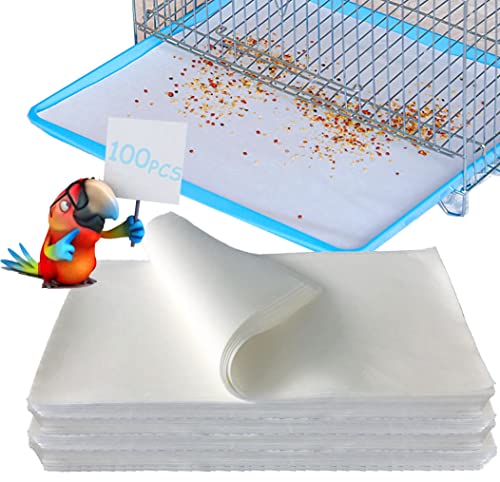
- ✓ Large, trim-friendly size
- ✓ Strong, non-woven material
- ✓ Very absorbent, leak-proof
- ✕ Requires tray measurement check
- ✕ Bulk packaging can be unwieldy
| Paper Size (per sheet) | 11 x 20 inches |
| Material | Non-woven fabric |
| Absorbency | Highly absorbent and leak-proof bottom design |
| Puncture/Strength | Good toughness; not easy to deform or tear |
| Package Count | 100 sheets |
| Compatibility/Use Note | Pre-cut liners; cut-to-fit when needed for smaller cages |
You peel back the package and the 100 sheets lie flat, white and uniform, like a neat stack you don’t have to fight with. The first touch feels soft yet sturdy, with a slight matte texture that reminds you these aren’t flimsy printer papers.
I notice each liner is a generous 11×20 inches, easy to trim for smaller cages, which saves you from hunting down just the right size.
Unpacking, you’ll snap one liner into the tray and see how it grips the edges without curling. The non-woven fabric has a forgiving feel—tough enough to resist tearing, yet pliable enough to tuck around corners.
It’s obvious these aren’t the thin, disposable sheets you quick-pull and hope for; they hold together when wet and still look neat at the end of the day.
In use, the absorbency shines. Water and droppings disappear into the liner, leaving the cage tray looking dry and hygienic.
The bottom design helps prevent leaks, which means fewer soggy trays and less scrubbing for you. It’s a real relief if you’ve struggled with messy cages or frequent tray cleanups.
What I appreciated most is the balance between convenience and reliability. You can cut to fit, but you don’t have to overthink it—just place, trim if needed, and go.
It feels like a small upgrade that actually sticks, especially if you manage multiple cages or rotate liners weekly.
If your birds stay in a busy section of your home, these liners make daily upkeep feel less like a chore and more like a quick wipe-down, with less mess and fuss.
Why is Choosing the Right Paper for a Bird Cage Important?
Choosing the right paper for a bird cage is crucial for several reasons that directly impact the health and well-being of your avian companion.
-
Hygiene: Appropriate paper helps control waste and odors, creating a cleaner environment. It prevents the accumulation of harmful bacteria that can thrive in soiled areas.
-
Comfort: Birds often spend a significant amount of time on the cage floor. Soft, absorbent paper can provide a comfortable surface, reducing stress on their feet.
-
Health Monitoring: Using specific types of paper allows for better visibility of droppings, which can be an indication of a bird’s health. Any changes in color, consistency, or quantity can be easily spotted.
-
Safety: Paper that is free of dyes, inks, and chemicals is essential to avoid introducing toxins into the bird’s environment. Materials like untreated newspaper or specific bird-safe papers are often recommended.
-
Accessibility: Paper should be easy to replace and dispose of. Regularly changing the paper not only maintains cleanliness but also fosters good habits in bird care routines.
Selecting the right paper contributes to creating a safe, healthy, and comfortable habitat for pet birds.
What Types of Paper Can Be Safely Used in Bird Cages?
The best types of paper for bird cages ensure safety, comfort, and cleanliness for your avian companions.
- Newspaper: Newspaper is a popular choice as it is affordable and readily available. It is safe for birds as it does not contain harmful inks, especially if you choose black and white print, and it can easily be replaced for cleanliness.
- Plain Craft Paper: This type of paper is thick and durable, making it less likely to tear under your bird’s beak. It is usually free of dyes and chemicals, providing a safe surface for your bird while being easy to clean up.
- Butcher Paper: Butcher paper is another excellent option due to its sturdiness and large sheets that cover the cage floor well. It is free from harmful chemicals and provides an absorbent surface that can help control moisture and odors.
- Paper Towels: Paper towels are highly absorbent and easy to replace, making them a convenient choice for bird cages. They should be plain and unprinted to avoid any potential ingestion of inks or dyes.
- Cardboard: Clean, unprinted cardboard can serve as a good substrate for larger birds that enjoy chewing. However, it should be monitored for wear and tear, as birds may ingest pieces if it becomes too damaged.
Are Newspaper and Paper Towels Safe for Birds?
The safety of newspaper and paper towels for birds is a critical consideration for their well-being.
- Newspaper: Newspaper can be a safe option for bird cages as it is typically printed with non-toxic ink and is easily replaceable.
- Paper Towels: Paper towels are also a safe choice, as they are absorbent and can help maintain cleanliness in the cage environment.
- Other Papers: Certain types of paper, such as colored paper or glossy paper, should be avoided as they may contain harmful chemicals or inks.
Newspaper is a common choice for bird owners because it provides a flat, easy-to-clean surface and is often made with non-toxic materials. It’s advisable to use plain black and white newspaper, as colored prints may have unknown inks that could be harmful to birds. Additionally, since newspapers are inexpensive, they can be changed frequently, promoting a hygienic environment.
Paper towels are another excellent alternative for bird cages, offering good absorbency and easy disposal. They can be placed on the bottom of the cage or used to line food and water dishes, helping to keep the area clean and dry. Unlike newspaper, paper towels can absorb moisture effectively, reducing the risk of bacterial growth.
When considering other types of paper, it’s important to be cautious. Colored or glossy papers often contain dyes and chemicals that can be toxic to birds if ingested. Therefore, it’s best to stick with plain, uncoated options that do not contain any additives or harmful substances to ensure the safety of your feathered friends.
What Advantages Do Commercial Bird Cage Liners Offer?
Commercial bird cage liners provide several advantages that enhance both the birds’ living environment and the owner’s experience.
-
Ease of cleaning: Liners simplify the cleaning process, allowing bird owners to quickly replace soiled paper without having to scrub the cage itself. This reduces the time spent on cage maintenance.
-
Absorbency: High-quality liners are designed to absorb droppings and moisture, helping to prevent odors and reduce the risk of bacterial growth, which can be hazardous to birds’ health.
-
Variety of materials: Commercial liners come in various materials, including paper, cardboard, and even newspaper. Each type offers different benefits, such as eco-friendliness or durability.
-
Non-toxic options: Many bird cage liners are made from non-toxic materials, ensuring they are safe for birds if accidentally ingested, which can be a crucial factor in their overall safety.
-
Aesthetic appeal: Some liners feature attractive patterns or colors that can enhance the visual appeal of the cage, making it a pleasant addition to home decor.
Selecting the right commercial bird cage liner not only promotes better hygiene but also contributes to a healthier and more inviting space for pet birds.
Can Recycled Paper Products Serve as Suitable Cage Liners?
Yes, recycled paper products can serve as suitable cage liners for birds.
Recycled paper products are often made from safe, non-toxic materials that are suitable for use in bird cages. They provide a soft, absorbent layer that can help control moisture and odor, which is essential for maintaining a healthy environment for your pet bird. Additionally, many recycled paper products are free from inks, dyes, and other harmful chemicals that could potentially harm birds, making them a safer choice compared to other types of liners.
Moreover, recycled paper is typically more eco-friendly than traditional options, as it reduces waste and promotes sustainability. When choosing the best paper for bird cages, look for products specifically designed for that purpose, ensuring they have been treated to eliminate any harmful substances. Using recycled paper not only benefits your bird’s health but also contributes positively to the environment.
What Factors Should You Consider When Selecting Paper for a Bird Cage?
When selecting the best paper for a bird cage, several important factors should be considered:
- Absorbency: The paper should have good absorbency to effectively soak up bird droppings and moisture, helping to maintain a clean and hygienic environment.
- Non-Toxic Materials: It is crucial that the paper is made from non-toxic materials to ensure the safety of your birds, preventing any harmful chemicals from leaching into their habitat.
- Texture: The texture of the paper should be gentle on your bird’s feet, providing a comfortable surface for them to stand on while also preventing any slipping or discomfort.
- Ease of Cleaning: The paper should be easy to remove and replace, allowing for quick clean-up to keep the cage tidy and reduce the risk of bacterial growth.
- Cost-Effectiveness: Consider the cost of the paper in relation to its durability and absorbency; finding a balance between price and quality is essential for regular use.
Absorbency: Good absorbency is vital because it helps in controlling odors and maintaining a clean environment, which is particularly important for the health of the birds. Papers that are highly absorbent will need to be changed less frequently, saving time and effort in the long run.
Non-Toxic Materials: Birds are sensitive to their environment, and any exposure to toxic substances can lead to serious health issues. Therefore, it is important to select paper that is free from inks, dyes, and chemicals that could be harmful to them.
Texture: A rough or overly slick surface can cause foot problems for birds, so a paper with a suitable texture helps prevent injuries while providing a comfortable perch. The right texture can also help with grip, allowing birds to move around safely within their cage.
Ease of Cleaning: A paper that can be easily removed and replaced makes the maintenance of the bird cage much simpler. This is especially important for busy bird owners who need a quick solution for daily cleaning tasks.
Cost-Effectiveness: Investing in high-quality paper may initially seem more expensive, but if it lasts longer or requires fewer changes, it can ultimately be more economical. Evaluating the price against the benefits it offers can help you make a more informed decision.
How Does Absorbency Impact Bird Health?
Absorbency is crucial for maintaining bird health, particularly in their living environments, as it affects hygiene and comfort.
- Waste Management: High absorbency materials can effectively soak up droppings and spills, which helps in maintaining a clean cage environment. This is essential as accumulated waste can lead to bacterial growth and respiratory issues in birds.
- Odor Control: Papers with good absorbency can trap moisture that contributes to unpleasant odors. By reducing smells, these materials help create a more pleasant environment for both birds and their owners, minimizing stress for the birds.
- Comfort and Safety: Soft, absorbent papers provide a comfortable surface for birds to perch and move around. Additionally, materials that are too rough or not absorbent can lead to injuries on their feet or skin, affecting their overall well-being.
- Prevention of Illness: Using absorbent materials that can be easily replaced helps prevent the spread of diseases. Clean, dry surfaces reduce the risk of fungal infections and other health issues that can arise from prolonged exposure to damp environments.
- Humidity Control: Absorbent materials can help regulate humidity levels within the cage. Proper humidity is important for birds as too much moisture can lead to respiratory problems, while too little can cause dehydration and other health complications.
What Texture Should Paper Have for Bird Comfort?
The texture of paper used in bird cages is essential for the comfort and well-being of birds.
- Soft and Smooth Texture: Paper should ideally have a soft and smooth texture to prevent any irritation to the bird’s feet. This type of paper allows for easy movement and perching, reducing stress and discomfort.
- Absorbent Materials: The best paper for bird cages should be absorbent to manage moisture and droppings effectively. This helps in maintaining a clean environment, which is crucial for the health of the birds and minimizes the risk of infections.
- Natural Fibers: Papers made from natural fibers are preferable as they are less likely to contain harmful chemicals. Natural fiber papers can also provide a more comfortable texture, making it easier for birds to engage in natural behaviors like scratching and digging.
- Non-Toxic and Safe: It is vital that the paper used is non-toxic and safe for birds, as they often chew on their surroundings. Using paper that is free from dyes and harmful additives ensures that birds do not ingest harmful substances.
- Thicker Padding: Some bird owners prefer thicker paper that offers more cushioning. This can be beneficial for larger birds or those that may require additional support, as it helps absorb shock and reduce the risk of injury.
What Risks Are Associated with Using Unsafe Paper for Bird Cages?
Using unsafe paper for bird cages can pose several risks to the health and well-being of birds.
- Toxic Chemicals: Many papers, especially those that are not specifically designed for bird use, may contain harmful chemicals such as inks, dyes, or coatings. These substances can be ingested by birds when they peck at or chew the paper, leading to poisoning or other serious health issues.
- Inhalation Risks: Dust and particles from unsafe paper can become airborne, posing a risk of respiratory issues for birds. Birds have sensitive respiratory systems, and exposure to harmful particles can lead to chronic health problems or acute distress.
- Ingestion Hazards: If birds consume pieces of unsafe paper, it can cause digestive blockages or other gastrointestinal issues. This is particularly concerning with glossy or heavily processed papers that may not break down easily in their systems.
- Behavioral Problems: Birds often engage in foraging behaviors, and using inappropriate paper can lead to boredom or frustration. This can result in undesirable behaviors such as feather plucking or aggression, impacting their overall mental health.
- Fire Hazard: Certain types of paper can be more flammable than others, especially if they are treated with chemicals. In the event of a fire, using such materials in a bird cage could exacerbate the situation, posing a danger not only to the birds but also to their surroundings.
How Can Improper Paper Choices Affect Bird Behavior?
Choosing the right paper for a bird cage is crucial, as improper options can significantly impact bird behavior and health. Here are some ways inappropriate paper choices may affect your feathered companions:
-
Toxicity: Paper made from recycled materials can contain harmful inks or chemicals that lead to toxicity. Birds are sensitive to toxins, and exposure can cause health problems such as difficulty breathing or organ damage.
-
Comfort: Rough or abrasive paper can create discomfort for birds, especially those that spend a lot of time on the cage floor. A smooth, soft surface is essential for their comfort, preventing foot sores or injuries.
-
Absorbency: Non-absorbent papers can lead to excess moisture buildup in the cage, promoting bacterial growth and an unhealthy environment. It’s crucial to use paper that can effectively absorb droppings and moisture to maintain cleanliness.
-
Behavioral Changes: Stress can manifest in various behavioral issues, such as excessive vocalization, feather plucking, or aggression. A suitable paper choice that is safe, comfortable, and clean can help reduce stress and promote a positive environment for your birds.
-
Encouraging Natural Behaviors: Utilizing paper that allows for natural behaviors like shredding can be beneficial. Birds enjoy manipulating their environment, which can reduce boredom and encourage playfulness.
Selecting the right paper for your bird cage contributes not only to their immediate comfort but also to their overall well-being and happiness.
What Are Some Eco-Friendly Options for Bird Cage Paper?
Some eco-friendly options for bird cage paper include:
- Recycled Paper: Made from post-consumer waste, recycled paper is an excellent choice for bird cages as it reduces the demand for new paper production. It is free from harmful chemicals and dyes, making it safe for birds who may chew on it.
- Unbleached Kraft Paper: This type of paper is produced without the use of chlorine bleach, which means it retains more natural fibers and is less harmful to the environment. Its sturdy texture provides great absorbency and is safe for birds to interact with.
- Newsprint: Used newspapers can be a cost-effective and eco-friendly option for bird cage liners. While it’s important to ensure that the ink is soy-based or vegetable-based to avoid any toxicity, newsprint provides a soft surface for birds and is readily available.
- Paper Towels (Eco-Friendly Brands): Some brands produce paper towels from recycled materials and without harsh chemicals. They are highly absorbent and can be a practical solution for cleaning cages while being environmentally friendly.
- Biodegradable Paper Products: Certain companies manufacture biodegradable paper products specifically designed for pet care. These papers break down naturally in landfills, making them a responsible choice for pet owners concerned about their environmental footprint.
How Frequently Should You Change the Cage Paper?
- Every day: For birds that are particularly messy or produce a lot of waste, changing the cage paper daily is often necessary to prevent odors and maintain hygiene.
- Every few days: If your bird is less messy or if you use absorbent and odor-neutralizing paper, changing the paper every two to three days may suffice.
- Weekly: In cases where the cage is kept clean and your bird produces minimal waste, you might be able to change the paper once a week; however, it’s essential to monitor the condition of the cage and your bird’s health closely.
- Spot cleaning: In addition to scheduled changes, performing regular spot cleaning can help maintain cleanliness and reduce the frequency of full paper changes.
Changing the cage paper every day is ideal for birds that create significant messes, as this helps in controlling odors and preventing the buildup of harmful bacteria. Birds like parrots or those with larger droppings often require this level of maintenance to keep their environment healthy.
For birds that are less messy, changing the paper every few days can be adequate. This approach balances cleanliness with the practicality of maintenance, allowing for a manageable routine while still keeping the cage environment pleasant.
In certain situations, changing the paper weekly may work if the bird is clean and produces minimal waste. However, this should be accompanied by careful observation of the cage’s condition and the bird’s health, as neglecting to change the paper frequently enough can lead to unhygienic conditions.
Spot cleaning between scheduled changes is a beneficial practice that can extend the life of the cage paper. By regularly removing droppings and food particles, you can reduce odors and maintain a healthier environment without the need for constant full changes of the paper.
Related Post: