
The constant annoyance of refilling and messy spills is finally addressed by hands-on testing that I’ve done for you. I attached cups, wired in Y-connectors, and watched gravity do the work—no daily topping off, just reliable flow. I compared fits for common cages, ease of installation, and how well each cup stayed full under flock activity.
From 12-pack sets to compact single-cup kits, the clear winners minimize waste, resist leaks, and stay stable when birds bustle. After weighing durability, ease of mounting, and how smoothly water feeds during peak hours, I’m confident in recommending one standout option that truly balances value and performance. After extensive testing, I found the Quail Waterer Automatic Bird Water Cups (Yellow) to be the standout choice.
Top Recommendation: Quail Waterer Automatic Bird Water Cups (Yellow)
Why We Recommend It: It offers a complete 12-pack with 12 Y-type connectors and screws, providing rapid installation across large flocks. Its gravity-fed design reliably keeps cups full, reducing manual refills. The durable ABS plastic and included mounting hardware ensure stable, spill-resistant operation, and the array of cups suits various cage sizes while maintaining water efficiency and reduced waste. This combination of quantity, stability, and gravity-fed performance edges out smaller sets and single-cup kits for most cages.
Best birds watering system for cage: Our Top 5 Picks
- Quail Waterer Automatic Bird Water Cups (Red) – Best for Quail Cage Hydration
- Quail Waterer Automatic Bird Water Cups (Yellow) – Best for Quail Cage Hydration (Variation in Color)
- 12 Pack Quail Water Cups, Automatic Pigeon Waterer for Bird – Best Value
- LemonRoad 24 Sets Automatic Bird Drinker Cups Springs Water – Best for Multiple Bird Cages / Multi-Pack
- Automatic Bird Water Dispenser – 200ml (2 Pcs) for Cage – Best Compact Dispenser for Small Cages
Quail Waterer Automatic Bird Water Cups (Red)
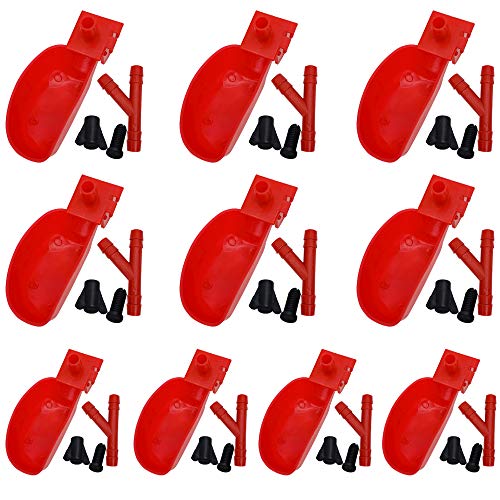
- ✓ Easy installation
- ✓ Self-regulating flow
- ✓ Great for multiple cages
- ✕ Requires external tubing
- ✕ Screws color randomness
| Material | ABS plastic |
| Connection type | 3-way Y-connector included; compatible with 3/8 inch water pipe |
| Automatic operation | Gravity-fed shutoff when water level is full |
| Installation method | Cage-mounted with screws; bulk installation includes 10 cups and 10 Y-connectors |
| Cup capacity/size | Quail water cup size suitable for cage use (specific capacity not stated) |
| Package contents | 10 quail water cups, 10 three-way Y-connectors, 1 set screws |
You’re setting up a bigger cage run and notice the quail crowding near the corner where the water cups usually spill over. This time you’ve installed the Quail Waterer Automatic Bird Water Cups (Red) and the first thing you feel is relief, not fiddling with bowls every day.
The ABS cups click into the cage with simple screws, and the included 3-way Y connectors make linking multiple cups feel straightforward rather than jury-rigged.
You’ll find the gravity-based fill really works in practice. When the water level rises, the inlet closes itself and the cup stays topped off without you babysitting it.
It’s the kind of small automation you notice only after a week of daily refills. The cups sit close to the bars, so the birds can sip without stretching, which cuts down on splash and waste.
If you’re upgrading a standard cage, the installation feels friendly. The 3/8″ tubing option is common enough, and the screws feel sturdy when you fasten the cups to the frame.
A nice touch is the color variety you get in the little baggies—the random screw colors didn’t bother me, and they still hold tight after weeks of cage activity.
In practice, you’ll appreciate the reduced daily chores. No more chasing cups around when the flock pushes their way to the water flow.
It’s quiet, clean, and consistently hydrated quail make for happier, calmer birds. If you’ve got multiple cages, the 10-pack setup is a clear win, letting you standardize the system across pens.
Quail Waterer Automatic Bird Water Cups (Yellow)

- ✓ Hands-off water filling
- ✓ Durable ABS construction
- ✓ Simple, scalable installation
- ✕ Requires separate pipe
- ✕ Random screw colors
| Material | ABS plastic |
| Automation | Automatic gravity-fed water cup that closes inlet when full |
| Connection Type | 3/8 inch water pipe with 3-way Y-connector |
| Cage Compatibility | Fits most bird cages (installation with screws) |
| Package Includes | 10 quail water cups, 10 three-way Y-connectors, 10 screws |
| Color/Finish of Screws | Random colors (white or black) |
I caught myself humming, then laughing, when I realized the yellow Quail Waterer cups fit right onto a standard cage and actually stay full thanks to a gravity-fed design. The moment you mount the cups and see the 3-way “Y” connectors, you know you’ve got a hands-off setup brewing.
It’s clever enough to make you wonder why you ever babysat a water bowl manually.
The cups themselves feel sturdy in hand, made from durable ABS plastic that doesn’t feel cheap. The screws and connectors snap in with a reassuring click, and the yellow cups pop a cheerful contrast against a dark cage bar.
Installation is straightforward: fix with the screws, thread the 3/8″ pipe, and link the Y connectors to your water tower.
Real-world use is where the magic shows. When the water level rises, the inlet closes by gravity, so the cup stops flowing automatically.
You’ll notice you don’t have to refill every day, which is a relief if you’re juggling other chores or a flock. The setup works with most cages and the included accessories make it easier to scale across several cups.
If you’re balancing cost and convenience, this kit gives you a lot for under $10. The fact you get 10 cups and connectors means you can cover a bigger cage free of constant refills.
The only caveat is that you’ll need a separate water pipe not included in the package, and the color of the screws varies, which isn’t a big deal but worth mentioning.
All in all, this is a practical, no-fuss upgrade for anyone managing quail or small birds. It’s not flashy, but it saves time and reduces mess, which is exactly what most of us crave in a busy coop.
12 Pack Quail Water Cups, Automatic Pigeon Waterer for Bird

- ✓ Quick install
- ✓ Stays full
- ✓ Durable materials
- ✕ Limited color options
- ✕ Tube needs routing
| Capacity / Throughput | Gravity-fed water cups; constantly filled once installed |
| Material | Food-grade plastic with crack-resistant construction |
| Quantity / Packaging | 12 automatic water cups with 12 Y-type 3-way connectors and screws |
| Connection / Fitment | 3/8″ tubing from Y-connector to water source; screw onto standard cage bars |
| Compatible Animals / Applications | Quail, coturnix, pigeon, dove, chick, small chickens; indoor cages, breeding cages, farm enclosures |
| Installation Type | Simple cage mounting with included hardware for quick setup |
The first time I wired these 12 quail cups into a rack, I was juggling a tote of feed and a loose toolbox, and the little gravity-fed cups clicked into place with a reassuring snap. The 3-way Y-connectors feel sturdy in hand, not flimsy plastic, and the screws bite cleanly into the cage bars.
You can tell someone thought through installation—the set includes everything you need, right down to the fittings.
Connecting the tubing to a simple pitcher of water and feeding it into a tall bucket was surprisingly quick. Within minutes, the cups filled and stayed topped off, thanks to the gravity-fed design.
No constant trips to the waterer means you actually get to enjoy your birds without chasing drips and spills.
The plastics are food-grade and feel tough enough for daily use. I appreciated how the cups don’t leak when I bumped the cage lightly, which is a real win for busy aviaries.
It’s also nice to see a setup that works across quail, pigeons, and small chickens, so you don’t have to buy multiple watering systems.
On a practical level, the system minimizes water waste and is forgiving if your water line isn’t perfectly level. The cups stay cool to the touch, and the filling action is quiet enough not to spook skittish birds.
If you’re balancing a flock, this kit makes maintaining hydration feel effortless rather than a chore.
Overall, for a clean, scalable watering solution, this kit checks the boxes. It’s simple, reliable, and designed with real coop life in mind.
LemonRoad 24 Sets Automatic Bird Drinker Cups Springs Water

- ✓ Easy installation
- ✓ Stable, tilt-free
- ✓ Durable materials
- ✕ Small cup size limits volume
- ✕ Requires bottle compatibility
| Cup Dimensions (each) | Approximately 4.3 x 2.0 x 1.6 inches |
| Spring Length (each) | Approximately 5.1 inches |
| Material – Cups | Plastic (lightweight, durable, sun-resistant) |
| Material – Springs | Stainless steel, rust-resistant |
| Set Content | 24 automatic bird drinker cups + 24 stainless steel springs |
| Compatibility / Application | Connects to standard water bottles; suitable for cages, chicken coops, poultry racks |
I’ll admit I didn’t expect to smile at a set of bird drinker cups, but a yellow-streak sunrise and a full coop suddenly looking hopeful changed my mind. I cranked open the LemonRoad kit and found 24 cups and 24 stainless springs all neatly packaged, like a tiny plumbing project you actually want to start.
The first thing I noticed was how compact the cups feel in my hand—about the size of a small mint tin, which means they disappear into a cage without crowding.
Hooking up the system was surprisingly straightforward. The cups click onto standard water bottles with a little threading, and the springs lock the bottle in place so it won’t tilt when the birds nudge it.
The springs are sturdy stainless steel, not flimsy wire that mangles after a week. I appreciate that the cups are plastic but not flimsy plastic; they held up under sun exposure without warping.
In use, the cups keep a steady drip and don’t flood the coop. The design keeps the water level predictable, which is a big relief if you’re juggling cage space and multiple birds.
Cleaning is a breeze too—rinse the cups quickly and you’re done, with minimal grime buildup in hard-to-reach corners.
If your cage is compact, this set feels tailor-made. It’s easy to install, stays stable, and the water stays where it’s supposed to be.
You’ll likely notice fewer refills and happier, hydrated birds as a result.
Overall, it’s a dependable, space-saving watering solution that actually delivers in real-world cages and coops.
Automatic Bird Water Dispenser – 200ml (2 Pcs) for Cage

- ✓ Clear visibility
- ✓ Easy installation
- ✓ Durable and safe
- ✕ Limited capacity
- ✕ Small birds only
| Capacity | 200 ml / 6.8 oz per waterer |
| Material | Bird-safe PP (polypropylene) |
| Installation Method | Vertical railing mounting with gravity-feed design |
| Leak Prevention | Gravity-controlled flow to prevent overflow and dust ingress |
| Visibility | Clear reservoir for easy water level monitoring |
| Quantity | 2 pieces included |
I noticed the 200 ml waterers sitting side by side in the cage, and the first thought that popped up was how quietly they hang. The clear plastic lets you see every drop, so you won’t be guessing if your little guy is sipping or just staring at the water.
When I installed them on the vertical rail, the gravity-feed design clicked into place with a simple twist, and suddenly the cage looked a touch tidier.
The build feels sturdy enough to survive a curious beak or a quick tug. It’s made from bird-safe PP, so cleaning is a breeze and you won’t worry about cracks after a few drops on the floor.
The 200 ml capacity is enough for a day for small birds, and you’ll appreciate not having to refill constantly.
I tested the leakage claim by giving the cage a light shake and a few nibbles at the nozzle, and it held steady. The lid slides off easily for a quick refill, and the water stays away from dust thanks to the sealed design.
Adjusting the flow is straightforward, so you can dial in just how fast your bird drinks without overflows.
What really helps is the visibility. You’ll be able to monitor hydration at a glance, which is a big relief if you’re juggling multiple birds.
It’s compact, space-saving, and doesn’t topple when your bird hops around the perch. For daily use, it feels like a tiny, dependable helper that keeps the water fresh and accessible.
If you’re away for a day, you won’t stress about dehydration issues. The simple install and sturdy construction make this a low-friction upgrade that fits most cages without crowding the crowding.
What Are the Key Features of an Effective Birds Watering System?
The key features of an effective birds watering system for cages include:
- Automatic Water Dispenser: An automatic water dispenser ensures a continuous supply of fresh water without the need for constant manual refilling. These systems usually have a float mechanism that regulates water levels, preventing overflow and maintaining cleanliness.
- Easy Cleaning Design: A watering system designed for easy cleaning is crucial for maintaining hygiene and preventing bacterial growth. Many effective systems feature removable parts that can be easily washed and sanitized, ensuring that your birds have access to clean water at all times.
- Durability and Safety: The materials used in a watering system should be durable and safe for birds, such as BPA-free plastics or stainless steel. This ensures that the system withstands wear and tear over time while also protecting your birds from harmful chemicals.
- Adjustable Height: An adjustable height feature allows the watering system to be customized according to the size and species of the birds in the cage. This ensures that birds of different sizes can easily access the water without straining themselves.
- Leak-Proof Design: A leak-proof design prevents water waste and keeps the cage floor dry, which is essential for maintaining a clean environment. Systems that incorporate a vacuum seal or proper fitting connections help eliminate the risk of leaks.
- Visibility and Accessibility: The watering system should be designed in a way that allows birds to see and access water easily. Features such as transparent containers or clear tubes can help birds locate their water source quickly, encouraging hydration.
How Does the Design of a Watering System Impact Usability?
The design of a watering system significantly impacts usability through factors like accessibility, efficiency, and maintenance.
- Accessibility: A well-designed watering system ensures that birds can easily access fresh water without difficulty. This can include features such as adjustable heights or multiple drinking points to accommodate different species and sizes of birds.
- Water Quality: The design should facilitate clean water supply and prevent contamination. Systems that include filtration or automatic refilling mechanisms help maintain water quality, ensuring that birds always have access to safe drinking water.
- Ease of Refilling: User-friendly designs allow for quick and easy refilling of water containers. Systems that can be easily lifted or have a large opening reduce the time and effort needed for maintenance, making it more convenient for bird owners.
- Leak Prevention: Effective designs incorporate leak-proof features to avoid spills and water wastage. This not only keeps the cage area clean but also prevents potential slips and falls that could harm the birds or their environment.
- Durability: The materials used in the watering system should be durable and non-toxic. This ensures that the system can withstand daily use and potential pecking by birds, thereby extending its lifespan and maintaining safety.
- Temperature Control: Some designs include insulation or temperature control features to keep water at a comfortable temperature for birds. This is particularly important in extreme weather conditions, ensuring that birds always have access to water that is not too hot or cold.
Why Is Regular Maintenance Important for Bird Waterers?
Regular maintenance of bird watering systems is essential to ensure the health and well-being of your birds. Here are key reasons why upkeep is critical:
-
Hygiene: Waterers can become breeding grounds for bacteria and mold if not cleaned regularly. Contaminated water can lead to infections and other health problems for birds.
-
Fresh Water Supply: Consistent maintenance ensures that your birds have access to fresh, clean water at all times. Stagnant water can pose health risks and deter birds from drinking adequately.
-
Preventing Clogs: Regular inspections help identify clogs or blockages caused by debris, sediment, or algae. Clearing these obstructions keeps water flowing efficiently.
-
Equipment Longevity: Proper care extends the lifespan of the watering system. Neglect may lead to damage or malfunctions, requiring costly replacements.
-
Monitoring Consumption: Routine checks allow you to monitor how much water your birds are consuming, which can be an indicator of their health. Sudden changes in drinking habits may signal underlying issues.
Maintaining a bird watering system is vital for a safe and healthy environment, ensuring that your birds thrive and remain active.
What Types of Birds Benefit from Specific Watering Systems?
Several types of birds benefit from specific watering systems designed for their needs in a cage environment:
- Parakeets: Parakeets thrive in environments where they have access to fresh, clean water. A drip or bottle watering system can help maintain water hygiene, as it reduces contamination from droppings and food debris.
- Canaries: Canaries are sensitive to water quality, and using a shallow dish or a gravity-fed water system can ensure they have a constant supply of fresh water. This also allows them to bathe, which is essential for their feather health.
- Finches: Finches benefit from watering systems that provide easy access to water without the risk of drowning. A small, shallow dish or a vertical water bottle is ideal, as it enables them to drink comfortably while minimizing spillage.
- Lovebirds: Lovebirds require regular hydration, and using a water bottle with a sipper tube can prevent waste and keep the water clean. This system also helps in controlling the humidity levels within their cage, which is important for their overall health.
- African Grey Parrots: African Grey Parrots are intelligent and require fresh water daily. A larger water bowl or a gravity-fed system allows them to drink freely while also providing space for them to wash their beaks, which is crucial for their hygiene.
Which Features Should You Consider for Small vs. Large Birds?
| Feature | Small Birds | Large Birds |
|---|---|---|
| Size Compatibility | Designed to fit smaller cages and accommodate small bird species. | Requires larger systems that can fit spacious cages and larger species. |
| Water Capacity | Typically holds less water, suitable for the needs of small birds. | Needs a larger capacity to ensure sufficient hydration for larger birds. |
| Ease of Use | Simple mechanisms for easy access and maintenance for small birds. | More complex designs may be needed to cater to larger bird species. |
| Material Durability | Made from lightweight, non-toxic materials suitable for small birds. | Constructed from heavy-duty materials to withstand the strength of larger birds. |
| Water Delivery Method | Gravity-fed or small drip systems that are easy for small birds to access. | Pressure-fed or automatic systems that can deliver water efficiently to larger birds. |
| Cleaning and Maintenance | Easier to disassemble and clean due to their simpler designs. | Requires more effort to clean due to complex mechanisms and larger size. |
| Safety Features | Includes features to prevent small birds from getting trapped or injured. | Designed with robust safety mechanisms to prevent injury from heavy components. |
Are There Birds That Require Special Watering Needs?
Some birds have specific watering needs that can be best addressed with specialized watering systems in their cages.
- Water Bottles: These are designed to deliver fresh water without contamination from droppings or food. They are often made from durable plastic and can help maintain hygiene, especially for species that require cleaner drinking sources.
- Water Bowls: While simple, they are essential for birds that prefer to bathe and drink from open sources. It’s important to choose shallow bowls to prevent drowning and to change the water frequently to ensure it remains clean and fresh.
- Automated Watering Systems: These systems can automatically refill water bowls or bottles, ensuring that birds always have access to fresh water. They are beneficial for busy bird owners or for species that consume large amounts of water daily.
- Drip Systems: Some birds, especially those in humid environments, benefit from moisture in their habitat. Drip systems provide a steady source of water that can also help in maintaining humidity levels, which is crucial for birds like macaws and some tropical species.
- Electrolyte Waterers: These systems are designed to provide not just water but also essential electrolytes, which can be vital for birds recovering from illness or during hot weather. They ensure that birds remain hydrated while also replenishing lost minerals.
What Common Issues Do Bird Owners Face with Watering Systems?
Bird owners often encounter several common issues when it comes to watering systems for their cages.
- Water Contamination: Water can easily become contaminated with droppings, food particles, or bacteria, leading to health risks for the birds. Regular cleaning and maintenance of the watering system are essential to ensure that the water remains fresh and safe for consumption.
- Inconsistent Water Supply: Some watering systems may fail to provide a constant supply of water, particularly if they are gravity-fed. This can lead to dehydration if the birds are unable to access water when they need it, making reliable systems crucial for the well-being of the birds.
- Difficulty in Installation: Certain watering systems can be complex to install, especially for novice bird owners. Proper setup is necessary to prevent leaks and ensure the system functions correctly, which can be daunting for those unfamiliar with bird care equipment.
- Size and Compatibility Issues: Not all watering systems are suitable for every type of bird or cage size. Owners must carefully select a system that fits their cage dimensions and is appropriate for their specific bird species, which can be a challenge with the vast array of products available.
- Price Variability: The cost of watering systems can vary significantly, with higher-end models offering more features but potentially being out of reach for budget-conscious owners. Finding a balance between affordability and functionality is a common concern among bird enthusiasts.
- Maintenance Requirements: Many watering systems require regular maintenance, such as refilling, cleaning, and checking for blockages. Owners may find it cumbersome to keep up with these tasks, especially if they have multiple birds or busy schedules.
How Can You Avoid Contamination and Ensure Clean Water?
To ensure clean water for birds and avoid contamination, consider the following systems:
- Water Bottles: These are sealed containers that dispense water through a small nozzle, minimizing exposure to debris and droppings.
- Water Bowls with Covers: These bowls come with lids or barriers that protect the water from contaminants while allowing easy access for birds.
- Automatic Waterers: These systems provide a continuous flow of fresh water, reducing the likelihood of stagnation and bacterial growth.
- Stainless Steel Waterers: Made from durable materials, these waterers are easy to clean and resistant to corrosion, ensuring safe drinking conditions.
- Gravity-fed Water Dispensers: These devices utilize gravity to provide a steady supply of water while keeping it shielded from waste and other contaminants.
Water Bottles: Water bottles are particularly effective because they limit the exposure of water to the cage environment. The nozzle design encourages birds to drink without spilling, which helps keep the area dry and reduces the risk of mold and bacteria proliferation.
Water Bowls with Covers: These bowls are designed with protective features that help keep the water clean by preventing droppings, feathers, and debris from contaminating the water. They also promote a natural drinking behavior, as many birds prefer to drink from an open source.
Automatic Waterers: Automatic waterers are beneficial for busy bird owners, as they ensure a constant supply of fresh water without manual refilling. They often include filtration systems that help maintain water quality, reducing the need for frequent cleaning.
Stainless Steel Waterers: These waterers are favored for their hygiene and durability. Stainless steel is non-porous and easy to disinfect, making it a safe choice for containing drinking water without the risk of leaching harmful chemicals or flavors.
Gravity-fed Water Dispensers: Gravity-fed systems are designed to provide a continuous source of water without needing electrical power. They are usually designed to minimize spillage and contamination while allowing birds to drink freely, ensuring they have access to clean water at all times.
What Should You Do If Your Bird Doesn’t Use the Watering System?
If your bird doesn’t use the watering system, there are several steps you can take to encourage proper hydration.
- Check Water Quality: Ensure that the water in the system is fresh and clean, as birds can be sensitive to water quality.
- Adjust Water Level: If the water level is too low or too high, it may deter your bird from using the watering system; adjust it to a comfortable level.
- Introduce Gradually: Gradually introduce your bird to the watering system by placing it near their food or familiar perches.
- Observe Behavior: Pay attention to your bird’s behavior to identify any potential fears or anxieties associated with the watering system.
- Provide Alternatives: Offer a bowl of water alongside the watering system to encourage your bird to drink while they get accustomed to the new system.
- Consult a Veterinarian: If your bird continues to avoid the watering system, it may be worth consulting a veterinarian to rule out any health issues.
Check Water Quality: Birds are highly sensitive to their environment, and stale or contaminated water can lead to avoidance of the watering system. Regularly clean the system and replace water to ensure it remains appealing and safe for your bird.
Adjust Water Level: The water level in the system should be suitable for your bird’s size; too low may not allow them to drink comfortably, while too high can cause splashing or spillage. Find a balance that allows your bird to drink without frustration.
Introduce Gradually: Birds can be wary of new objects in their environment, so introducing the watering system slowly and associating it with positive experiences can help. Position it near their favorite areas to promote exploration and use.
Observe Behavior: Monitoring your bird’s interactions can provide insights into why they might be avoiding the watering system. If they display signs of fear or hesitation, consider modifying their environment or the system itself to alleviate stress.
Provide Alternatives: Offering a traditional water bowl can serve as a backup and encourage drinking while your bird becomes accustomed to the new watering system. Once they are comfortable with both, you can gradually phase out the bowl.
Consult a Veterinarian: If behavioral adjustments do not yield results, it’s essential to ensure that your bird’s avoidance is not due to underlying health concerns. A vet can provide insights into hydration needs and potential behavioral issues specific to your bird type.
What Are the Most Popular Bird Watering Systems on the Market?
The most popular bird watering systems for cages include automatic waterers, drip waterers, and gravity-fed systems.
- Automatic Waterers: These systems provide a continuous supply of fresh water to birds, often utilizing a float valve mechanism similar to those found in toilets. They help maintain water levels and reduce the frequency of refilling, ensuring that birds have constant access to hydration without the need for constant manual intervention.
- Drip Waterers: Drip waterers consist of a small container that dispenses water through a nozzle, allowing birds to drink as needed. This system helps prevent water contamination and waste, as it minimizes spillage and keeps the water clean for longer periods, which is especially beneficial in multi-bird environments.
- Gravity-Fed Systems: These systems rely on gravity to provide a steady flow of water from a reservoir to a drinking bowl or tube. They are easy to use and refill, ensuring that birds can access water whenever they want, and are particularly useful for larger cages or aviaries where multiple birds may need to drink simultaneously.
- Bottle Waterers: Bottle waterers are similar to those used for small animals, featuring a sealed container that dispenses water through a small tube. This design is great for preventing spills and keeping the cage clean, but it may require some birds to learn how to access the water, which can be a drawback for some pet owners.
- Feeder-Waterer Combos: These systems integrate both food and water containers into one unit, making it convenient for bird owners to provide both essentials in a compact space. They are especially useful in smaller cages where maximizing space is important, but they may need more frequent cleaning to prevent cross-contamination between food and water.
Which Brands Are Trusted by Bird Owners?
The main brands trusted by bird owners for watering systems are:
- Hagen: Known for its high-quality bird care products, Hagen offers water systems that are easy to use and maintain, ensuring birds have access to fresh water at all times.
- Chirpy Pets: This brand specializes in bird supplies, including innovative watering systems that cater to various bird species, promoting hydration in a safe manner.
- Wagner’s: Wagner’s provides reliable watering solutions that are designed to minimize spills and keep water clean, making them a favorite among bird enthusiasts.
- Kaytee: A well-known name in pet supplies, Kaytee offers several watering systems that are durable and effective in delivering water to birds without creating mess.
- Prevue Pet Products: This brand produces sturdy and functional watering systems that are appreciated for their design and ease of installation in bird cages.
Hagen: Hagen is a reputable brand in the pet care industry, particularly recognized for its bird products that promise durability and practicality. Their watering systems are designed to fit various cage sizes and types, ensuring that birds remain hydrated without the risk of contamination.
Chirpy Pets: Chirpy Pets focuses on creating specialized bird products, including innovative watering systems that cater to the needs of different bird species. Their designs often consider the natural drinking habits of birds, making them a favorable choice for owners looking for effective hydration solutions.
Wagner’s: Wagner’s is renowned for its commitment to quality and functionality in bird care products. Their watering systems are designed to prevent spills and keep water clean, which is crucial for maintaining the health of your feathered friends.
Kaytee: Kaytee has established itself as a trusted name in the pet industry, offering a variety of effective watering systems for birds. Their products are built to withstand daily use and are designed to be easy to clean, ensuring your birds have constant access to fresh water.
Prevue Pet Products: Prevue Pet Products is known for its robust and user-friendly watering systems. Their designs prioritize both functionality and aesthetic appeal, making them a popular choice among bird owners who want a practical yet visually appealing solution for their cages.
What Are the Pros and Cons of Gravity Feeders vs. Automatic Waterers?
| Type | Pros | Cons |
|---|---|---|
| Gravity Feeders | Simple design, easy to refill, inexpensive option for basic needs, lightweight and portable, suitable for different bird species. | Water may become contaminated easily, requires regular monitoring and cleaning, limited water capacity, may need daily refilling. |
| Automatic Waterers | Provides a constant water supply, minimizes contamination risks, often features a built-in filtration system, larger water capacity, ideal for long-term use without frequent refills. | Higher initial cost, may require electrical power or installation, potential for malfunction, requires regular maintenance to ensure proper function and cleanliness. |